Comparing quantities Addition & Subtraction Worksheets for Ages 3-7
8 filtered results
-
From - To
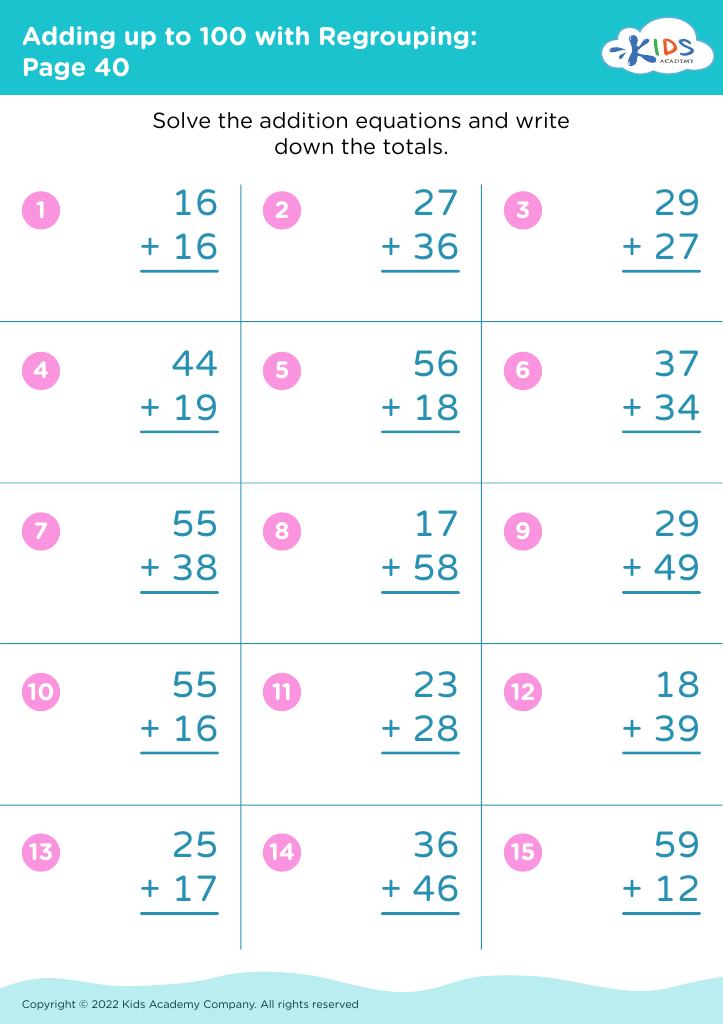
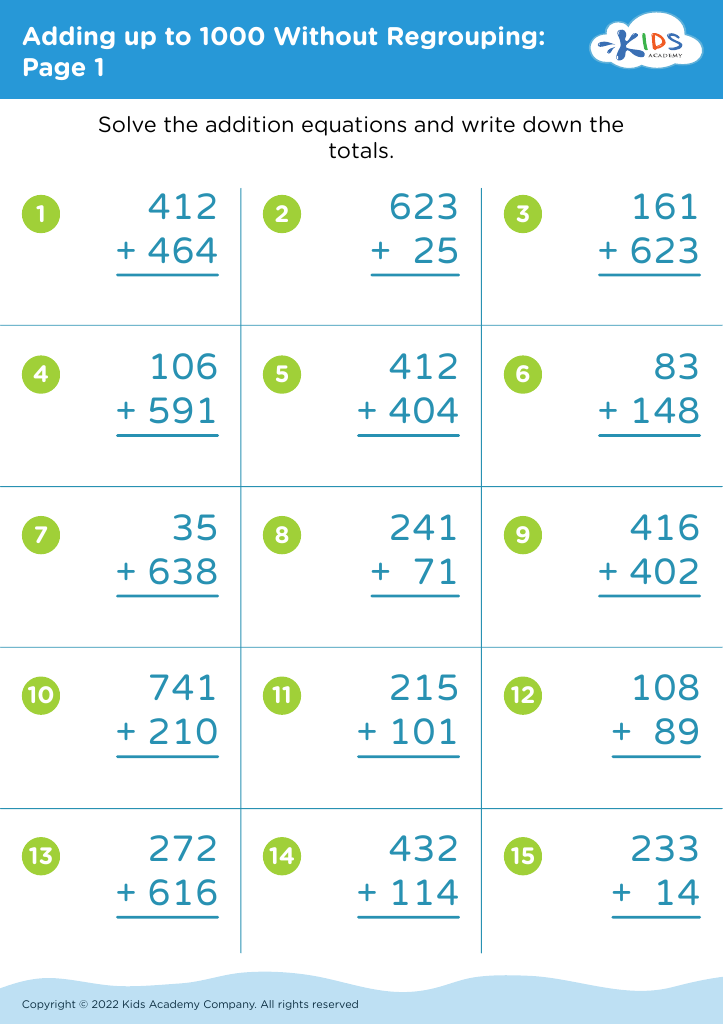
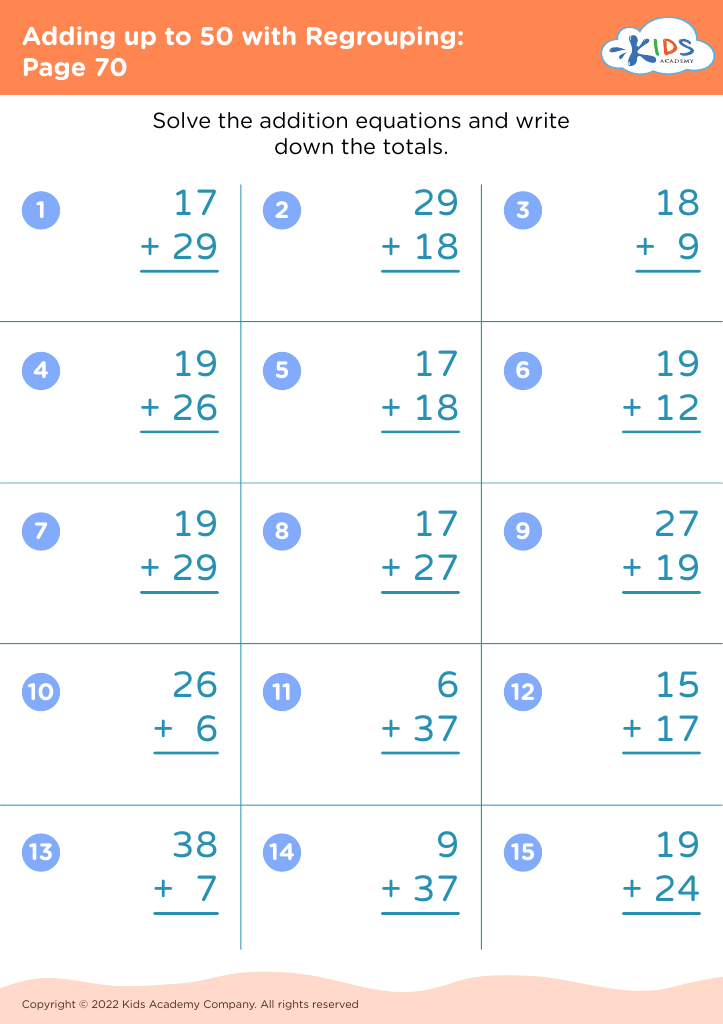
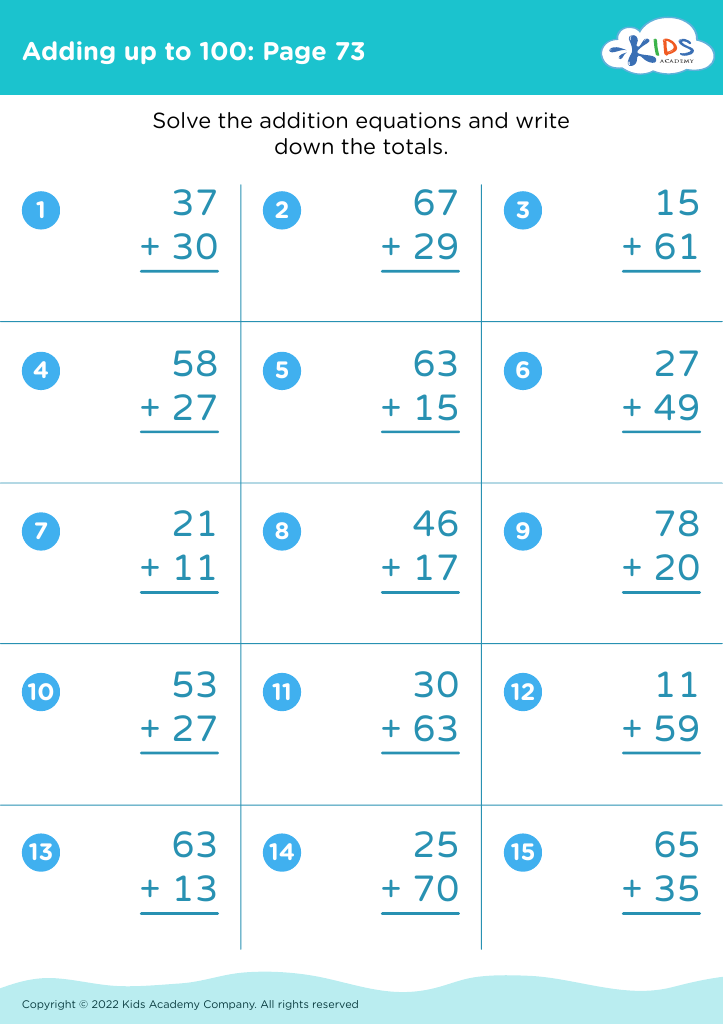
Our "Comparing Quantities Addition & Subtraction Worksheets for Ages 3-7" are designed to enhance early math skills in kids. Tailored to engage young learners, these colorful worksheets help children differentiate between quantities while practicing fundamental addition and subtraction. With activities ranging from simple comparisons to more complex equations, our worksheets cater to all learning styles. Perfect for classroom use or at-home practice, they build confidence and critical thinking in mathematics. Encourage your child to explore numbers and develop a strong foundation in math with our fun and educational worksheets. Start the journey to mathematical mastery today!
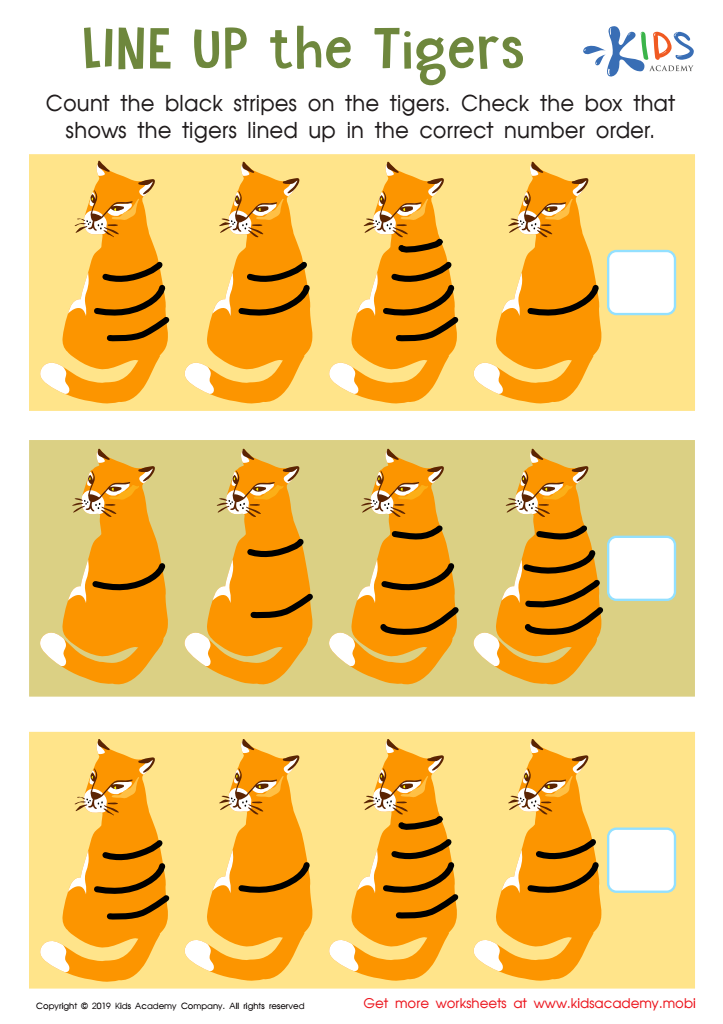
Line up the Tigers Worksheet
 Assign to My Students
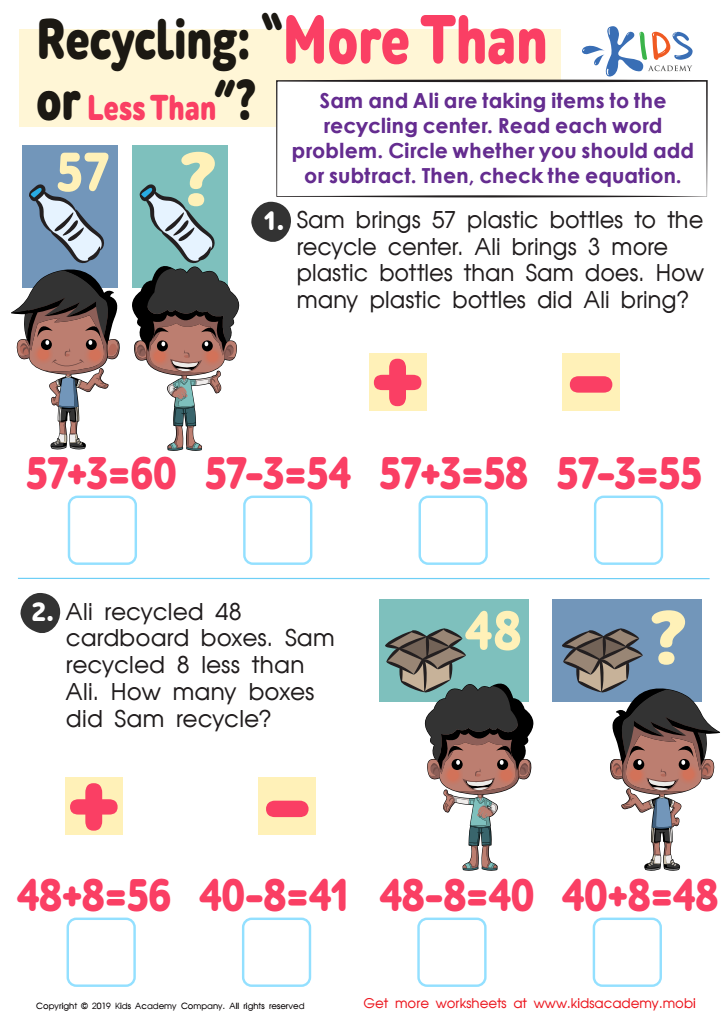
Recycling - More or Less Worksheet








Understanding basic mathematical concepts such as comparing quantities, addition, and subtraction is foundational for young children aged 3-7. Parents and teachers should prioritize these skills because they are essential for early cognitive development and future academic success.
First, comparing quantities helps children develop an intuition for numbers and numerical relationships. It forms the basis for understanding more complex math concepts and fosters critical thinking skills. Recognizing which group of objects is larger or smaller teaches children to make observations and comparisons, which are important problem-solving skills.
Addition and subtraction are crucial as they lay the groundwork for all arithmetic. Mastery in these areas can increase a child's confidence in math, making them more likely to enjoy and engage in the subject. These early operations also help children understand the concepts of increase and decrease, gain practical counting skills, and develop a sense of part-whole relationships, imperative for mathematical reasoning.
Engaging children in activities that involve comparing quantities, addition, and subtraction ensures a strong start in their educational journey. These skills are not isolated; they intertwine with other academic areas and everyday life decisions, such as sharing toys or understanding time and money. Early competence in these concepts translates to improved learning outcomes and long-term academic resilience.








