
Developing math skills Addition & Subtraction Worksheets for Ages 3-7
7 filtered results
Difficulty Level
Grade
Age
-
From - To
Subject
Activity
Standards
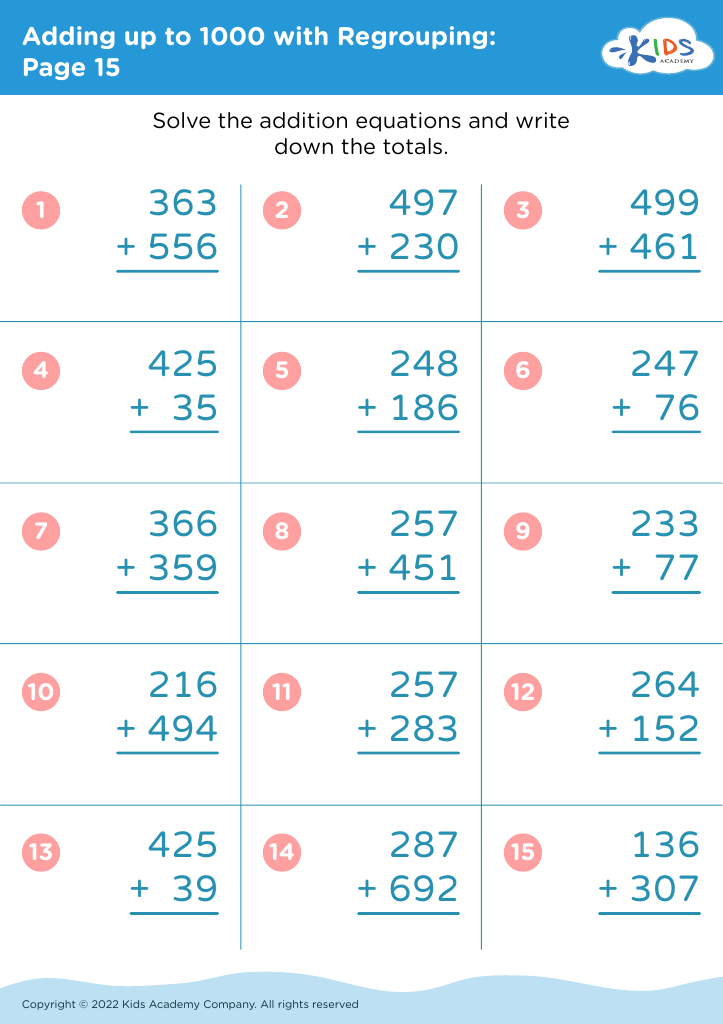
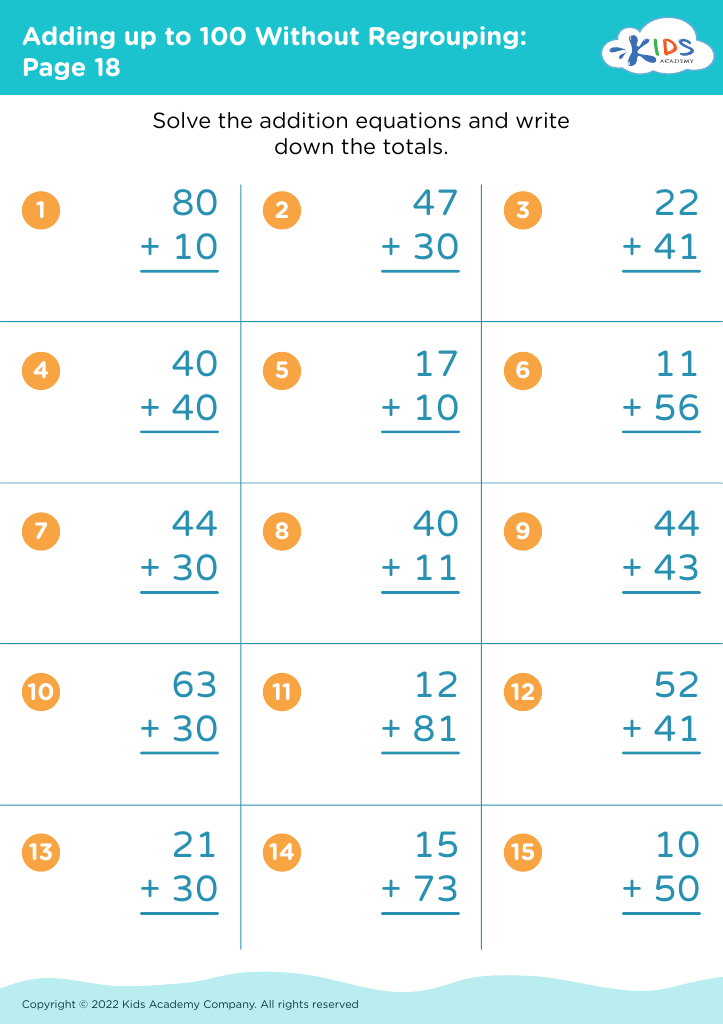
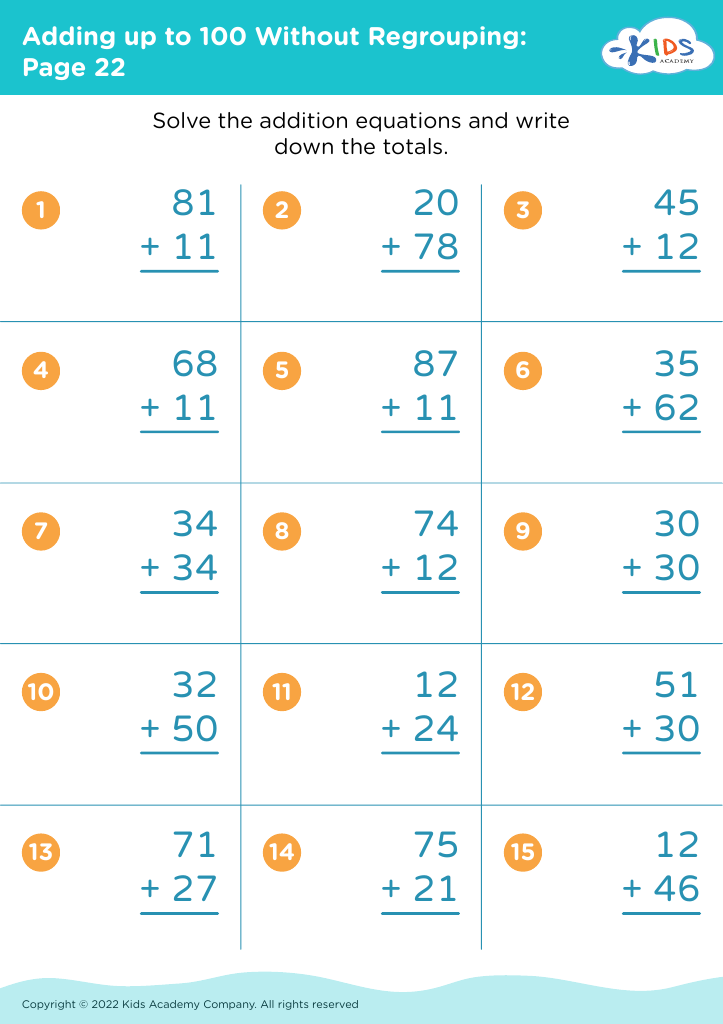
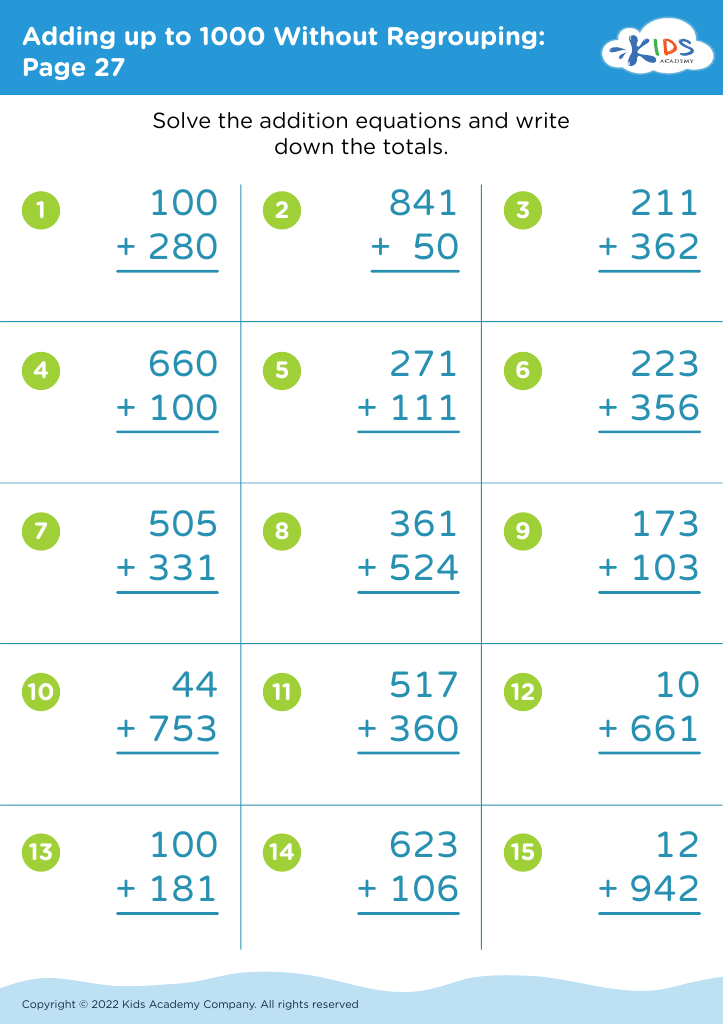
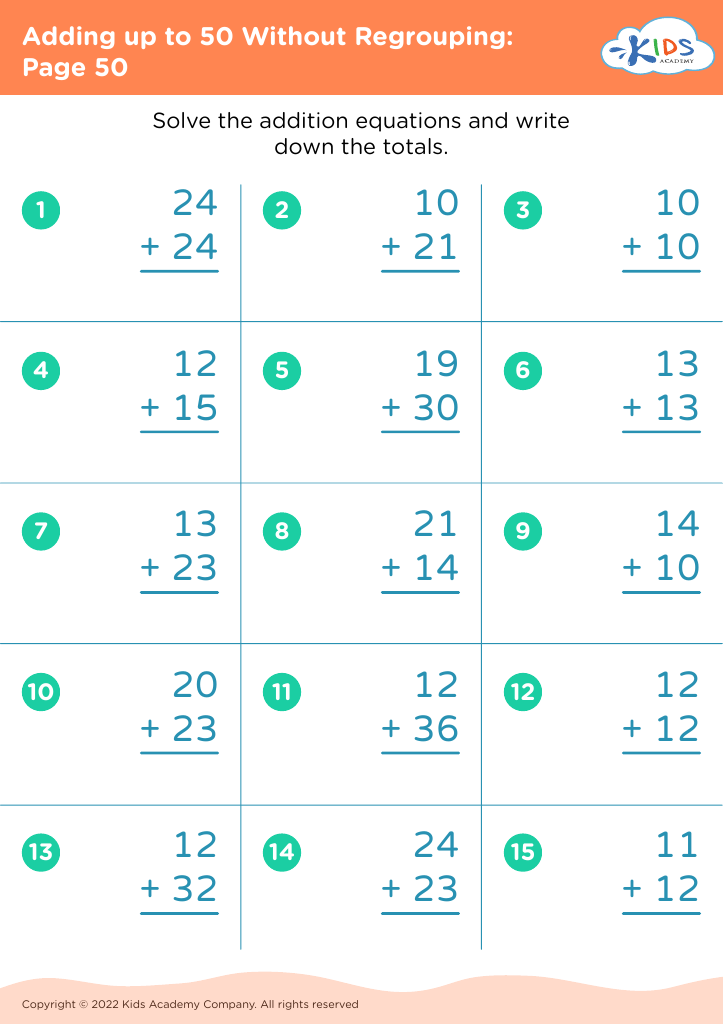
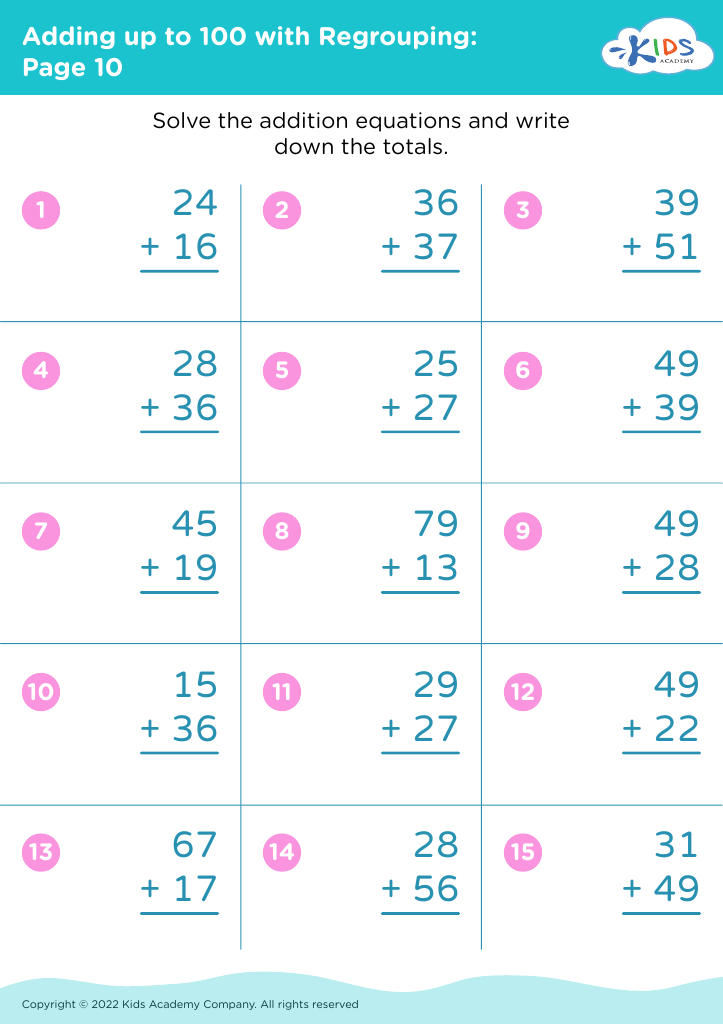
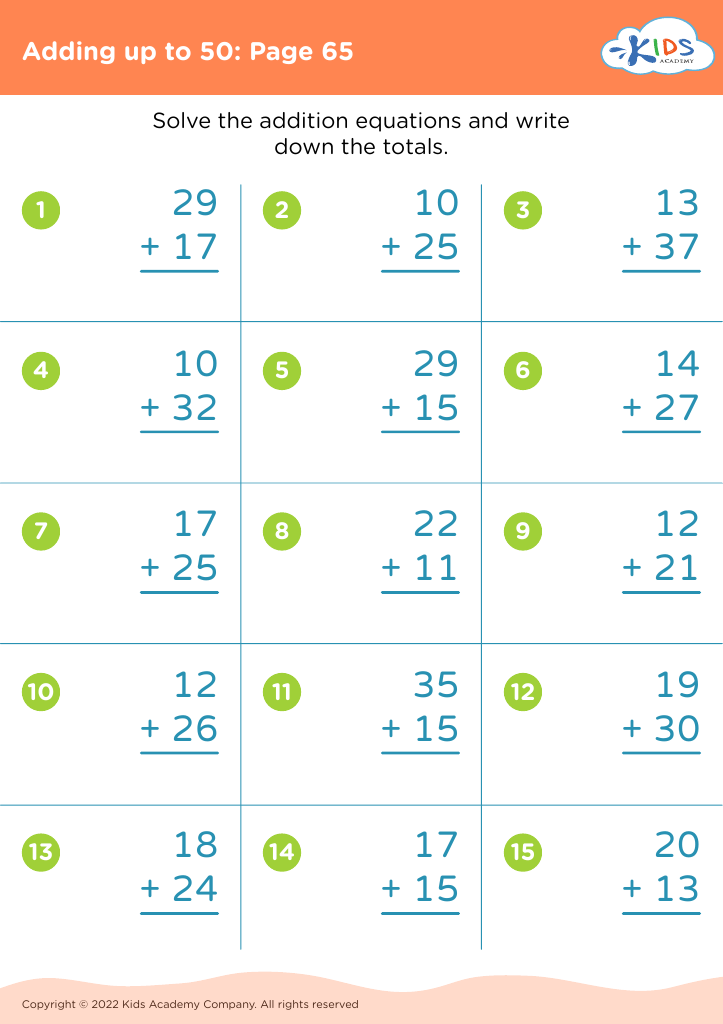
Welcome to our collection of engaging Addition and Subtraction Worksheets designed specifically for children ages 3 to 7! These worksheets aim to foster essential math skills in a fun and interactive way. Our materials are carefully crafted to introduce basic concepts of addition and subtraction, ensuring that young learners build a solid foundation in math. With colorful illustrations and age-appropriate activities, children will enjoy exploring numbers while developing their problem-solving skills. Perfect for at-home learning or classroom use, these worksheets are an excellent resource for encouraging a love of math from an early age. Start your child's math journey today!
Favorites
With answer key
Interactive
Join Kids Academy for Free
Who is primarily going to use this learning content?








Developing math skills in young children, particularly addition and subtraction for ages 3-7, is vital for their cognitive growth and future academic success. During these formative years, children build foundational skills essential for more advanced mathematics and problem-solving. Engaging in early math activities promotes critical thinking and encourages logical reasoning, fostering a growth mindset.
Additionally, early exposure to addition and subtraction enhances a child's ability to understand everyday situations involving counting and simple calculations, leading to increased confidence in their abilities. This period is crucial as children learn through play; interactive games, storytelling, and hands-on activities can make math intuitive and enjoyable.
Moreover, strong math abilities can influence performance in other subjects, as skills learned in math often overlap with reading and science, enhancing a child's overall educational experience. For parents and teachers, fostering math skills is an investment in a child's future; it cultivates resilience and perseverance when facing challenges, thereby preparing them for lifelong learning.
Ultimately, nurturing these skills early on can help prevent math anxiety later in life and ensure that children enter the educational system with a positive attitude toward math, laying the groundwork for continuous development.








