Improve reading skills Addition & Subtraction Worksheets for Ages 3-7 - Page 2
29 filtered results
-
From - To
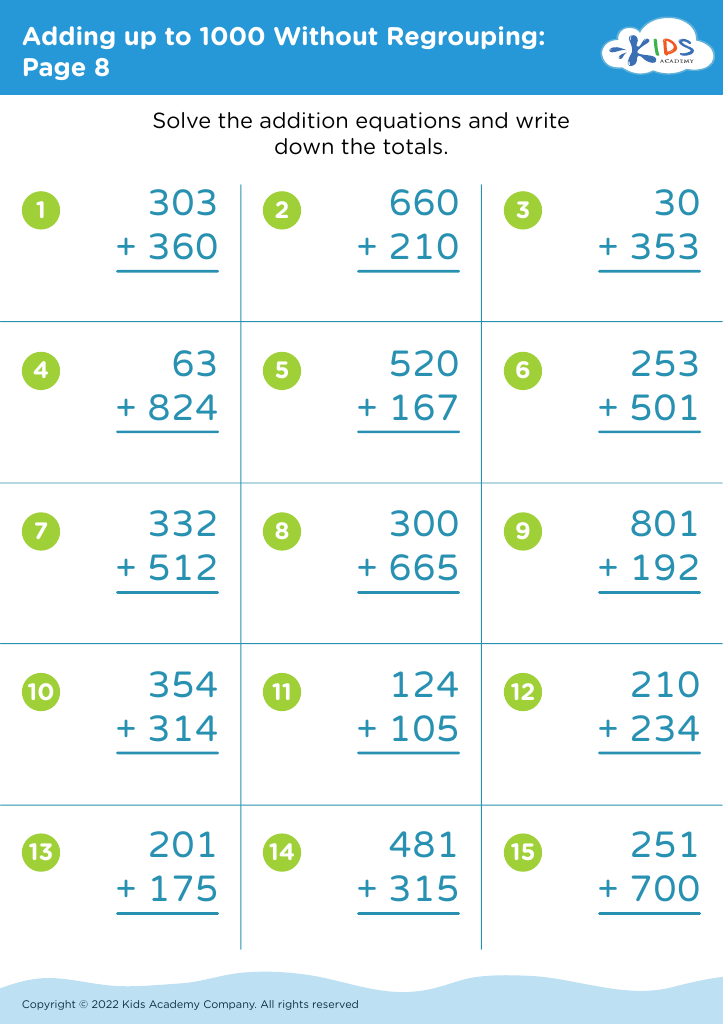
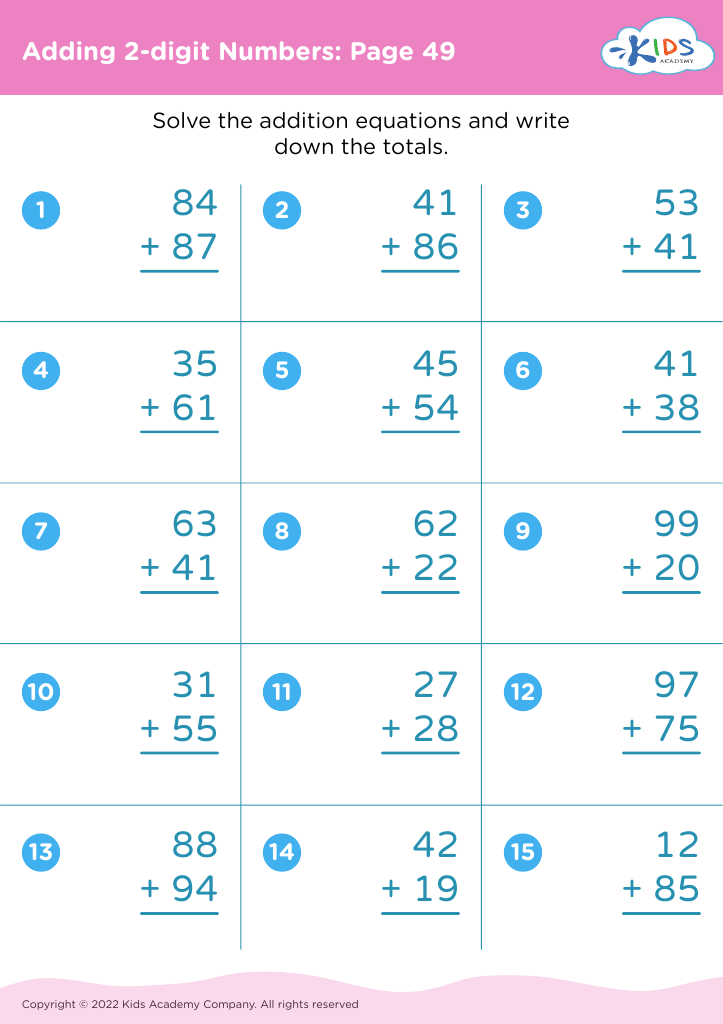
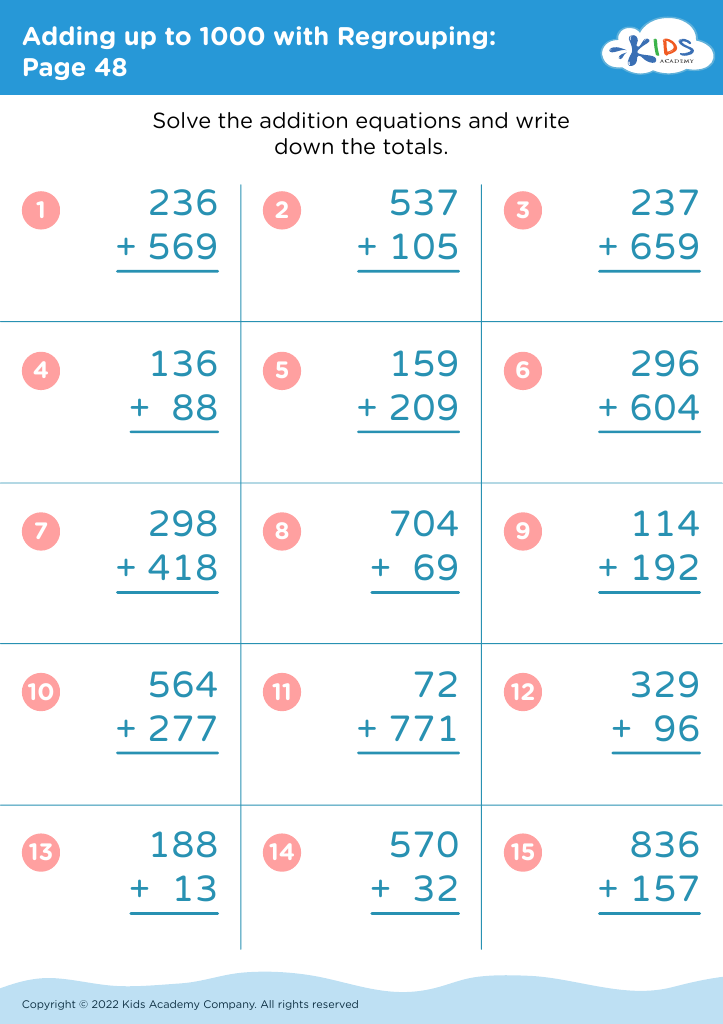
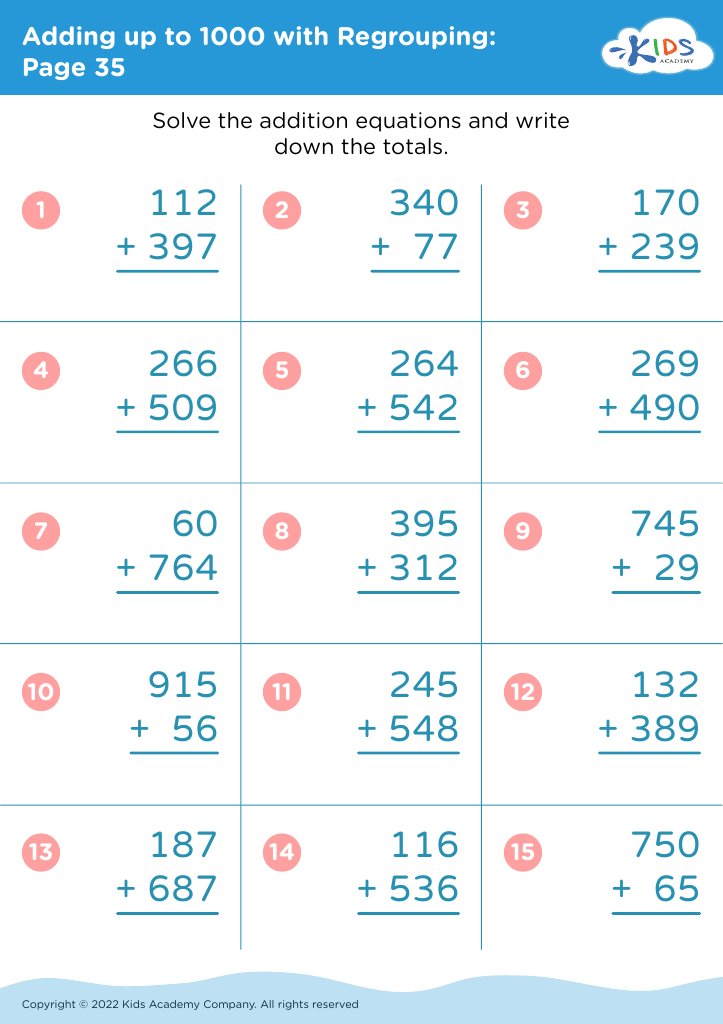
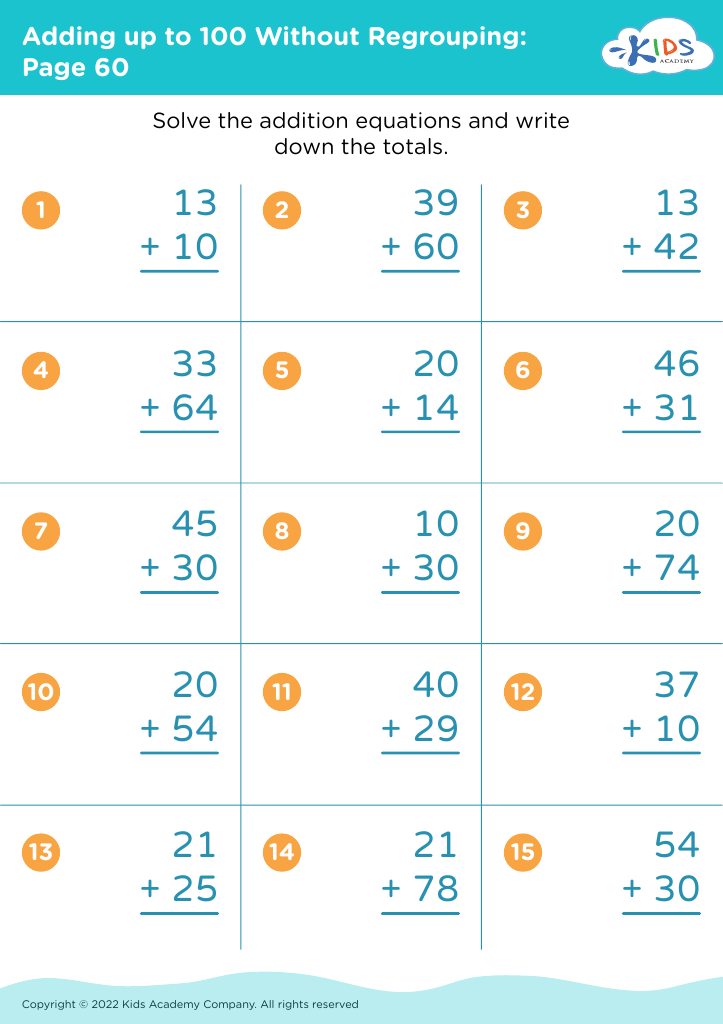








Improving reading skills and foundational arithmetic, such as addition and subtraction, is crucial for children aged 3-7 for several reasons. First, these skills form the building blocks for future academic success. Early reading supports vocabulary development, language acquisition, and comprehension, which are essential for effective communication and cognitive growth. Similarly, mastering basic math concepts ensures that children develop strong number sense, which is fundamental for more complex math operations later on.
Moreover, early proficiency in reading and math fosters a child's confidence and encourages a love for learning. This positive self-image contributes to a more engaged and motivated learner. Additionally, these skills are interconnected; strong literacy skills enable children to better understand math language and word problems, while math activities like counting can enhance reading comprehension through concept visualization.
Furthermore, collaborative learning experiences can strengthen the bond between parents and children, making educational activities more enjoyable. As such, parents and teachers should prioritize these skills, providing targeted support and engaging resources. Ultimately, equipping children with strong reading and arithmetic skills not only sets the stage for future academic achievement but also helps them navigate the world around them more effectively.








