Improving math skills Addition & Subtraction Worksheets for Ages 3-7 - Page 2
29 filtered results
-
From - To
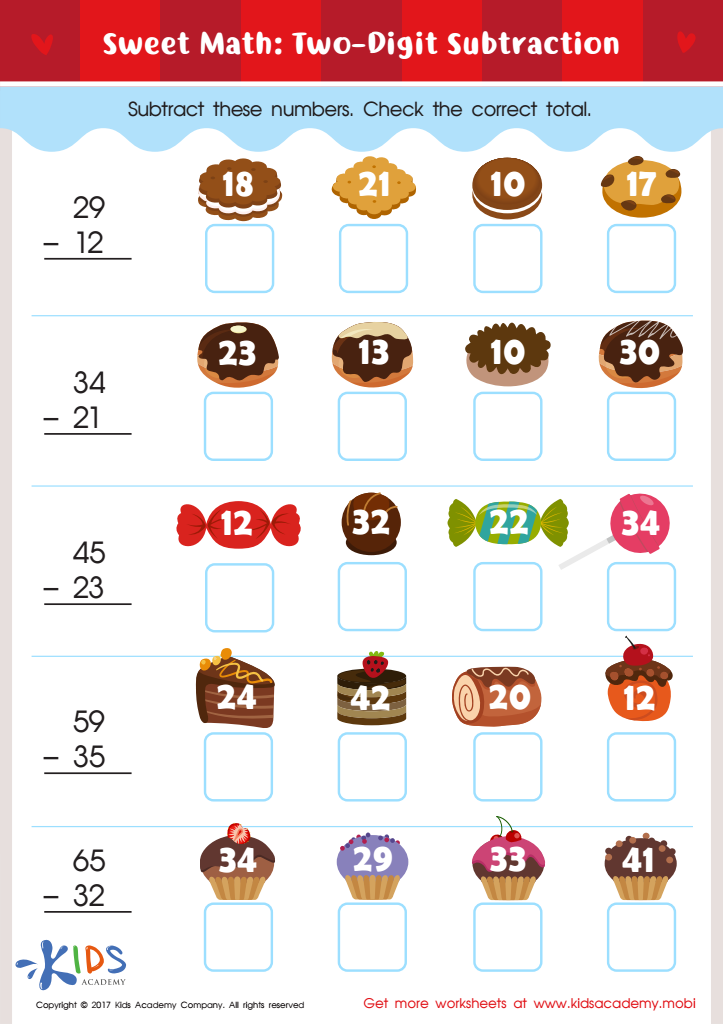
Two Digit Subtraction Worksheet
 Assign to My Students
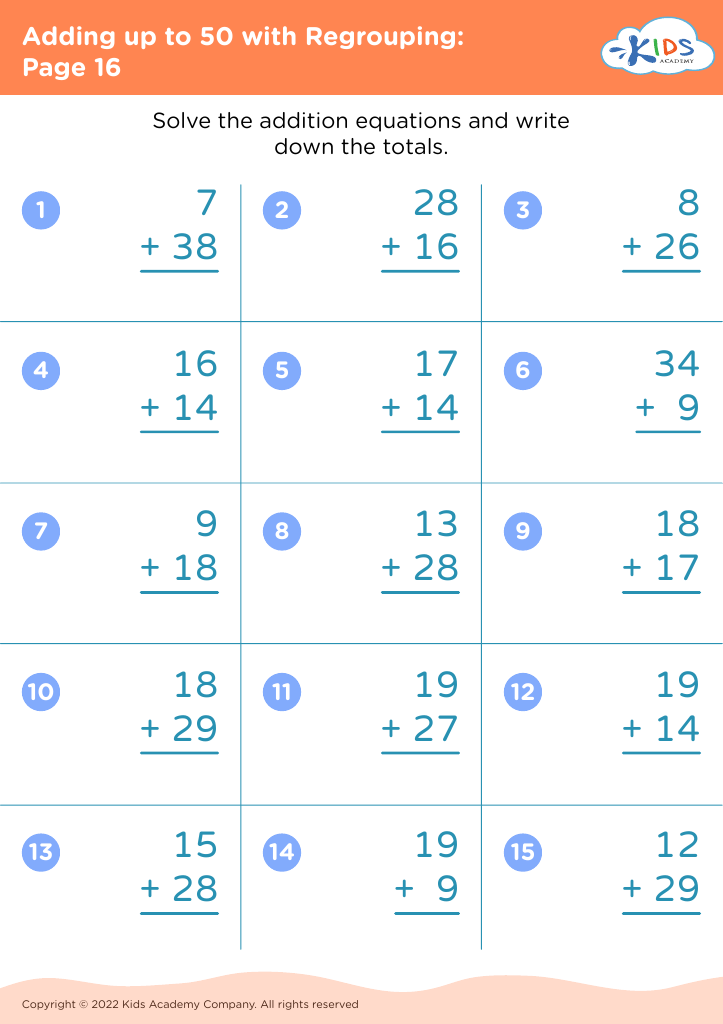
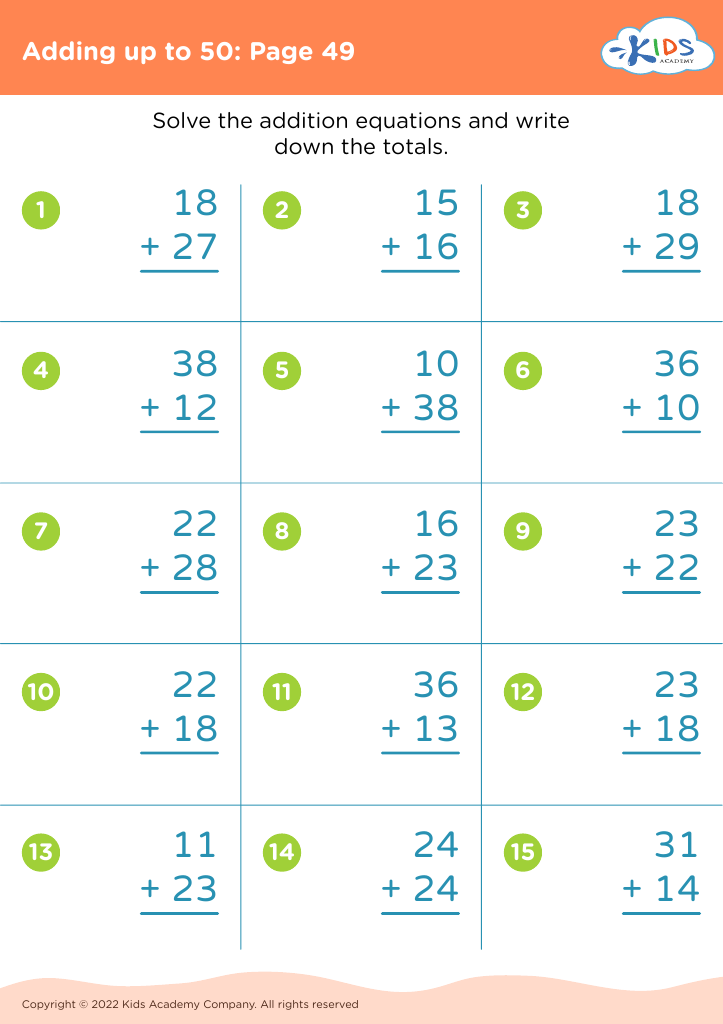
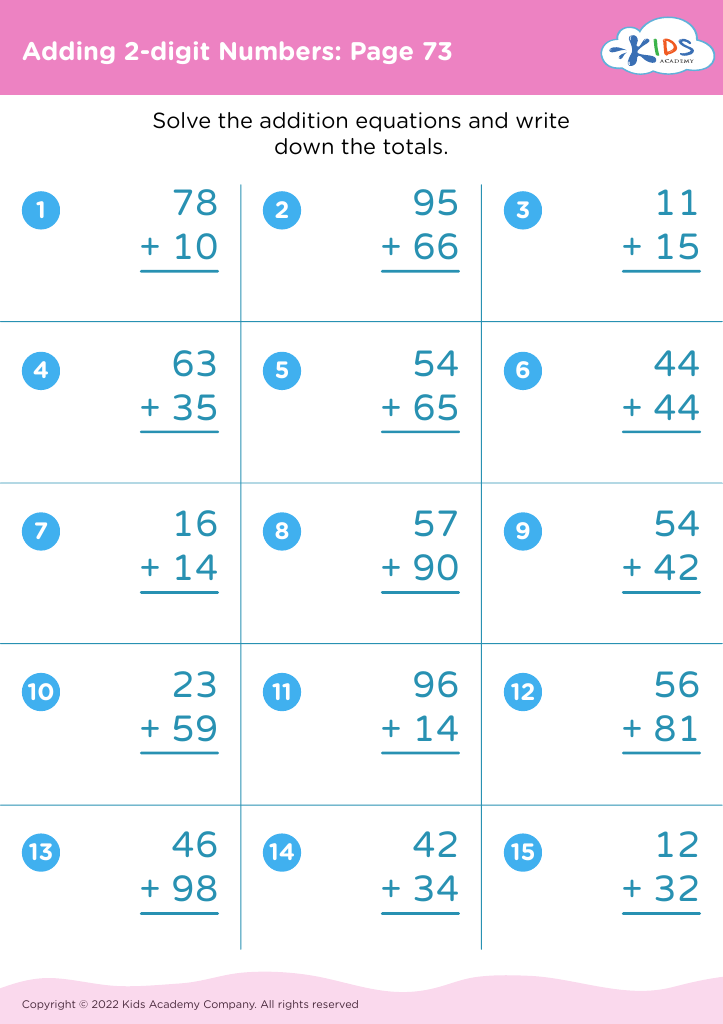
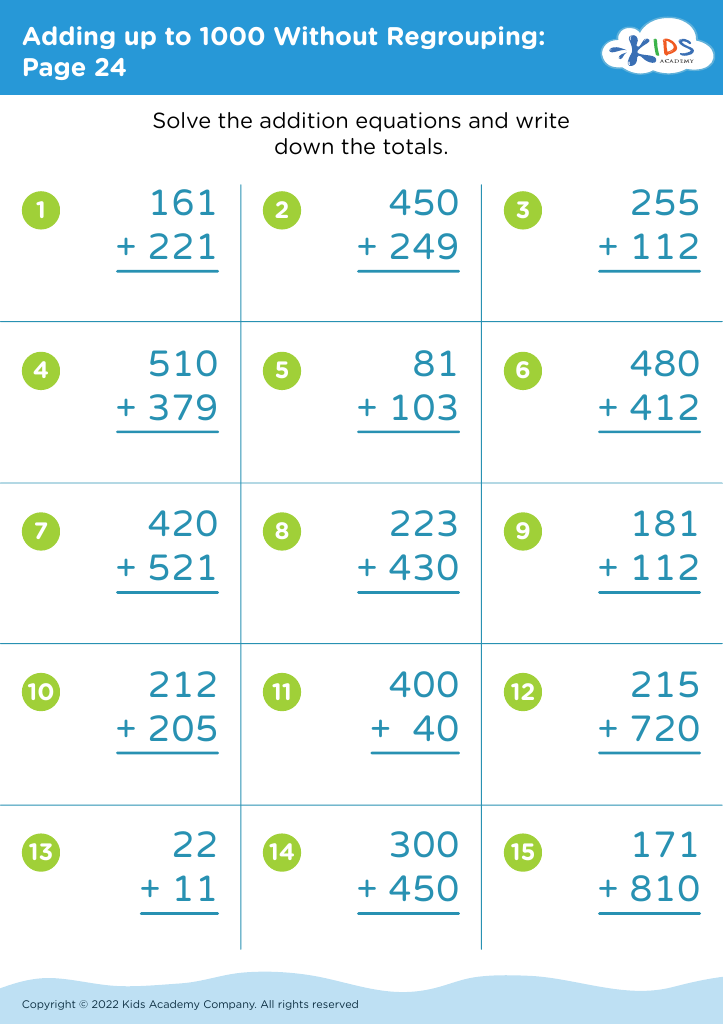



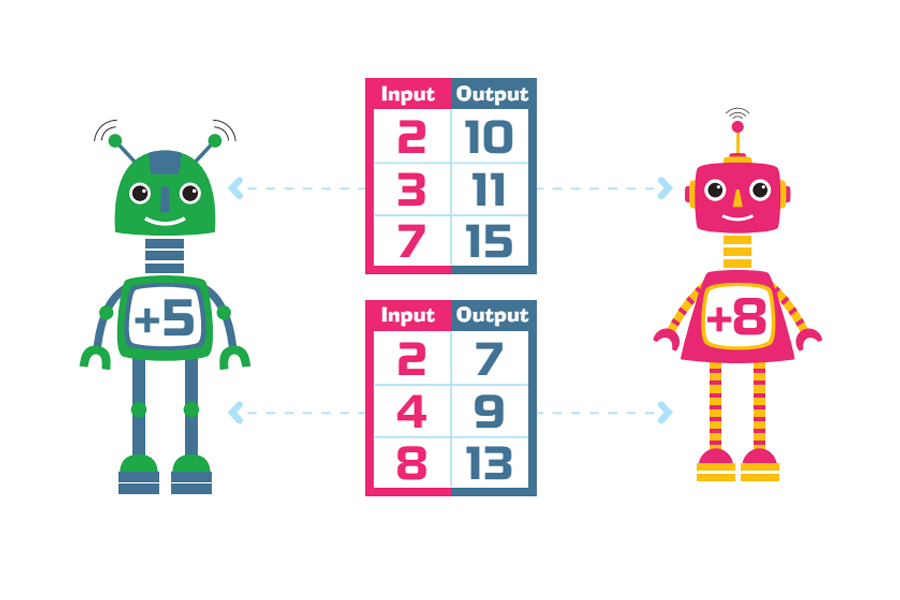




Improving math skills, specifically addition and subtraction, for children aged 3-7 is crucial for several reasons. First, foundational math skills are integral to daily life, and fostering these abilities early prepares children for real-world problem-solving. Being proficient in addition and subtraction allows young learners to handle basic tasks such as counting, measuring, and understanding time and money.
Second, early math skills are linked to later academic success. Research shows that proficiency in early math can predict future academic achievement more reliably than early reading ability. By mastering these fundamental operations, children build a solid groundwork for more complex mathematical concepts. This ensures a smoother transition to advanced arithmetic, geometry, and problem-solving in later grades.
Additionally, encouraging math skills develops critical cognitive abilities such as logical thinking, pattern recognition, and analytical skills. Through engaging with numbers, children learn to approach problems methodically and develop persistence, attention to detail, and patience.
Lastly, achieving competence in addition and subtraction boosts children's confidence and encourages a positive attitude toward learning. When children recognize their progress and success in math, it fosters a love for learning and curiosity that extends beyond mathematics, benefiting their overall educational journey. For parents and teachers, focusing on these skills is investing in a child's future cognitive, academic, and personal growth.








