Improving subtraction skills Addition & Subtraction Worksheets for Ages 3-7
3 filtered results
-
From - To
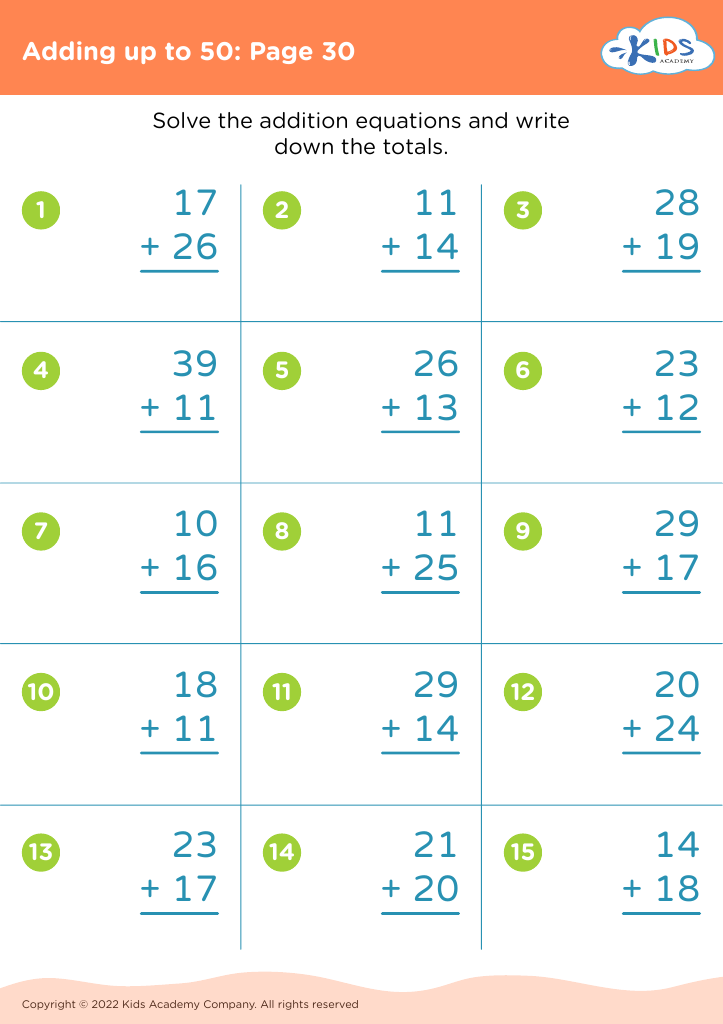
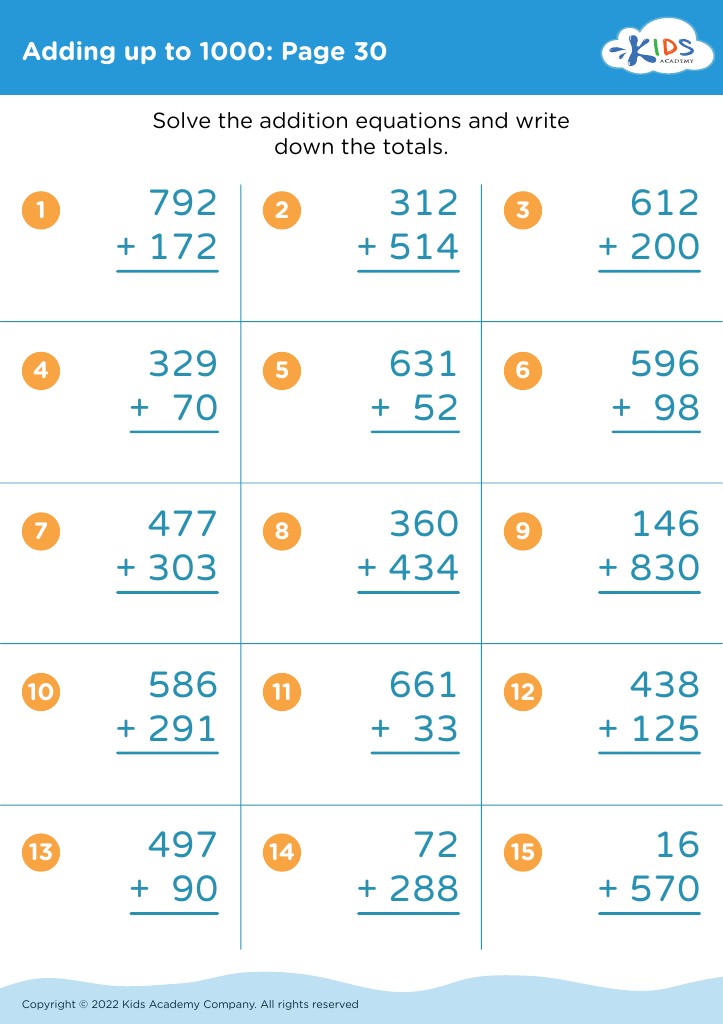
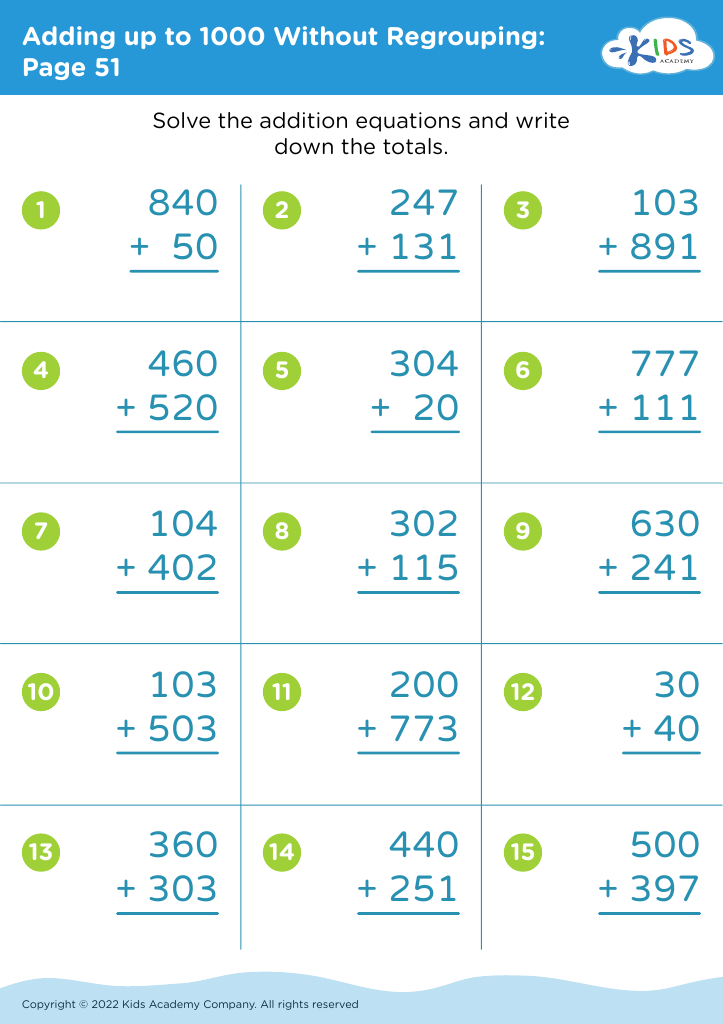
Boost your child's subtraction abilities with our engaging Addition & Subtraction Worksheets designed for ages 3-7! Perfect for young learners, these worksheets provide a fun and interactive way to improve foundational math skills. Through visually stimulating exercises and playful formats, children will develop a strong understanding of subtraction concepts at their own pace. Whether at home or in the classroom, our user-friendly resources ensure that learning remains enjoyable and effective. Start your child's mathematical journey today and watch their confidence grow as they master subtraction with ease! Explore our collection to find the right activities to fit your needs!








Improving subtraction skills in children aged 3-7 is crucial because this foundational math concept significantly impacts their overall academic development. During these early years, children are like sponges, absorbing information and building essential cognitive skills. Proficient subtraction abilities not only foster arithmetic understanding but also enhance problem-solving skills, critical thinking, and spatial awareness.
Moreover, understanding subtraction sets the stage for more complex mathematical concepts, allowing children to progress confidently to addition, multiplication, and division. Early mastery of subtraction also helps instill a positive attitude towards math, reducing anxiety around the subject as they grow older.
As children practice subtraction, they develop patience, persistence, and a growth mindset, essential traits for lifelong learning. Engaging in subtraction activities can spur the joys of learning, turning complex problems into interactive games. Teachers and parents can support this development by providing resources, tools, and engaging activities that make learning subtraction enjoyable and relatable.
In essence, prioritizing the enhancement of subtraction skills at a young age cultivates a solid foundation for future learning, promotes critical thinking, and ensures children feel capable and confident as they navigate their academic journeys.








