
Letter recognition Addition & Subtraction Worksheets for Ages 3-7
3 filtered results
Difficulty Level
Grade
Age
-
From - To
Subject
Activity
Standards
Introducing our delightful Letter Recognition Addition & Subtraction Worksheets designed for ages 3-7! These engaging worksheets combine early math skills with essential letter recognition practice, making learning fun and comprehensive. Perfect for young learners, these activities help children master adding and subtracting basics while reinforcing their ABCs. Crafted to foster foundational learning skills, the vibrant and interactive exercises keep kids stimulated and eager to learn. Our worksheets are ideal for parents, teachers, and caregivers aiming to support early education seamlessly. Start the journey to academic success with our unique blend of math and literacy!
Favorites
With answer key
Interactive
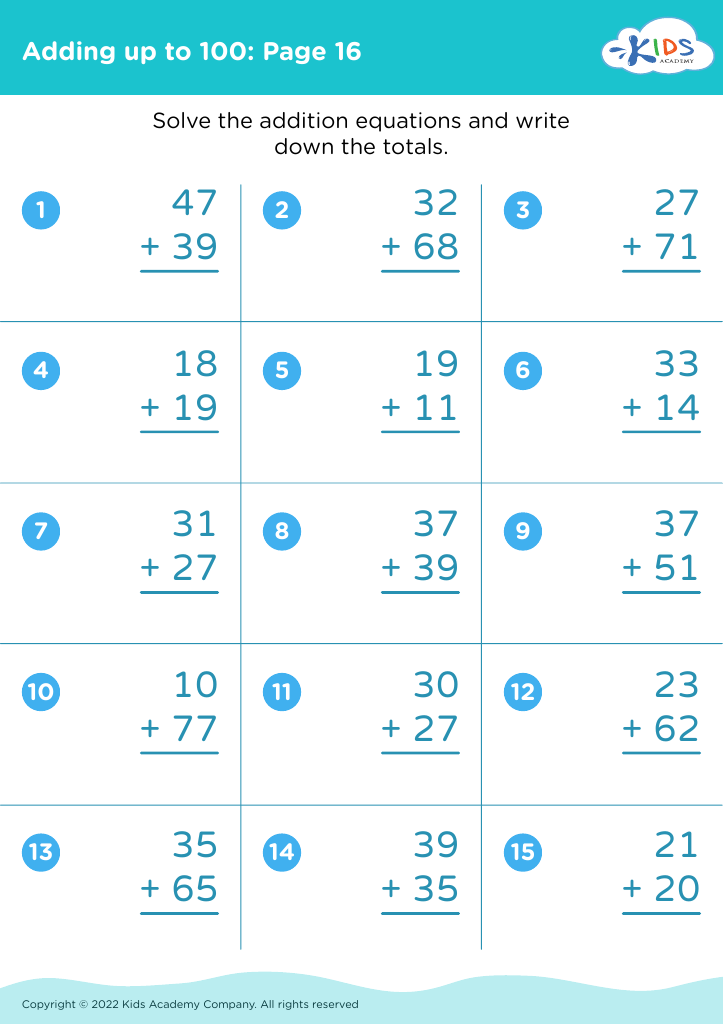
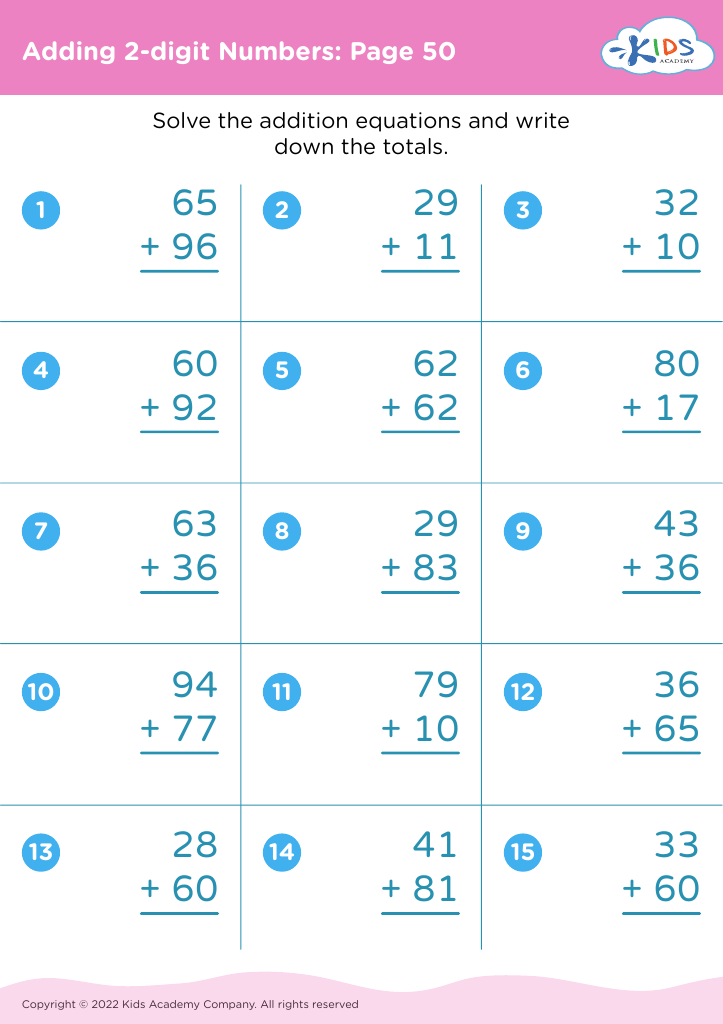
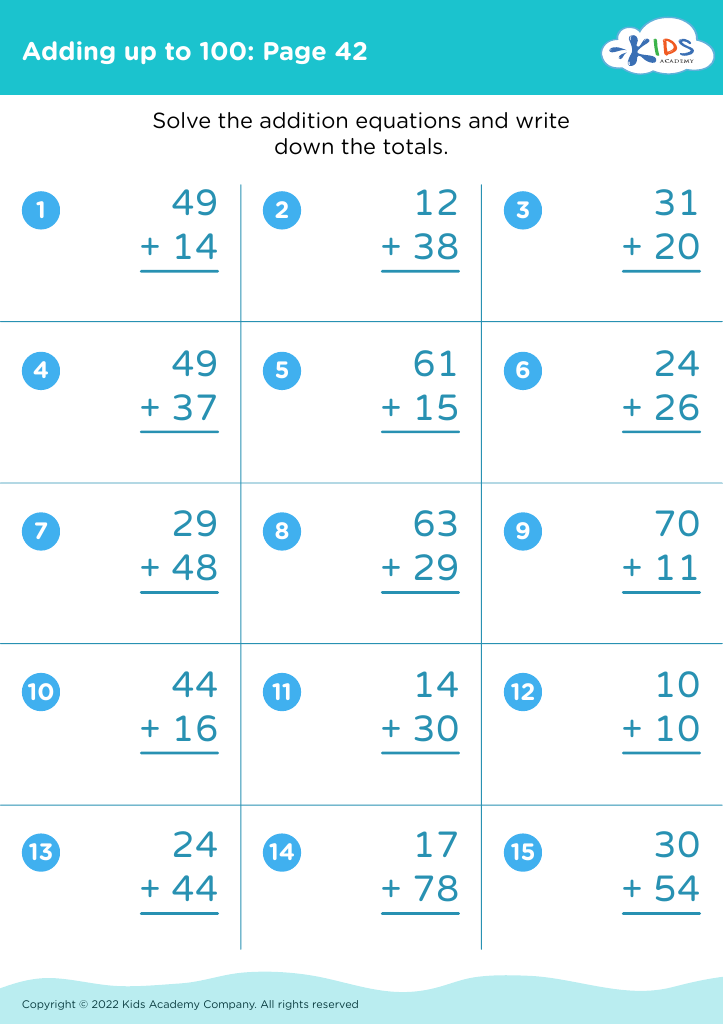
Join Kids Academy for Free
Who is primarily going to use this learning content?








Parents and teachers should prioritize letter recognition and understanding of basic addition and subtraction for children ages 3-7 as they lay the cornerstone for further academic and life skills. At this developmental stage, children's brains are highly adaptable and primed for learning foundational concepts that pave the way for literacy and numeracy proficiency.
Letter recognition is crucial as it is the first step towards reading and writing. Recognizing letters and understanding their sounds helps children begin phonemic awareness, which is essential in blending sounds to form words. Early reading skills significantly impact future academic success and instill a lifelong love for learning.
Similarly, grasping basic addition and subtraction is vital for building mathematical thinking. These operations help children understand the relationship between numbers and develop problem-solving skills. Early exposure to these concepts also promotes logical thinking, reasoning, and the ability to handle more complex math problems as they advance in their education.
By investing time and resources into teaching these skills, parents and teachers empower children to gain confidence, academic competence, and a positive attitude toward learning that will benefit them throughout their educational journey and beyond.








