Logical thinking development Addition & Subtraction Worksheets for Ages 3-7
9 filtered results
-
From - To
Enhance your child's logical thinking skills with our Addition and Subtraction worksheets, specially designed for ages 3-7. These engaging worksheets combine fun and learning, empowering young learners to develop essential math skills while boosting their reasoning abilities. With colorful illustrations and age-appropriate exercises, children will enjoy practicing basic addition and subtraction concepts, fostering critical thinking and problem-solving strategies. Perfect for a home or classroom setting, our worksheets make learning math playful and effective. Explore our collection today and support your child's educational journey by building a strong foundation in logical thinking through enjoyable math practice!
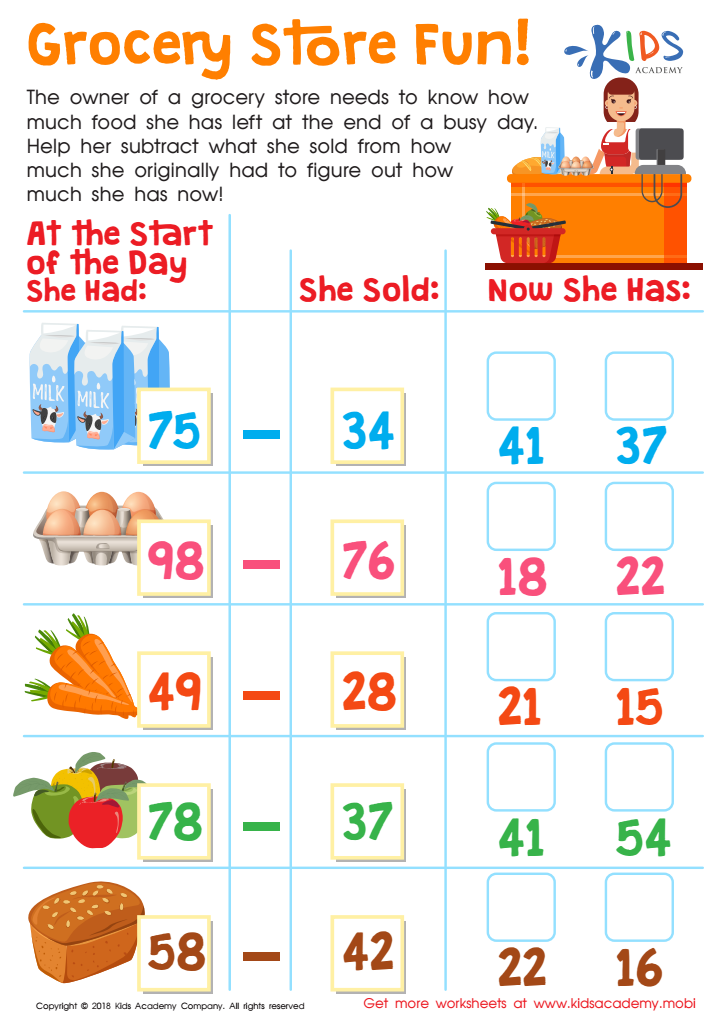
Grocery Store Fun! Worksheet
 Assign to My Students
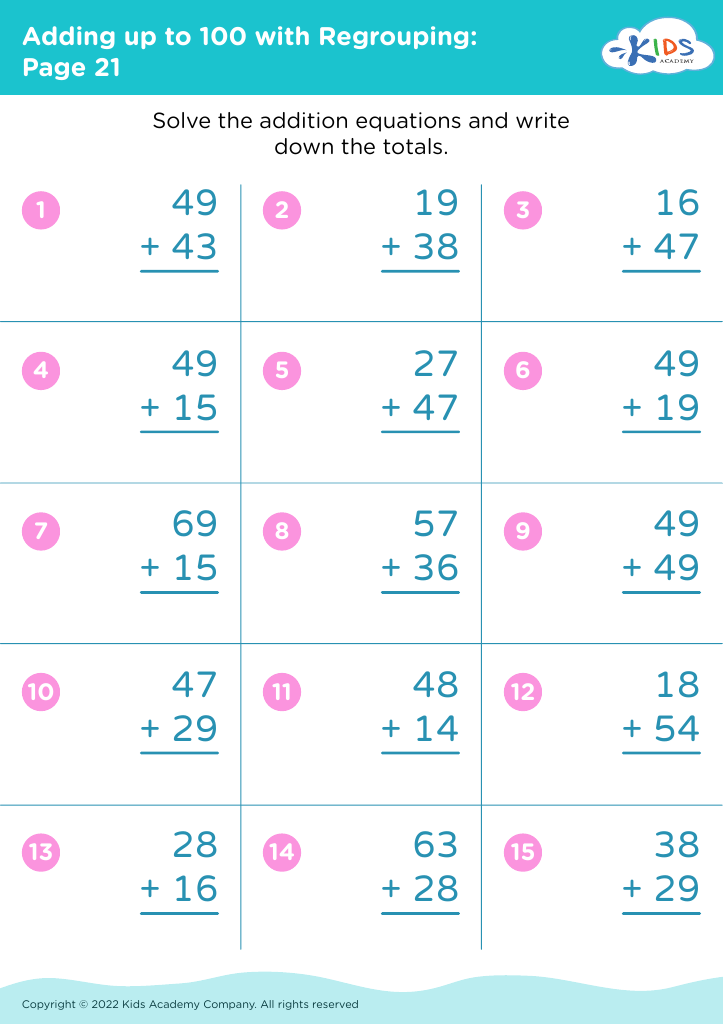
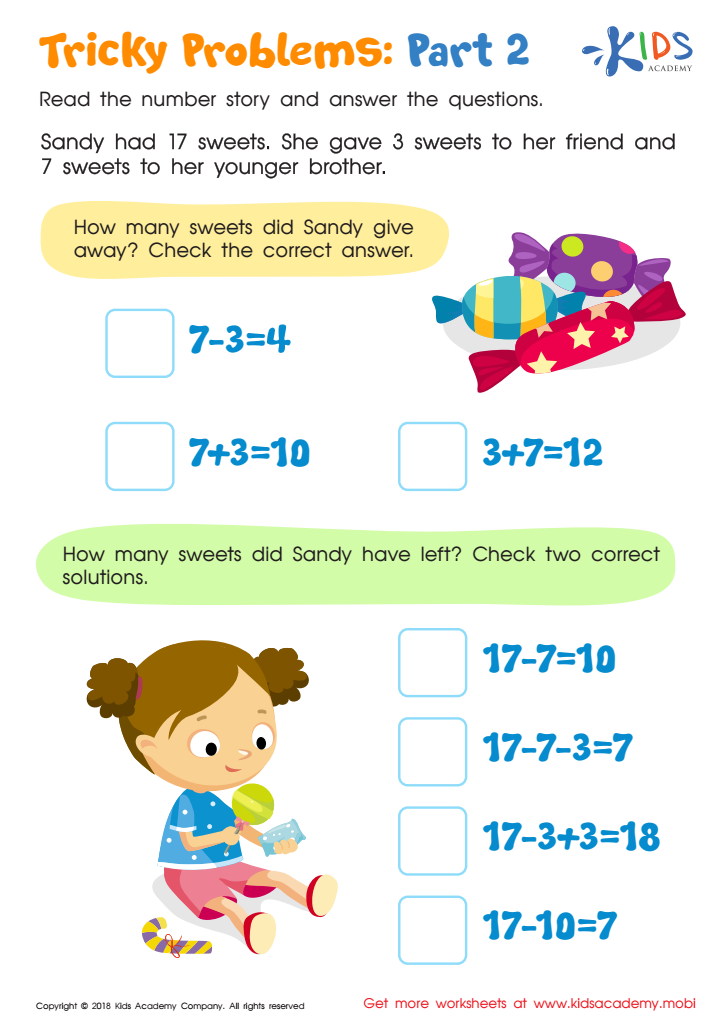
Tricky Problems Worksheet: Part 2
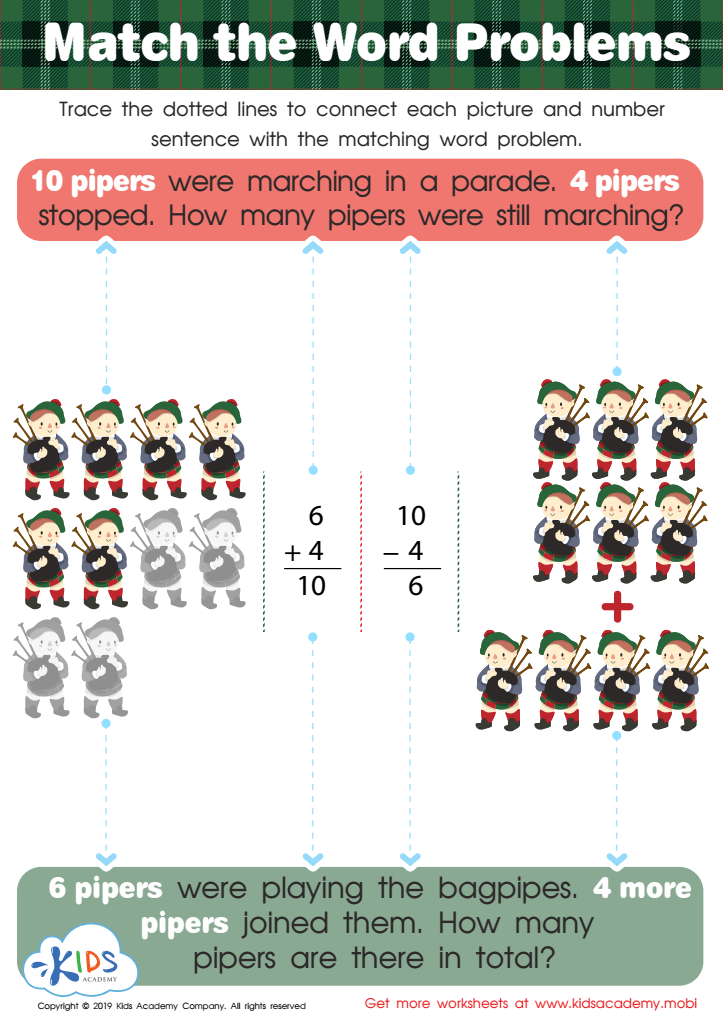
Match the Word Problems Worksheet
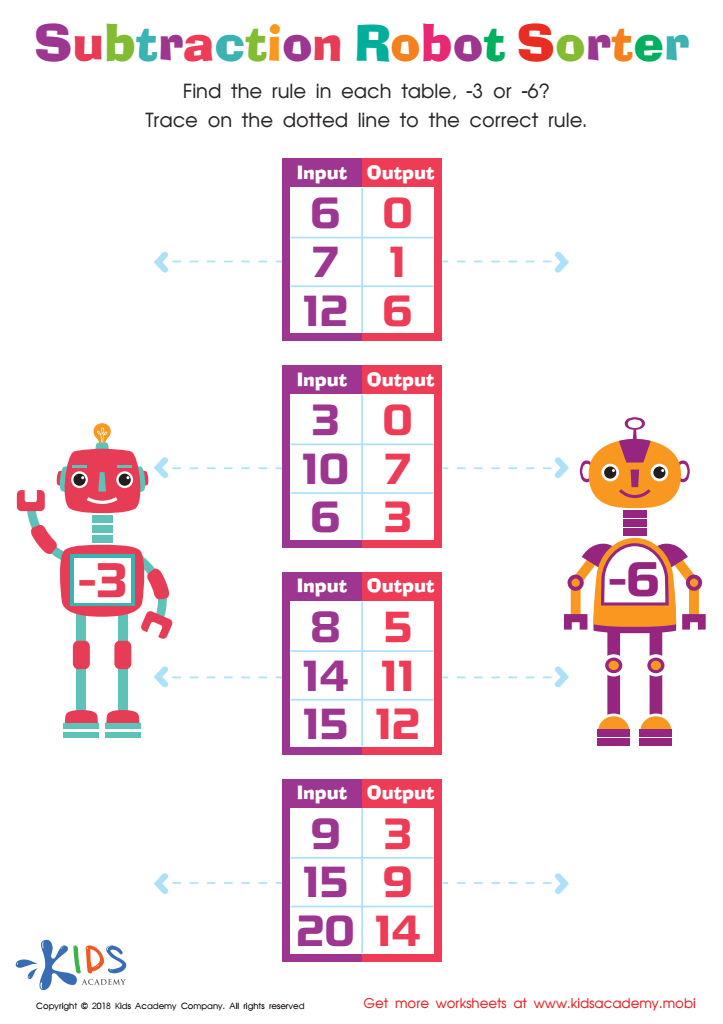
Subtraction Robot Sorter Worksheet
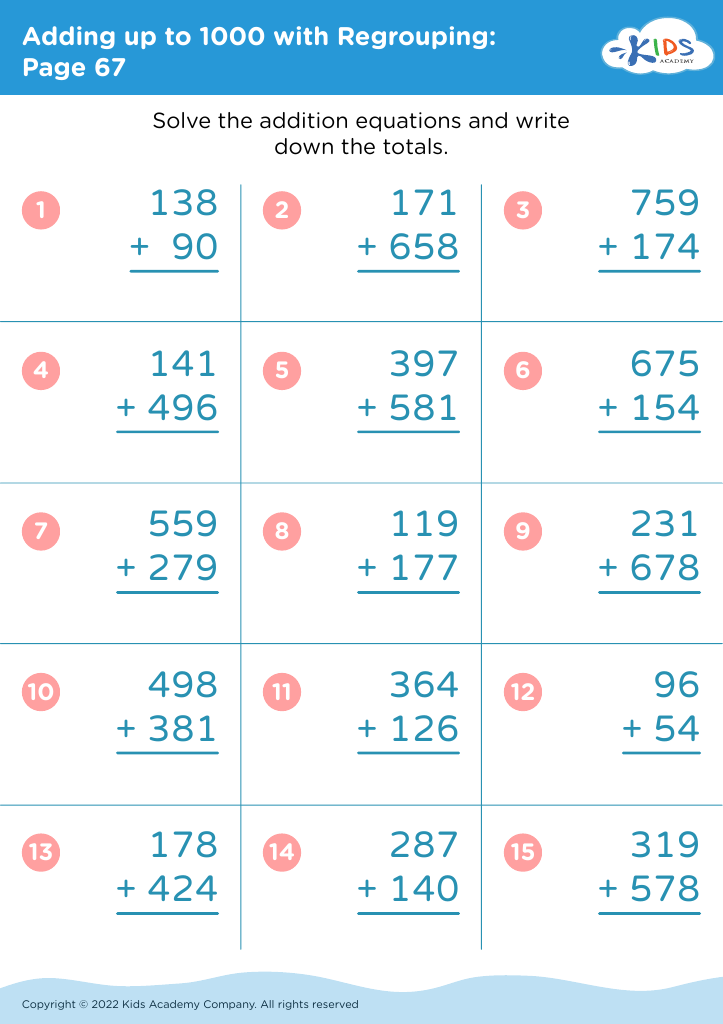
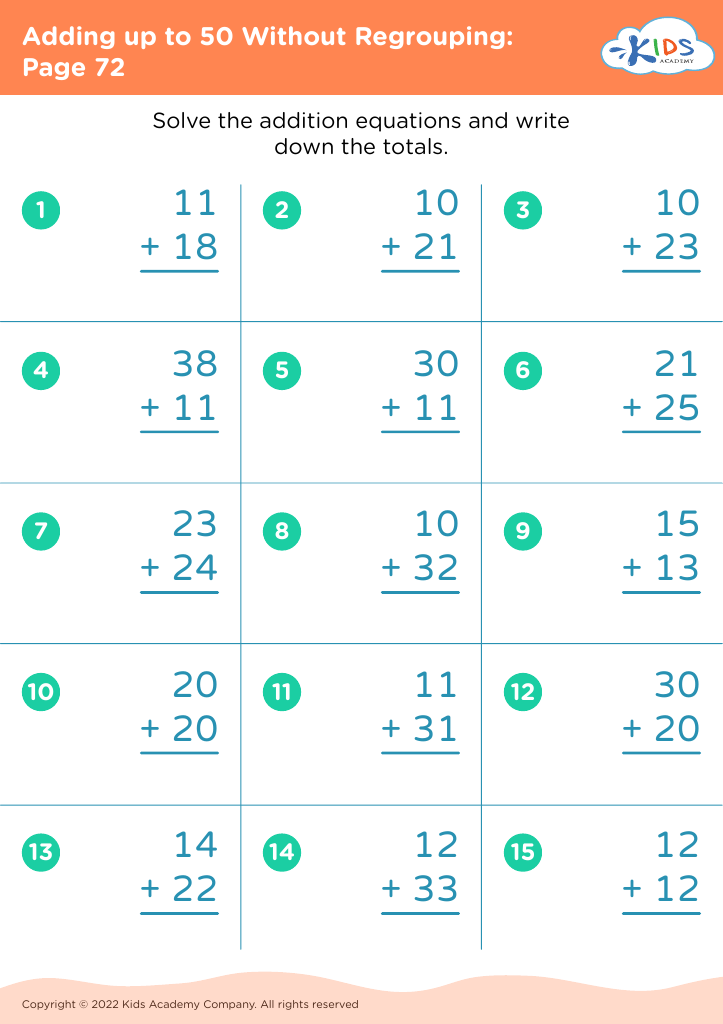
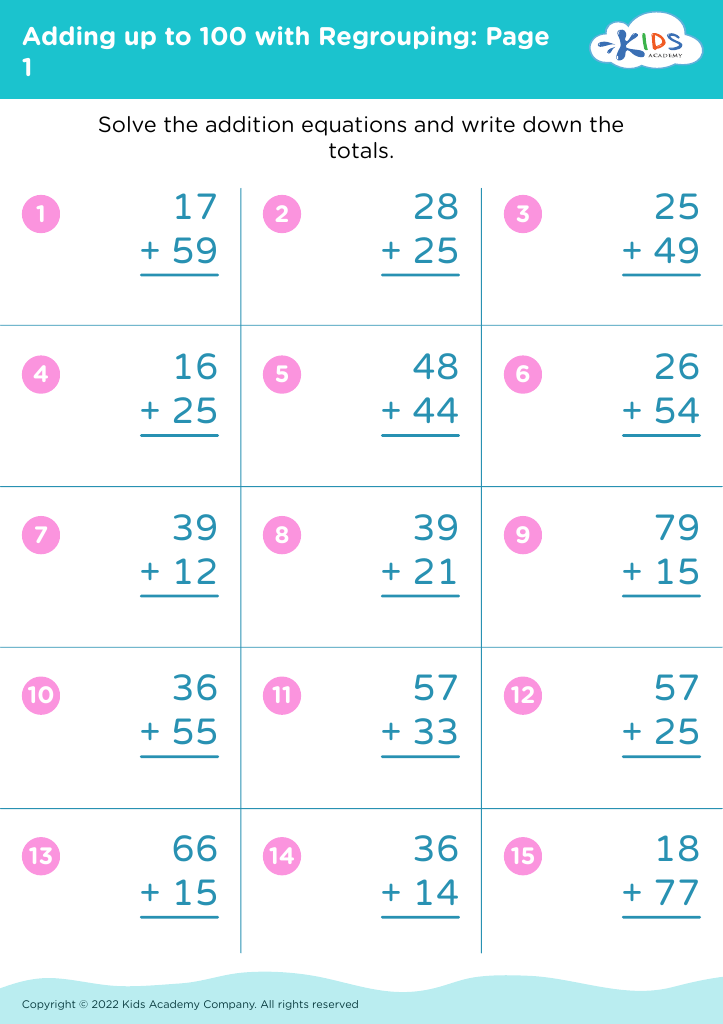
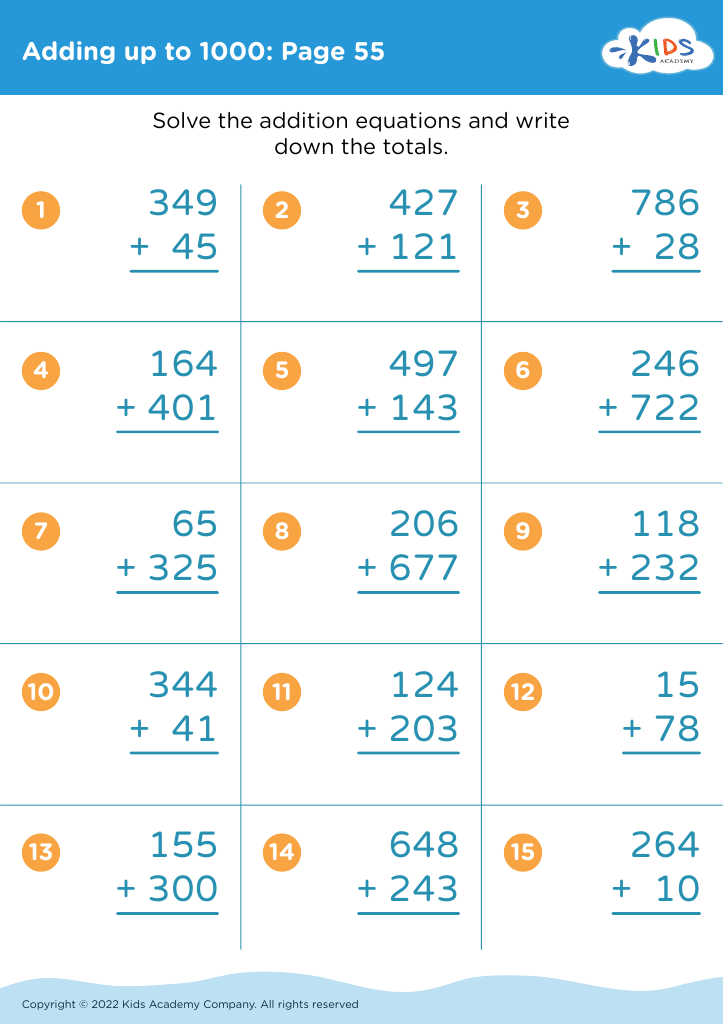








Logical thinking development in addition and subtraction for children ages 3-7 is essential as it lays the foundation for their mathematical understanding and problem-solving skills. During this critical period, children's cognitive abilities are rapidly evolving; fostering logical thinking helps them learn to organize thoughts, recognize patterns, and make connections between concepts.
Teaching addition and subtraction encourages children to think critically as they explore relationships between numbers. When they engage in these activities, they develop better reasoning skills, enabling them to tackle more complex mathematical problems later in life. Furthermore, early exposure to addition and subtraction fosters cognitive flexibility, which is vital for adapting approaches to different challenges.
Parents and teachers play a pivotal role in encouraging this development by incorporating practical activities and engaging games that make math enjoyable. Positive early experiences in mathematics can enhance children’s attitudes towards learning and create a lifelong love for the subject.
Additionally, logical thinking skills gained through addition and subtraction extend beyond academics. They empower children in their everyday lives, enabling them to make informed decisions and navigate various life situations. In sum, nurturing logical thinking in young learners is foundational for both academic success and everyday problem-solving capabilities.








