Motor skills development Addition & Subtraction Worksheets for Ages 3-7
5 filtered results
-
From - To
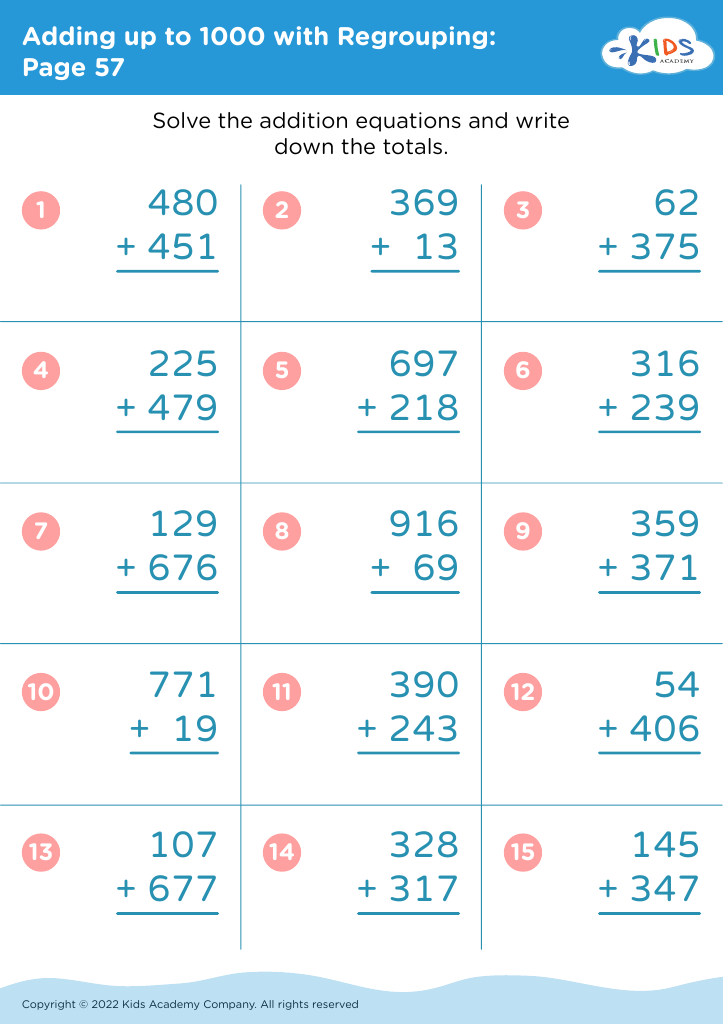
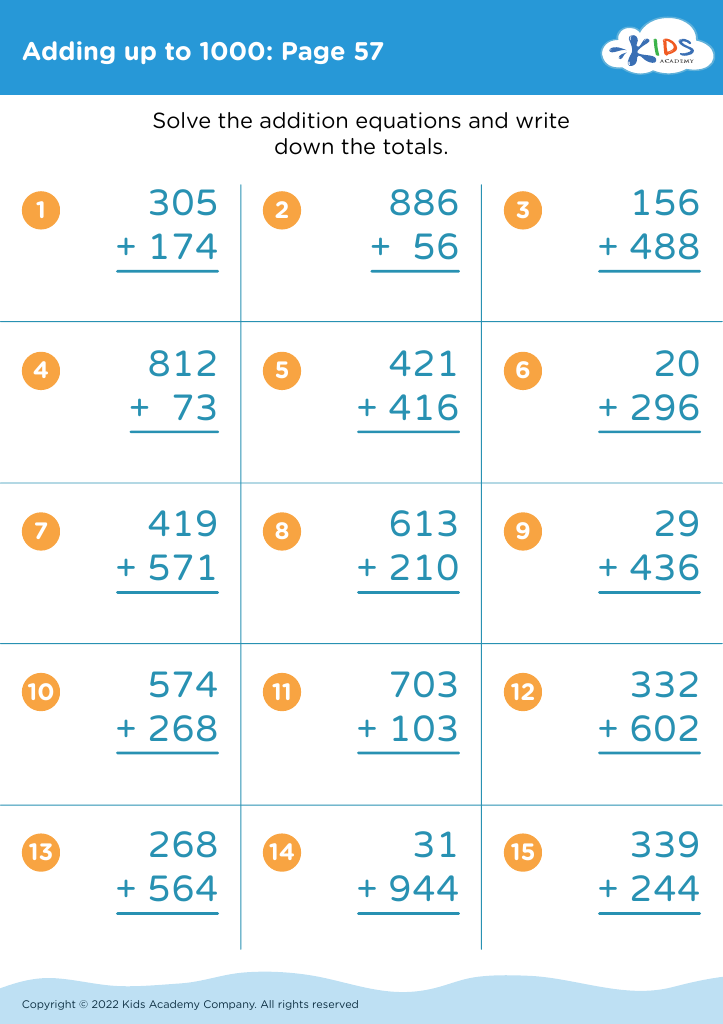
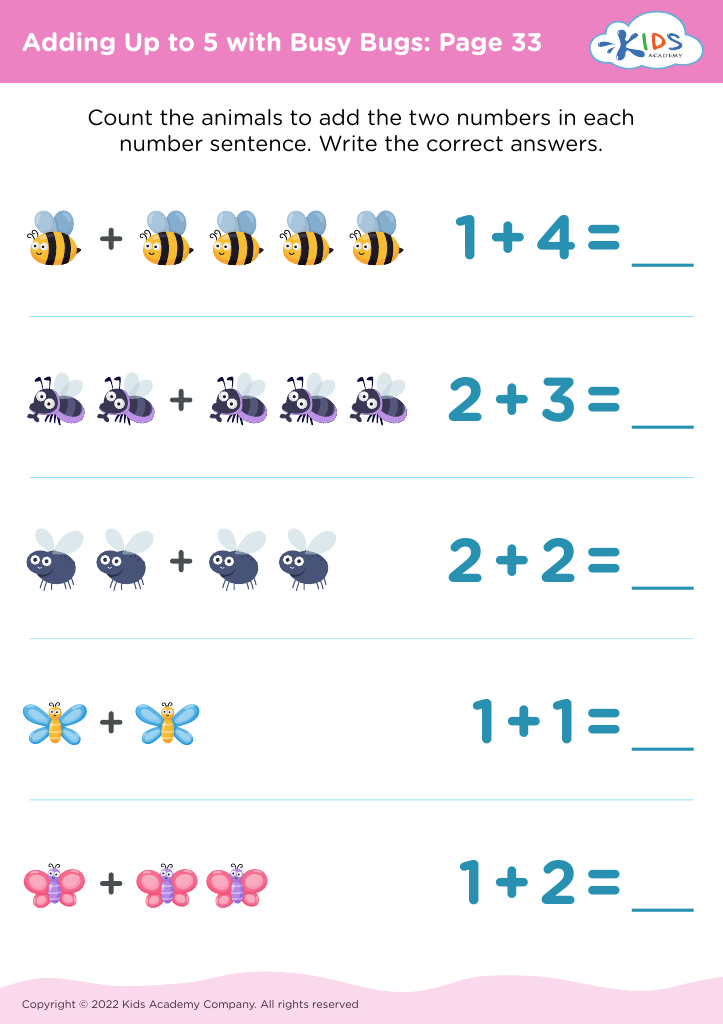
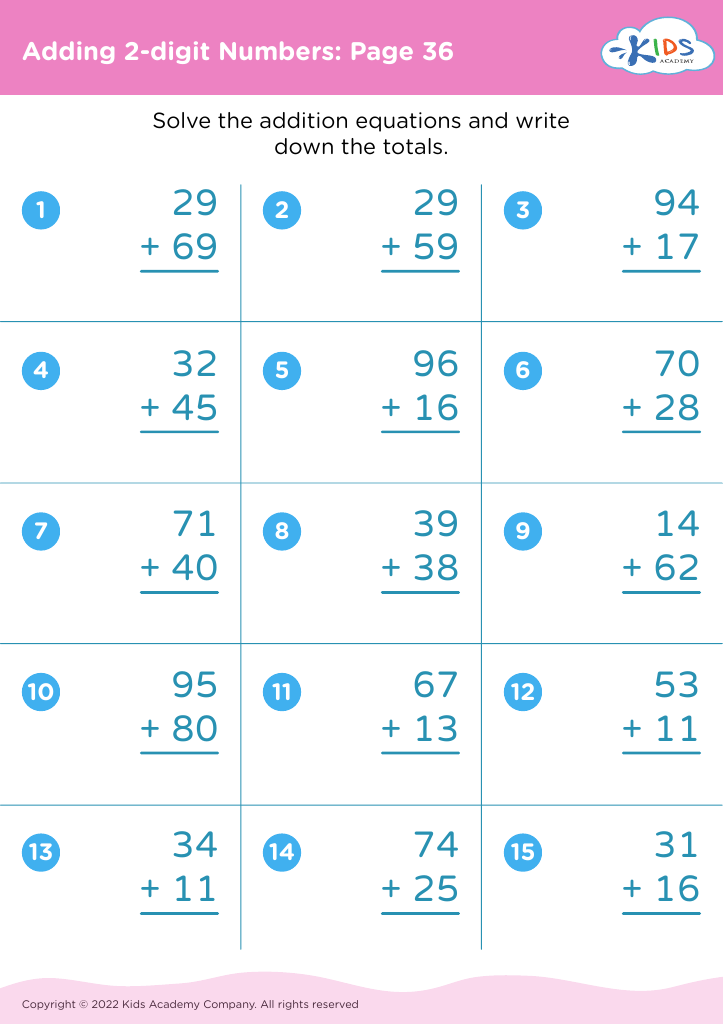
Discover our engaging Motor Skills Development addition and subtraction worksheets, specially designed for children ages 3 to 7. These interactive resources combine foundational math concepts with essential fine motor skill activities, ensuring young learners build coordination while grasping addition and subtraction fundamentals. Each worksheet promotes hand-eye coordination through activities like tracing, drawing, and puzzles, providing a fun and effective way to enhance learning. Perfect for both home and classroom use, our worksheets support early mathematical understanding while fostering essential motor skills development. Empower your child's educational journey with our carefully crafted resources and watch them thrive in math and coordination!
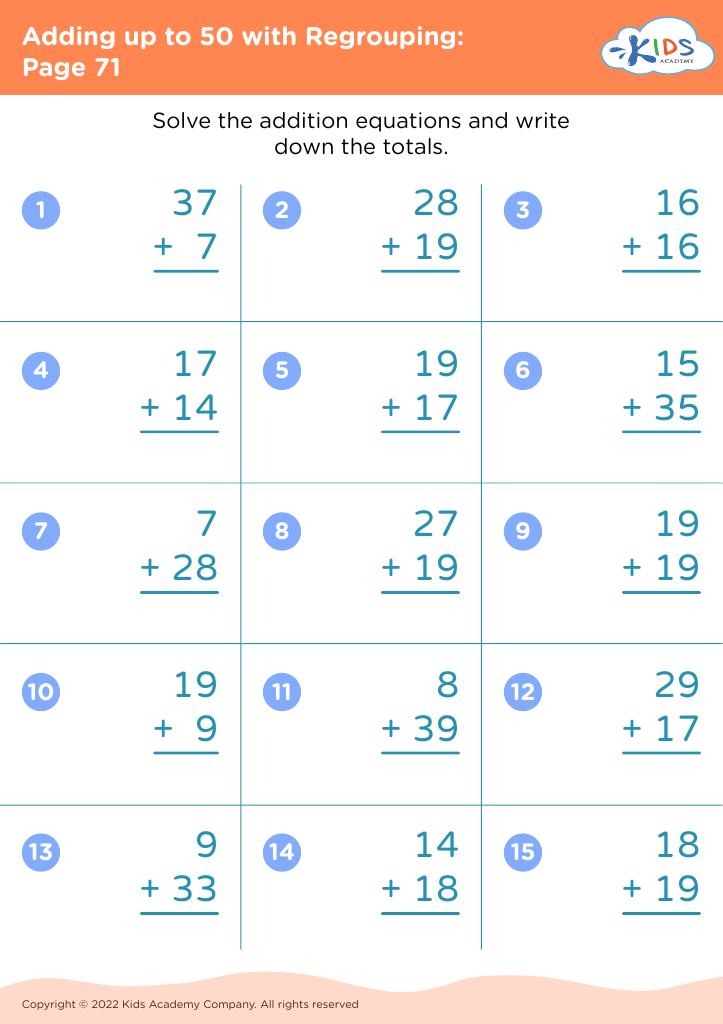








Motor skills development and foundational math skills like addition and subtraction are crucial for children aged 3-7, as these stages are vital for cognitive and physical growth. Motor skills, which include both gross skills (larger body movements) and fine skills (small, precise movements), enhance children's ability to engage in everyday activities and learning tasks. For instance, fine motor skills are essential for holding a pencil, drawing shapes, or manipulating objects, all of which are foundational for writing and problem-solving.
Meanwhile, during these formative years, children begin to develop basic mathematical concepts. Learning addition and subtraction lays the groundwork for more complex mathematics, helping children understand quantity, the relationships between numbers, and problem-solving techniques. This understanding is critical not only in academic settings but also in real-life problem-solving situations such as sharing, counting, or measuring.
When parents and teachers prioritize the development of motor skills alongside mathematical concepts, they create an integrated learning environment that fosters confidence and cognitive growth. Engaging in playful activities that combine these skills captures children's interest and makes learning enjoyable, thereby encouraging a lifelong love for both movement and mathematics. Overall, nurturing these skills empowers children to thrive academically and socially.








