Shape Recognition Addition & Subtraction Worksheets for Ages 3-7
33 filtered results
-
From - To
Discover engaging Shape Recognition Addition & Subtraction Worksheets designed specifically for children aged 3-7. These interactive worksheets blend essential math skills with fun shape identification activities, helping young learners develop a solid foundation in addition and subtraction. Each worksheet features vibrant visuals and intuitive exercises that boost cognitive skills while promoting an understanding of basic geometric shapes. Perfect for home or classroom use, these worksheets encourage creativity and critical thinking in early learners. Explore our collection and watch your child enhance their mathematical abilities and shape recognition skills, making learning a joyful and effective experience!
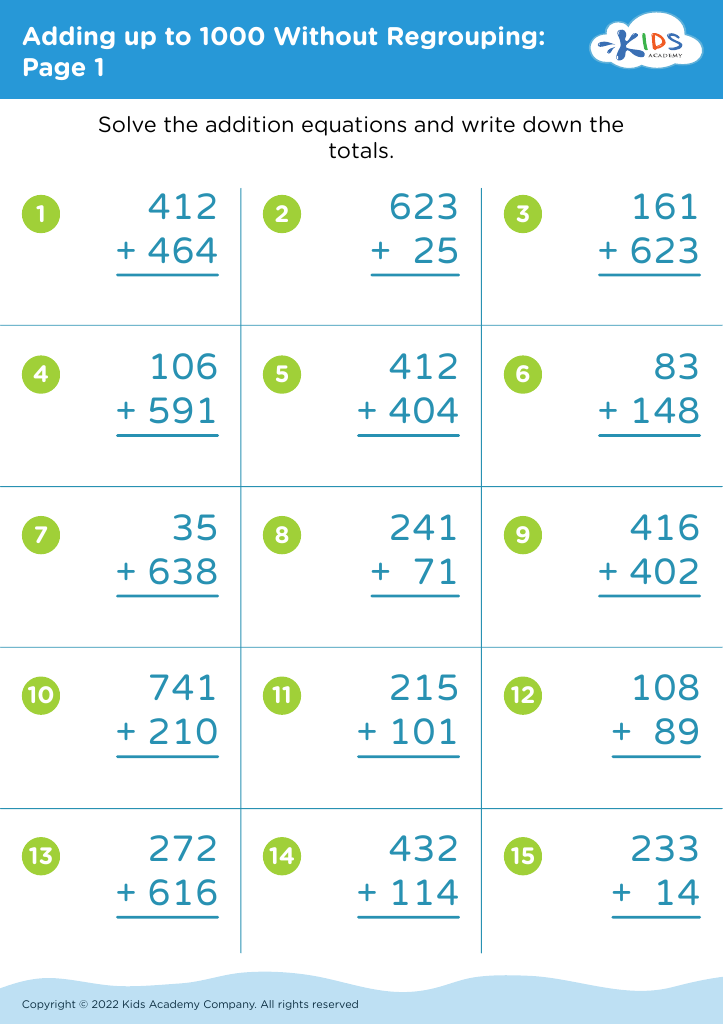
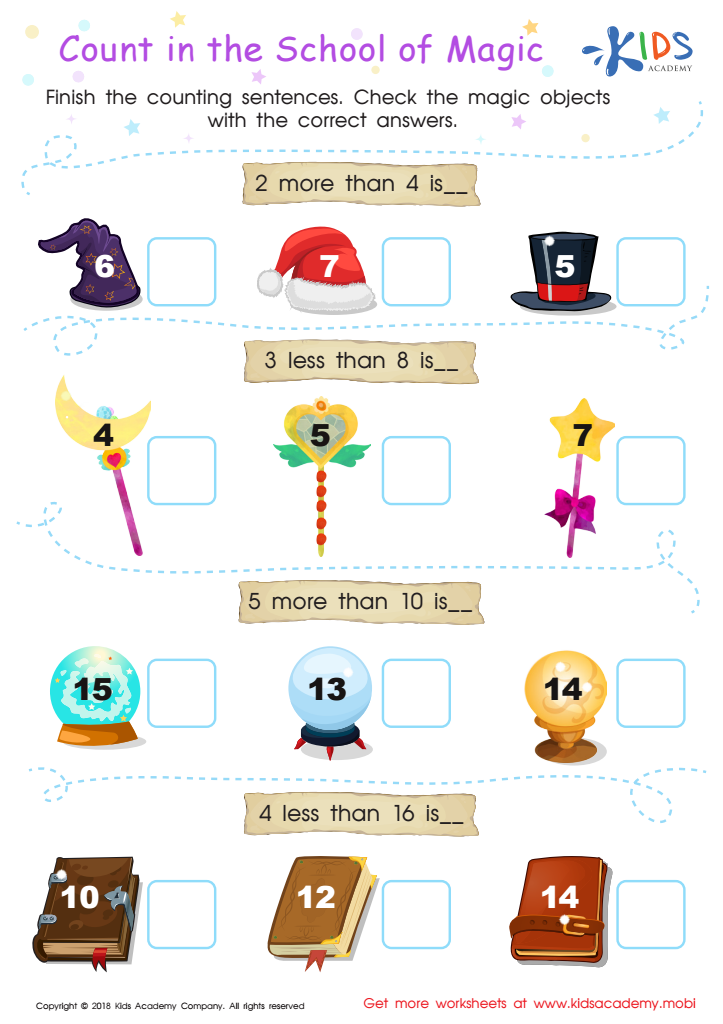
Count in the School of Magic Worksheet
 Assign to My Students
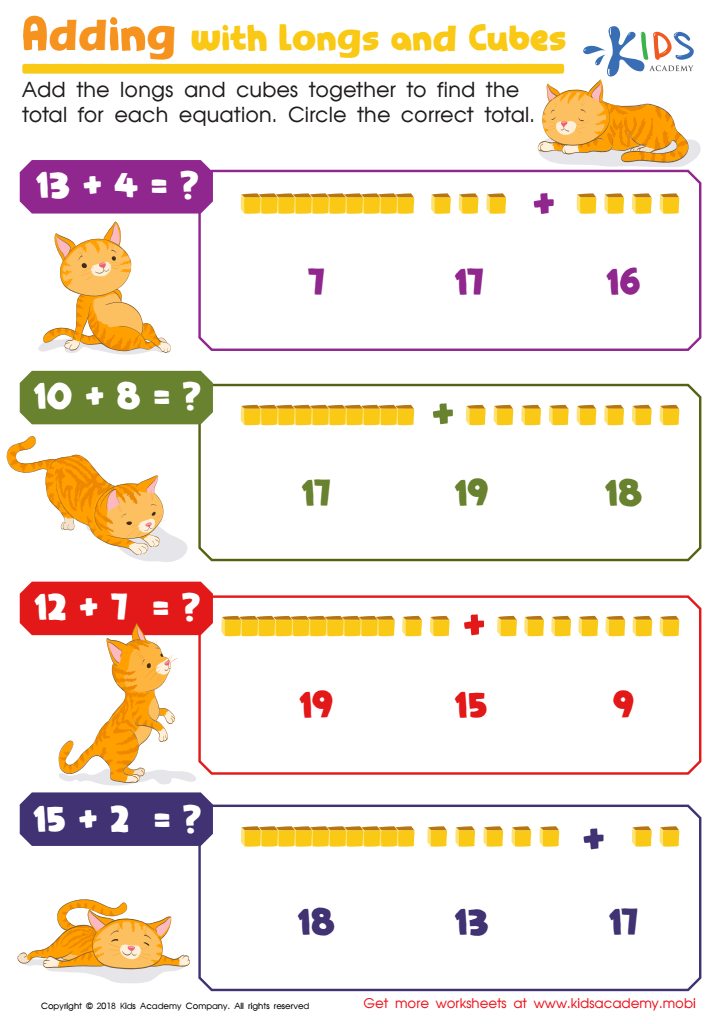
Adding With Longs and Cubes Worksheet
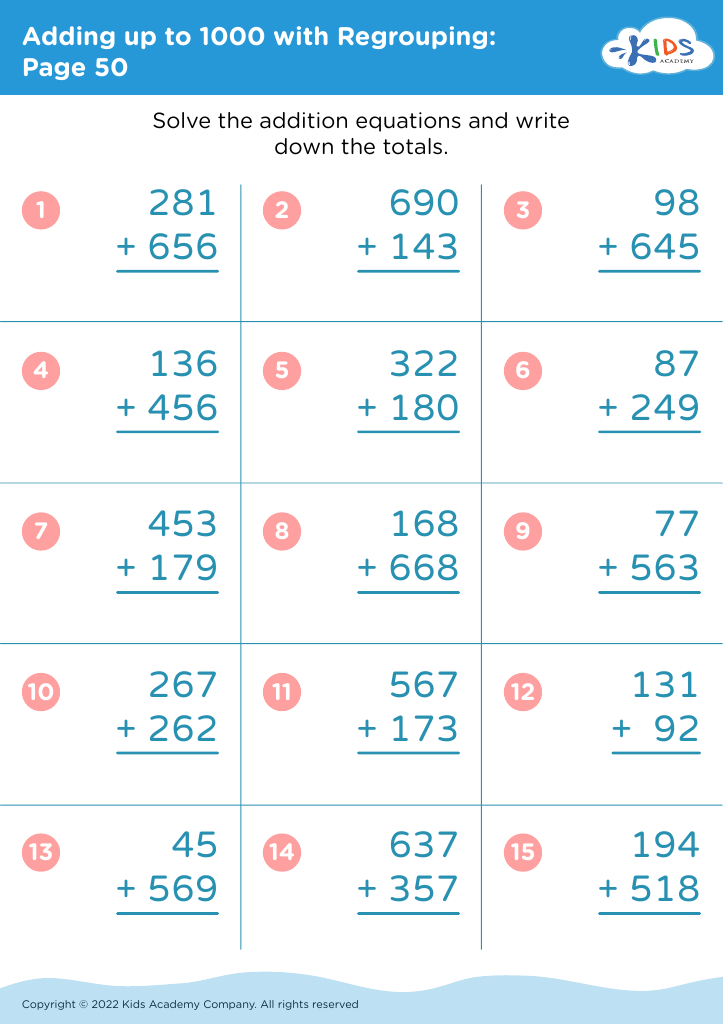
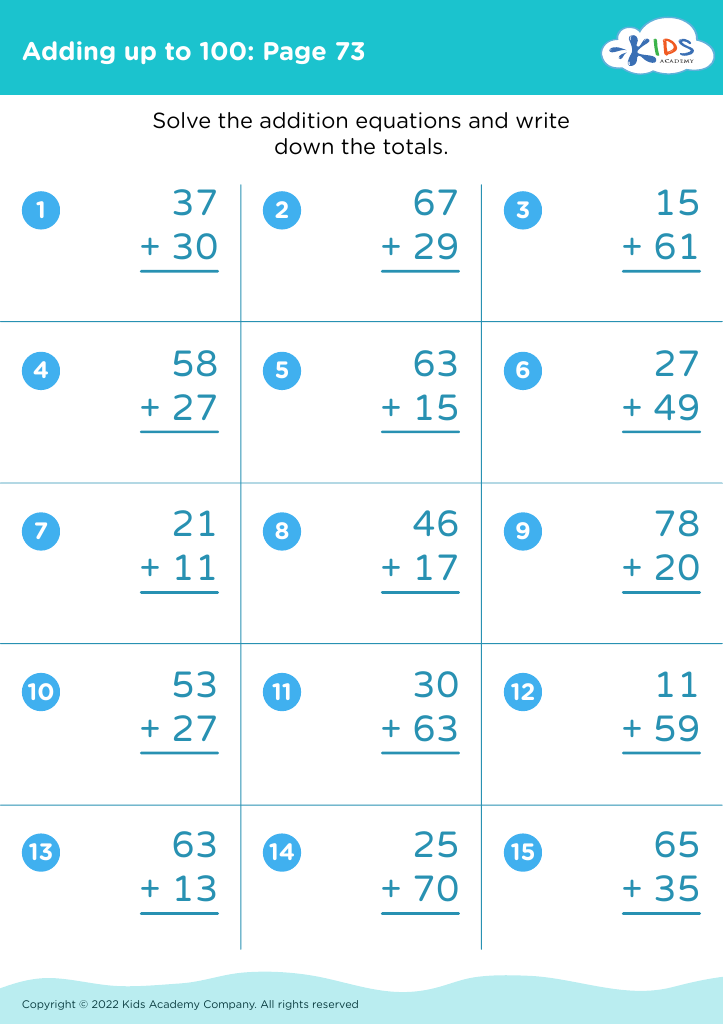
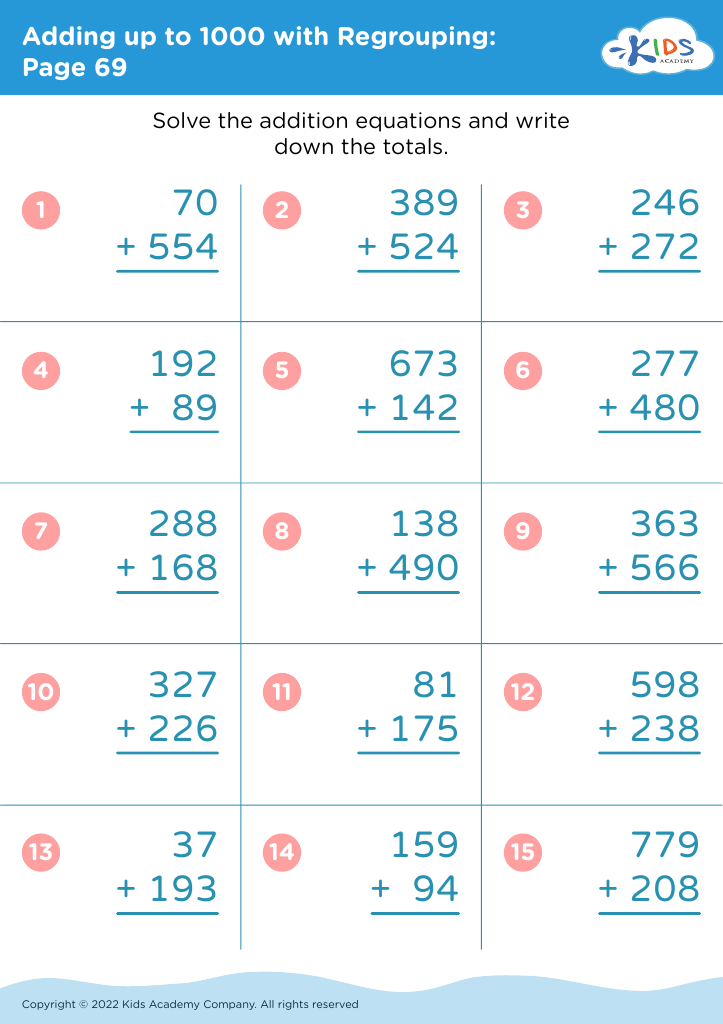
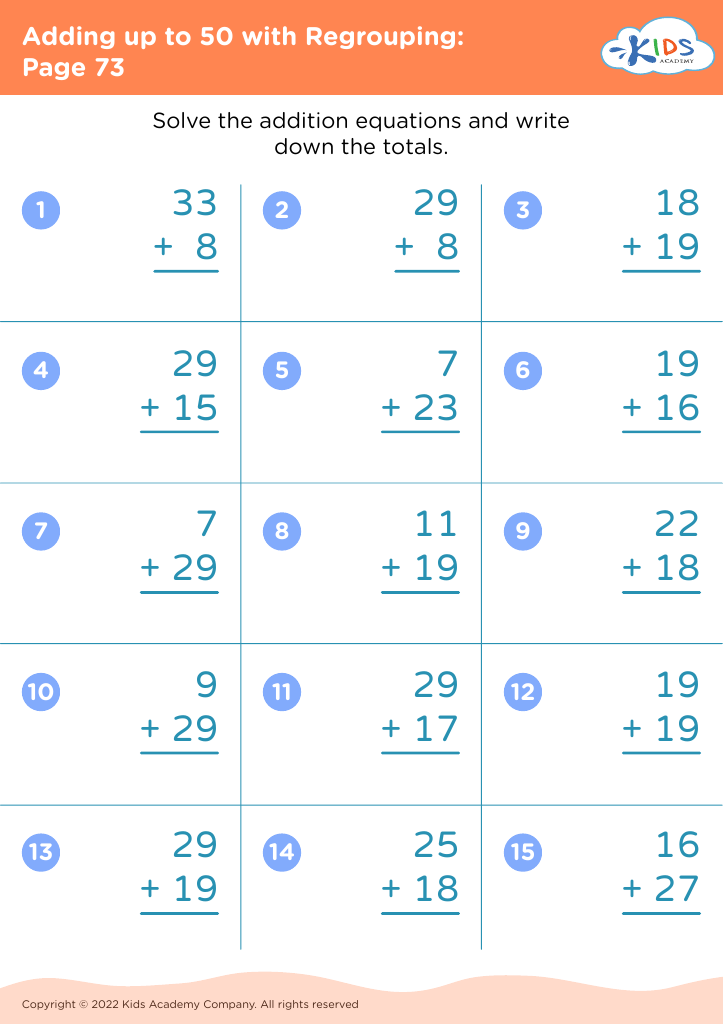
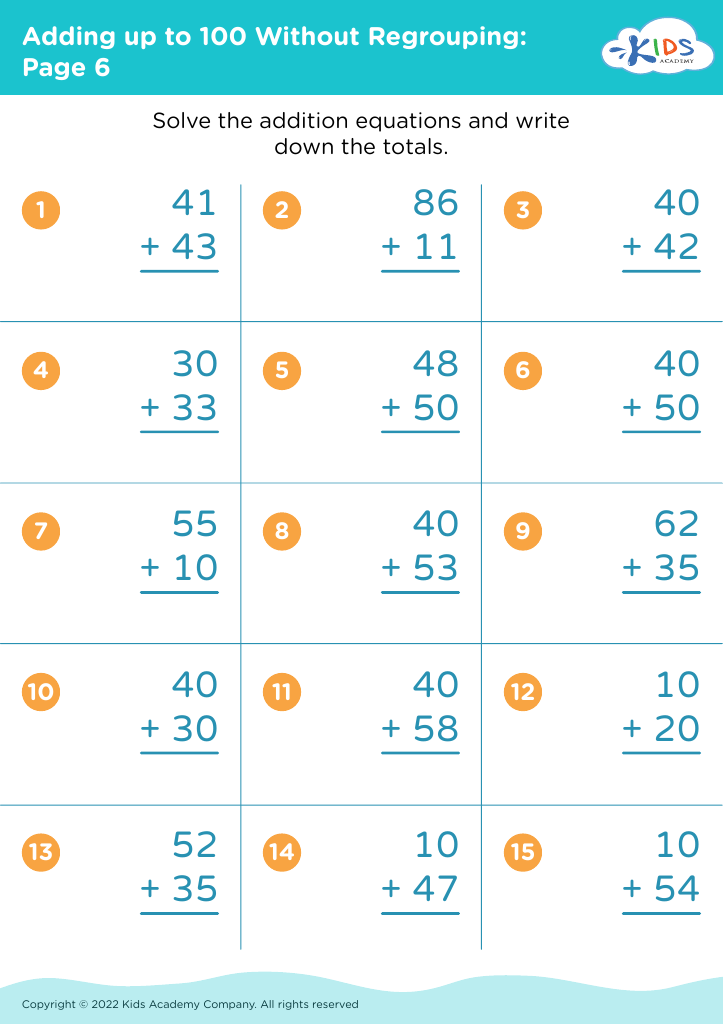
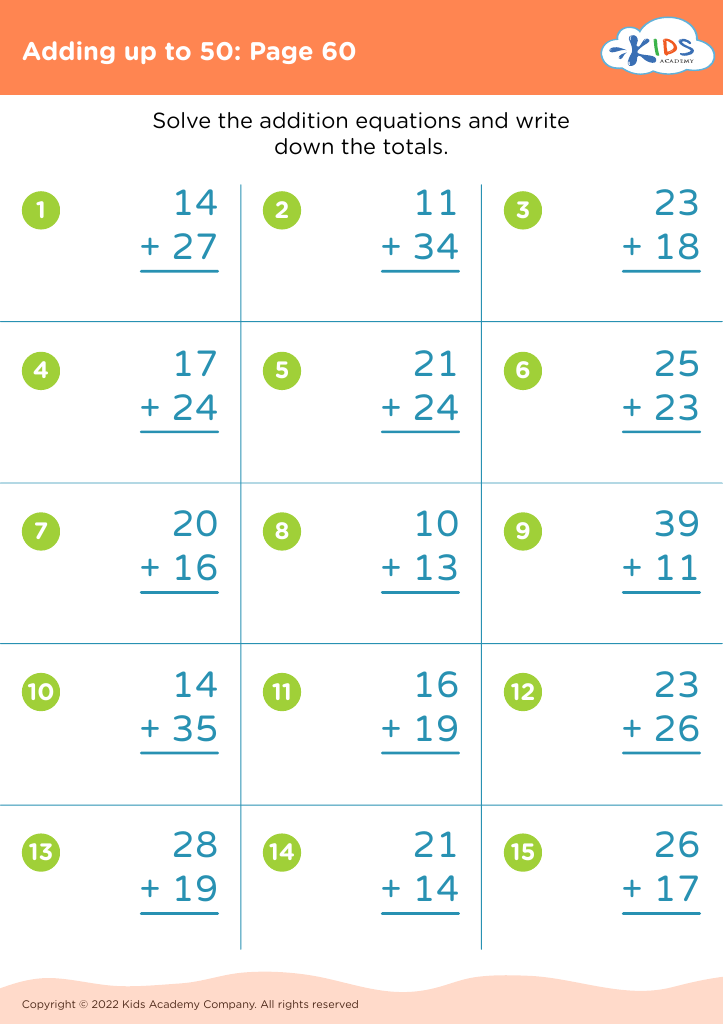
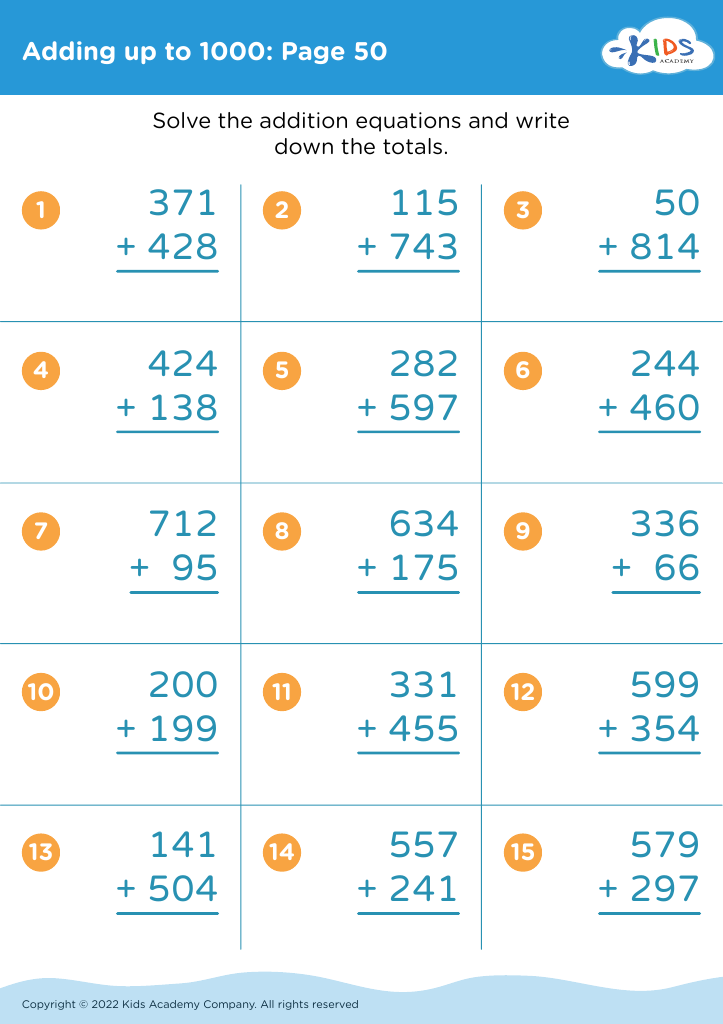
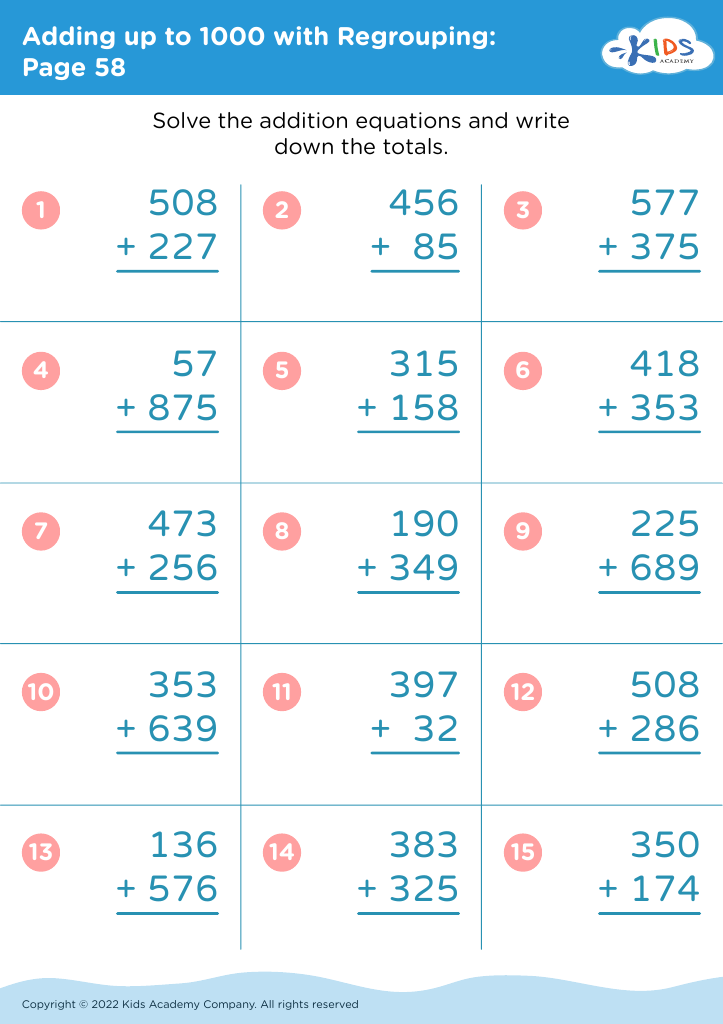
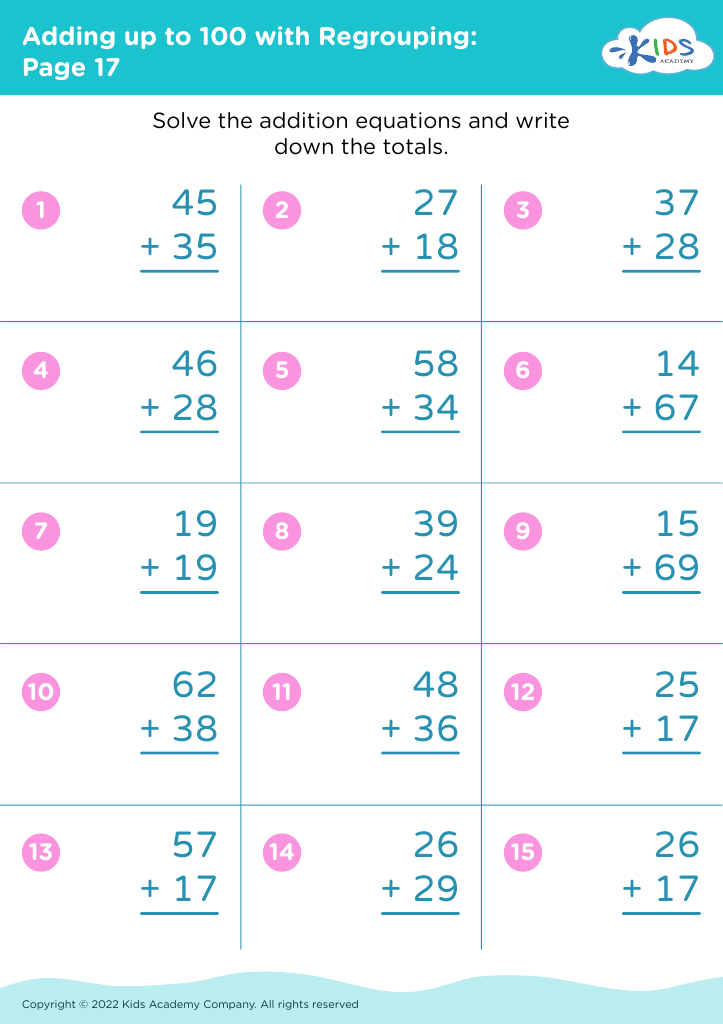
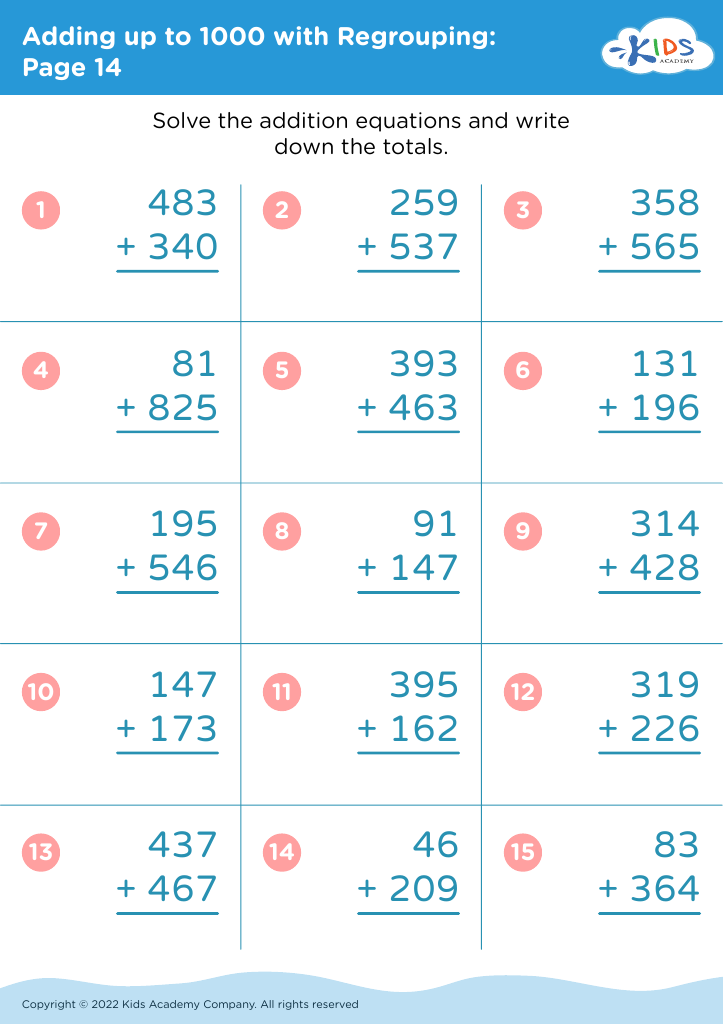
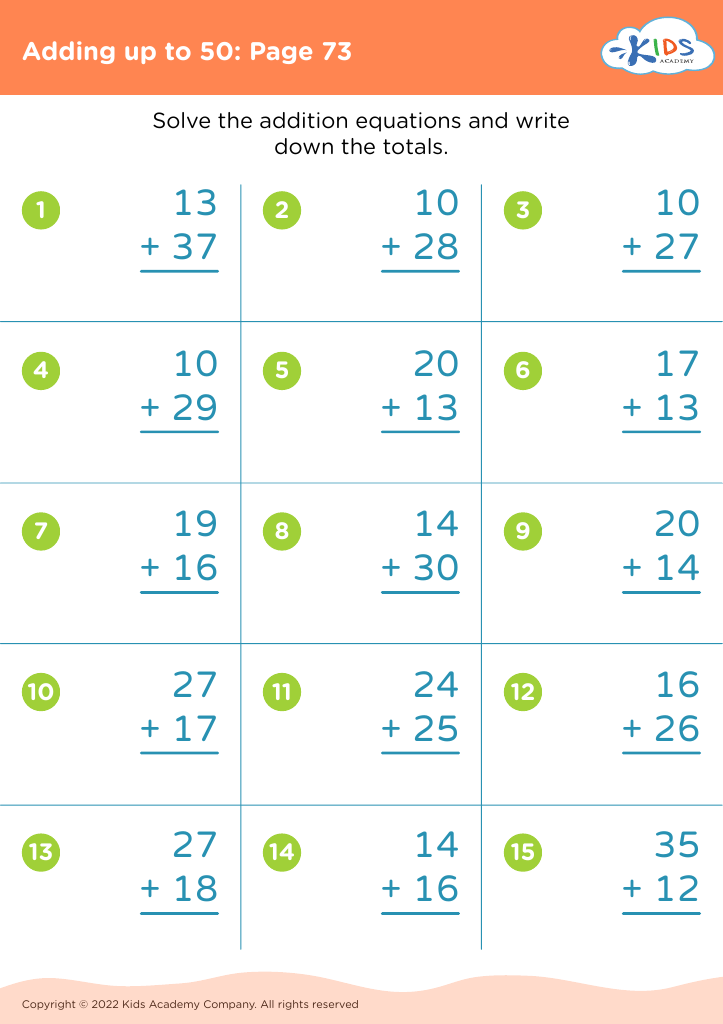
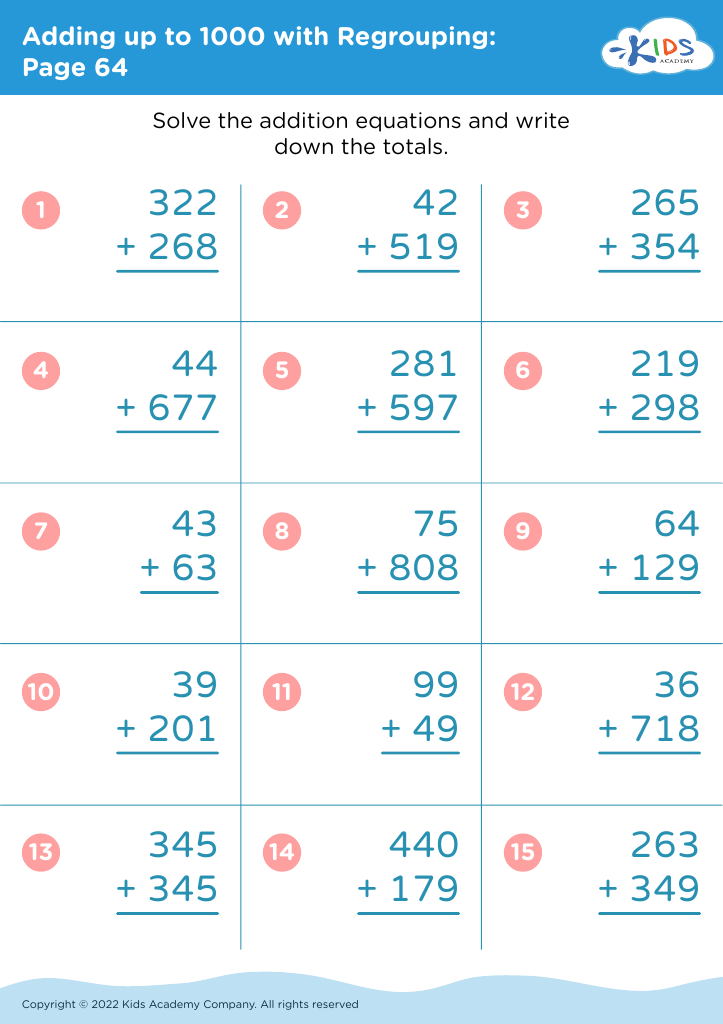
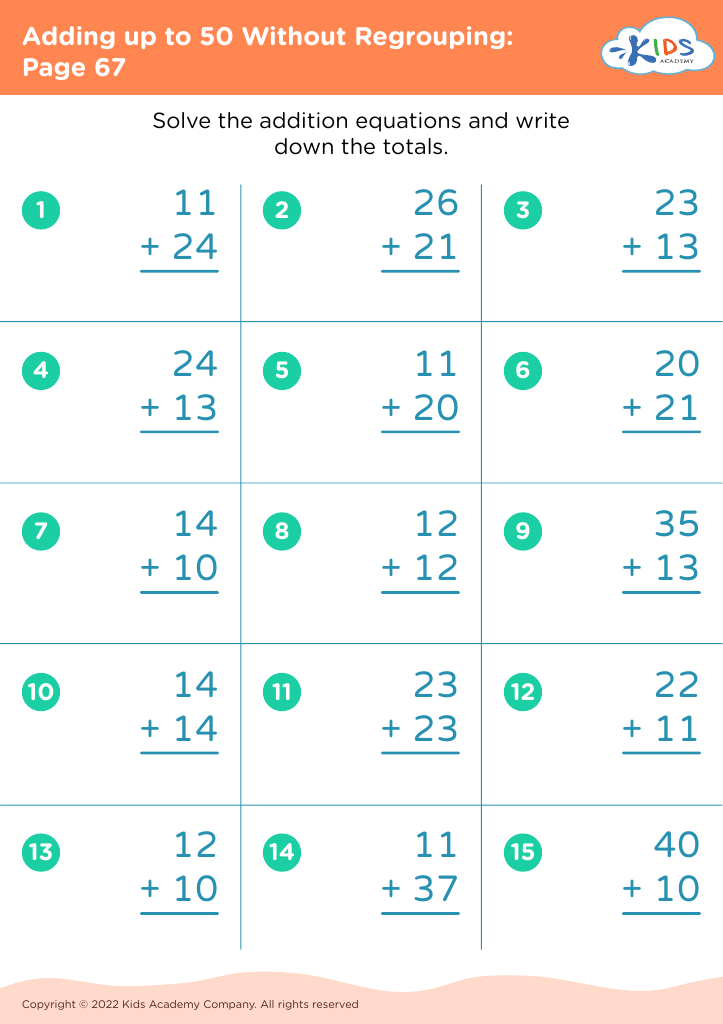








Shape recognition and basic addition and subtraction are foundational skills for children ages 3-7, crucial for their cognitive development and future learning. Engaging young learners in shape recognition helps enhance their visual-spatial skills, critical for problem-solving and understanding the world around them. Recognizing shapes aids in developing geometry skills later in life.
Combining shape recognition with addition and subtraction introduces children to math in a fun, intuitive way. It encourages them to visualize problems, making numerical concepts more comprehensible. For example, using shapes—like circles or triangles—in addition problems fosters early mathematical reasoning as children count, compare, and combine.
Moreover, integrating these concepts into daily activities enhances children's attention spans and improves focus, making learning enjoyable and progressive. Early exposure to math and shapes builds a solid foundation, promoting confidence and enthusiasm for future academic challenges.
Parents and teachers play a crucial role in nurturing these skills by incorporating shape-related games, activities, and discussions in daily routines. This not only supports cognitive growth but also helps children develop essential life skills such as critical thinking, creativity, and teamwork. Ultimately, fostering shape recognition and basic math skills sets the stage for lifelong learning and academic success.








