Understanding measurements Addition & Subtraction Worksheets for Ages 3-7
3 filtered results
-
From - To
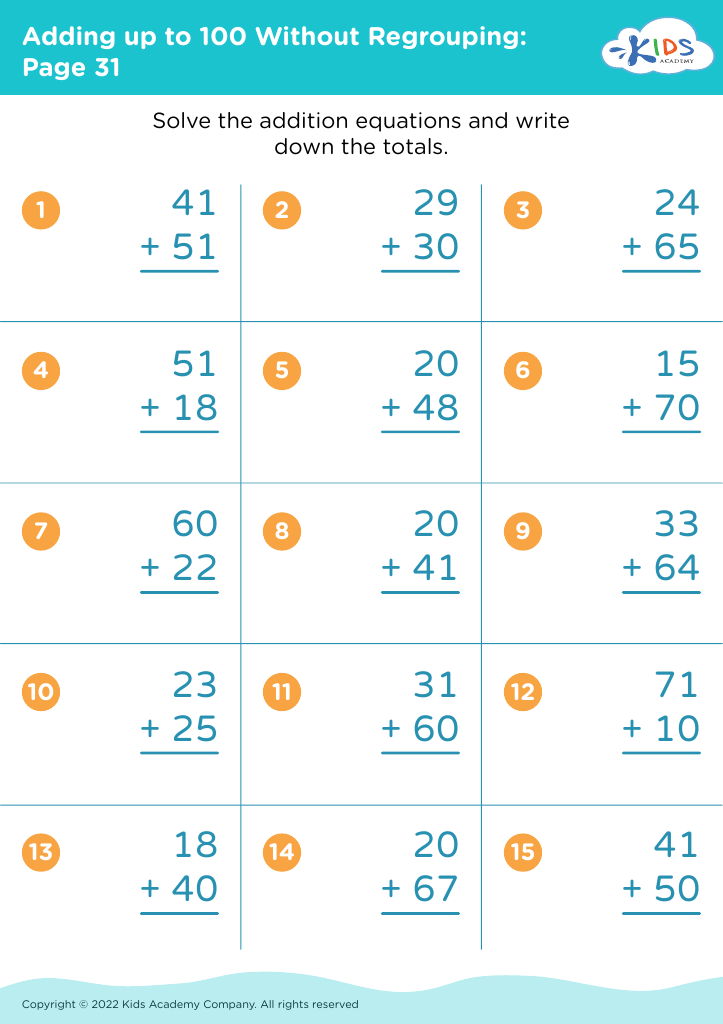
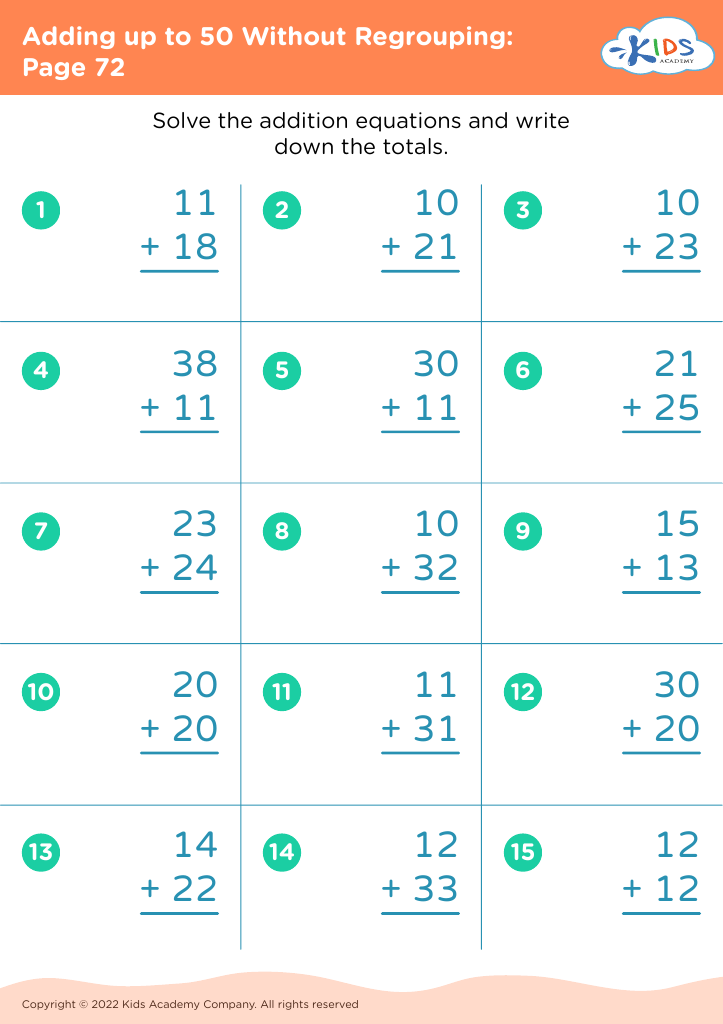
Our "Understanding Measurements Addition & Subtraction Worksheets" for ages 3-7 provide engaging, educational activities specifically designed to boost mathematical skills in young learners. By focusing on understanding measurements, these worksheets help children grasp fundamental math concepts through fun, hands-on practice. Tailored for preschoolers and early elementary students, each worksheet incorporates vibrant visuals and easy-to-follow instructions, encouraging independent learning. As kids explore addition and subtraction within the context of measuring objects, they enhance problem-solving abilities and develop a strong mathematical foundation. Perfect for both classroom and home use, these worksheets make learning math an exciting adventure!
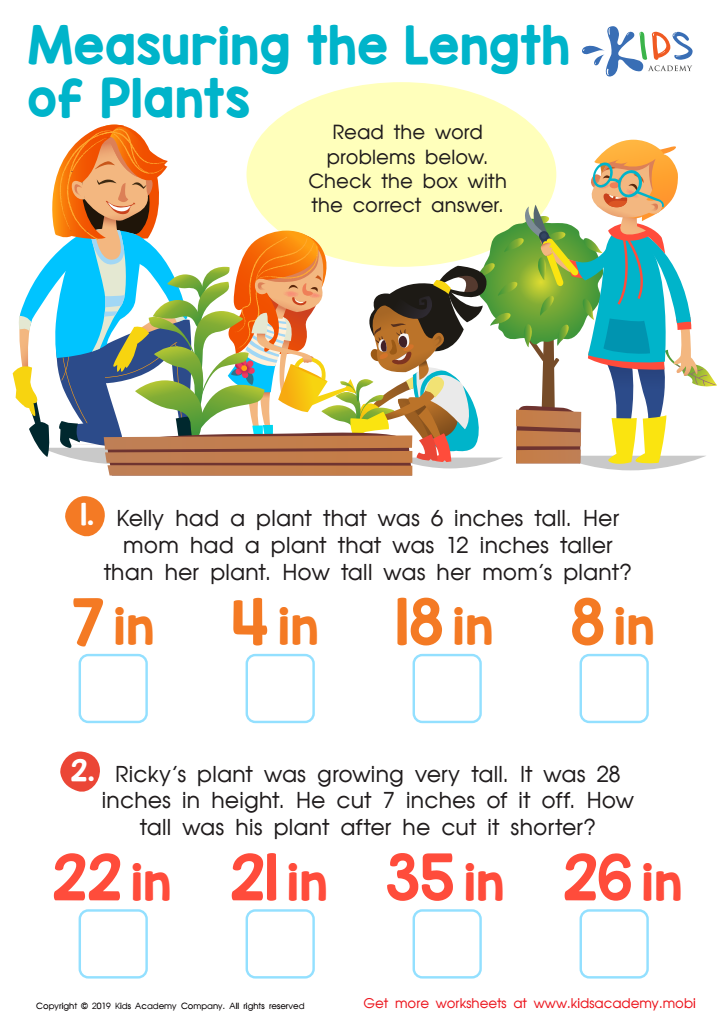
Measuring the Length of Plants Worksheet
 Assign to My Students








Understanding measurements, addition, and subtraction for ages 3-7 is crucial for laying a strong educational foundation. At this early stage, children are developing core cognitive skills that serve as building blocks for future learning. Grasping measurements helps them MAKE SENSE of the world around them; they learn about size, length, weight, and volume, which supports both their spatial awareness and everyday problem-solving abilities. Incorporating measurements into routine activities like cooking or playing with building blocks makes abstract concepts more tangible, fostering practical understanding.
Addition and subtraction are the first steps into the broader world of mathematics. These basic operations form the essentials for more advanced math topics, instilling avoidance of fear towards the subject. Early competency in addition and subtraction enhances a child's confidence, promotes logical thinking, and encourages a methodical approach to tasks, which is beneficial in all academic disciplines.
Furthermore, engaging with these concepts strengthens fine motor skills and improves attention to detail. Parents and teachers who prioritize these foundational skills provide children with a "math toolbox," giving them the confidence and competence to tackle complex problems later on. Early education in measurements, addition, and subtraction effectively primes children for academic success and daily life challenges.








