
Color recognition Addition Worksheets for Ages 3-7
10 filtered results
Difficulty Level
Grade
Age
-
From - To
Subject
Activity
Standards
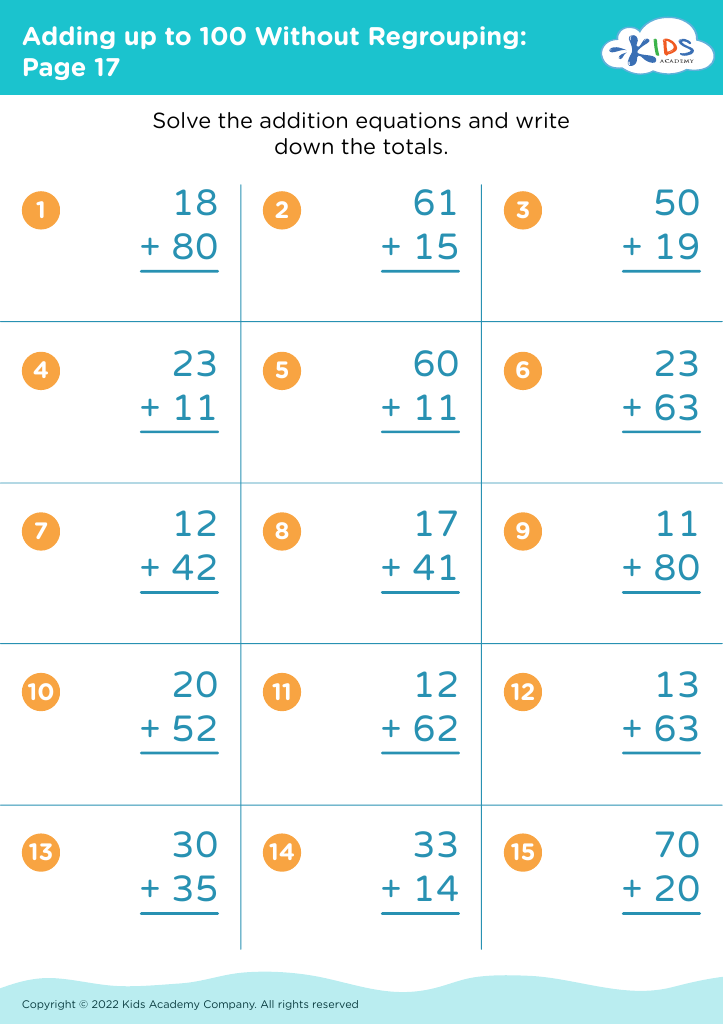
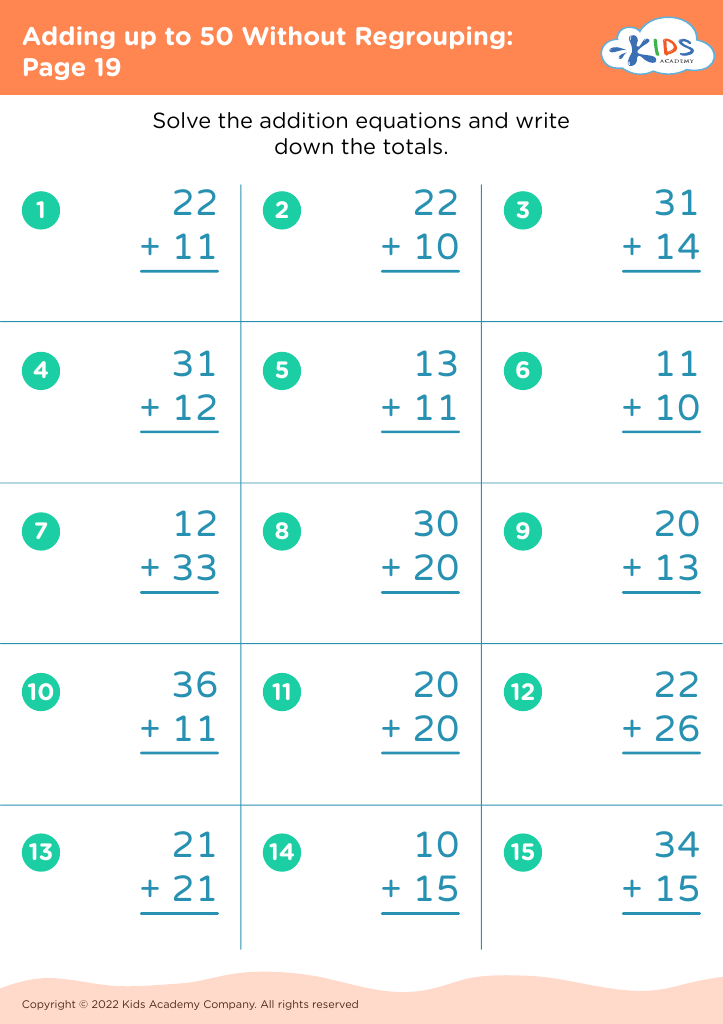
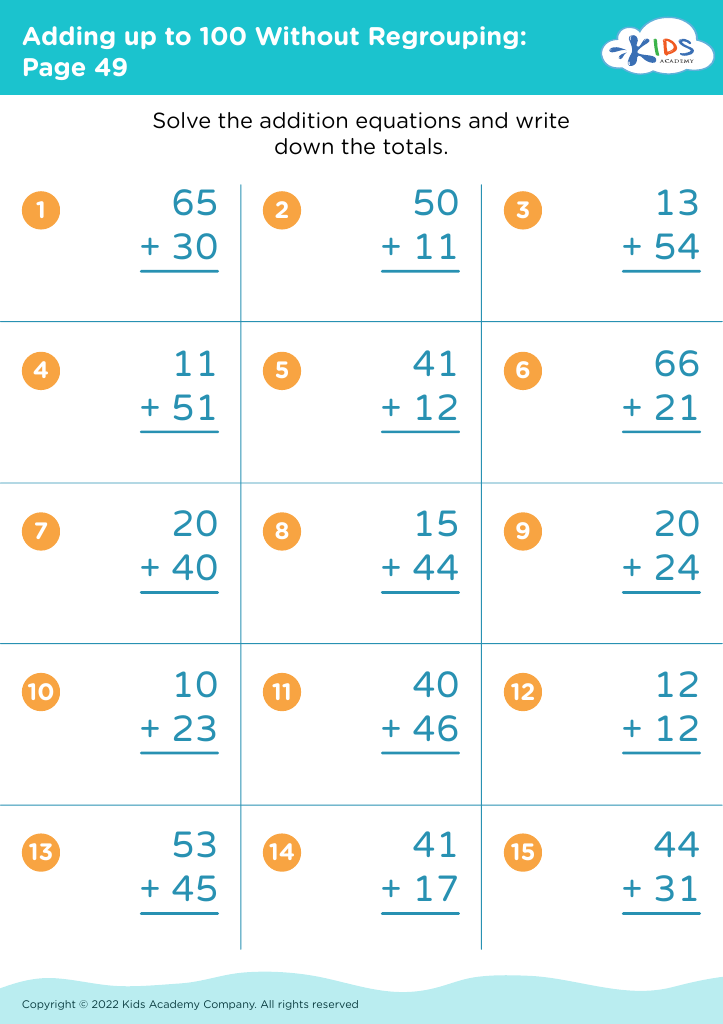
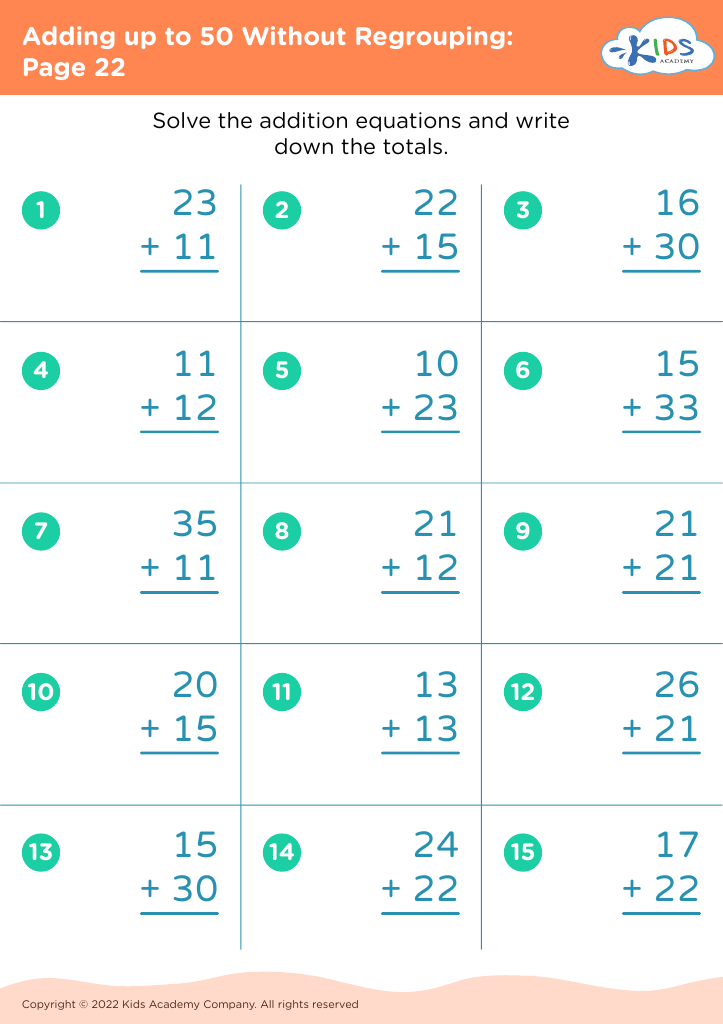
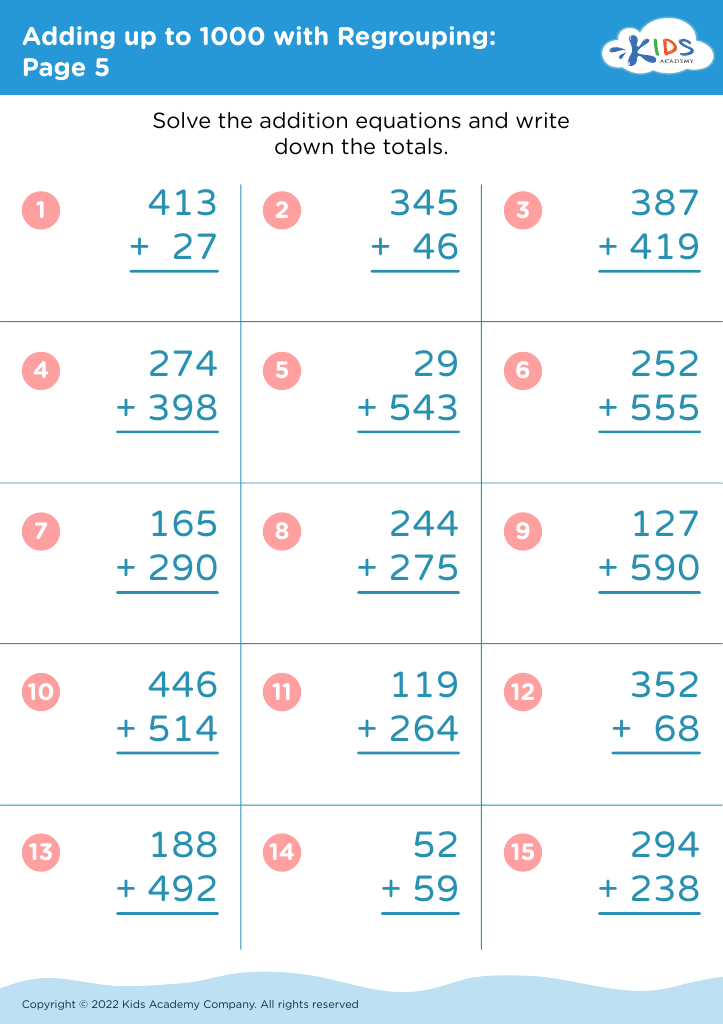
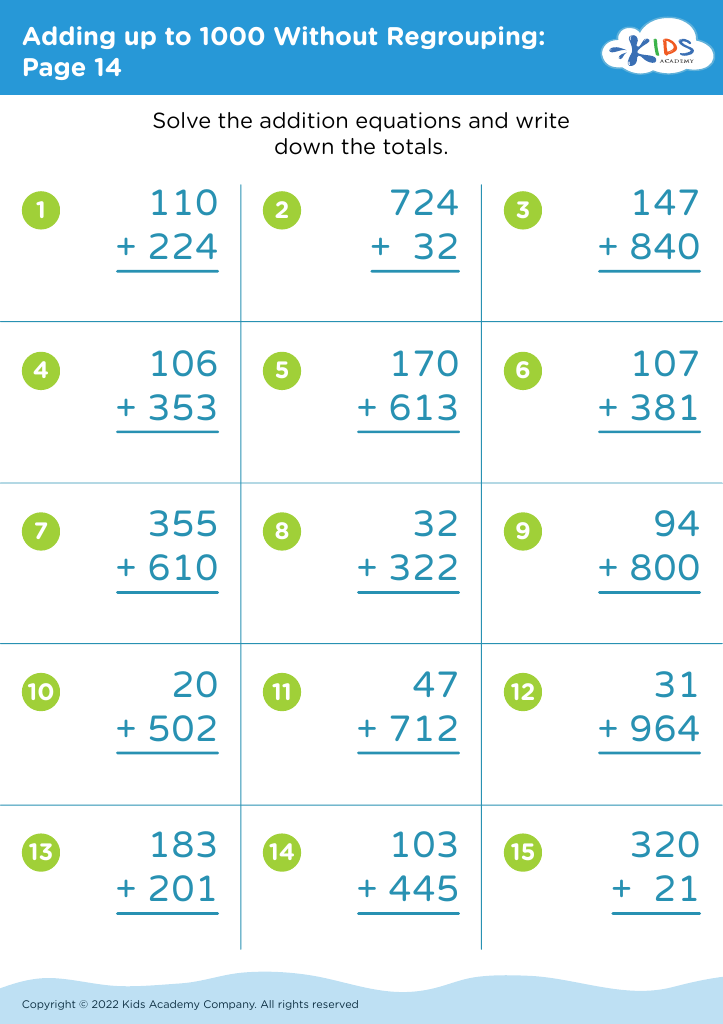
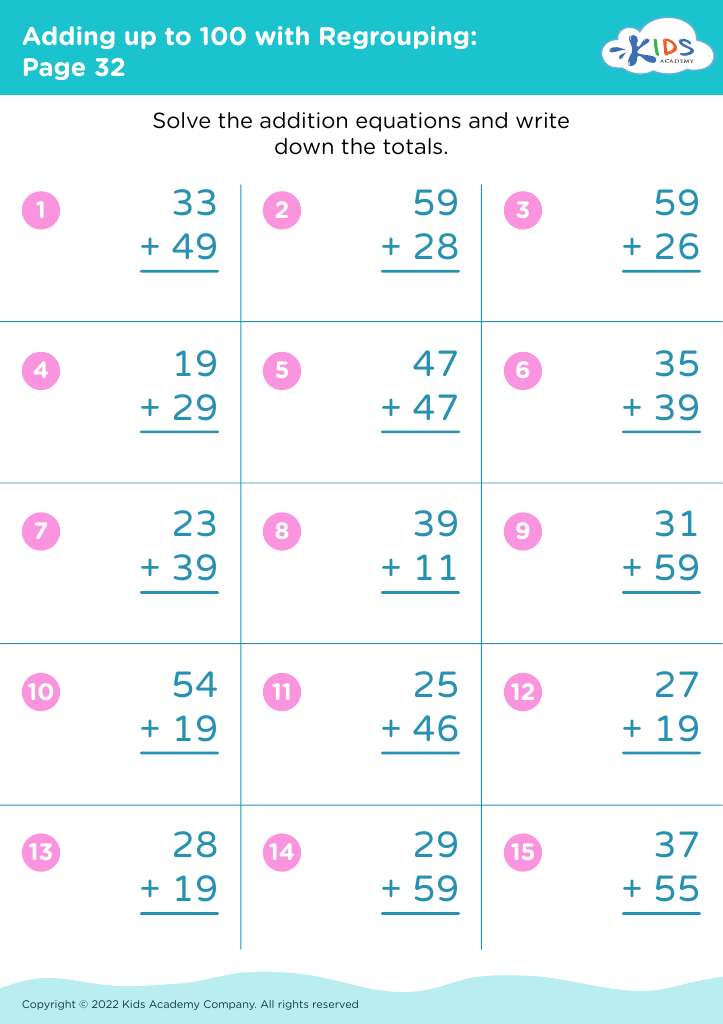
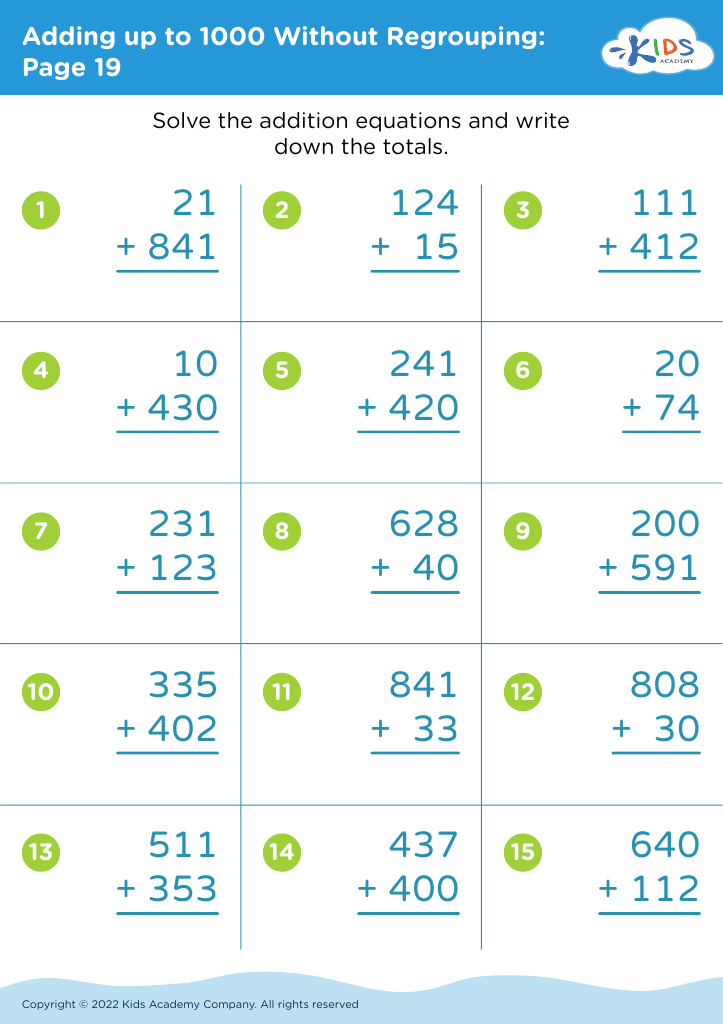
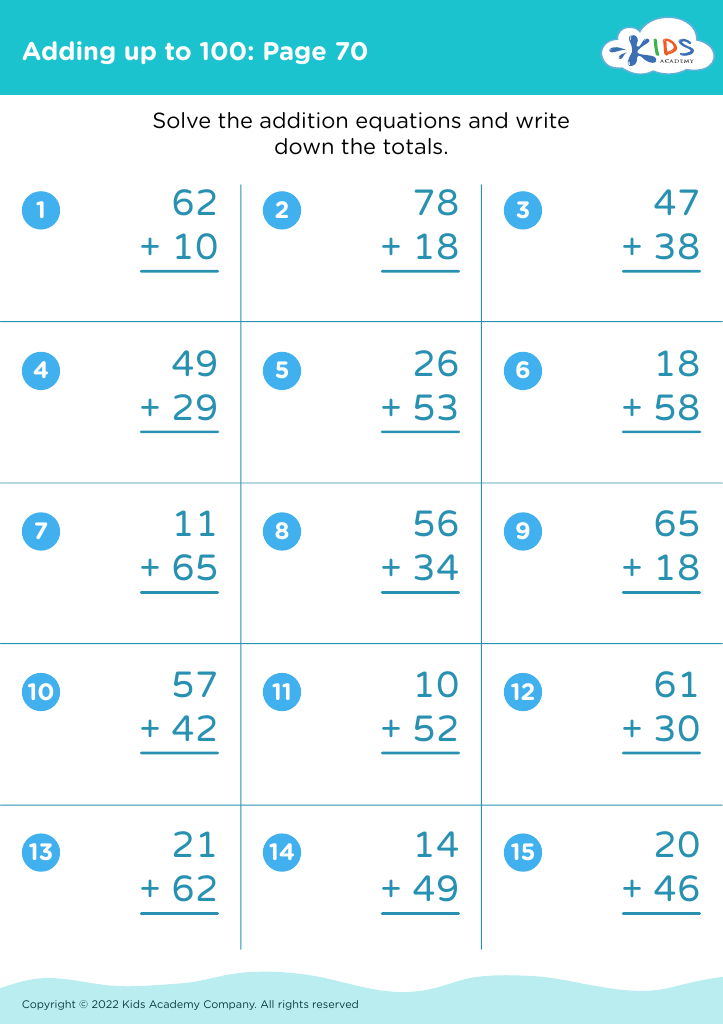
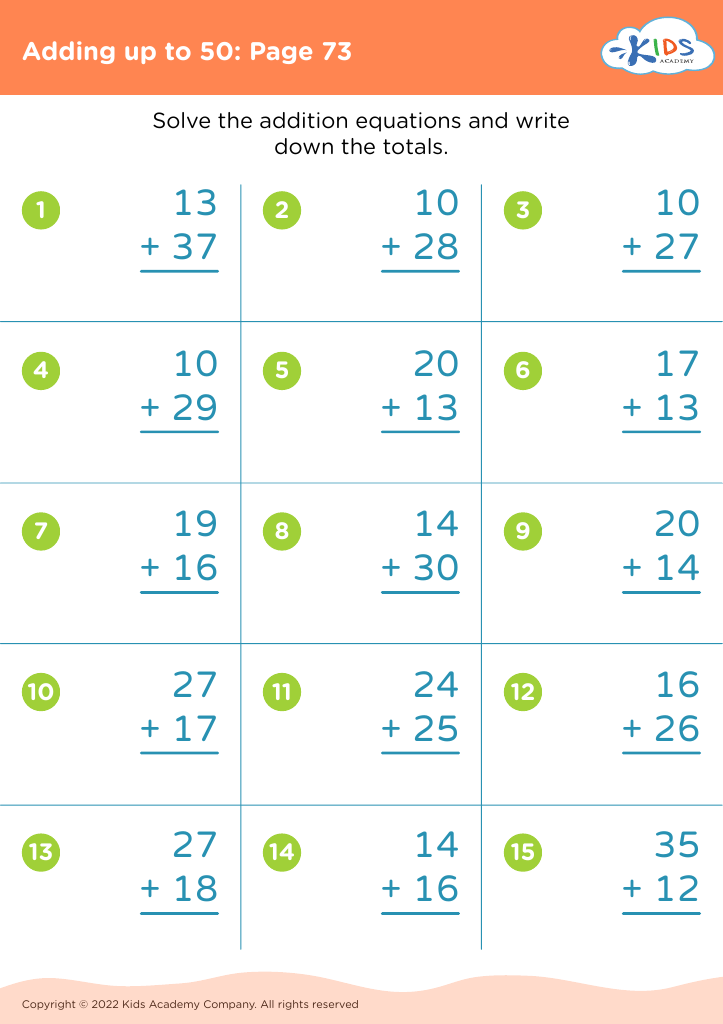
Explore our engaging Color Recognition Addition Worksheets designed for children ages 3-7! These interactive worksheets seamlessly combine essential addition skills with fun, colorful graphics to enhance learning. Perfect for early math learners, each activity encourages kids to identify and match colors while solving simple addition problems. Through playful exercises, young learners will not only improve their math skills but also boost their cognitive development and color recognition abilities. Our worksheets cater to various learning styles, making math enjoyable and accessible for every child. Foster a love for learning in your little ones with these vibrant and educational resources today!
Favorites
With answer key
Interactive
Join Kids Academy for Free
Who is primarily going to use this learning content?








Color recognition and addition are foundational skills that significantly impact a child's cognitive and social development, especially between the ages of 3 and 7. First, color recognition aids in a child’s ability to categorize and differentiate objects in their environment, enhancing their observational skills and overall understanding of the world around them. Recognizing colors can also promote language development, as children learn to articulate their thoughts and preferences associated with different hues.
On the other hand, addition lays the groundwork for mathematical literacy. Developing a concrete understanding of numbers and basic arithmetic fosters critical thinking and problem-solving skills. Introducing addition through playful, engaging activities—such as using colored blocks or counting colorful objects—makes learning enjoyable and relatable for young children. This approach not only enhances their mathematical understanding but also nurtures creativity and imagination.
Additionally, both skills encourage collaborative learning and peer interaction, essential for social development. Engaging in color recognition and addition activities can foster communication, sharing, and teamwork among children. Ultimately, nurturing these skills in early childhood can lead to a stronger academic foundation, setting children on a path for future learning success. Thus, parents and teachers should prioritize these developmental milestones to enrich the educational experience of young learners.








