Letter recognition Addition Worksheets for Ages 3-7
3 filtered results
-
From - To
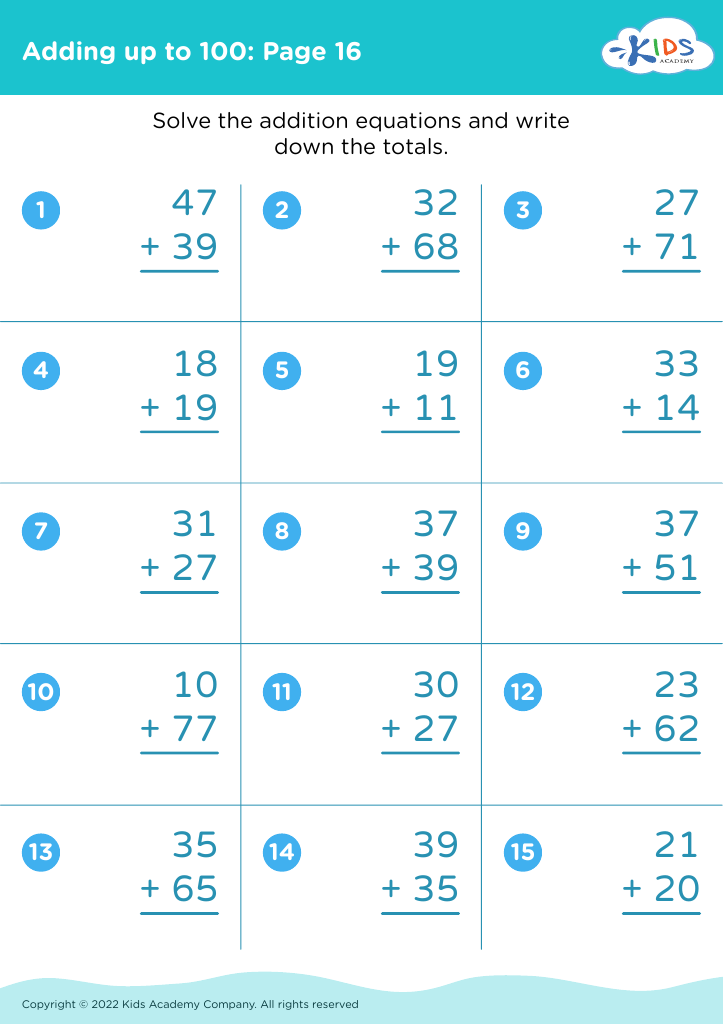
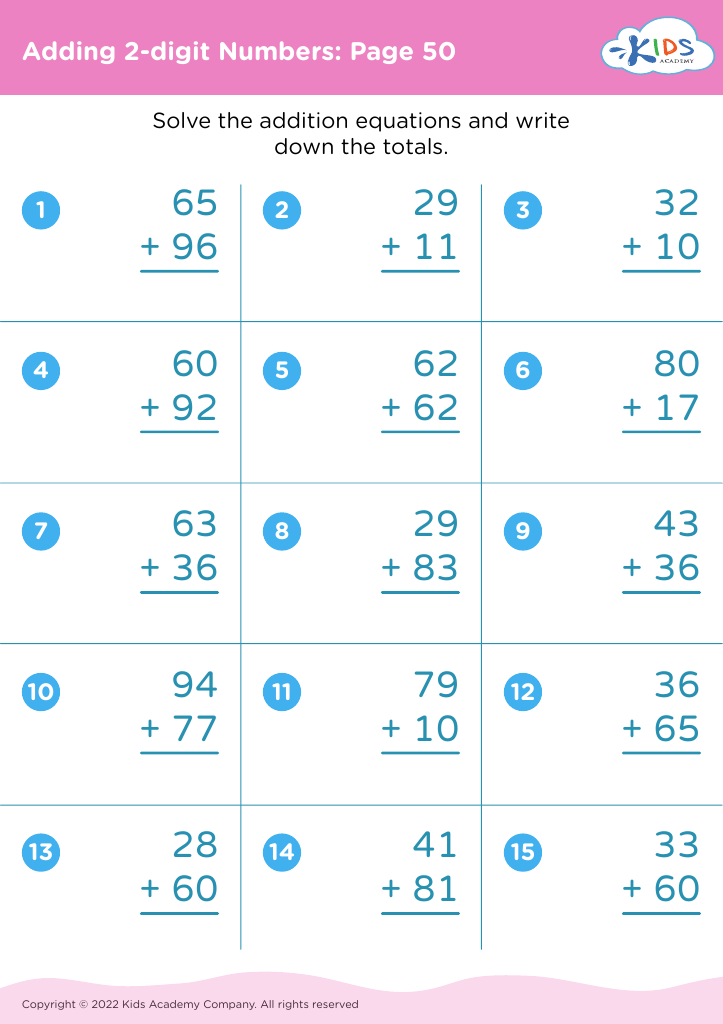
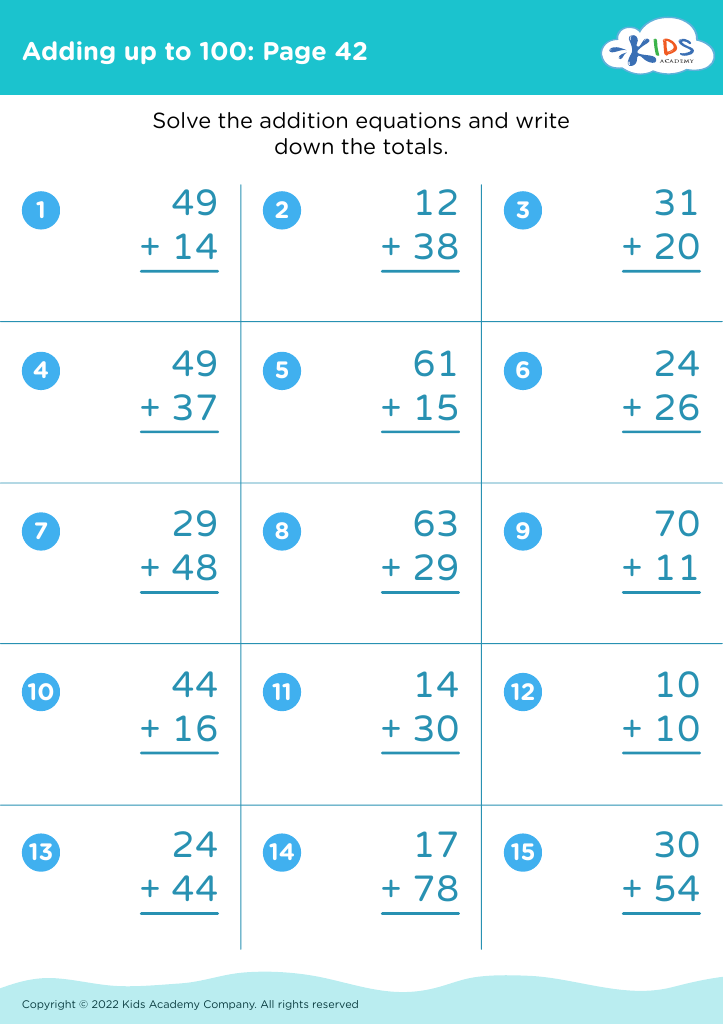
Discover engaging Letter Recognition Addition Worksheets designed for children ages 3-7! These fun, interactive worksheets help young learners master the alphabet while practicing basic addition skills. Your child will connect letters and numbers through colorful illustrations and playful activities, promoting critical thinking and cognitive development. Ideal for parents and educators, these worksheets make learning enjoyable and accessible. Watch as your little one gains confidence in their abilities while enhancing their literacy and math skills. Perfect for home practice or classroom use, these resources are a wonderful stepping stone toward a lifelong love of learning. Start their educational journey today!








Letter recognition is a foundational skill for young learners ages 3-7. This crucial period in a child's development sets the stage for literacy and overall academic success. When parents and teachers prioritize letter recognition, they aid children in understanding that letters represent sounds and form words, crucial components of reading.
Early letter recognition fosters a positive relationship with reading and builds vocabulary. Children who can identify letters are more likely to engage with texts and develop critical thinking skills. Moreover, successful letter recognition helps improve a child's confidence in communicating and expressing ideas effectively.
In addition, letter recognition provides the basis for important social skills, as children engage in group reading activities and discussions, practicing speaking and listening skills. It also promotes cognitive development through pattern recognition and memory exercises.
Lastly, being proactive about letter recognition helps close the achievement gap. Children from supportive home environments tend to have better literacy skills; thus, parents and teachers working together can ensure that all students receive the attention they need. By nurturing these foundational skills, we can cultivate lifelong learners who are excited about reading and success within and beyond the classroom.








