Problem-solving practice Addition Worksheets for Ages 3-7
16 filtered results
-
From - To
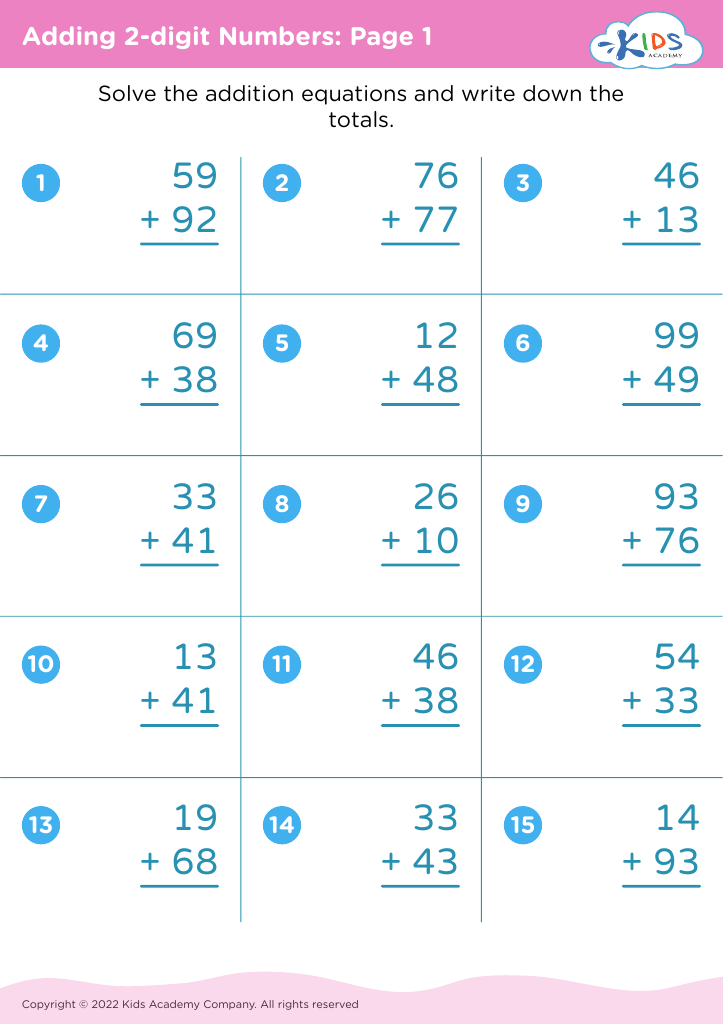
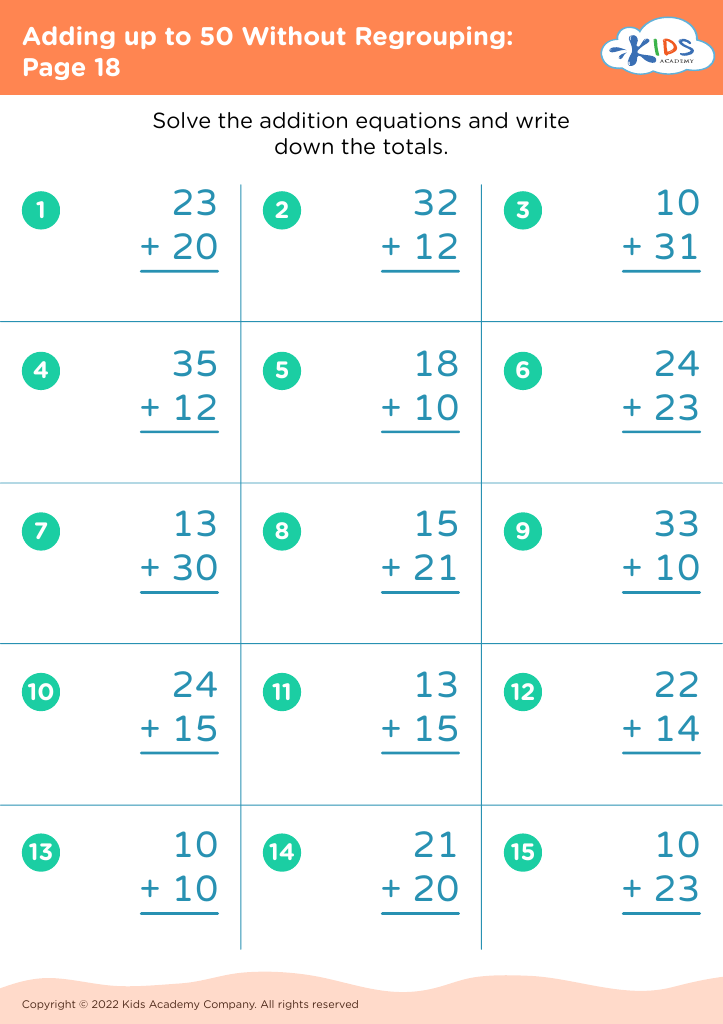
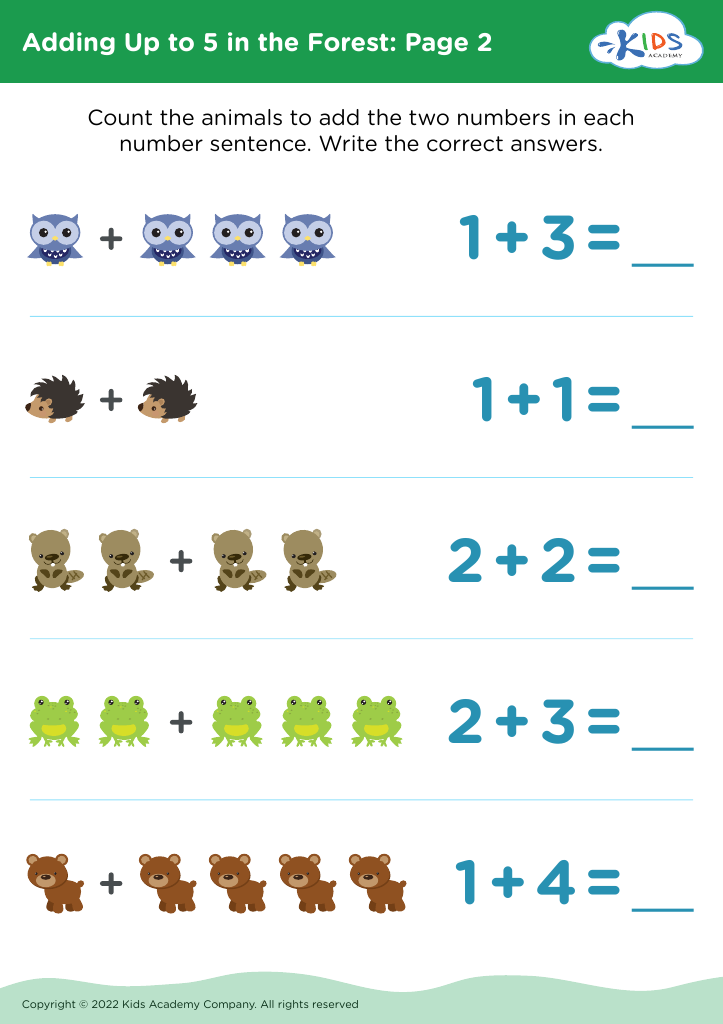
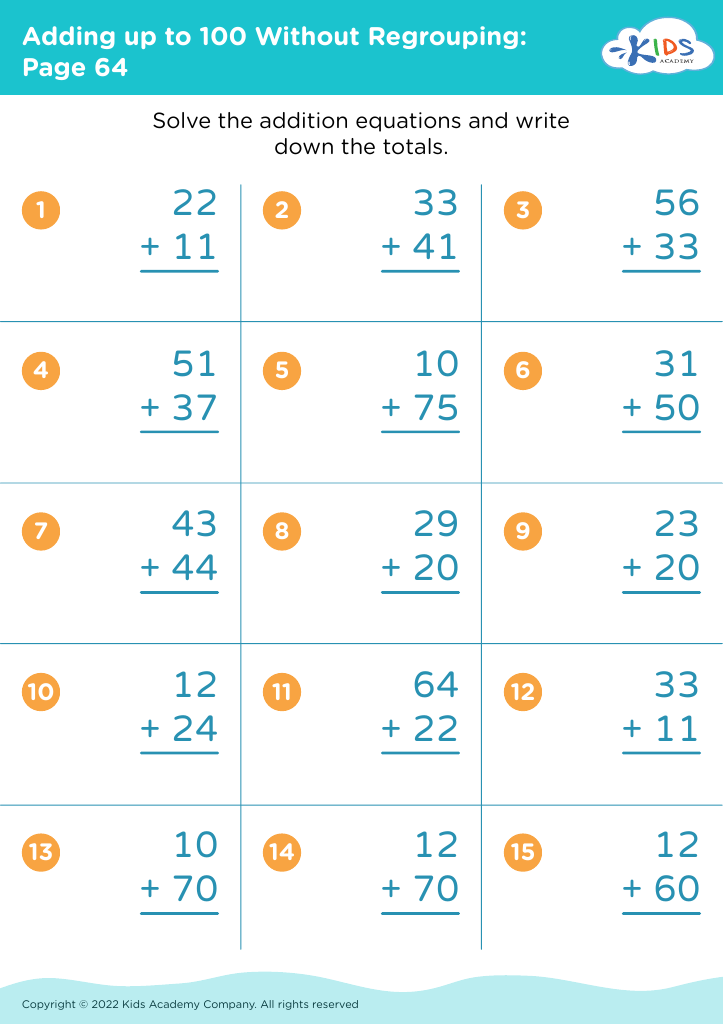
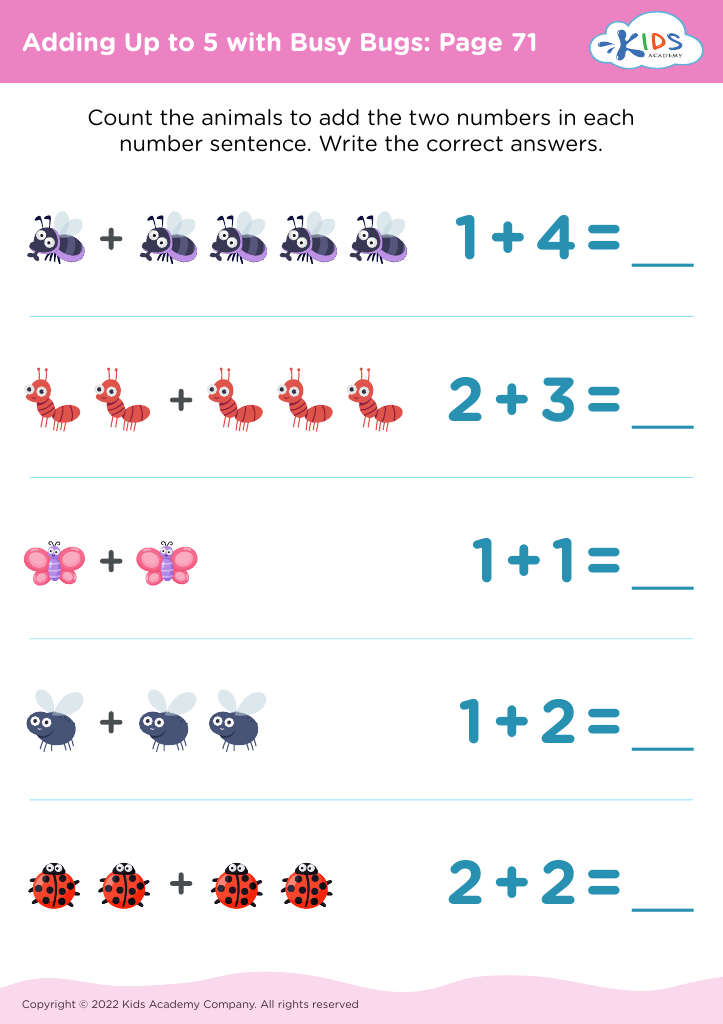
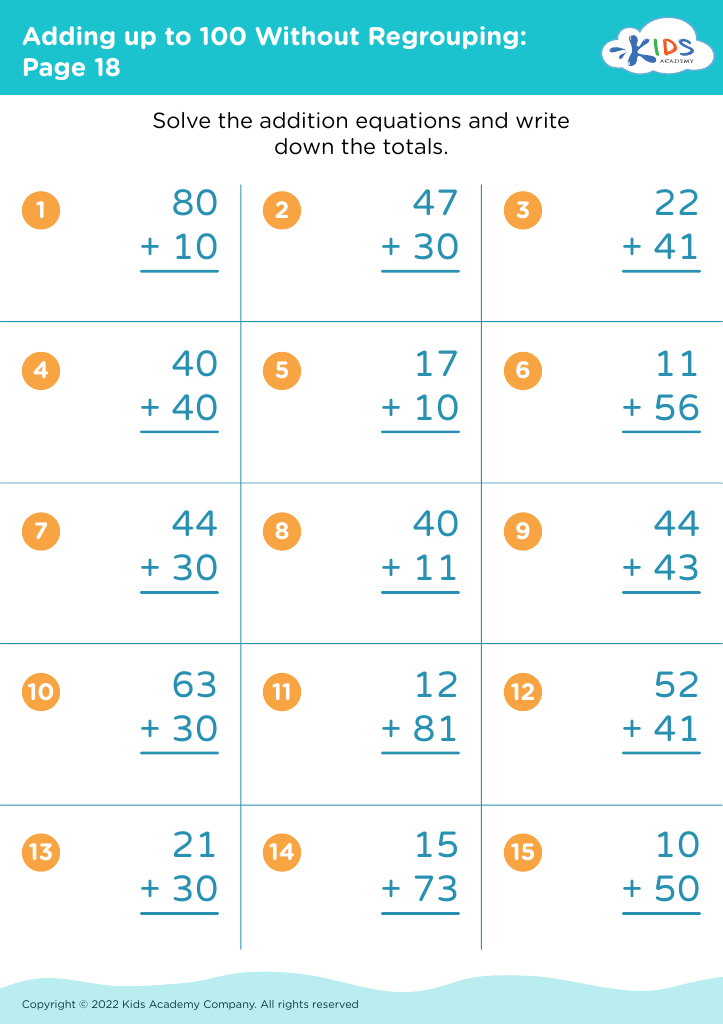
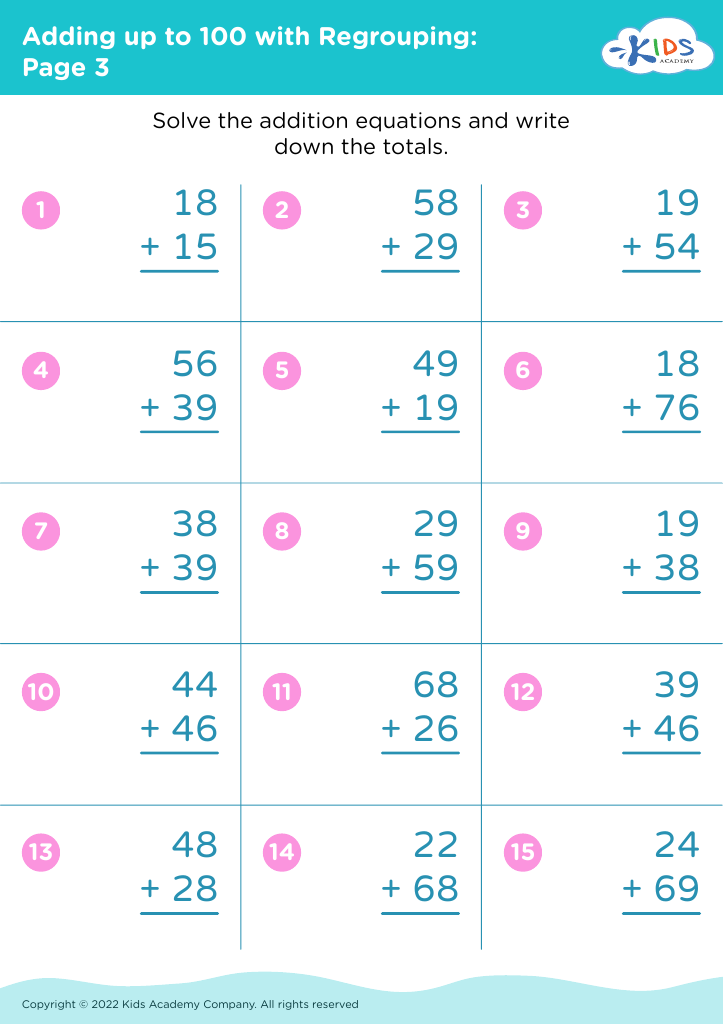
Enhance your child’s math skills with our Problem-Solving Practice Addition Worksheets, designed specifically for ages 3 to 7. These engaging worksheets help young learners develop essential addition skills through fun problem-solving activities. Each worksheet features age-appropriate scenarios that encourage critical thinking and comprehension, allowing children to apply their math knowledge in real-world contexts. With colorful illustrations and interactive exercises, these worksheets make learning enjoyable while helping children build a strong foundation in mathematics. Ideal for use at home or in the classroom, our Problem-Solving Practice Addition Worksheets will motivate and inspire your young learners to master addition skills confidently!
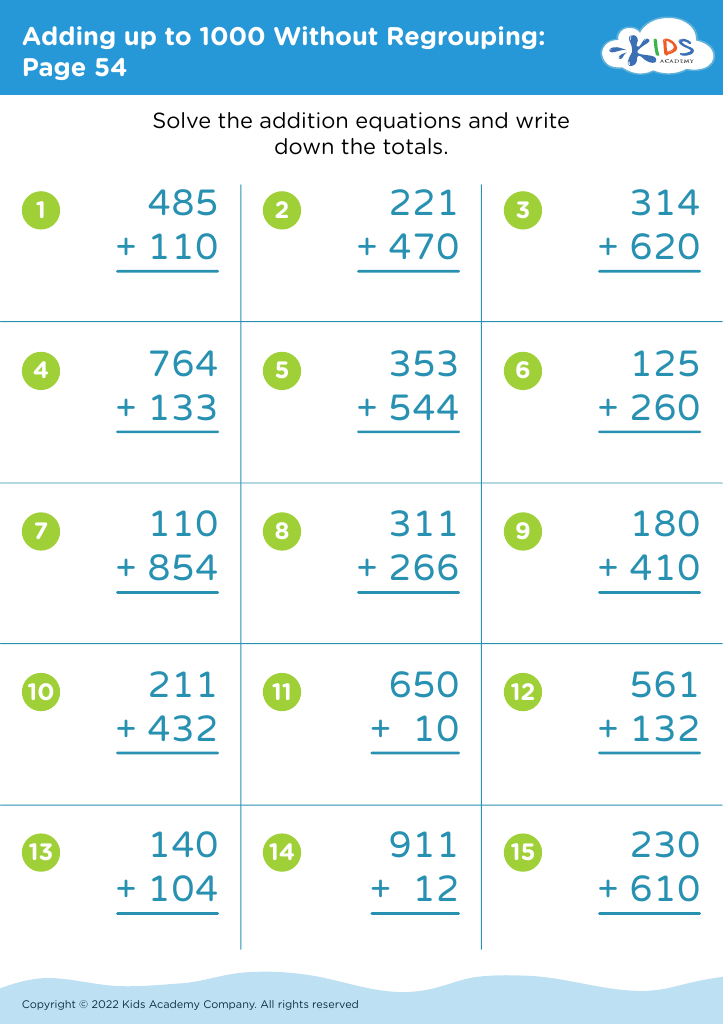
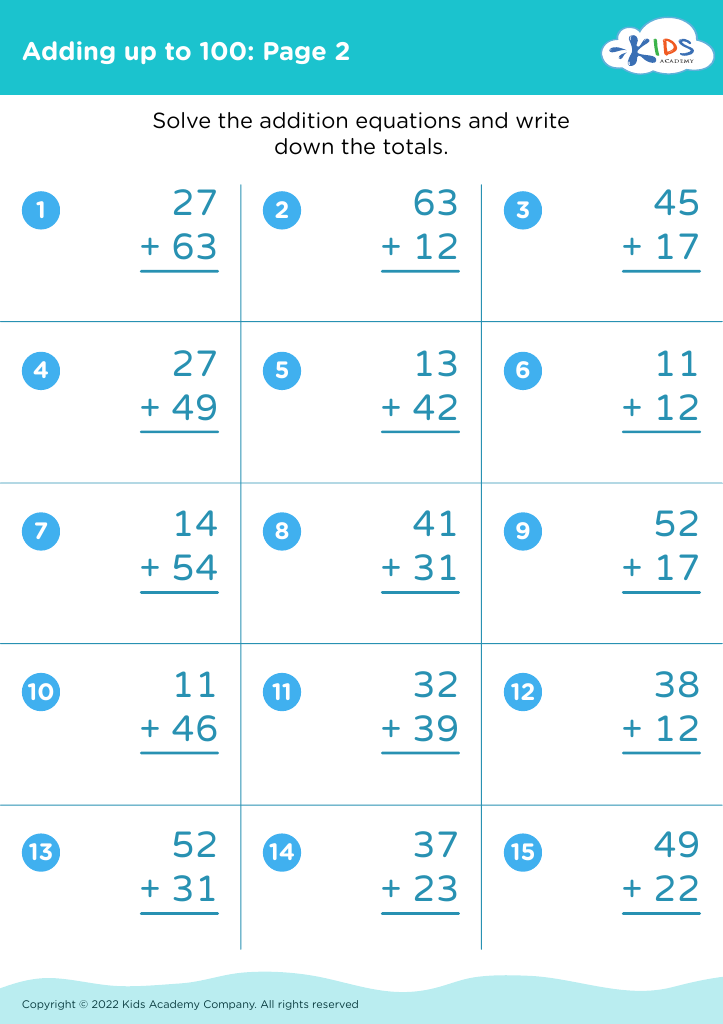
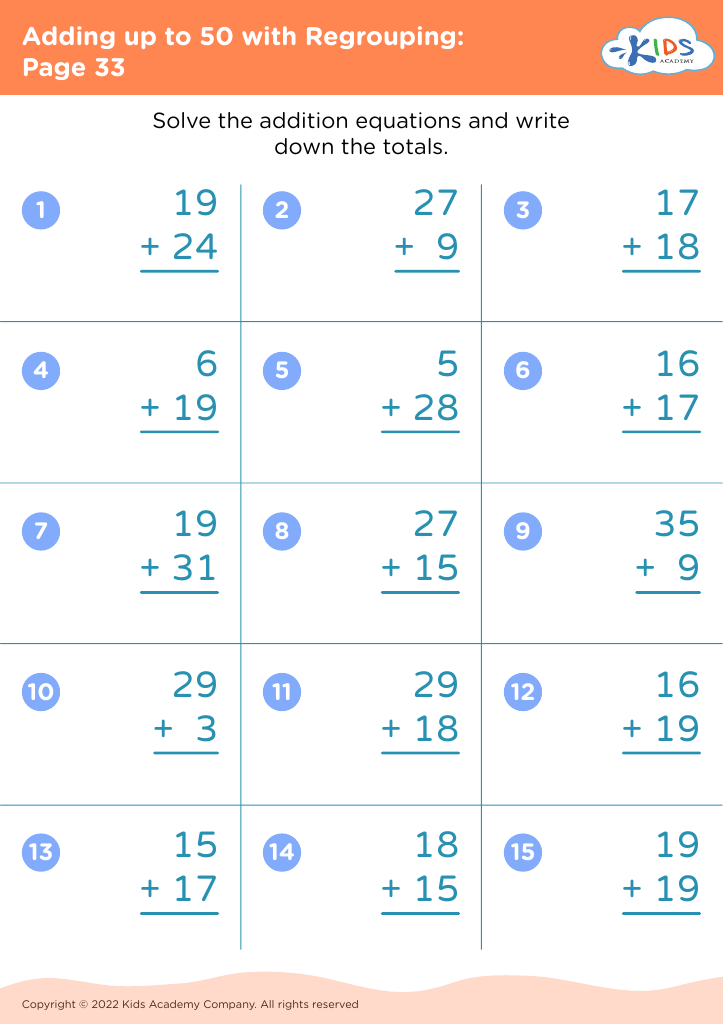
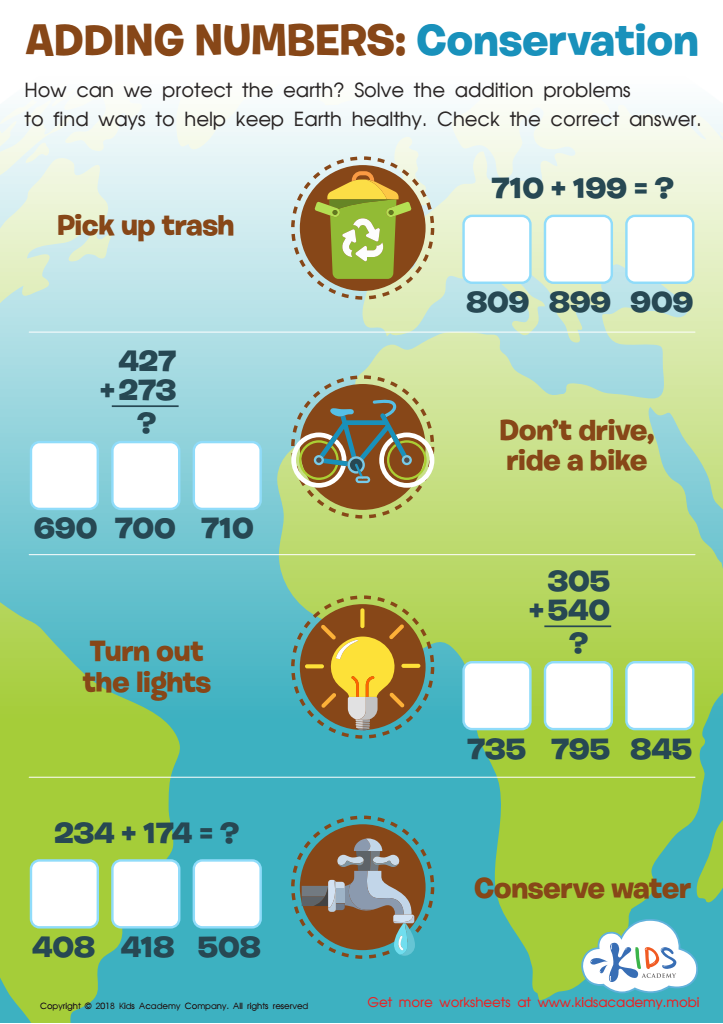
Adding Numbers: Conservation Worksheet
 Assign to My Students
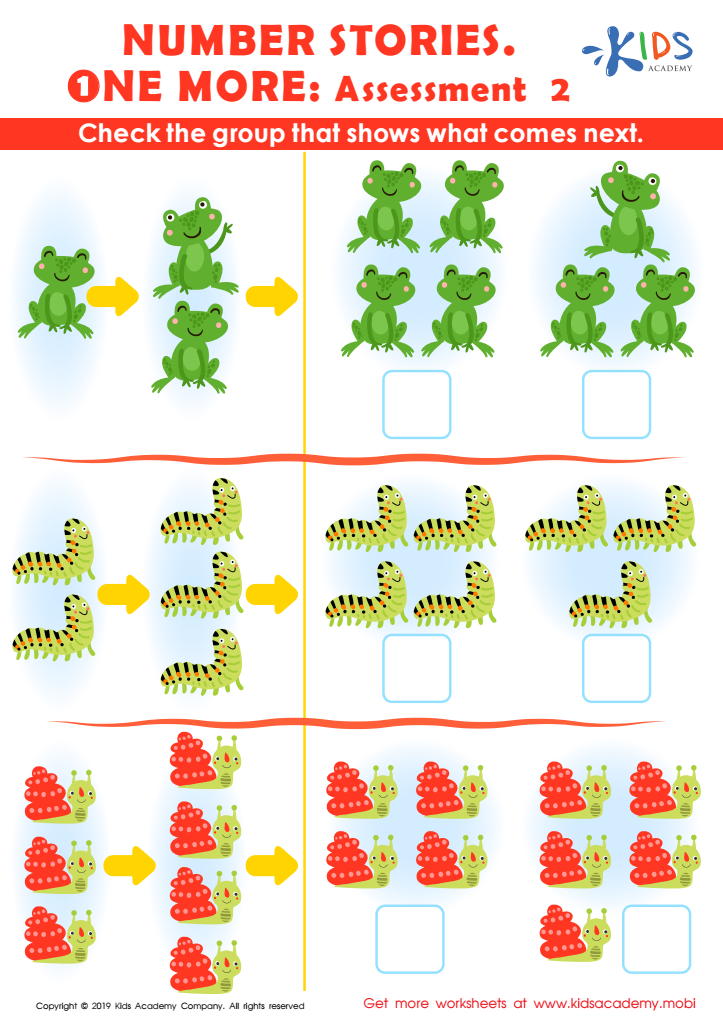
Number Stories One More – Assessment 2 Worksheet
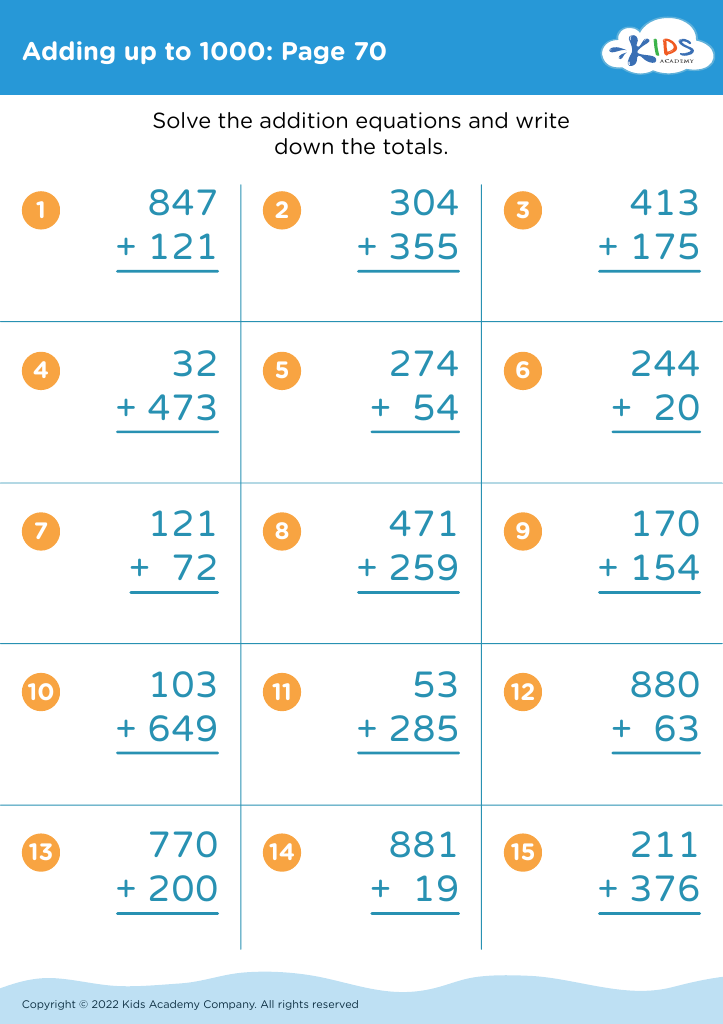
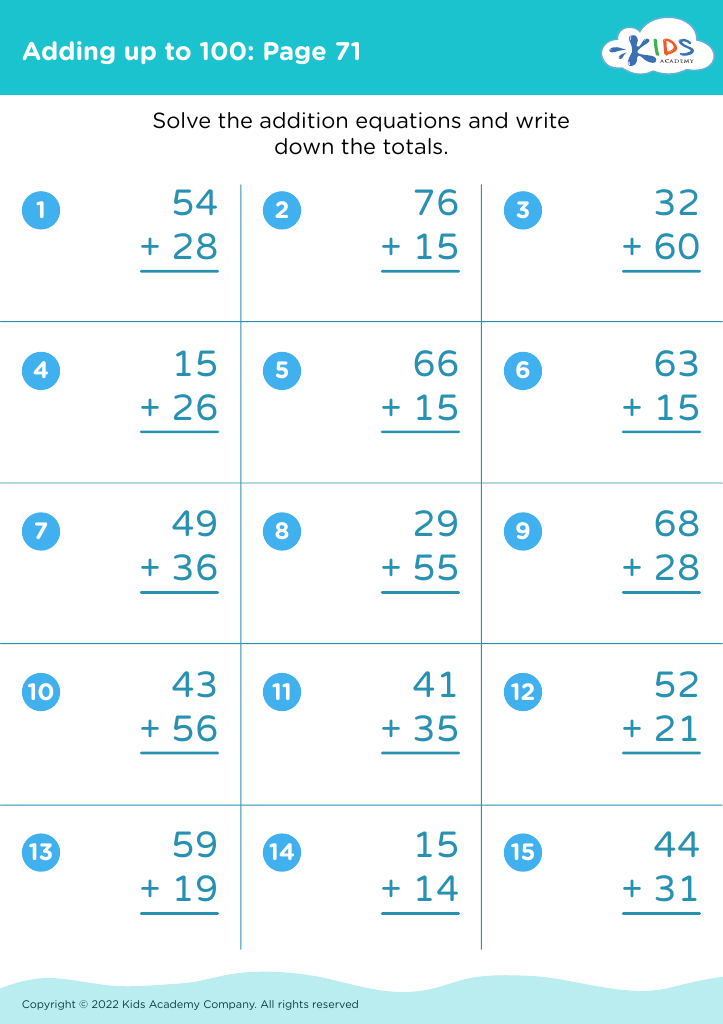
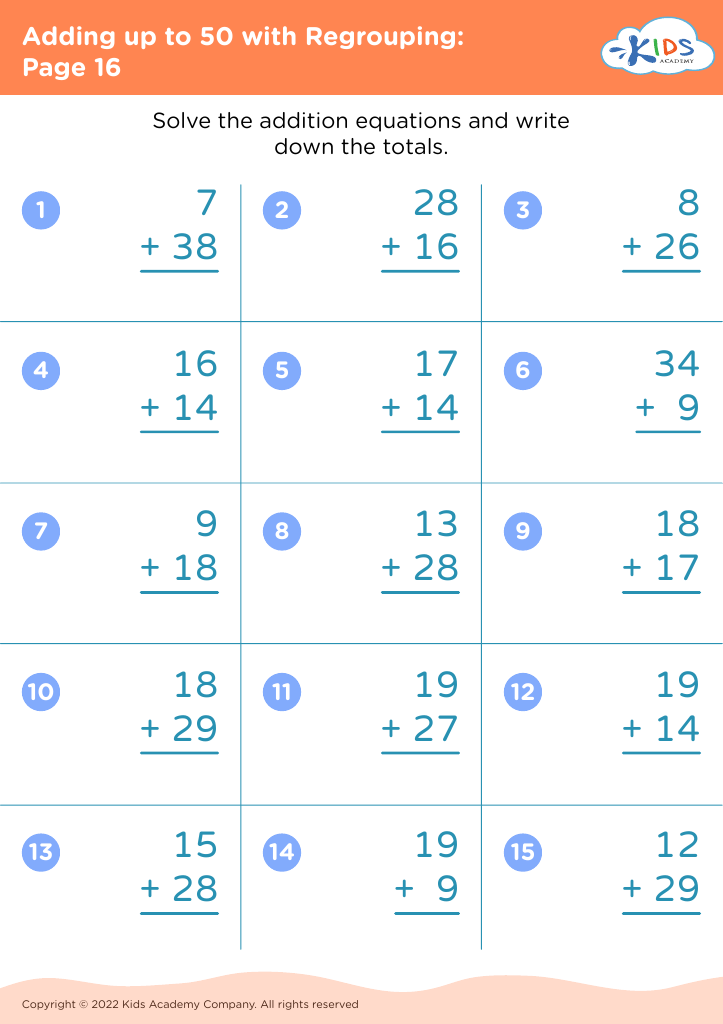
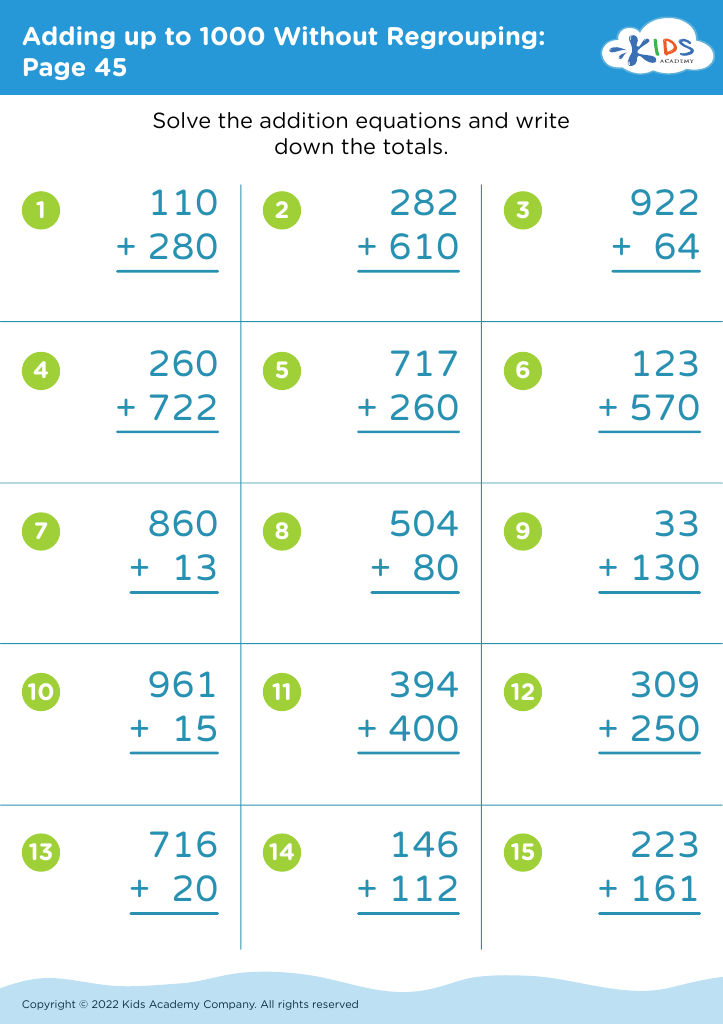








Problem-solving practice in addition for children aged 3-7 is crucial for several reasons. First, it develops essential cognitive skills. During these formative years, children learn to reason, think critically, and approach problems systematically. By engaging in addition problem-solving, they enhance their ability to analyze situations, recognize patterns, and develop strategies, all of which are vital for their overall academic success.
Secondly, fostering problem-solving skills in addition helps children build a strong mathematical foundation. Early exposure to math concepts improves their numeracy skills and instills confidence in their abilities. This encouragement paves the way for positive attitudes toward math and learning, reducing anxiety around the subject later in life.
Moreover, practicing addition through problem-solving encourages cooperation and communication skills. When working in pairs or groups, children learn to articulate their thought processes, share ideas, and collaborate to find solutions.
Finally, engaging in these activities creates a joyful learning environment. Fun, interactive problem-solving experiences motivate children to explore and enjoy math rather than viewing it as a chore. This love for learning is fundamental to helping them grow into curious, capable learners who are better equipped to face future academic challenges. Overall, problem-solving practice in addition serves as a cornerstone for holistic growth in young learners.








