







Recognizing shapes and understanding addition are fundamental skills for children aged 3 to 7, forming the building blocks for later mathematical concepts. For parents and teachers, fostering these skills is essential for several reasons.
Firstly, shape recognition enhances visual perception and critical thinking. By identifying and classifying shapes, children develop spatial awareness, which is crucial for everyday tasks and advanced mathematical reasoning. Engaging with shapes through playful activities lays a strong foundation for geometry skills as they progress in their education.
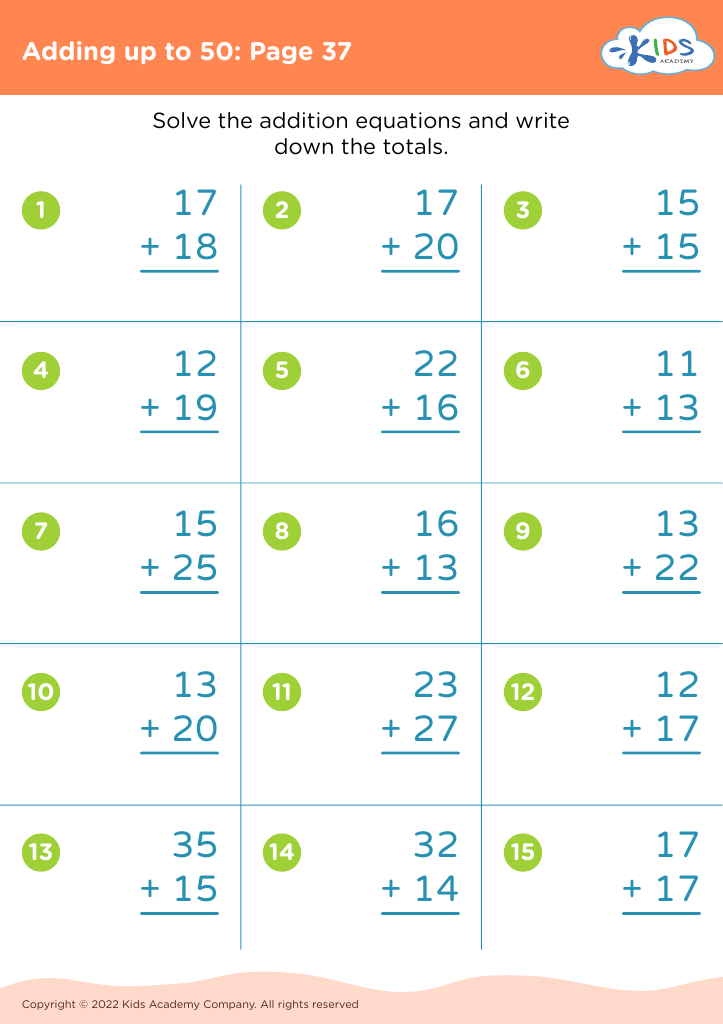
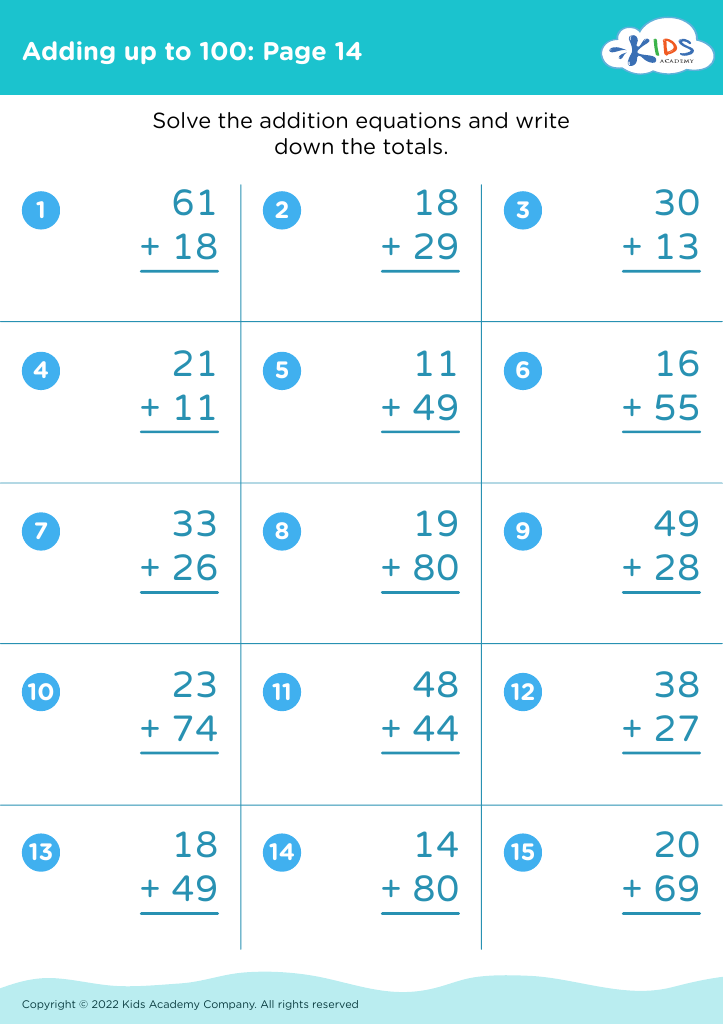
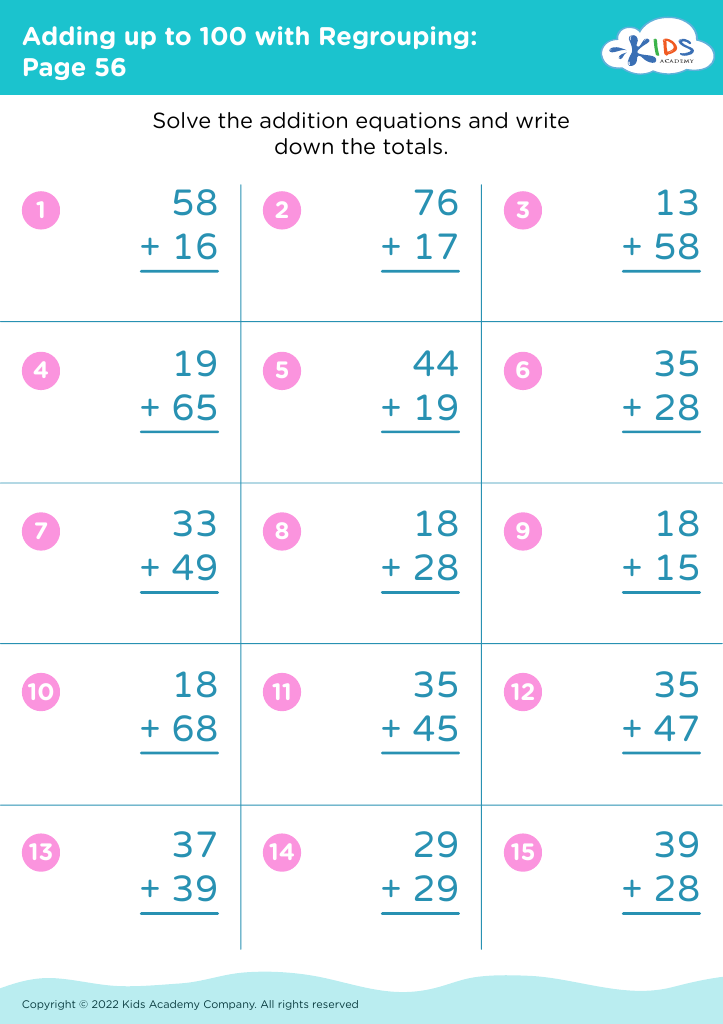
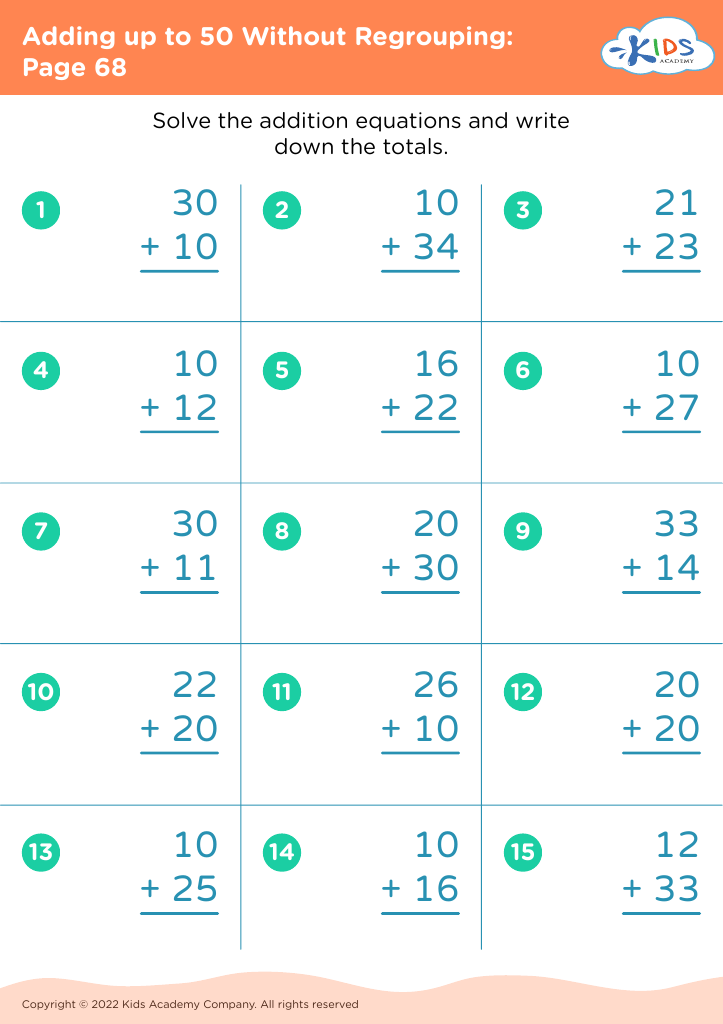
Moreover, introducing basic addition at this age nurtures numerical fluency. Simple addition helps children understand quantity and enables them to make sense of the world around them—counting objects, sharing with others, or measuring ingredients in cooking, for instance. Through interactive and enjoyable practices, such as song games and physical activities, children can develop a positive mindset towards math.
Ultimately, when parents and teachers prioritize shape recognition and addition, they equip children with essential cognitive tools. These skills promote not only academic success but also foster confidence and joy in learning. By recognizing these foundational skills early on, adults play a pivotal role in cultivating children's ability to think critically and solve problems throughout their lives.








