





.jpg)

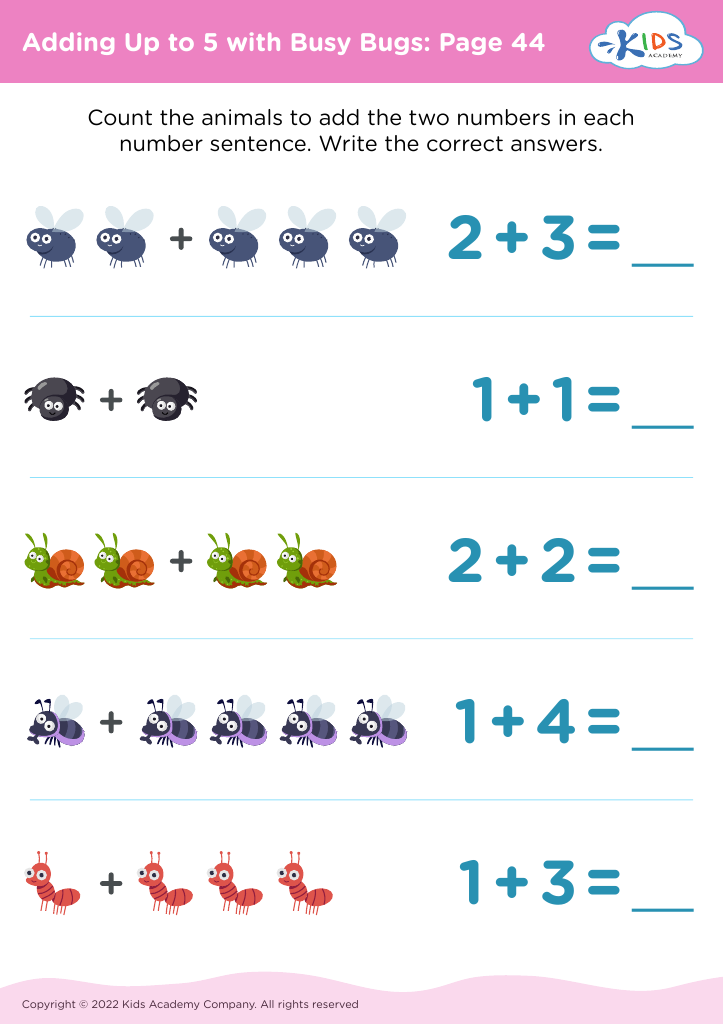
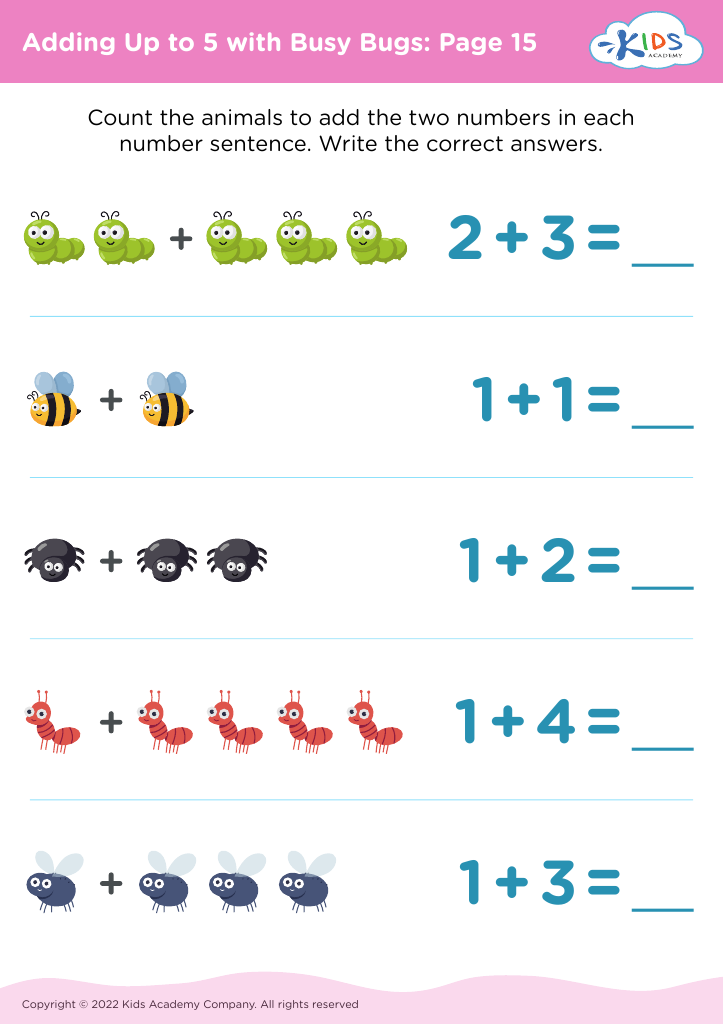
Understanding quantity addition at an early age is fundamental for several reasons. For children aged 3-7, grasping the concept of addition goes beyond simple math; it sets the stage for critical cognitive development. When young children learn to add quantities, they develop early numeracy skills, which are essential for their academic journey. Introduction to addition helps them understand the connection between numbers and quantities, fostering basic arithmetic skills that are crucial as they advance in their education.
Moreover, engaging children in addition activities supports their problem-solving and logical thinking skills. As they figure out how to sum quantities, they practice decision-making and strategy, which enhances their overall cognitive abilities. This foundational knowledge is necessary for more complex mathematical concepts they will encounter later on.
Additionally, early math skills are strongly linked to positive outcomes in literacy and other subjects. Children who excel in early math often have better self-esteem and a positive attitude toward learning because they feel competent in academia. Parents and teachers who prioritize early math skills help set children up for future success, ensuring they have the tools they need to navigate various challenges both inside and outside the classroom. Therefore, making addition enjoyable and relevant at this stage is of utmost importance.








