Understanding seasons Addition Worksheets for Ages 3-7
3 filtered results
-
From - To
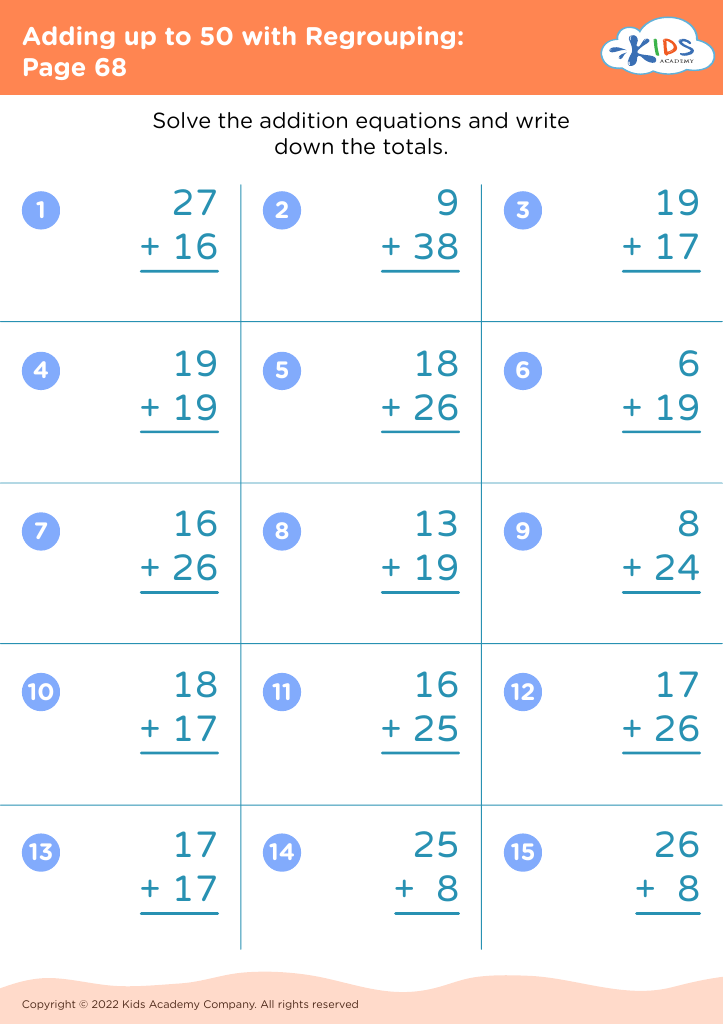
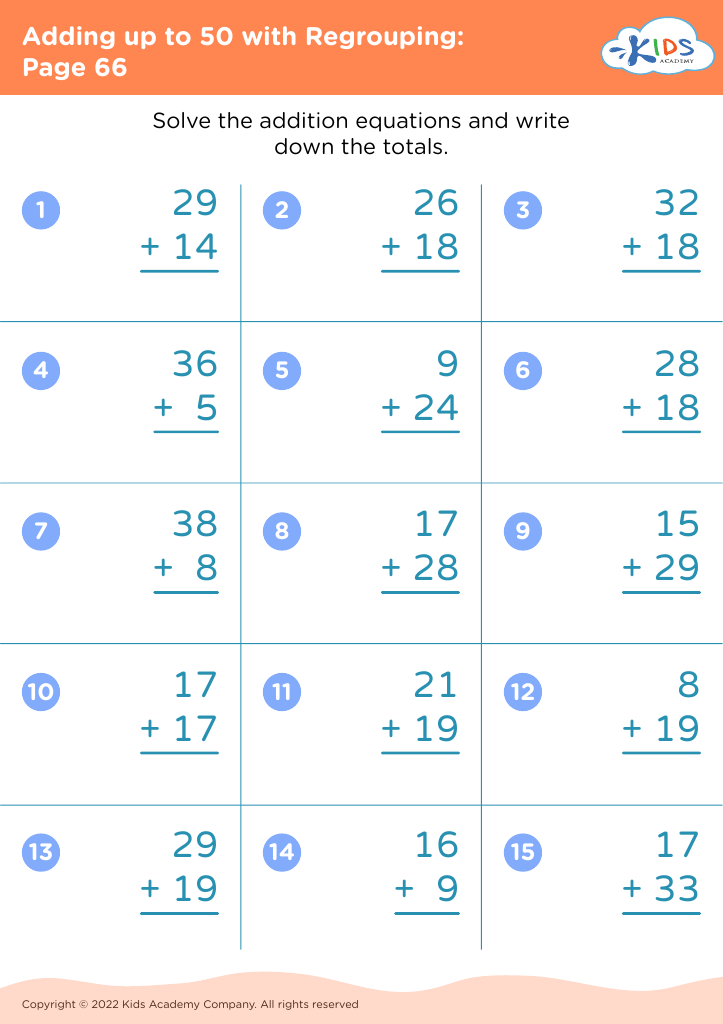
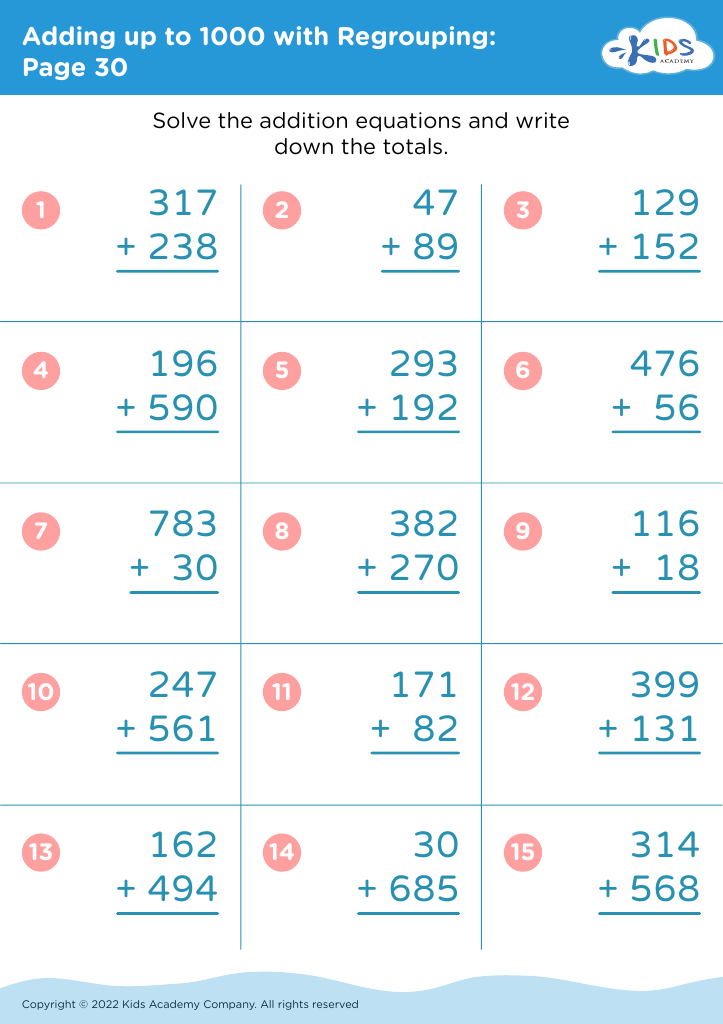
Welcome to our "Understanding Seasons Addition Worksheets" for kids aged 3-7! Designed to seamlessly blend learning with the excitement of seasons, these engaging worksheets focus on enhancing young learners' addition skills while introducing them to nature’s changes throughout the year. Through fun illustrations and seasonal themes, children will gain foundational math skills as they solve simple addition problems related to spring blooms, summer fun, autumn leaves, and winter wonders. Ideal for teachers and parents alike, our worksheets foster creativity and critical thinking, making early math learning an enjoyable experience. Explore the beauty of seasons while boosting your child's math confidence today!








Understanding seasons is crucial for children ages 3-7 as it plays a significant role in their cognitive and emotional development. First, recognizing the seasons helps children develop observational skills, as they learn to notice changes in weather, clothing, and nature over time. This observational learning fosters curiosity and encourages them to ask questions about their environment.
Moreover, learning about seasons can enhance their social and emotional understanding. Each season brings unique celebrations and traditions, such as holidays or festivals, helping children develop a sense of identity and belonging. By participating in these seasonal activities, they gain opportunities for social interaction, building relationships with peers and caregivers.
Additionally, incorporating seasonal change into lessons can provide engaging, hands-on learning experiences. For instance, children can explore seasonal art projects, science experiments related to weather change, or even gardening activities tied to seasonal planting. These experiences can promote critical thinking and problem-solving skills.
Finally, understanding seasons can foster a deeper connection with nature, teaching kids the importance of ecosystems and environmental awareness from an early age. Ultimately, caring about this fundamental concept helps parents and teachers nurture well-rounded, observant, and socially engaged learners ready to appreciate the world around them.








