Improving counting skills Comparing Numbers Worksheets for Ages 3-7
3 filtered results
-
From - To
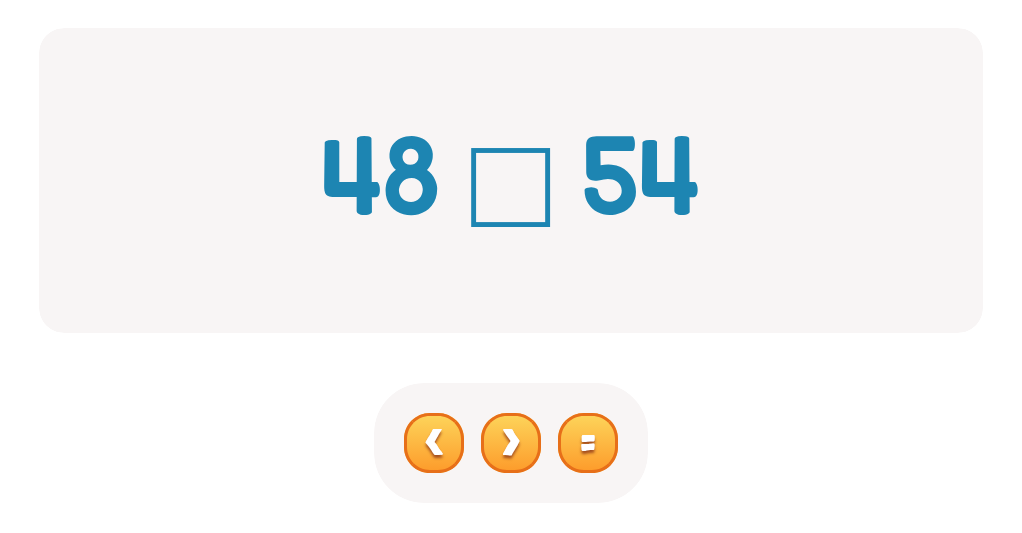
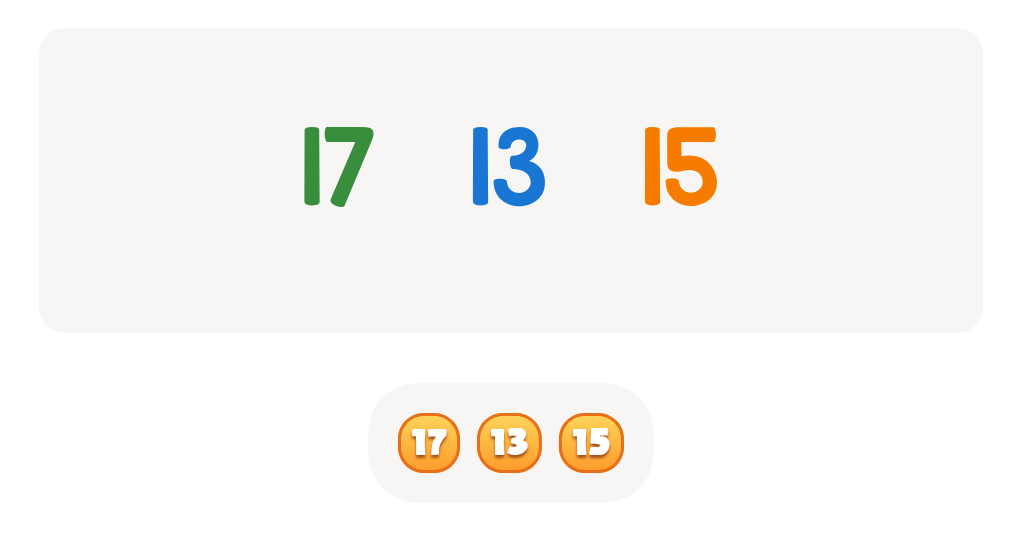
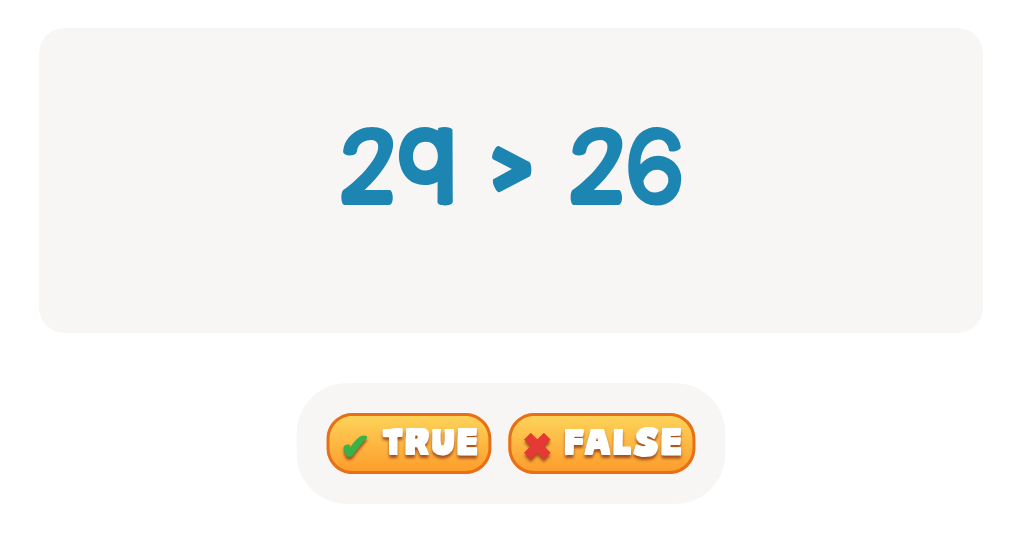
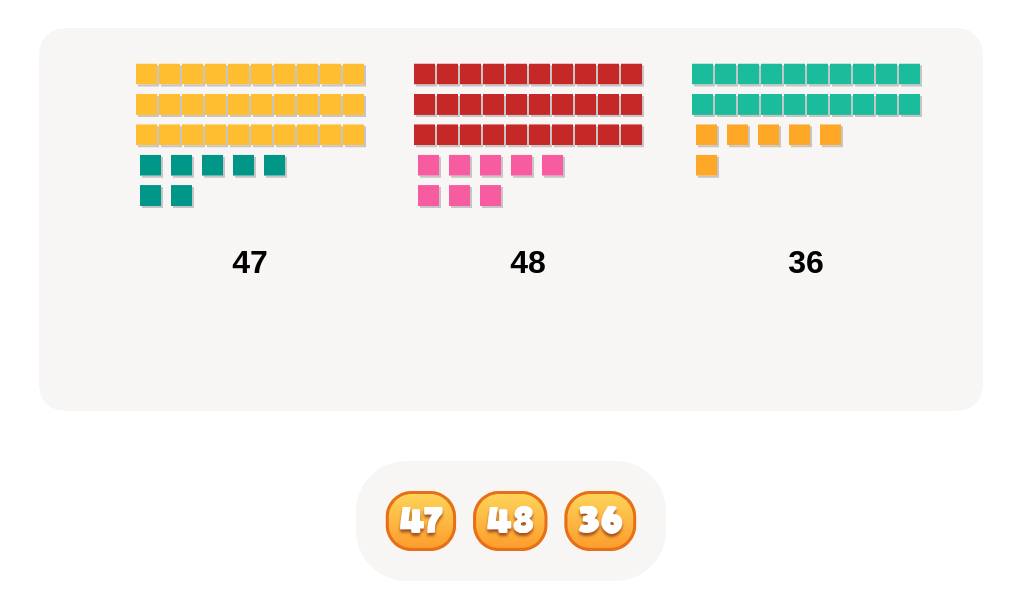
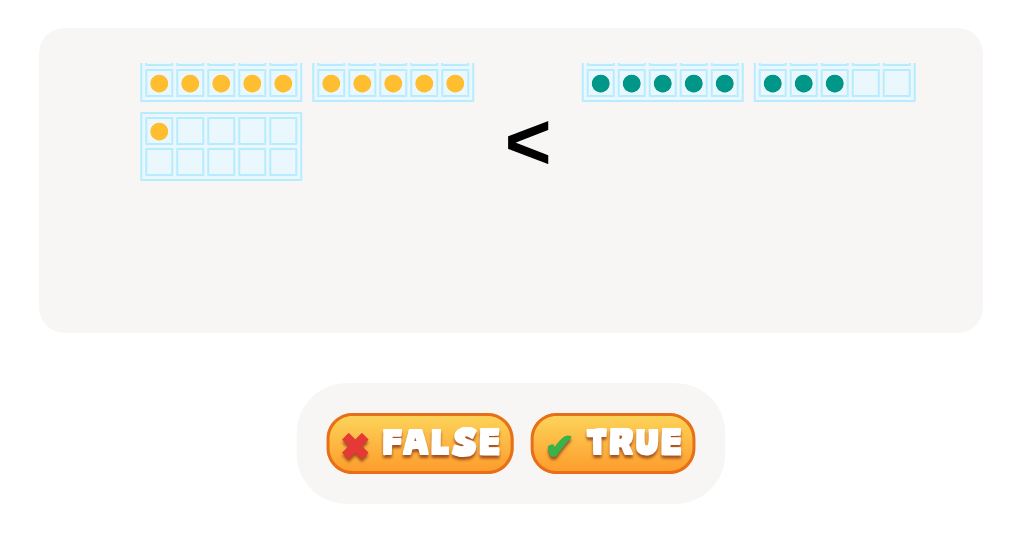
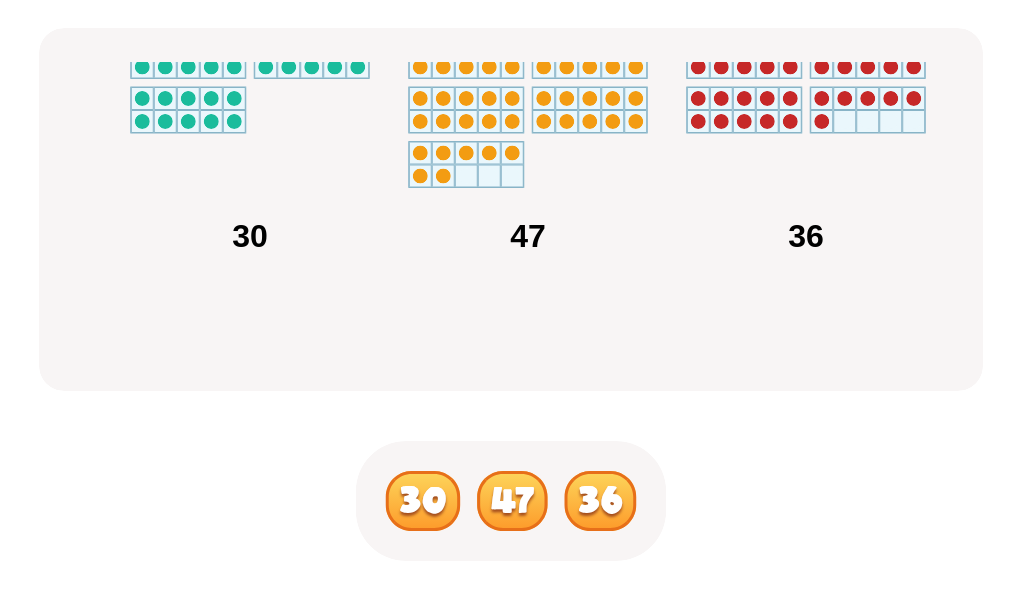
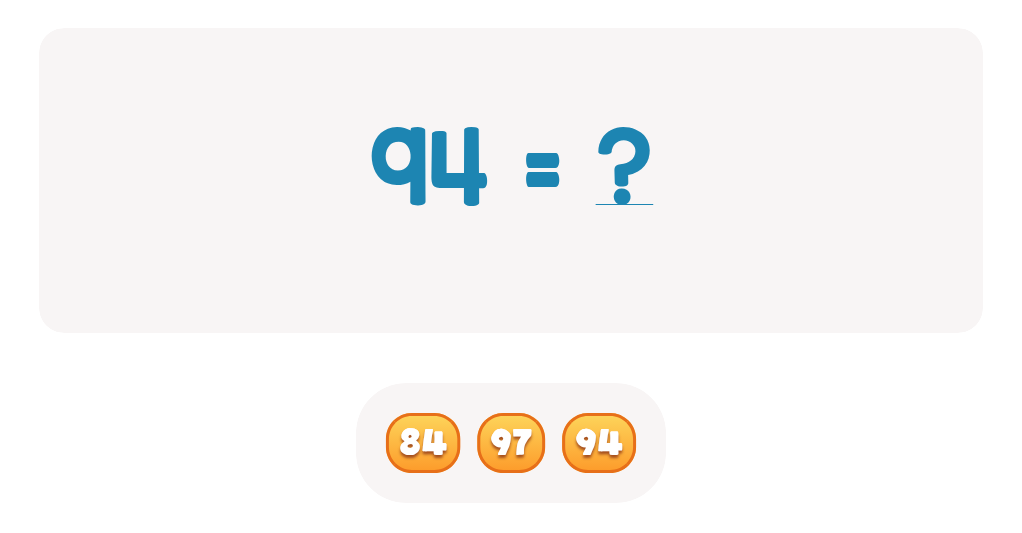
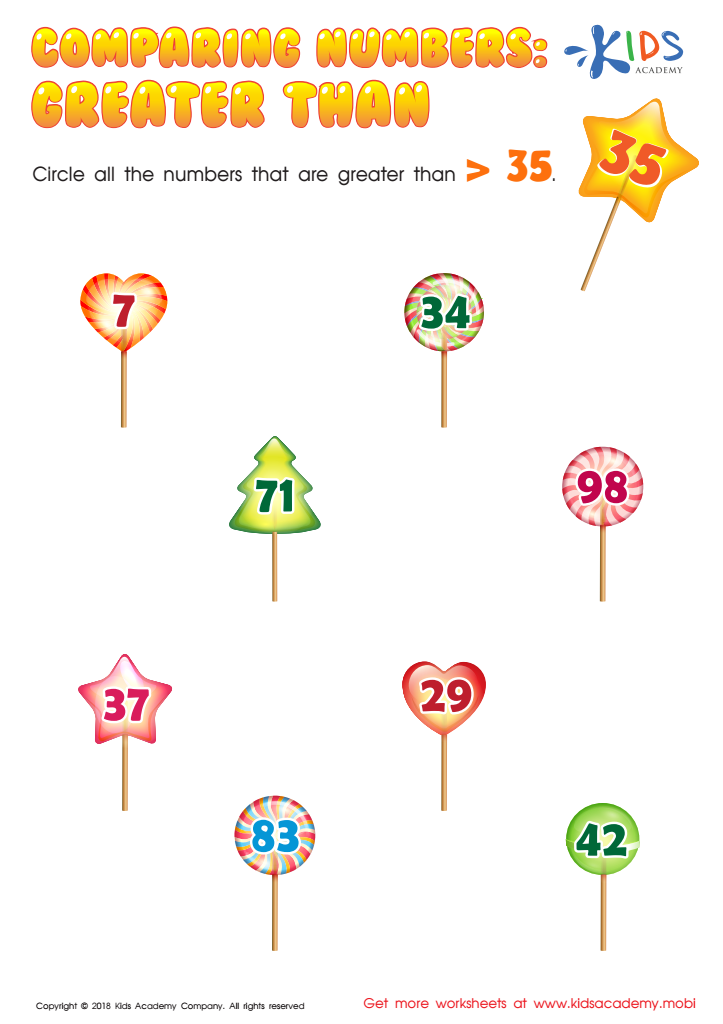
Enhance your child's number skills with our "Comparing Numbers Worksheets," designed for ages 3-7. These engaging activities help young learners develop critical counting and comparison abilities. By practicing with a variety of colorful and interactive worksheets, children can master concepts like greater than, less than, and equal to. Our worksheets encourage hands-on participation and motivate kids to explore numbers in a fun, playful environment. Ideal for both home and classroom use, these resources foster confidence and fluency in counting while laying a strong foundation for future math success. Download today and watch your little ones thrive in their mathematical journey!
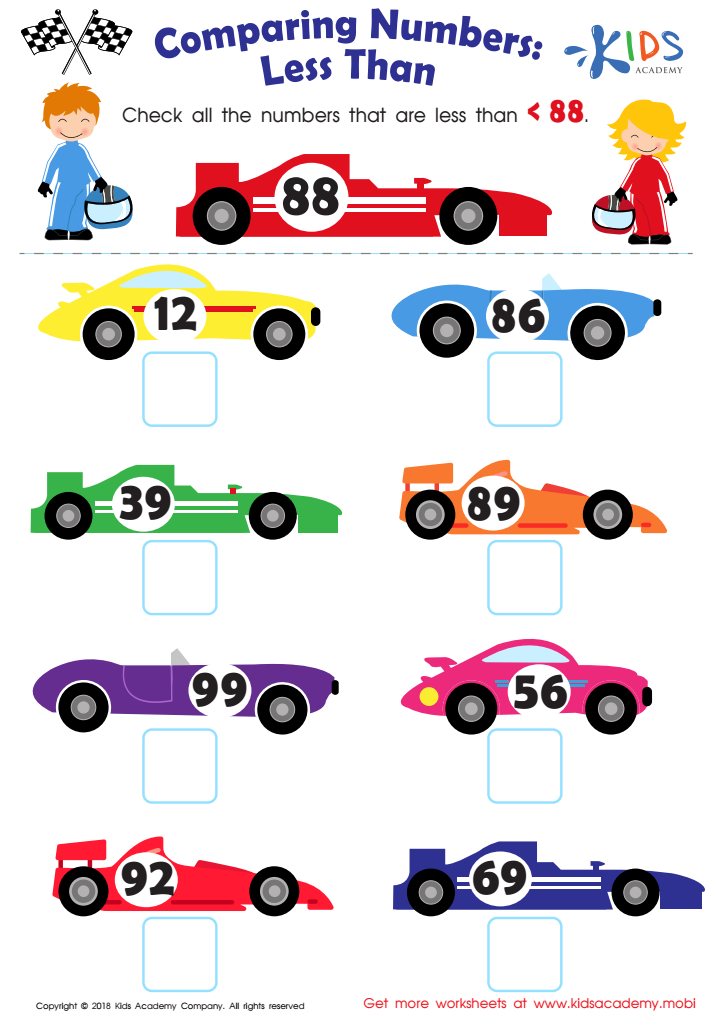
Less Than Worksheet
 Assign to My Students
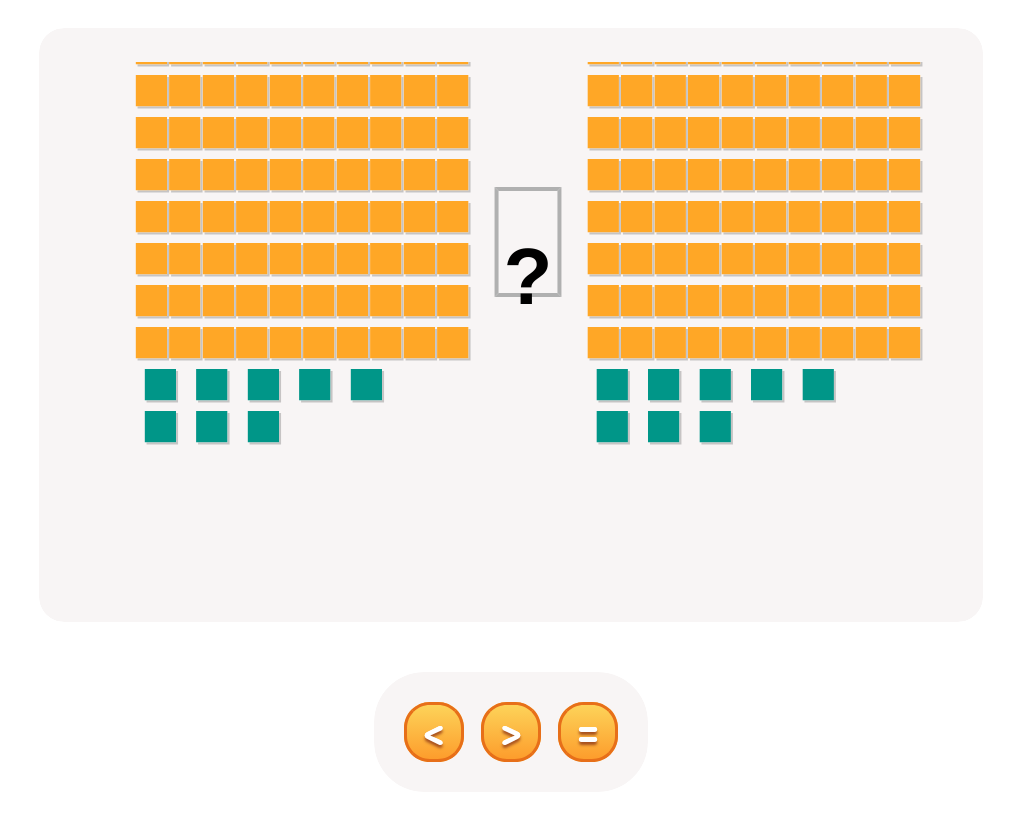

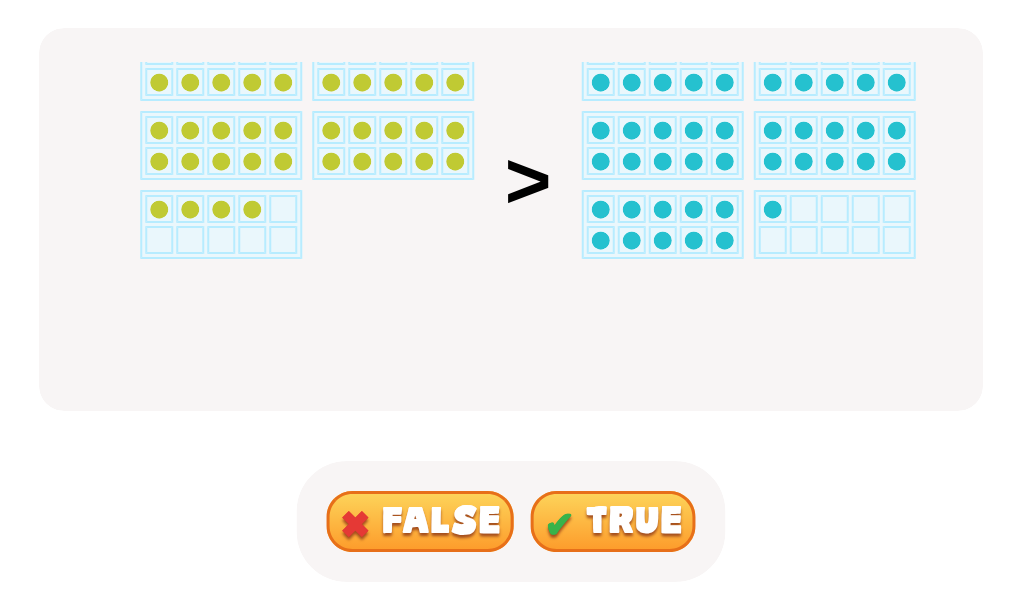
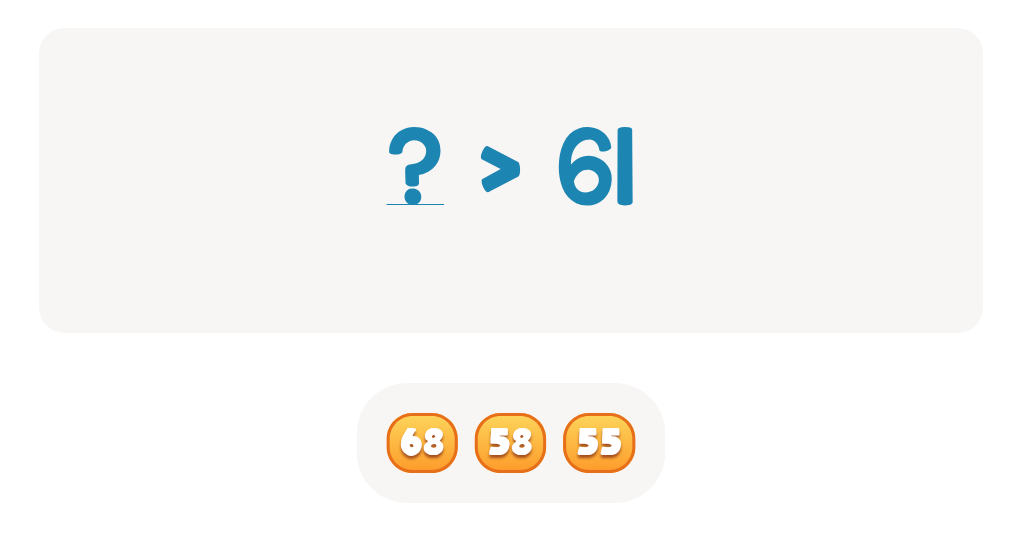
Greater Than Worksheet
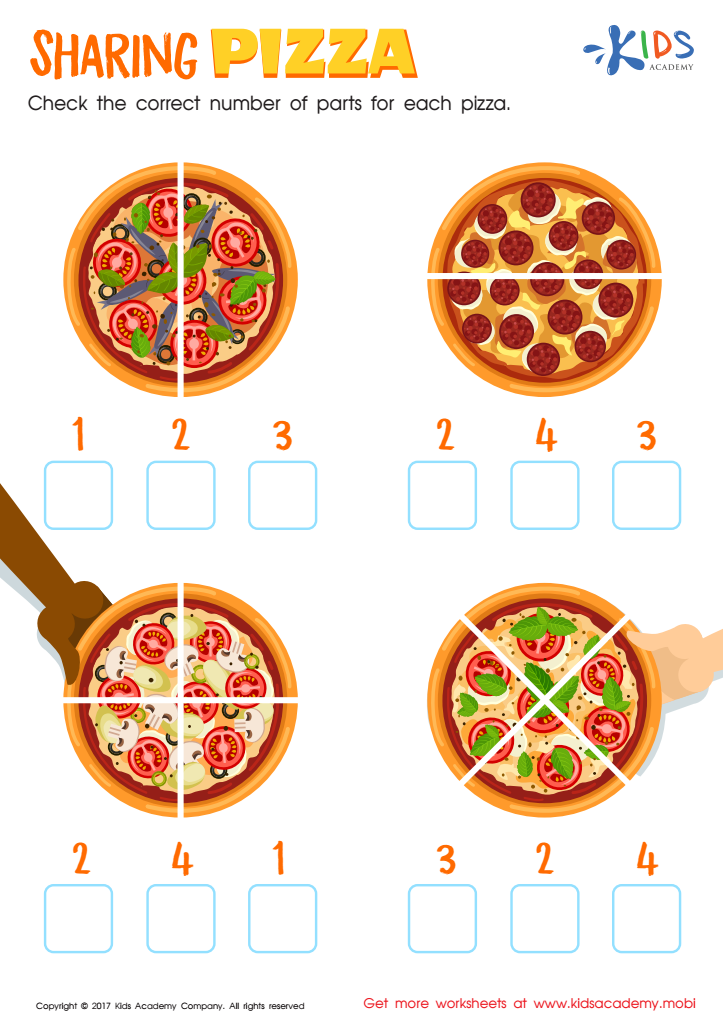
Sharing Pizza Worksheet




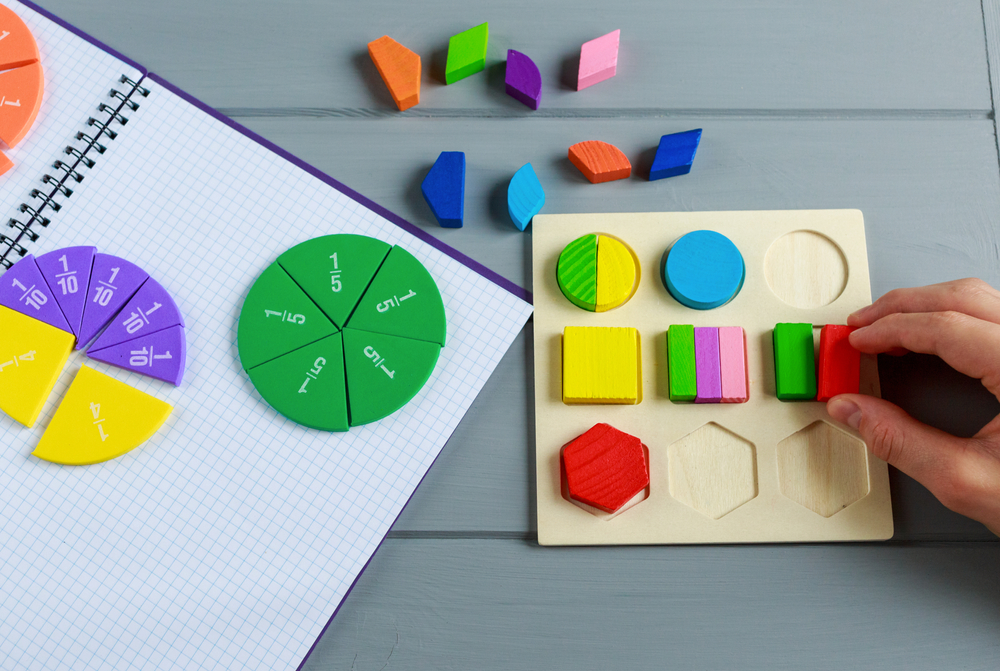



Improving counting skills and the ability to compare numbers is essential for children aged 3 to 7, as these foundational skills play a crucial role in their overall cognitive development and future academic success. At this early age, children are like sponges, eager to learn and develop crucial mathematical competencies. Understanding how to count and compare numbers equips them with necessary problem-solving tools, encourages logical thinking, and builds confidence in their mathematical abilities.
By mastering counting skills, children can better understand quantity and learn how to organize and categorize objects, fostering essential skills for other subjects beyond mathematics. Comparing numbers helps them grasp concepts such as "greater than," "less than," and "equal to," laying the groundwork for more complex topics such as addition, subtraction, and data interpretation.
Moreover, early exposure to these skills encourages a positive attitude toward math, reducing math anxiety as they grow. For parents and teachers, supporting their children in developing counting and comparison skills fosters a strong base for lifelong learning and helps children navigate everyday situations that require numerical comprehension. Investing time in these skills not only benefits the child’s immediate academic progress but also plants the seeds for a strong, confident mathematical mindset in the long run.








