Understanding patterns Numbers Worksheets for Ages 3-7
6 filtered results
-
From - To
Introducing our "Understanding Patterns Numbers Worksheets" designed specifically for children aged 3-7! These engaging and interactive worksheets help young learners grasp the concept of patterns, a fundamental skill in early math education. Through colorful activities and fun tasks, kids will identify, create, and extend various patterns using numbers and shapes. Our worksheets encourage critical thinking and strengthen problem-solving skills while making learning enjoyable. Perfect for home or classroom use, these resources foster a love for math and help lay a solid foundation for future academic success. Explore the joy of learning patterns and watch your child's confidence soar!
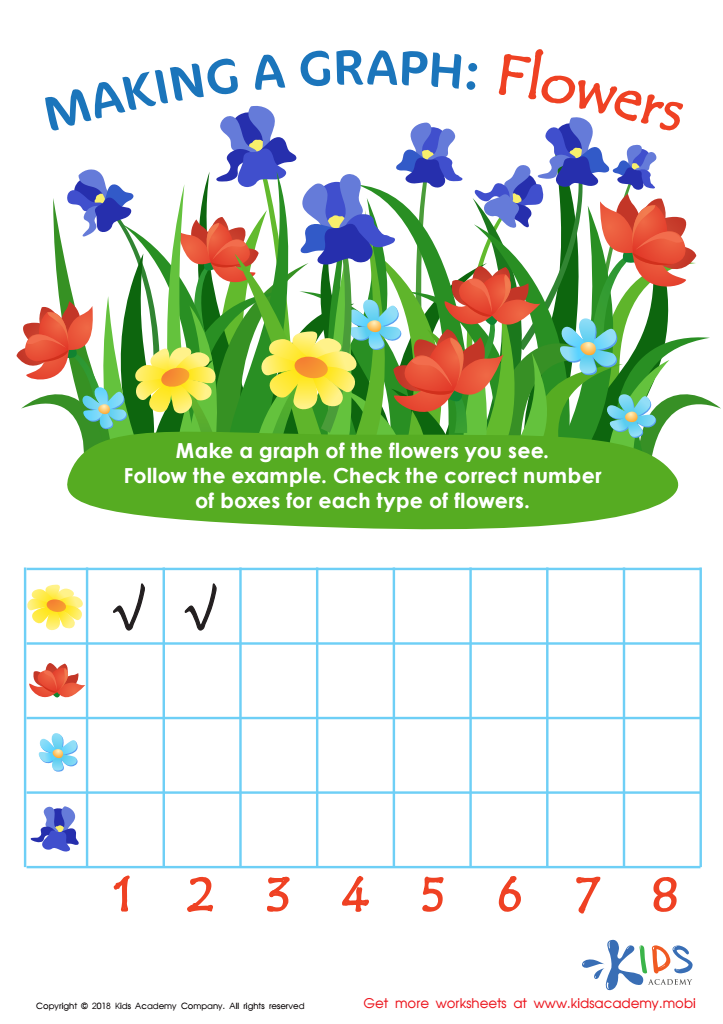
Making a Graph: Flowers Worksheet
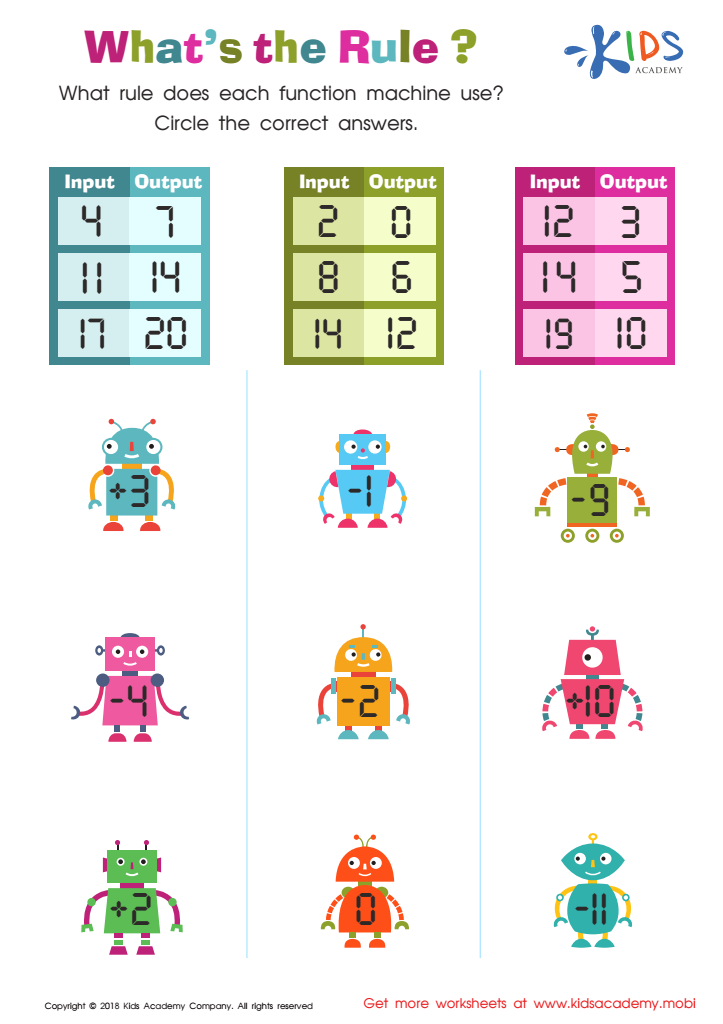
What's the Rule Worksheet
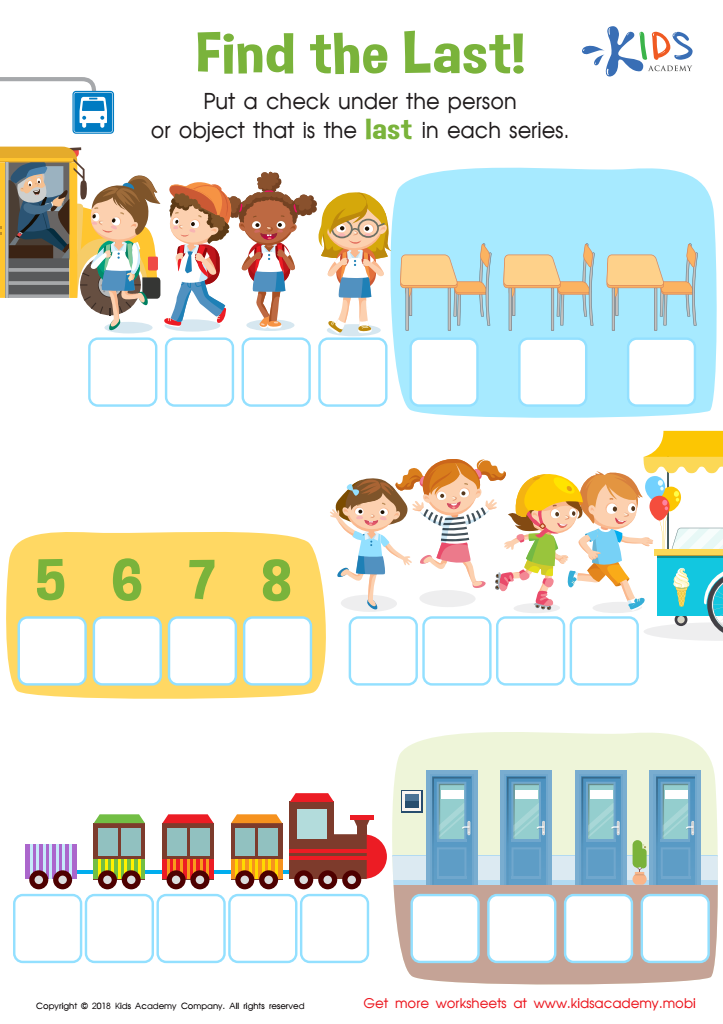
Find the Last! Worksheet
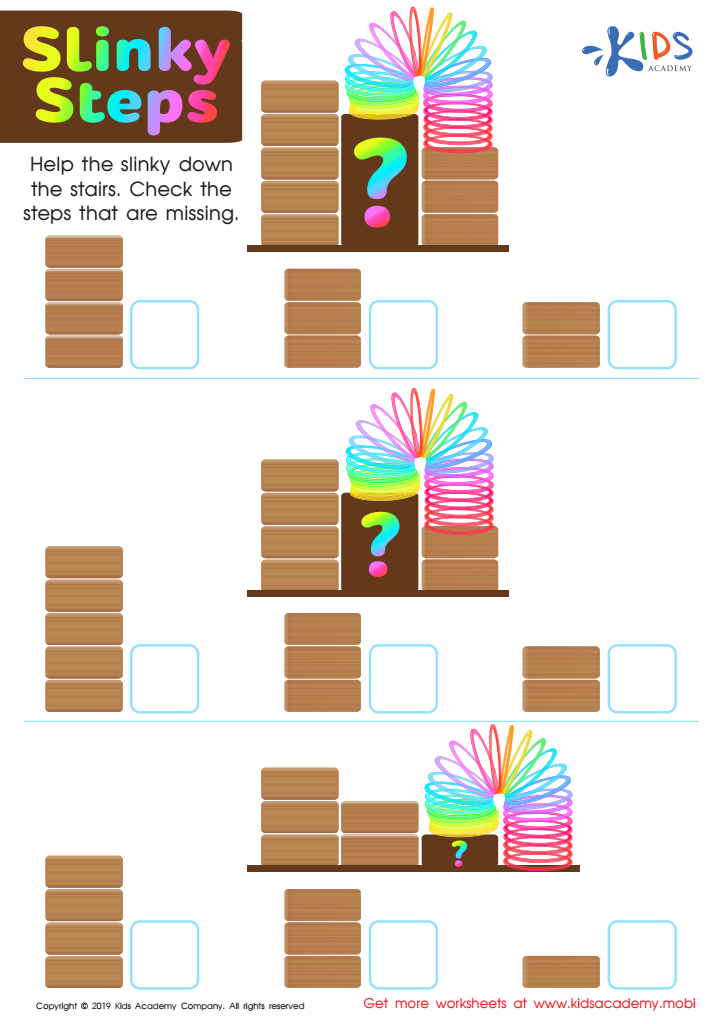
Slinky Steps Worksheet
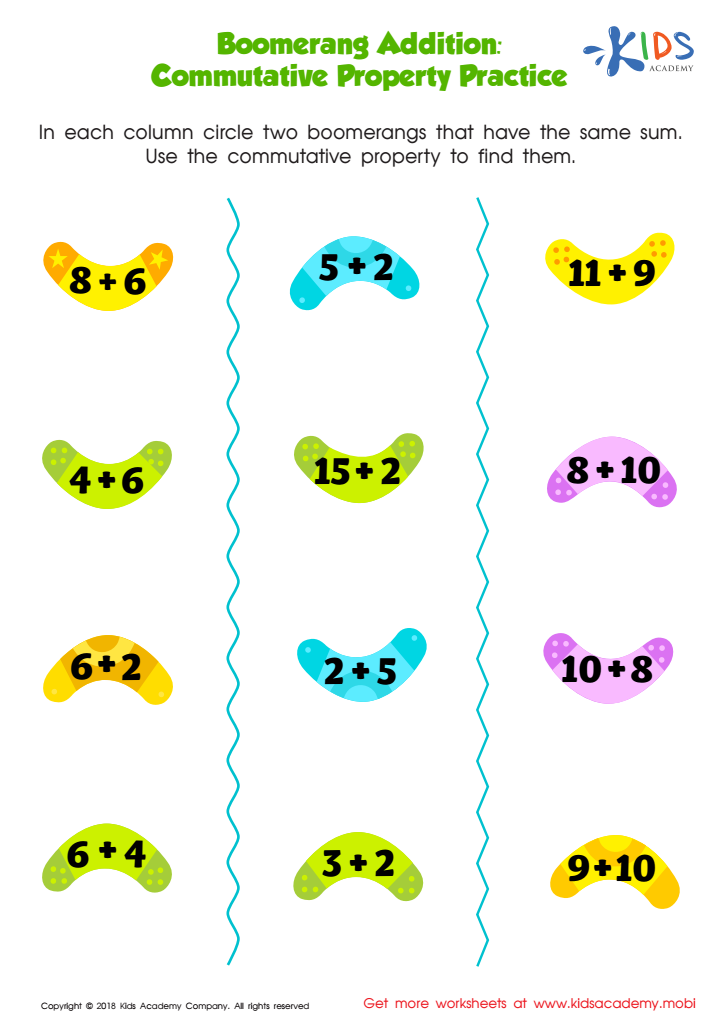
Boomerang Addition Worksheet
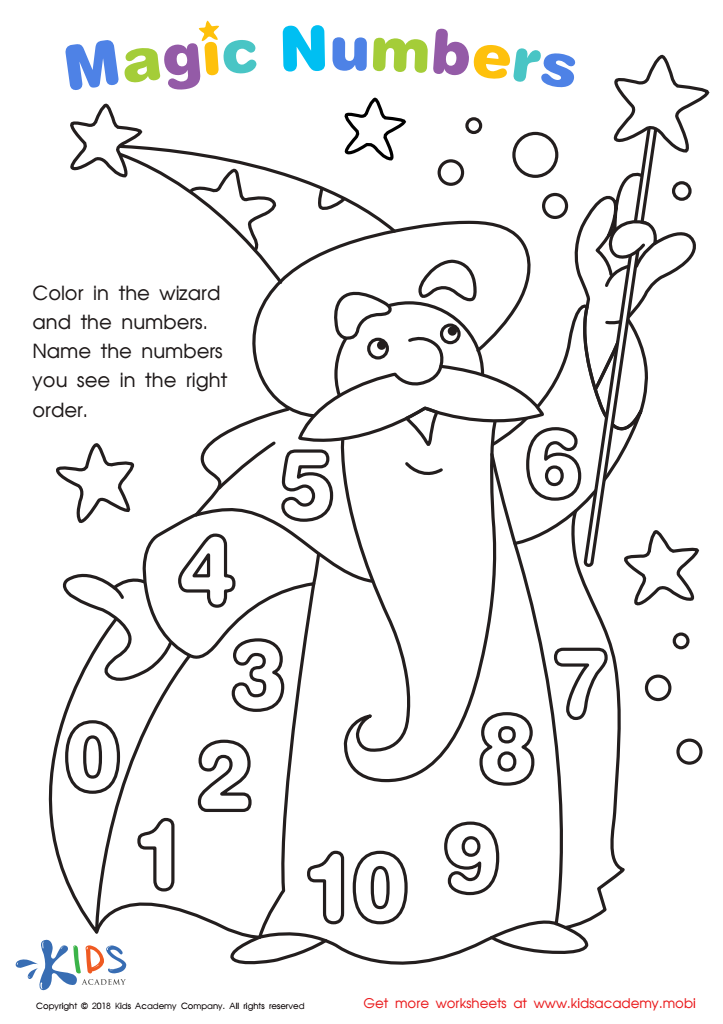
Magic Numbers Worksheet
 Assign to My Students



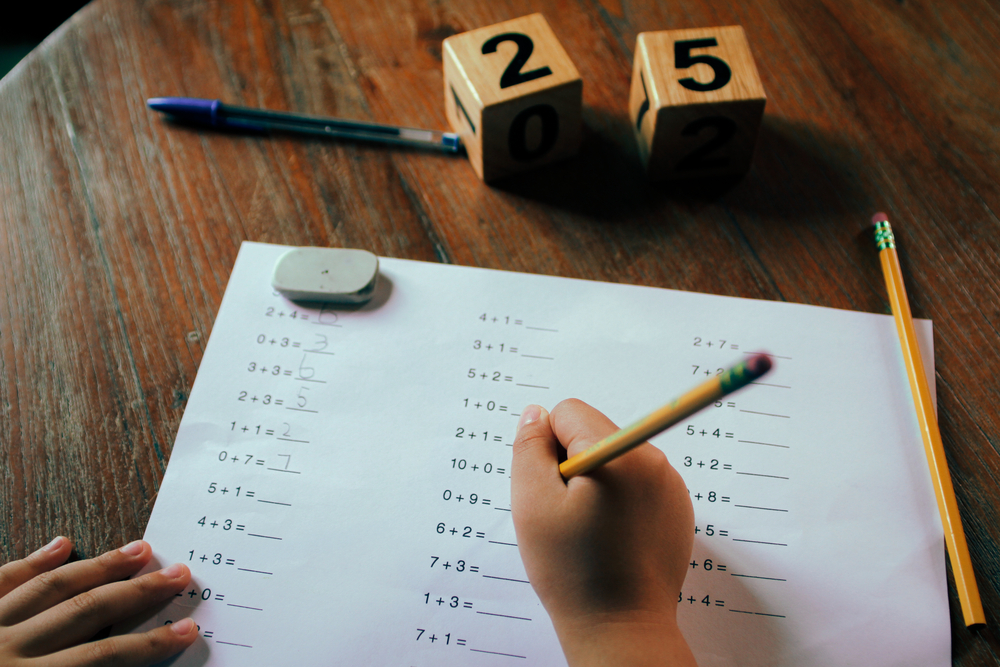
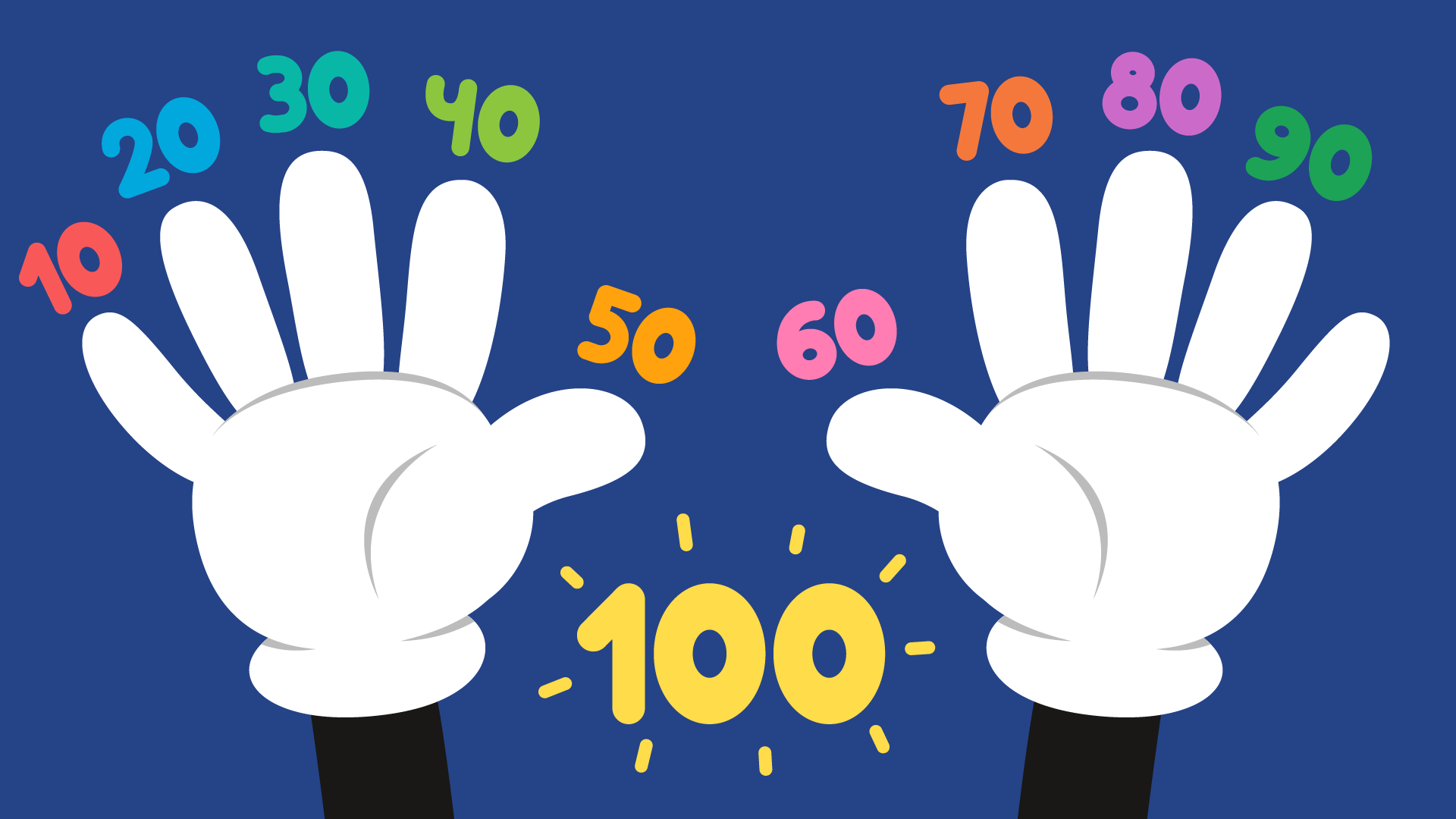


Understanding patterns and numbers is foundational for young children's cognitive development and future academic success. For children aged 3-7, engaging with patterns and numbers fuels critical thinking, problem-solving, and mathematical reasoning. Recognizing patterns helps children identify relationships and make predictions, essential skills in math and daily life.
When parents and teachers prioritize pattern recognition, they lay the groundwork for higher-level math concepts such as addition, subtraction, and eventually algebra. Early familiarity with numbers and patterns supports children in developing a positive attitude toward math, reducing anxiety about the subject later in their education. Learning about patterns can be as simple and enjoyable as creating sequences with block arrangements, participating in song rhythms, or exploring patterns in nature, making math concepts relatable and fun.
Furthermore, understanding patterns enhances children's ability to identify sequences in everyday situations, such as routines and environmental changes, enriching their observational skills and promoting logical thinking. This early exposure not only boosts self-esteem and confidence in their abilities but also fosters a lifelong love for learning. Therefore, parents and teachers should actively engage children in fun, meaningful mathematical experiences that emphasize patterns and numbers, strengthening their foundation for future success.








