Animal recognition Math Worksheets for Ages 3-7 - Page 5
111 filtered results
-
From - To
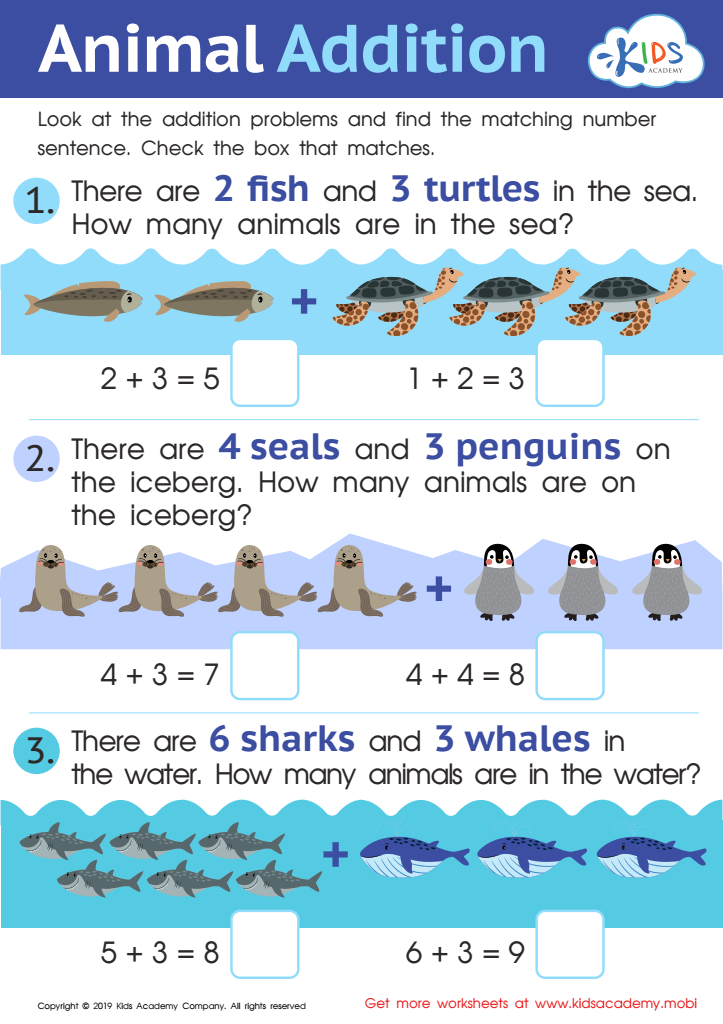
Animal Addition Worksheet
 Assign to My Students
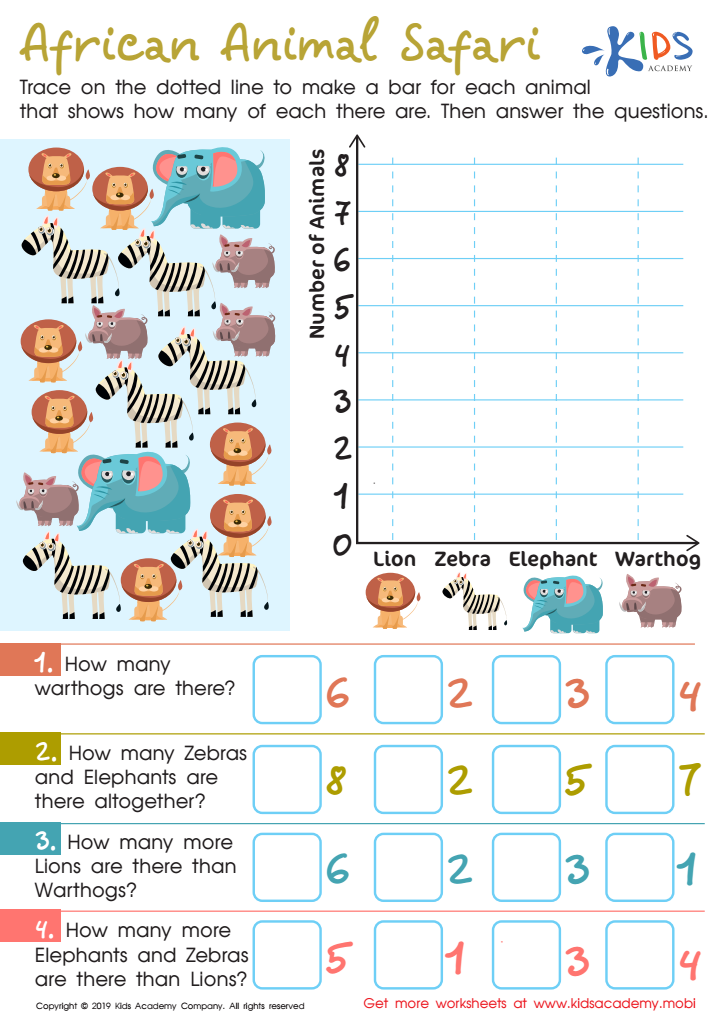
African Animal Safari Worksheet
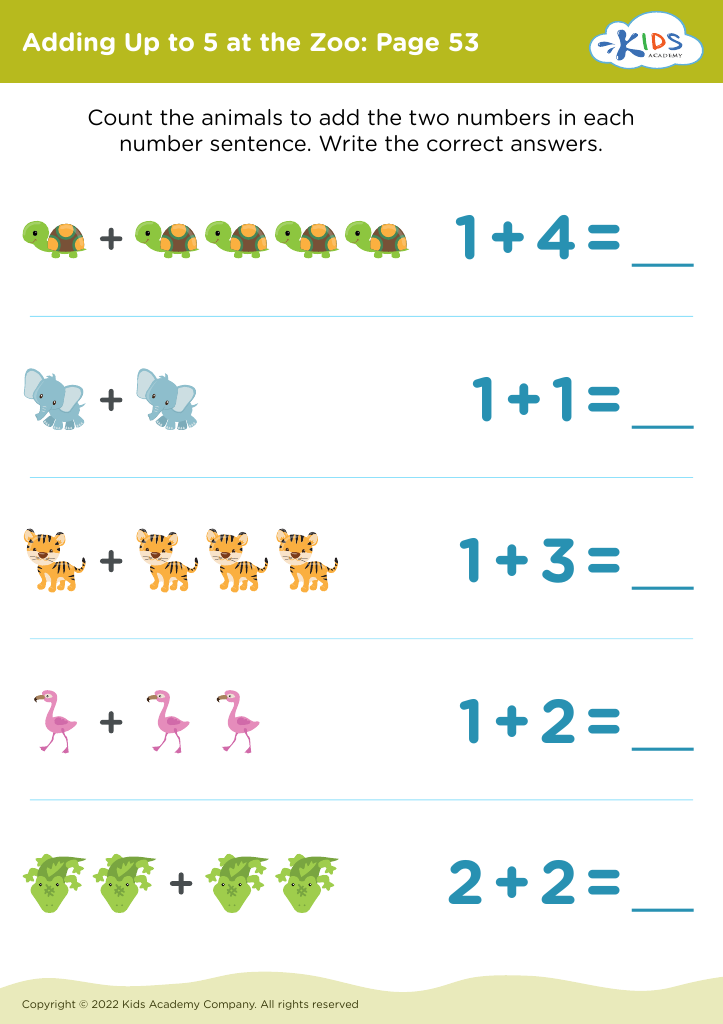
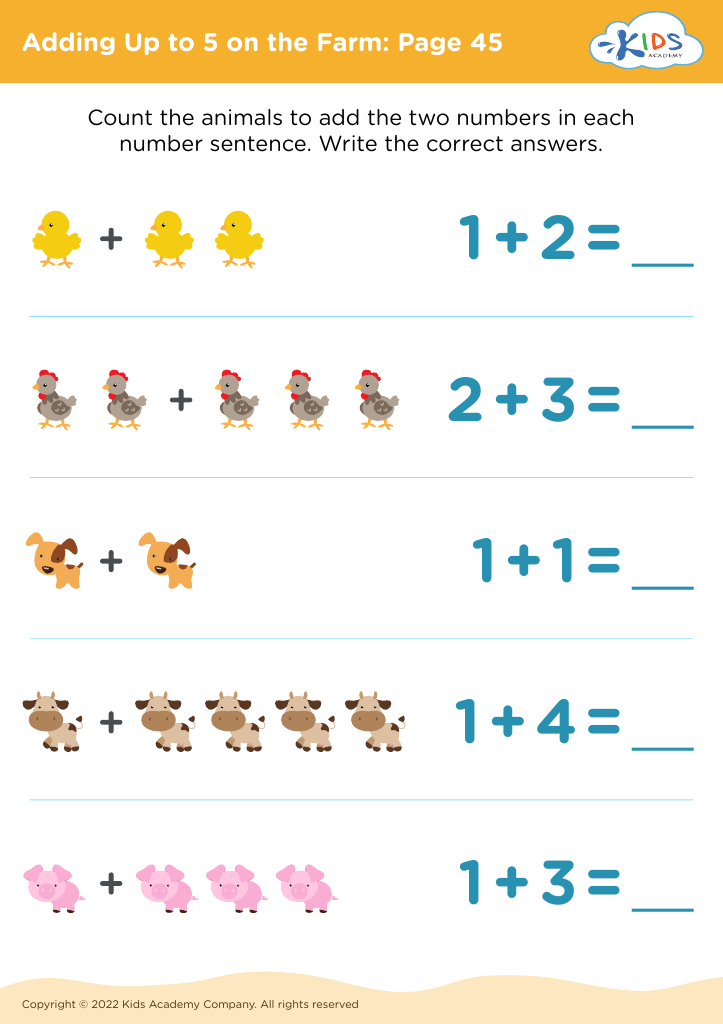
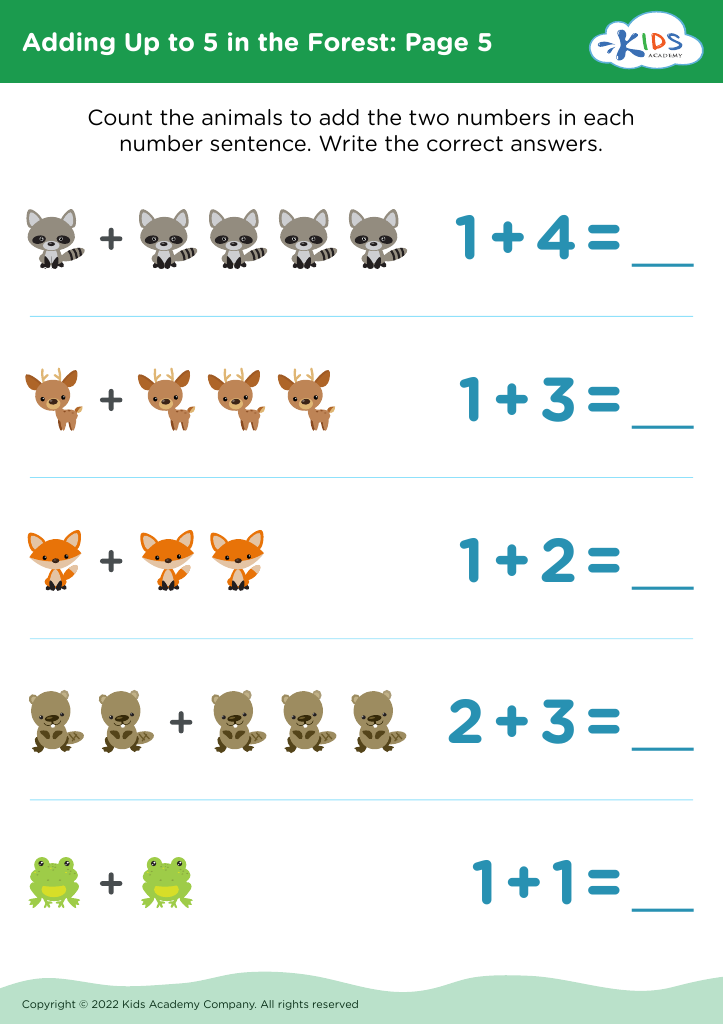
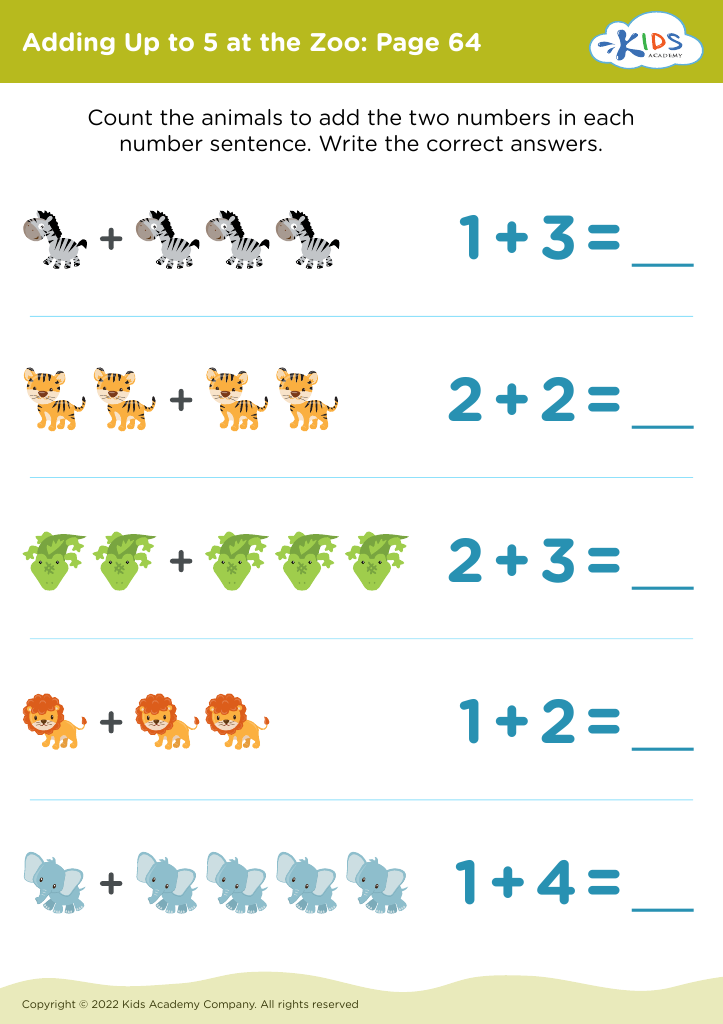
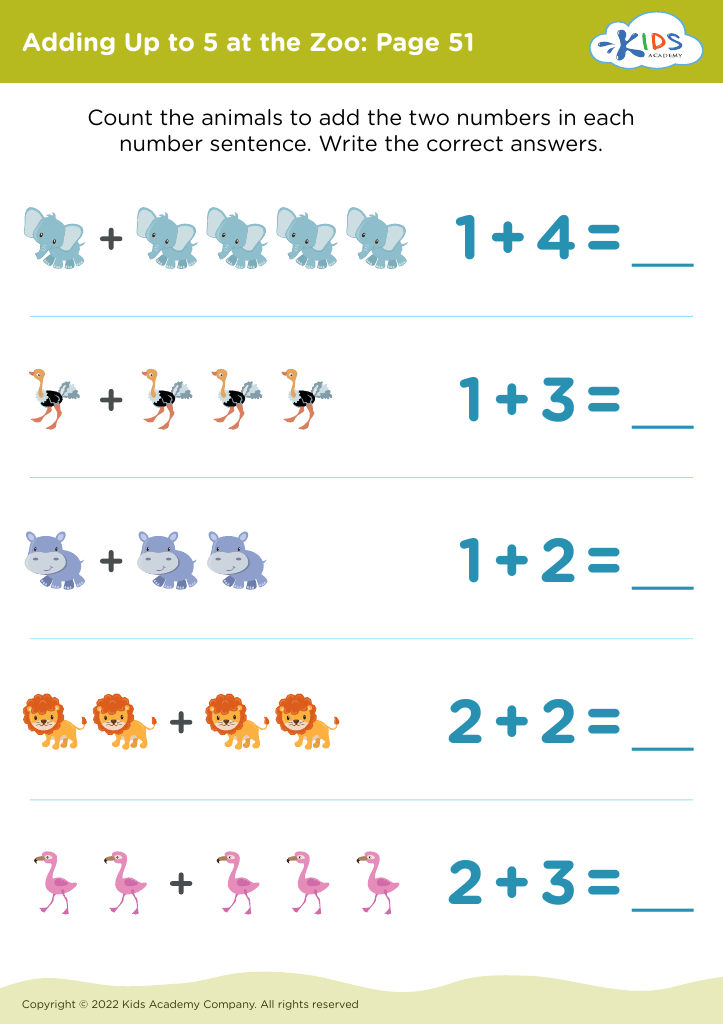
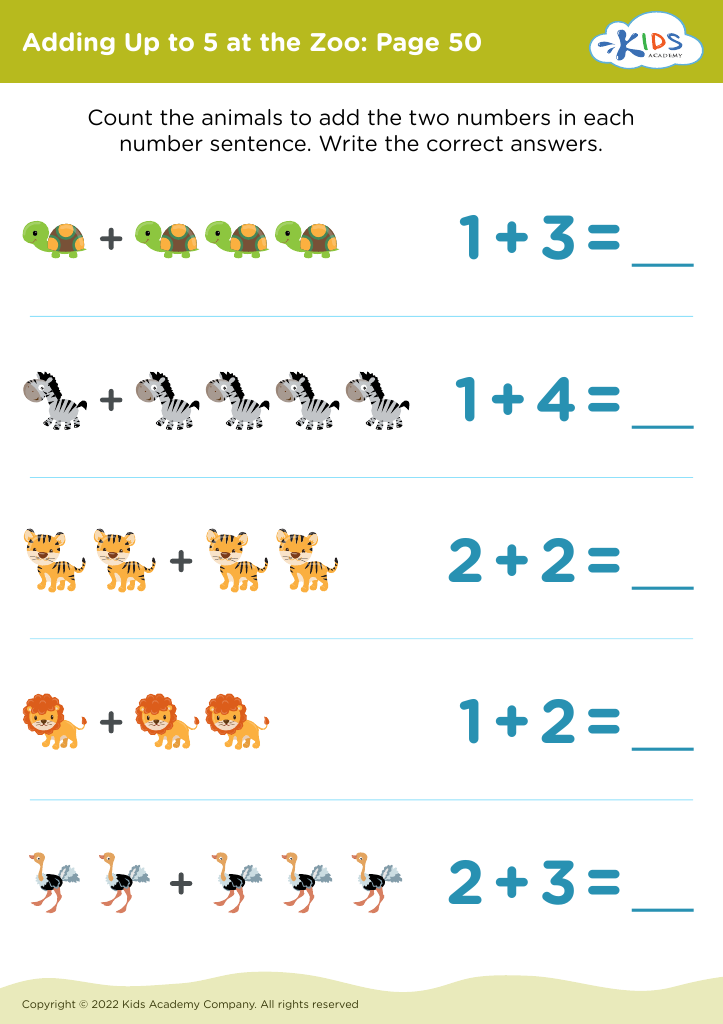
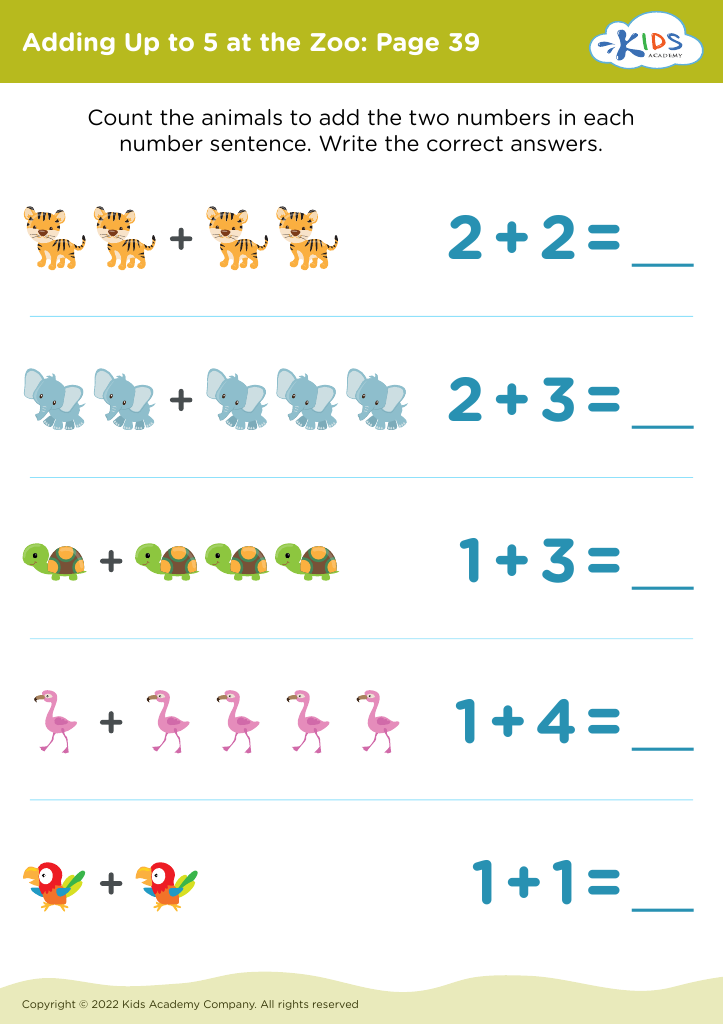
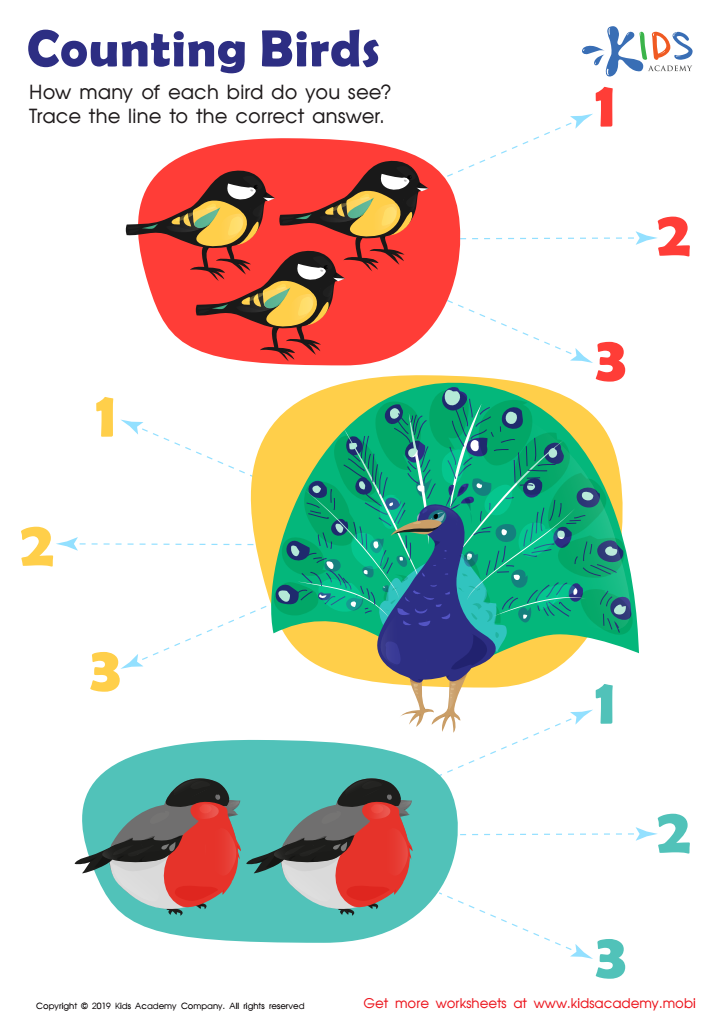
Counting Birds Worksheet
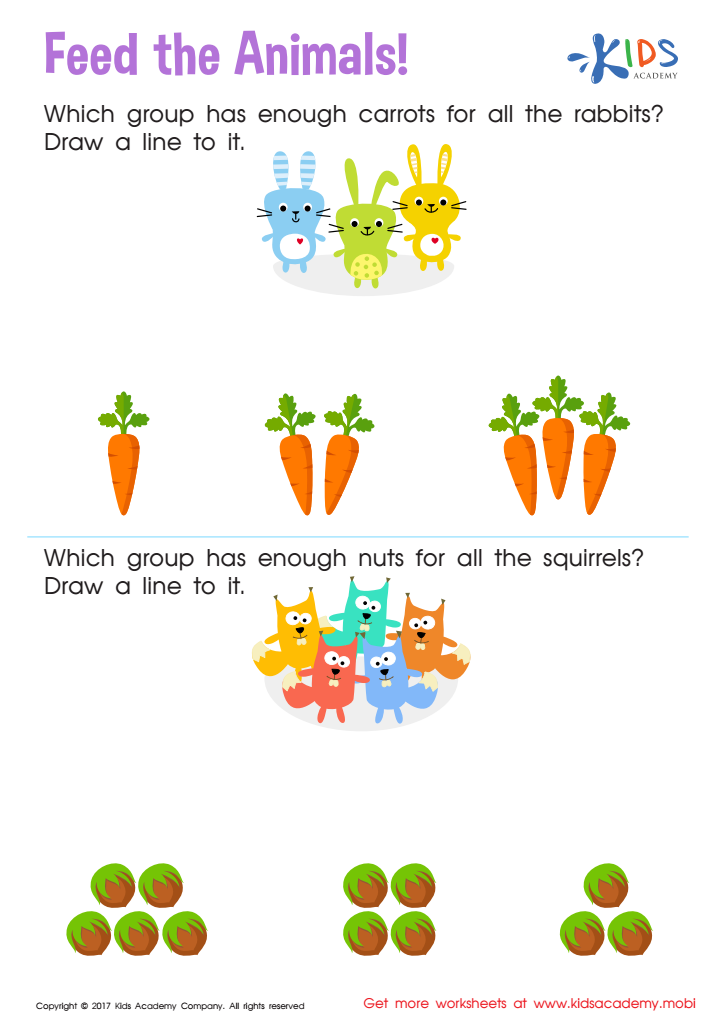
Count and Match: Feed the Animals Worksheet
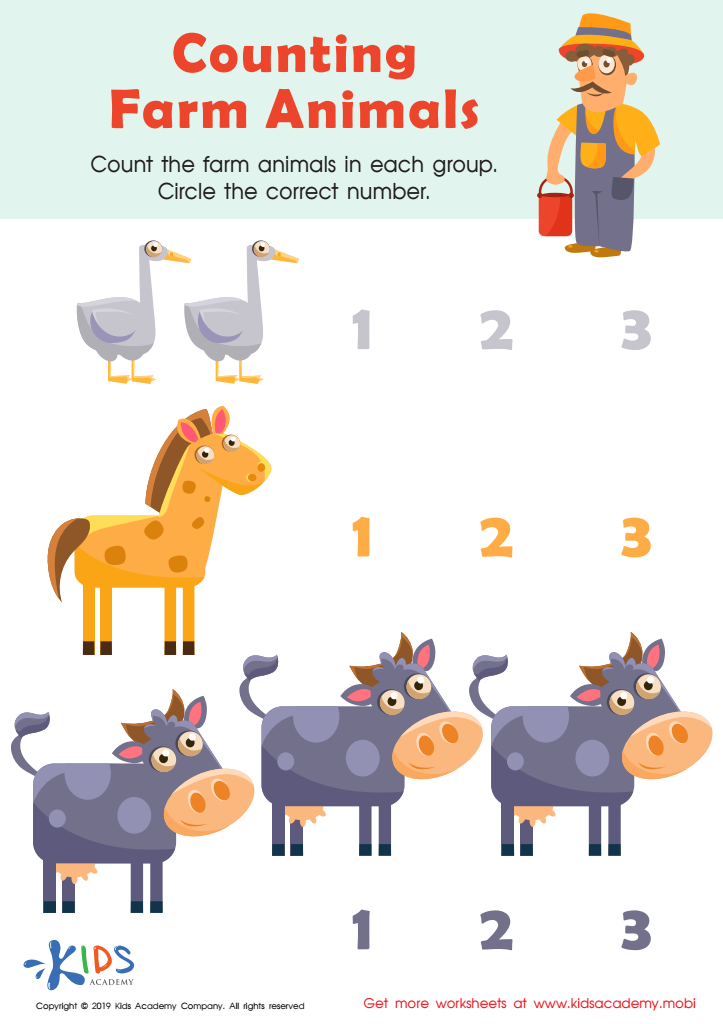
Counting Farm Animals Worksheet
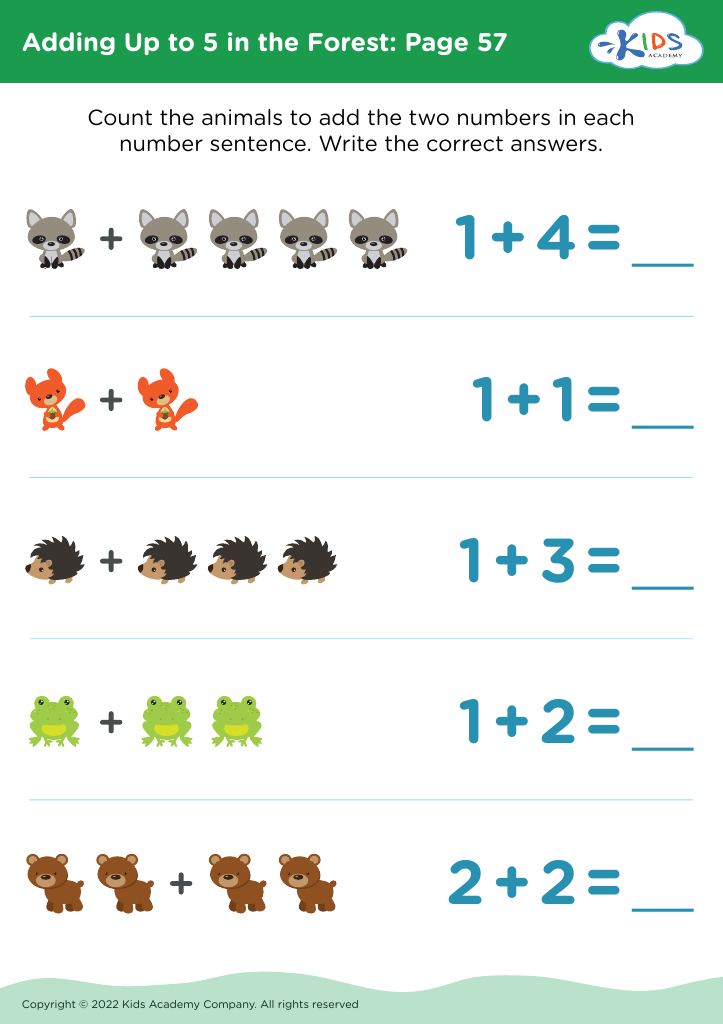







.jpg)
Animal recognition math for children ages 3-7 is important for several reasons. First, it integrates fundamental math skills with the universally appealing theme of animals, making learning enjoyable. Young children are naturally curious about animals, which can spark their interest in counting, sorting, and basic arithmetic.
Incorporating animal recognition into math fosters cognitive development. As children categorize animals, they practice critical thinking and problem-solving skills. Additionally, associating numbers with familiar animals—like counting ducks or adding up elephants—allows children to visualize concepts, making abstract math concepts more tangible and relatable.
This approach also supports language and vocabulary development. While discussing different animals, children expand their knowledge of names, habitats, and behaviors, which enriches their overall language skills.
Moreover, animal recognition math promotes social skills. Children often engage in group activities, encouraging collaboration and communication as they work together on games or math-focused projects.
Ultimately, parents and teachers who focus on this integration of animal recognition with math are providing a dynamic learning experience that nurtures a child’s innate curiosity while building essential academic skills, laying a strong foundation for future learning. This interdisciplinary, adaptive learning approach can significantly enhance a child's educational journey.








