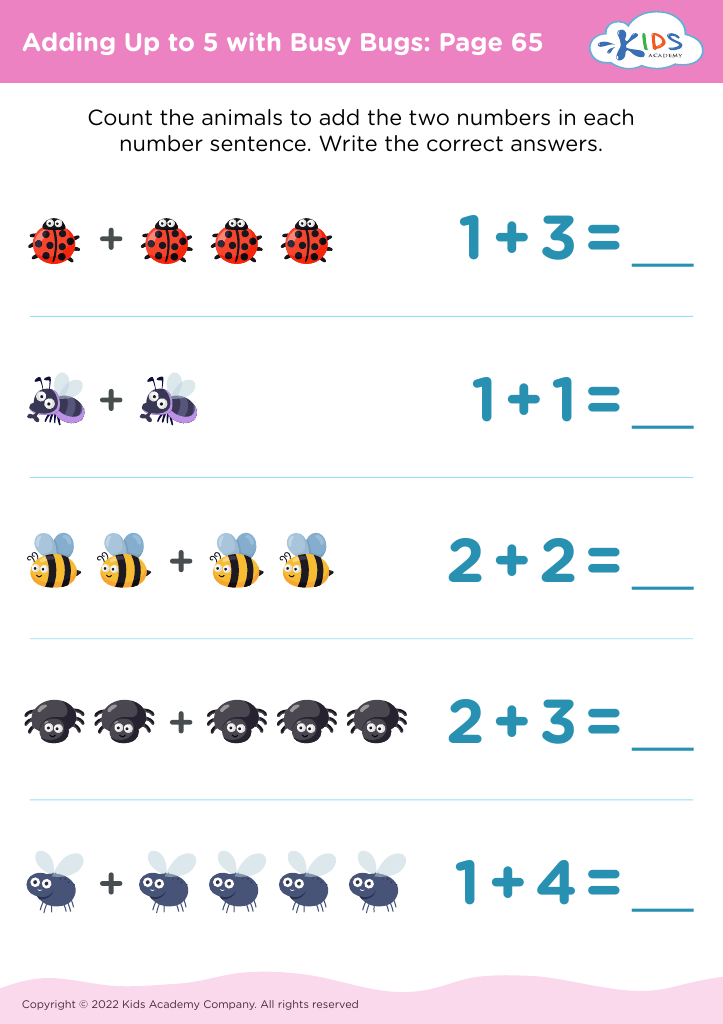
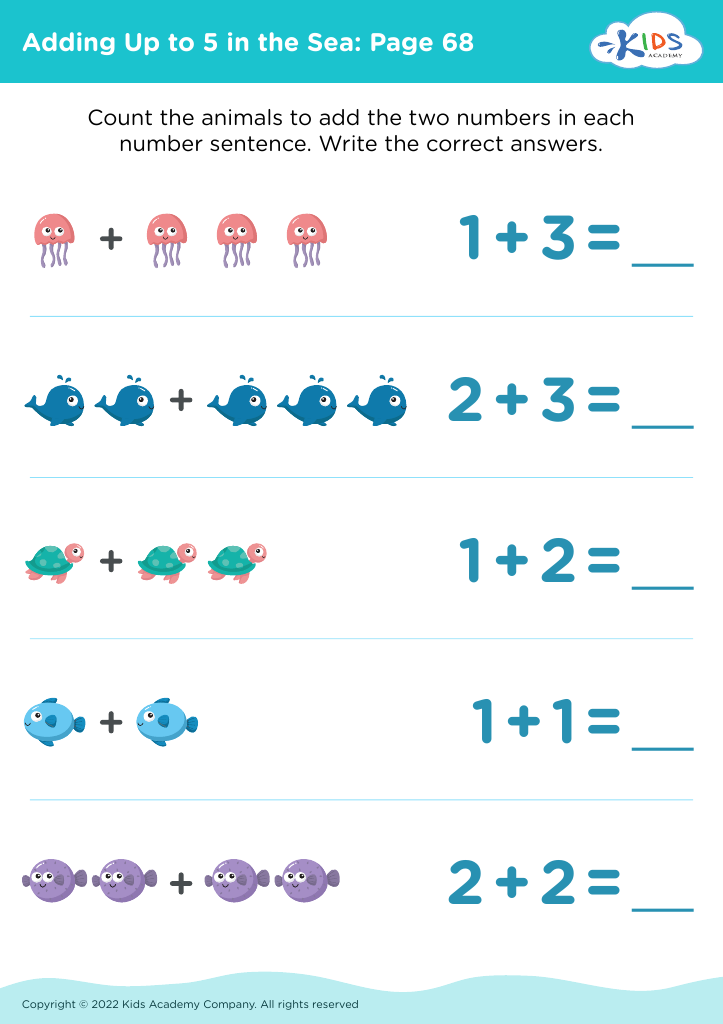
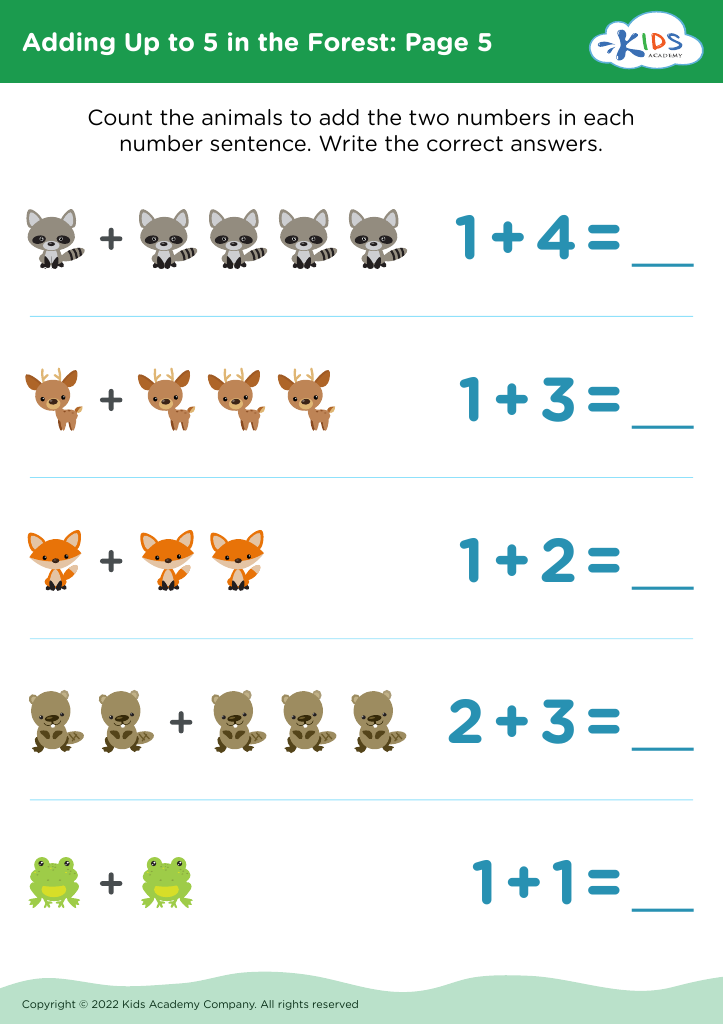
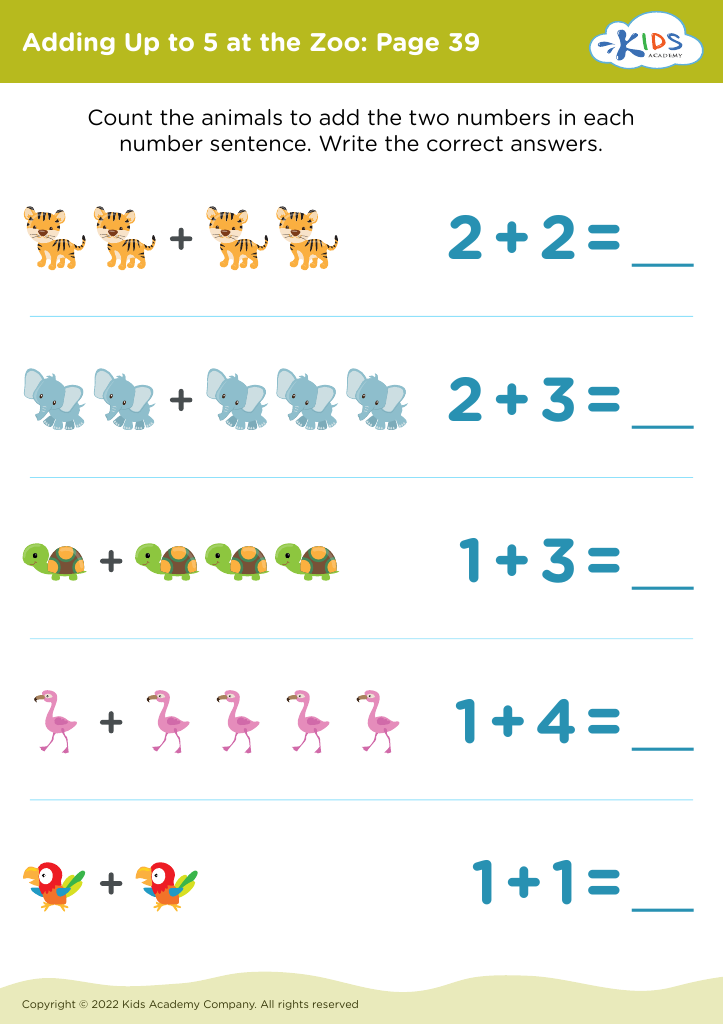
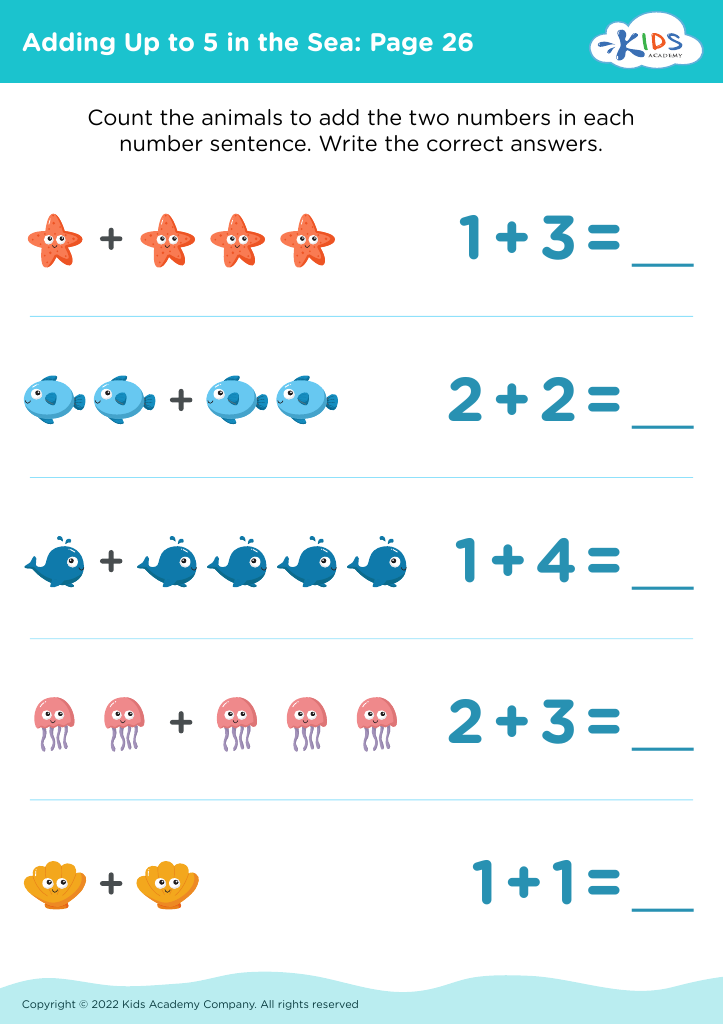
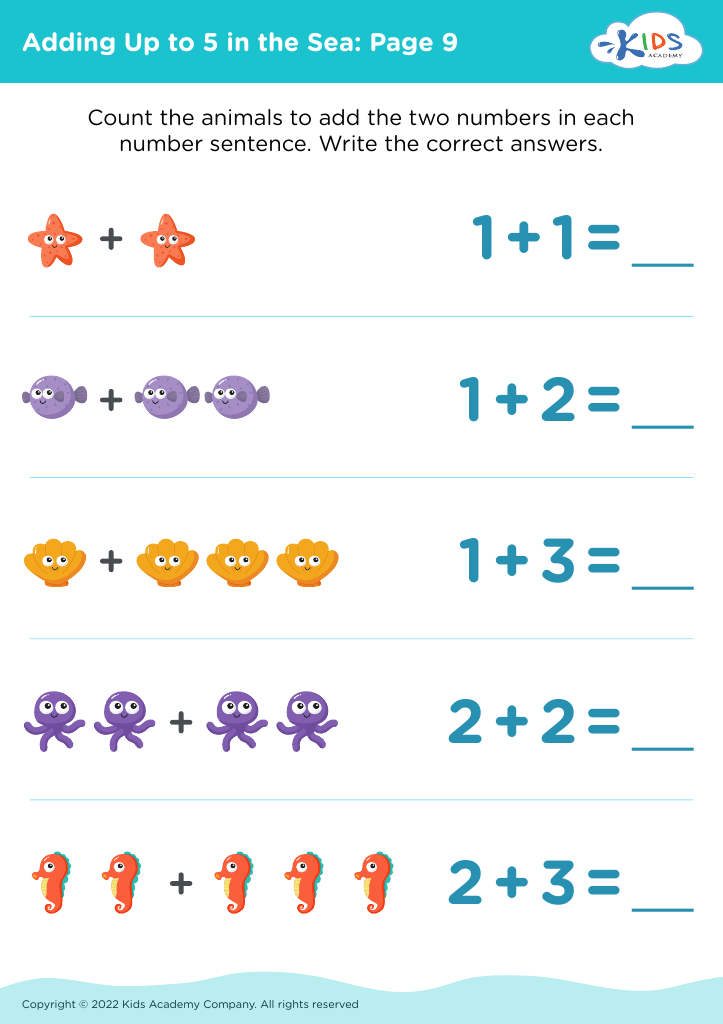




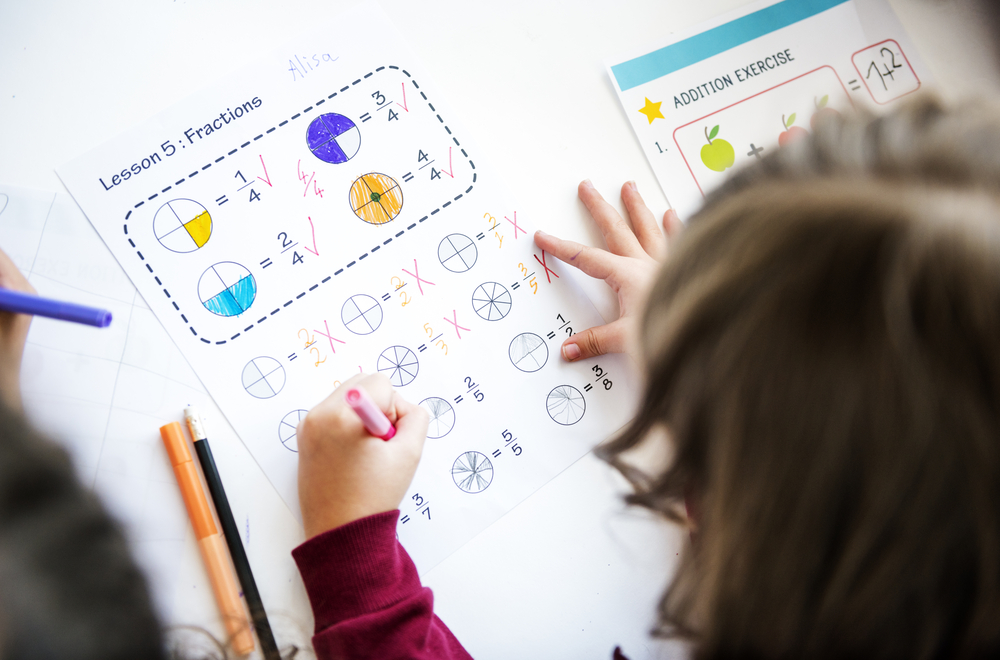



Basic arithmetic math for ages 3-7 is vital for several reasons. Firstly, at this age, children's brains are extremely receptive to new information, and early exposure to math concepts can significantly enhance cognitive development. Mastering basic skills like addition, subtraction, counting, and number recognition lays a strong foundation for more complex math problems later in their academic journey.
Secondly, introducing these concepts early fosters a positive attitude towards math. When children find math engaging and enjoyable, they are more likely to embrace it rather than fear it. This positive outlook can improve their self-confidence and reduce math anxiety as they grow older.
Furthermore, basic arithmetic skills are integral to everyday life. From understanding time and money to following recipes and measuring, these skills enable children to navigate the world more effectively. It also sets the stage for critical problem-solving and logical thinking, which are essential skills across all subjects and in everyday decision-making.
Lastly, early math proficiency is linked to academic success not just in math, but across subjects. Studies have shown that early math skills are strong predictors of both later academic achievement and career success. In essence, ensuring young children grasp basic arithmetic is an investment in their future academic and life skills.








