Basic geometry Math Worksheets for Ages 3-7
3 filtered results
-
From - To
Discover our engaging Basic Geometry Math Worksheets designed specifically for children ages 3-7! These worksheets provide a fun and interactive way to introduce young learners to fundamental geometry concepts such as shapes, sizes, and spatial relationships. Tailored to suit various skill levels, our resources include activities for recognizing, identifying, and creating shapes while developing essential math skills. Each worksheet promotes critical thinking and creativity, ensuring that your child enjoys a well-rounded learning experience. Perfect for both home and classroom use, these printable worksheets will help nurture a solid foundation in geometry and foster a love for math from an early age!
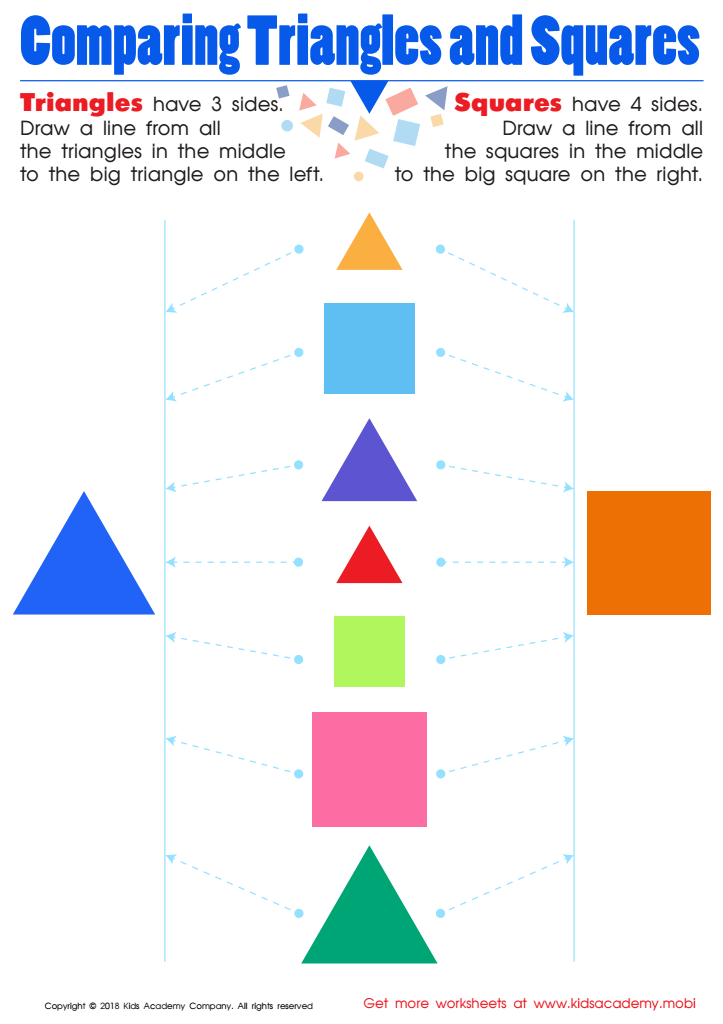
Comparing Triangles Squares Worksheet
 Assign to My Students
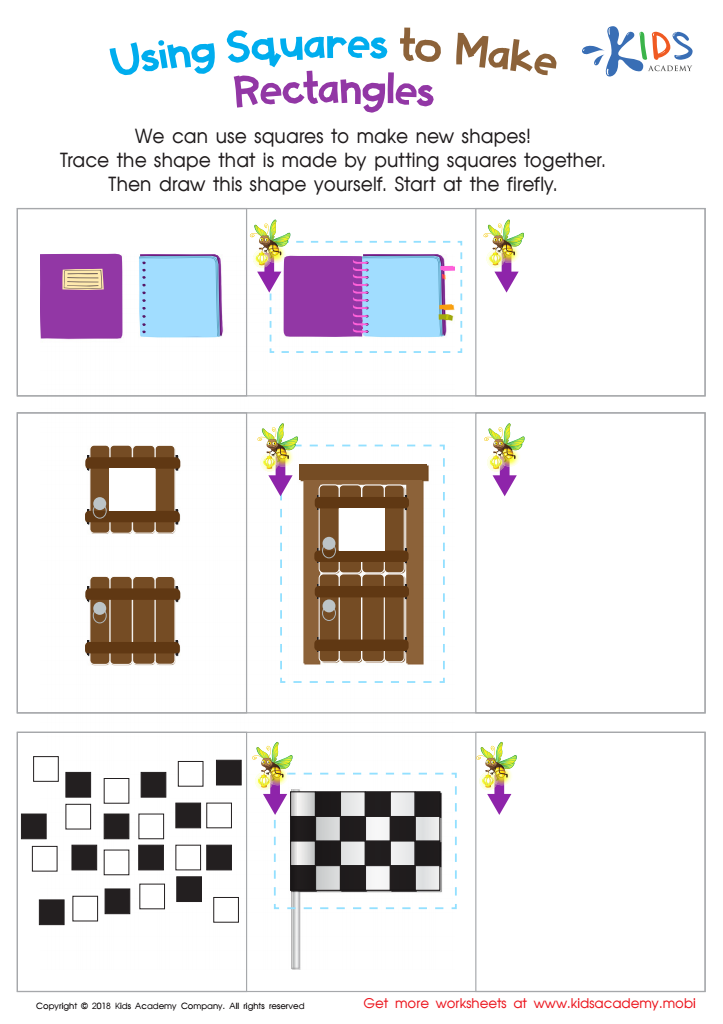
Using Squares to Make Rectangles Worksheet
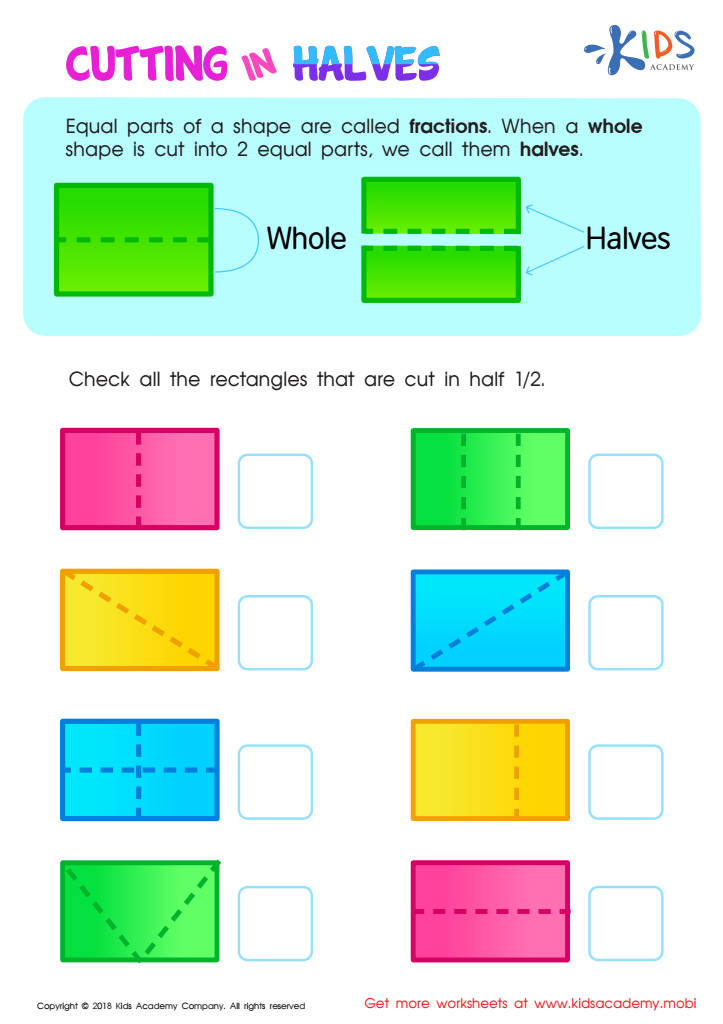
Cutting in Halves Worksheet






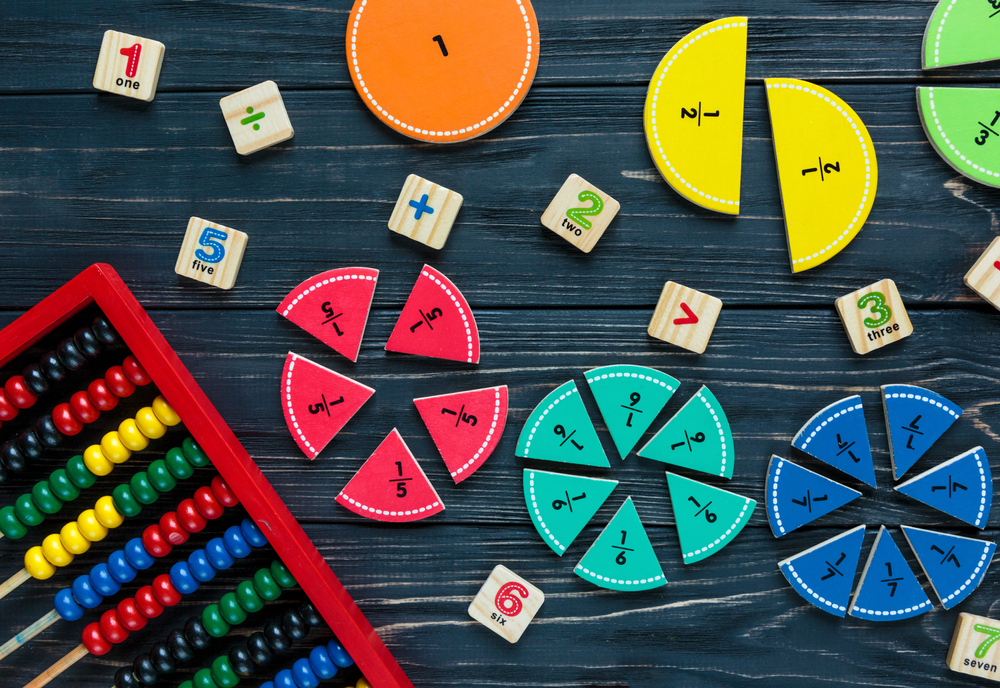
Basic geometry is a crucial building block for young learners aged 3-7, and parents or teachers should prioritize its importance for several reasons. Firstly, early exposure to geometric concepts such as shapes, sizes, and spatial relationships helps children develop critical thinking and problem-solving skills. Recognizing and categorizing shapes aids cognitive development, laying a foundation for more advanced mathematical concepts later on.
Secondly, geometry enhances children's spatial awareness, which is essential not just in mathematics but also in real-life situations. For instance, understanding how objects relate to one another in space improves their navigation skills and helps them make sense of the environment around them.
Moreover, basic geometry fosters creativity and imagination. Engaging with shapes and patterns can inspire artistic expression and stimulate curiosity about the world. Through activities like building with blocks or drawing geometric patterns, children learn how to visualize and manipulate objects, skills that are useful across various disciplines.
Finally, incorporating basic geometry into early education supports a love for learning. By making math fun and relatable through games and hands-on activities, both parents and teachers can help instill confidence in children's mathematical abilities, setting them up for future success in education.








