Color recognition Math Worksheets for Ages 3-7 - Page 2
36 filtered results
-
From - To
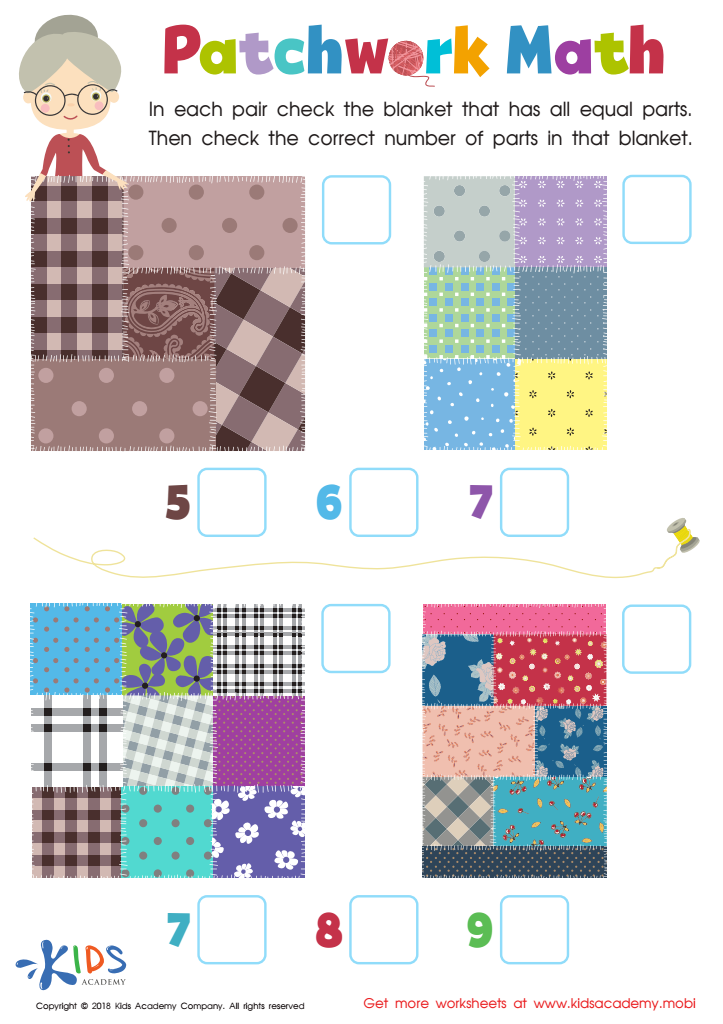
Patchwork Math Worksheet
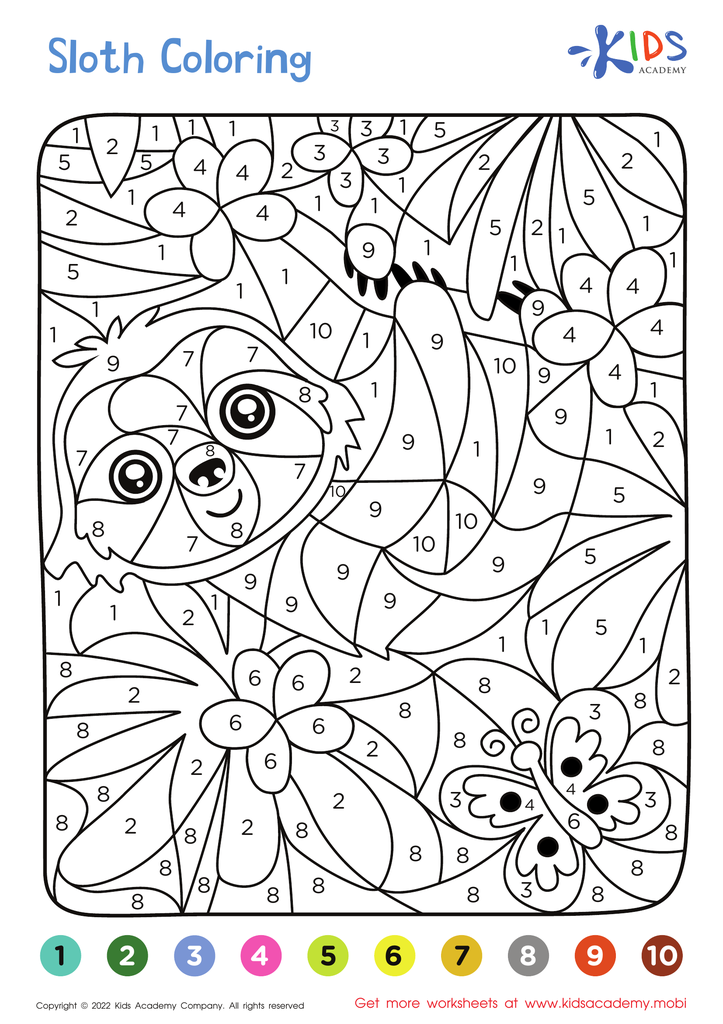
Sloth – Coloring by Numbers
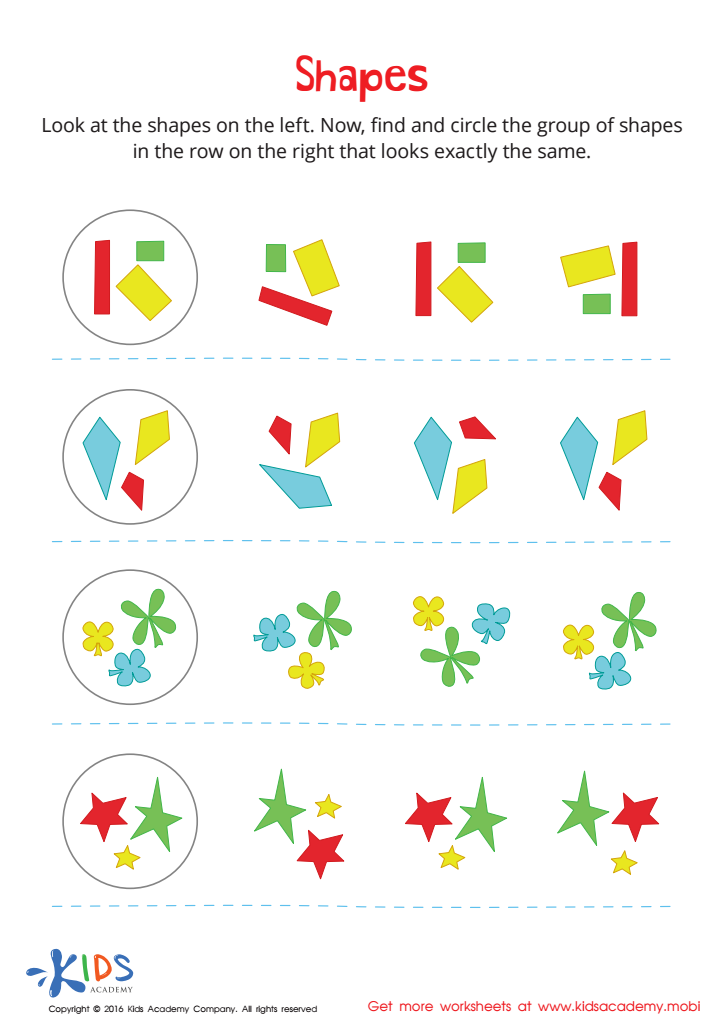
Shapes Worksheet
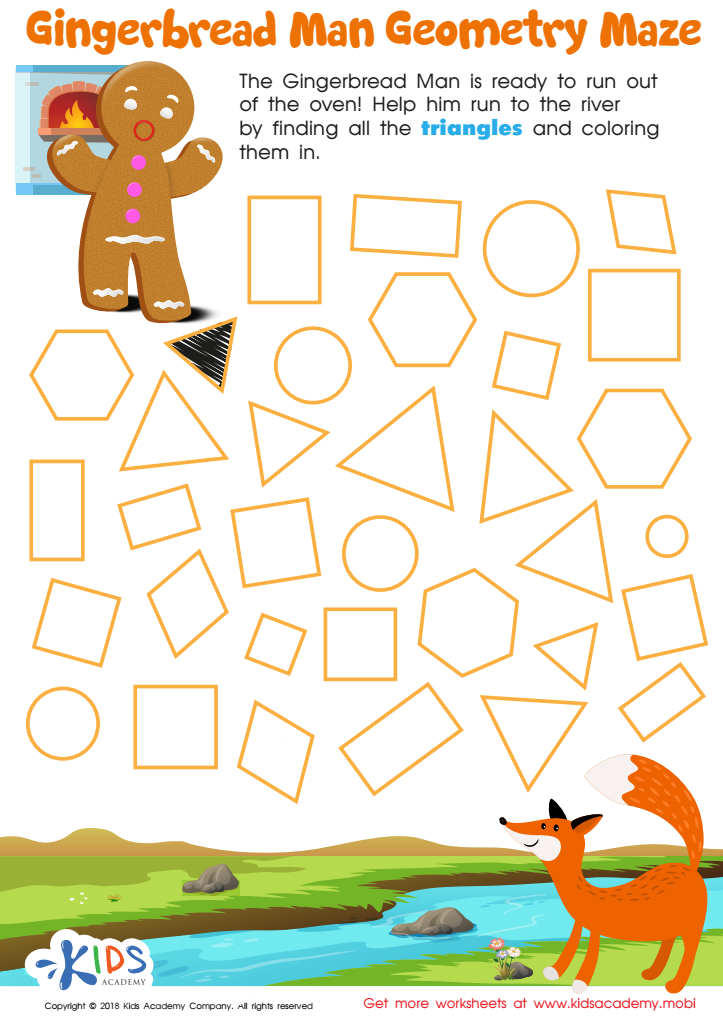
Gingerbread Man Geometry Maze Worksheet
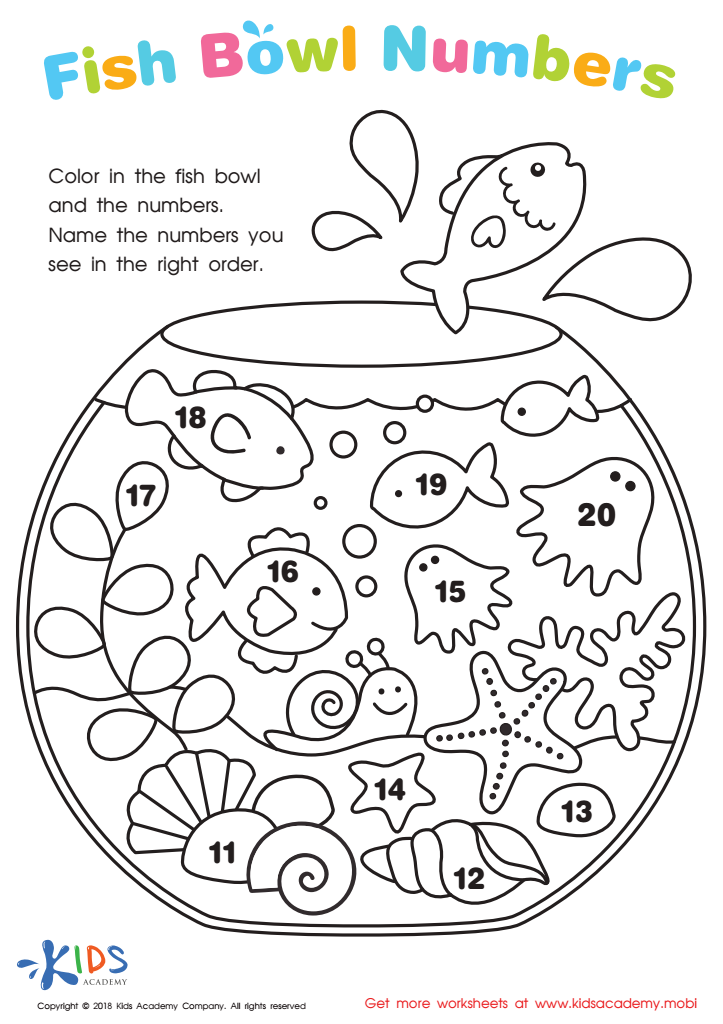
Fish Bowl Numbers Worksheet
 Assign to My Students
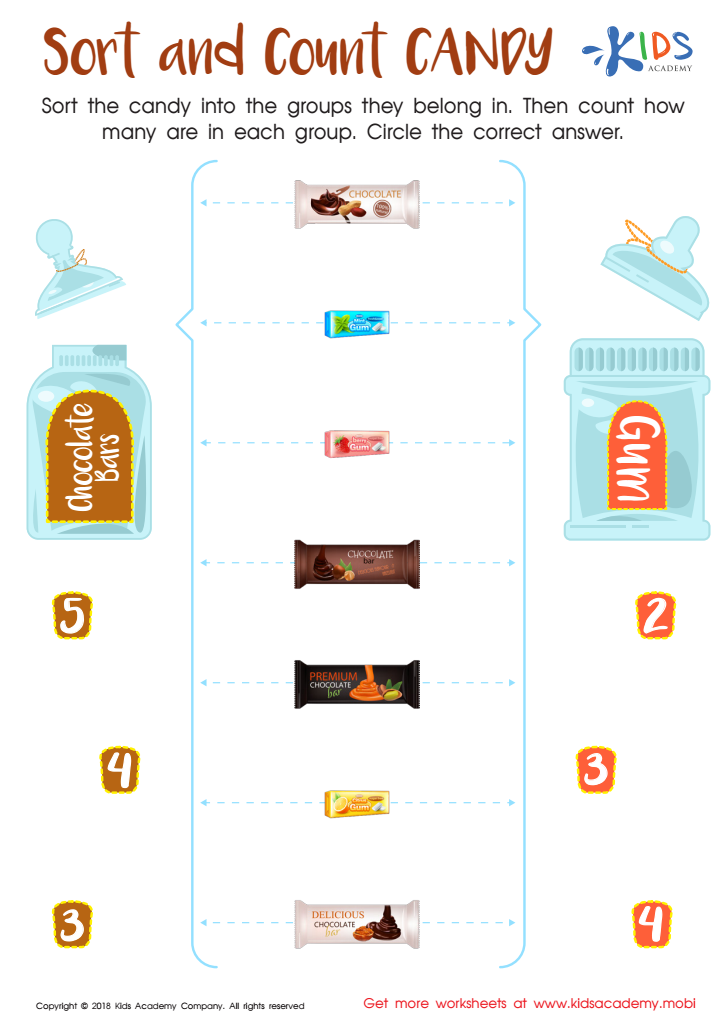
Sort and Count Candy Worksheet
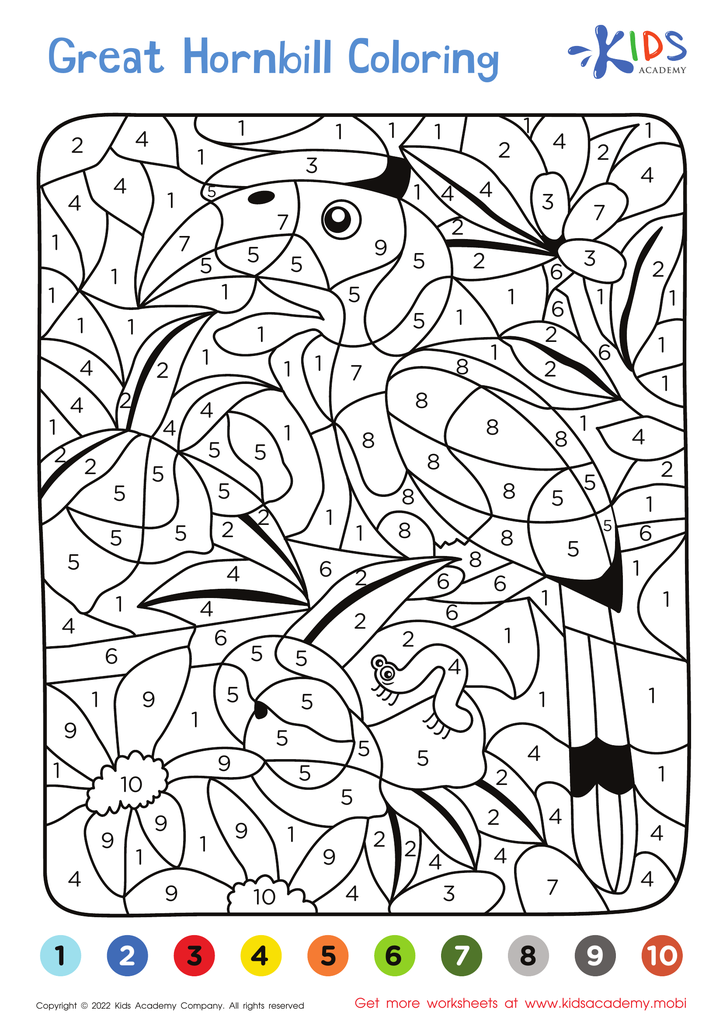
Great Hornbill – Coloring by Numbers
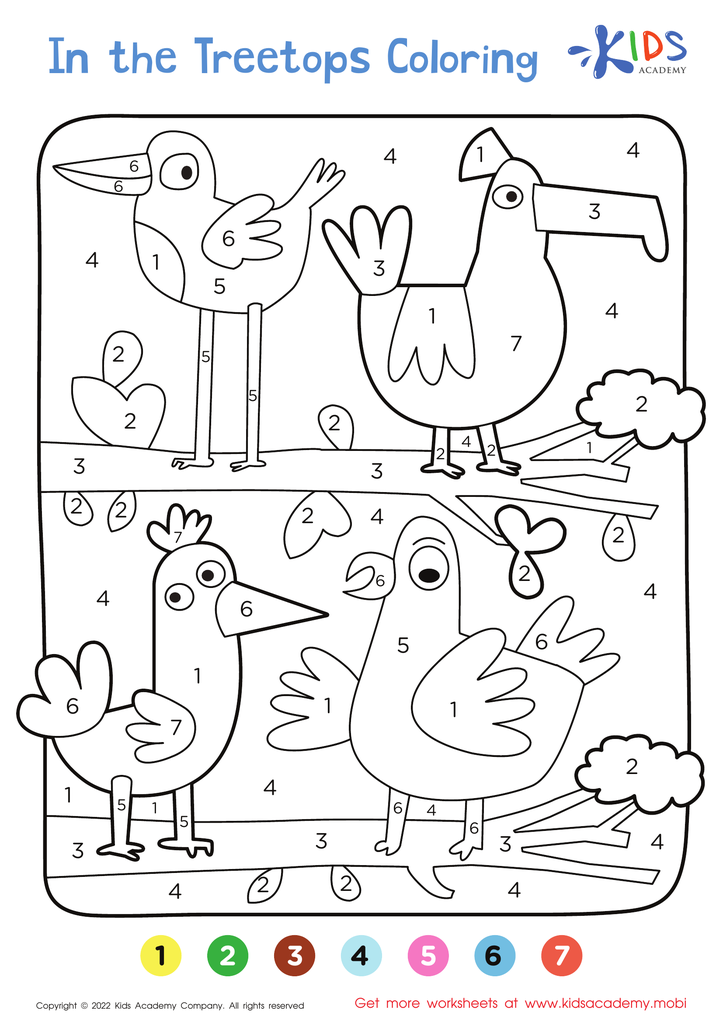
In the Treetops – Coloring Page
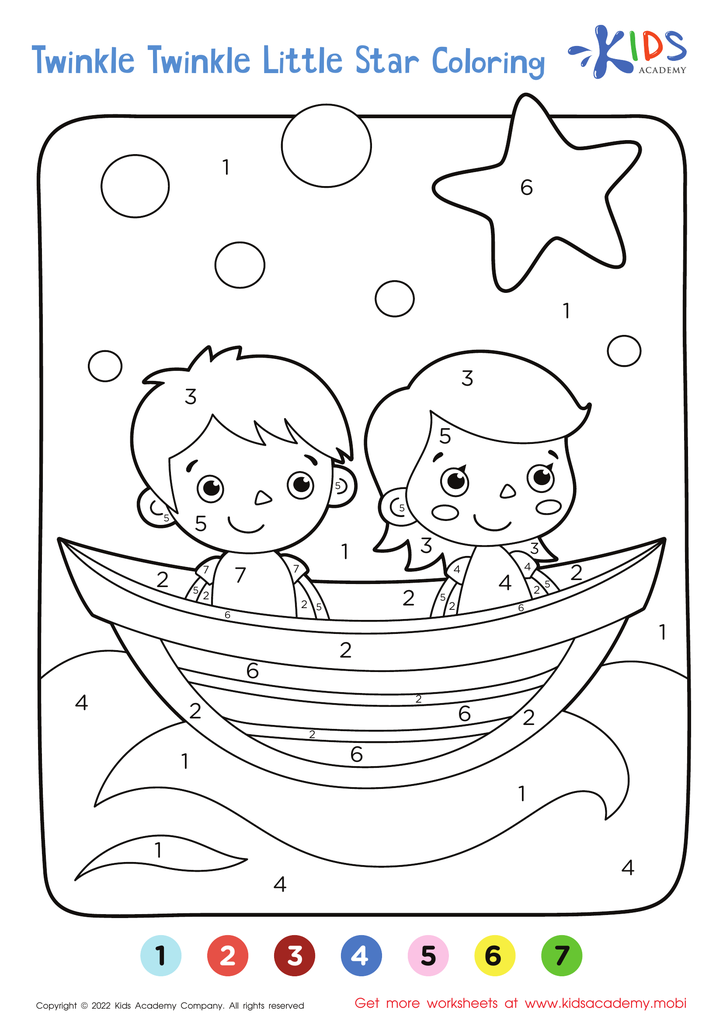
Twinkle, Twinkle, Little Star – Coloring by Numbers
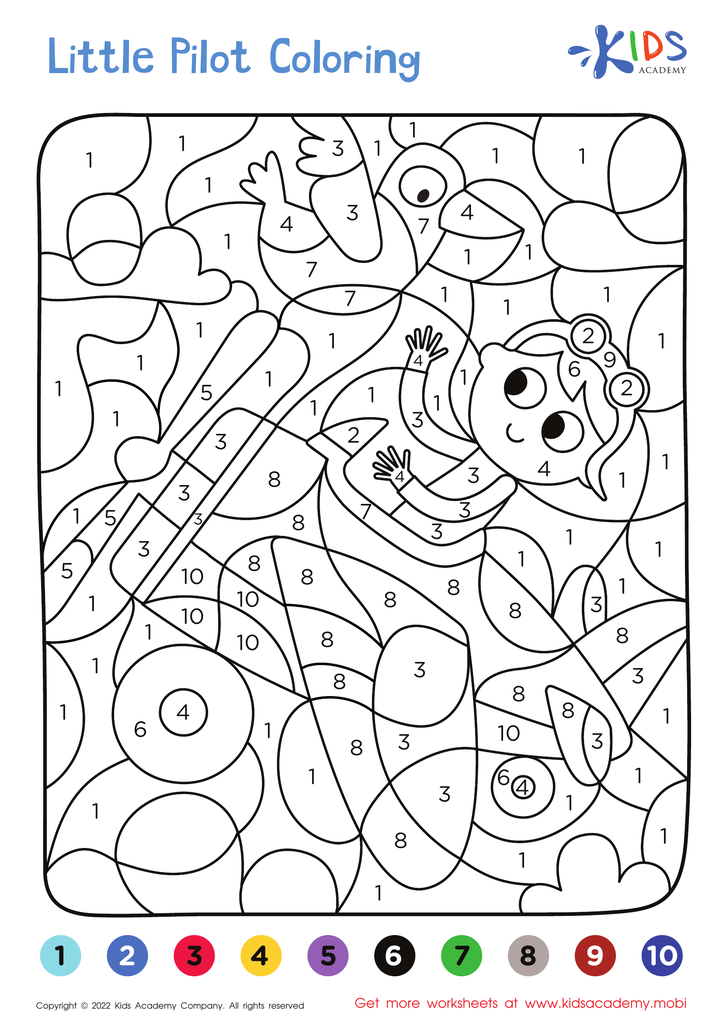
Little Pilot – Coloring by Numbers
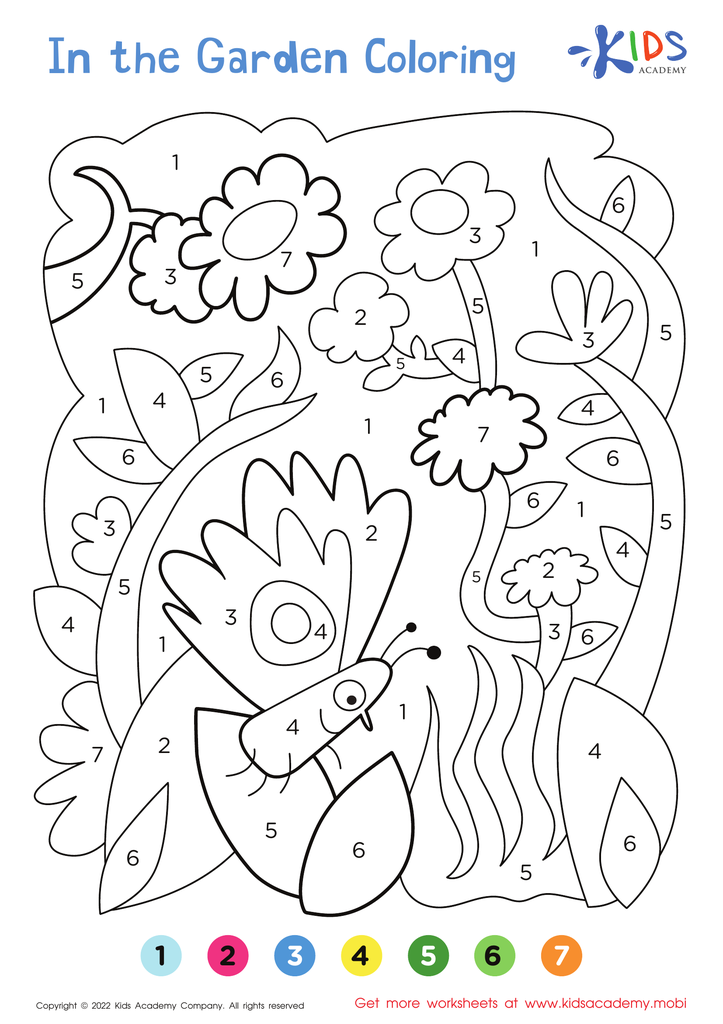
In the Garden – Coloring by Numbers
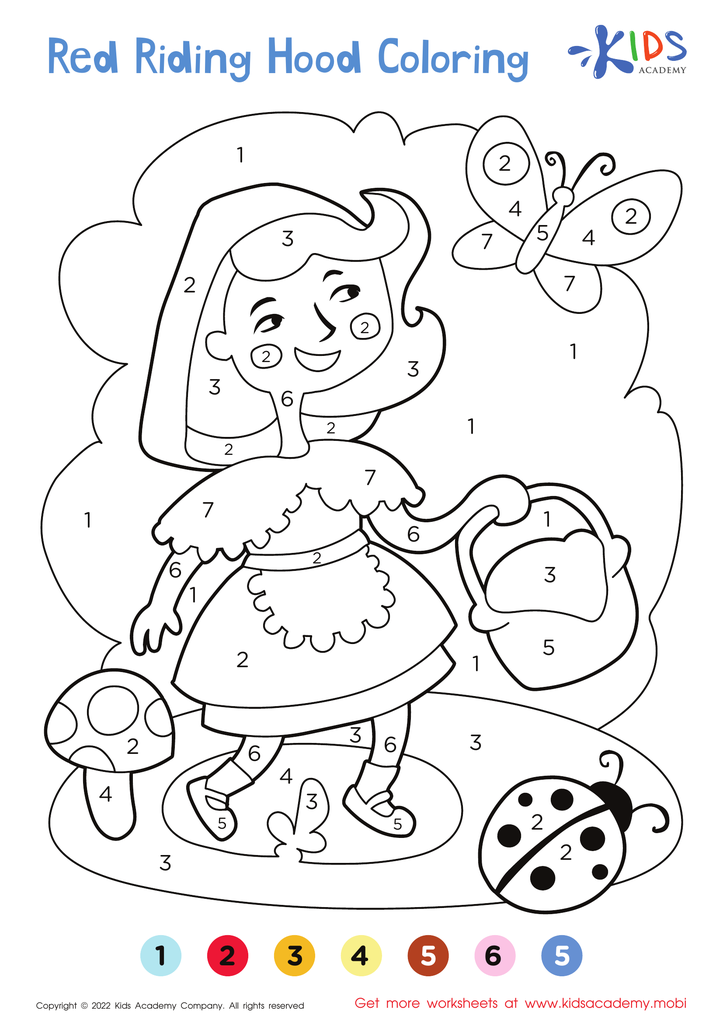
Little Red Riding Hood – Coloring by Numbers







.jpg)
Color recognition is a fundamental skill for children aged 3-7 that significantly impacts their cognitive development and mathematical understanding. At this stage, children begin to form essential relationships between colors and numbers, making early color recognition a crucial element in their mathematical learning journey. When children learn to identify and name different colors, they enhance their categorization and sorting skills, which are vital for grasping concepts of grouping in math.
In addition, color-based activities promote engagement and curiosity, allowing children to explore and understand the world around them through a fun lens. Teachers and parents can utilize colorful learning tools, like counting beads or block sets, to create interactive experiences that merge color identification with number recognition, patterns, and more complex math concepts.
Furthermore, understanding colors enhances language skills, as children learn to articulate their thoughts and observations related to colors in their surroundings. This cumulative language development supports mathematical terminology, ultimately benefitting their overall academic journey.
By prioritizing color recognition, caregivers facilitate not only the early stages of math proficiency but also foster skills that serve as the building blocks for future learning and critical thinking. Engaging children in colorful educational play helps lay a strong foundation for their lifelong love for learning.








