Enhancing fine motor skills Math Worksheets for Ages 3-7
3 filtered results
-
From - To
Discover our engaging collection of math worksheets designed specifically for children aged 3-7 to enhance fine motor skills while learning fundamental math concepts. These worksheets feature fun activities like tracing, coloring, and cutting, making math exciting and interactive. By integrating fine motor development with essential numeracy skills, our resources help young learners improve their hand-eye coordination and dexterity in a playful context. Perfect for at-home learning or classroom activities, our worksheets strive to foster a love for math and promote essential skillsets. Explore the possibilities of learning through play with our finely designed materials that cater to every child's developmental needs!
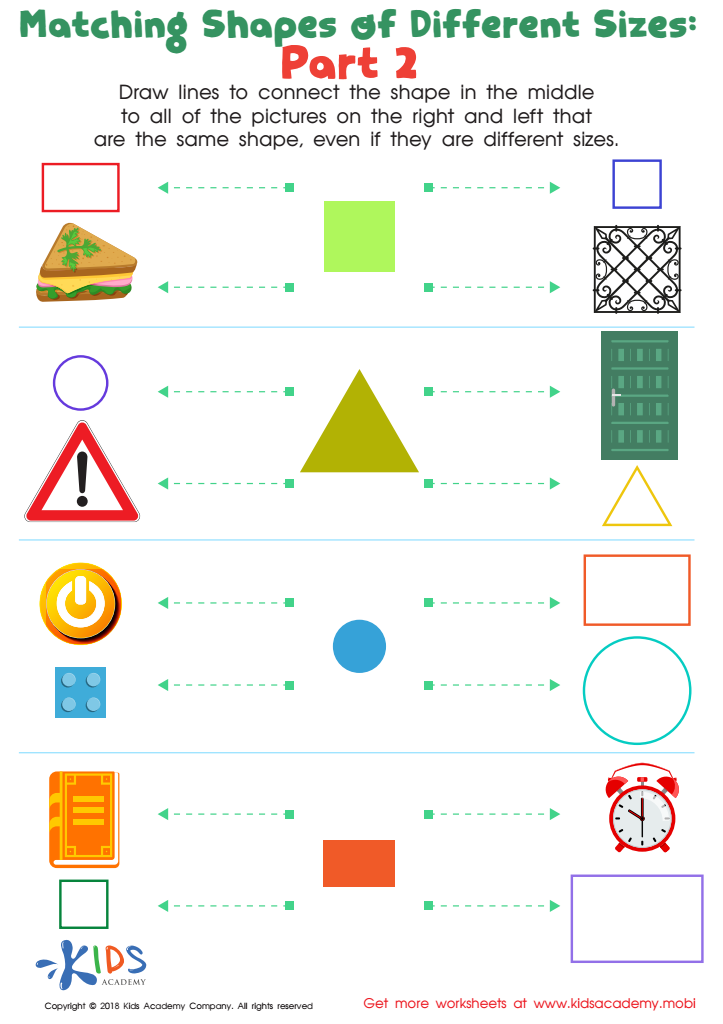
Geometry: Part 2 Worksheet
 Assign to My Students
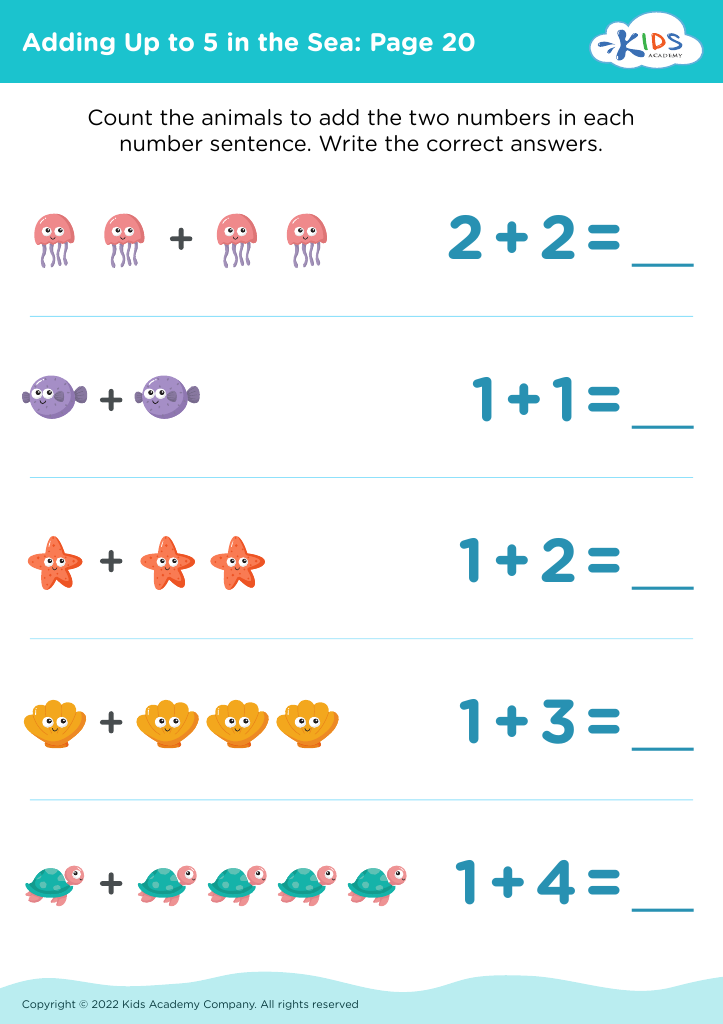
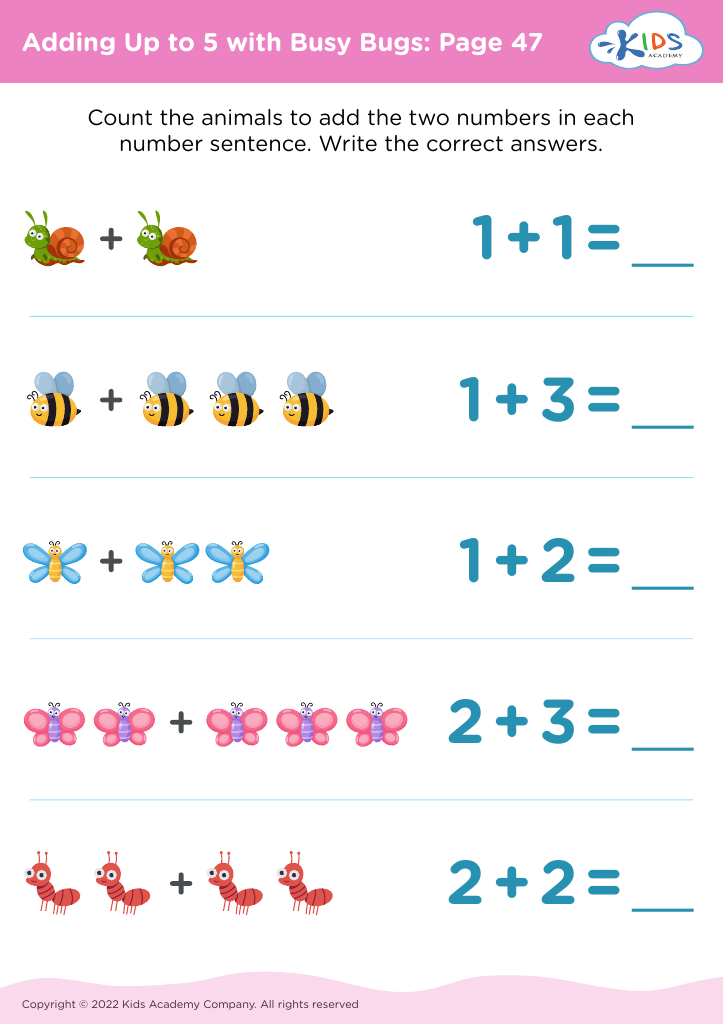



.jpg)



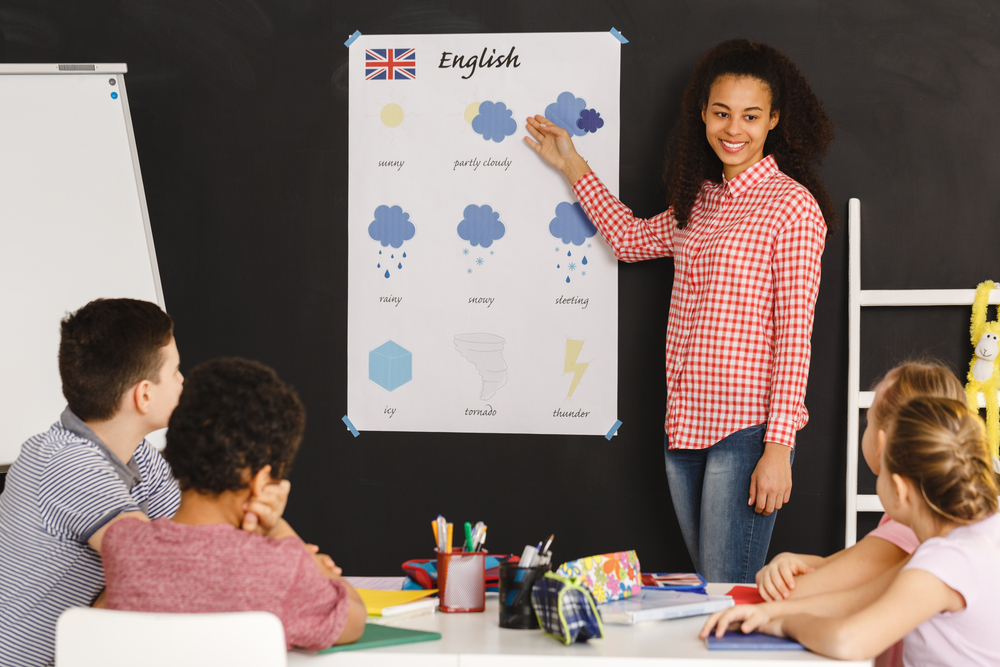
Enhancing fine motor skills in children aged 3 to 7 is crucial for their overall development, particularly in the context of math learning. Fine motor skills involve the ability to use small muscles for tasks such as writing, drawing, and manipulating objects. Developing these skills benefits young learners as they begin to engage with early math concepts.
Firstly, strong fine motor skills help children perform math-related tasks, like counting with manipulatives, sorting objects, or drawing shapes. These activities require precise hand movements, aiding in their understanding of mathematical concepts and improving concentration. Secondly, as children become proficient in these skills, their confidence grows, making them more willing to participate in hands-on math activities.
Moreover, integrating fine motor skill development with math fosters active learning. Activities like cutting paper shapes, using scissors, or stringing beads not only enhance dexterity but also create a fun, engaging environment that promotes a positive attitude towards math. This foundational skill set not only supports academic success but also cultivates problem-solving abilities and creativity, laying a strong groundwork for future learning.
In today's evolving educational landscape, prioritizing the enhancement of fine motor skills will yield lifelong benefits for children in their mathematical journey and overall cognitive development.








