
Fraction identification Math Worksheets for Ages 3-7
6 filtered results
Difficulty Level
Grade
Age
-
From - To
Subject
Activity
Standards
Discover our engaging Fraction Identification Math Worksheets designed specifically for children ages 3-7. Perfect for introducing young learners to the concept of fractions in a fun and interactive way, these worksheets feature colorful illustrations and age-appropriate activities that capture their attention. Your child will develop essential math skills by identifying and working with fractions through a variety of games and exercises. Each worksheet is crafted to strengthen understanding while encouraging a love for math. Start your child's journey towards mathematical proficiency with our easy-to-use, printable resources that make learning fractions a delightful experience! Explore our collection now!
Favorites
With answer key
Interactive
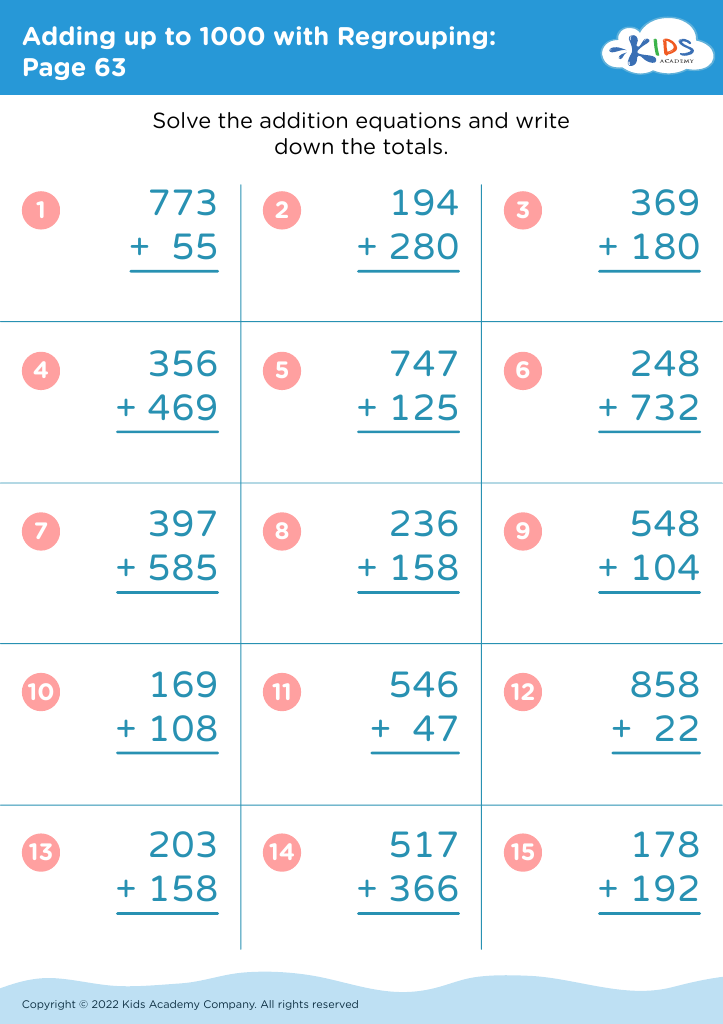
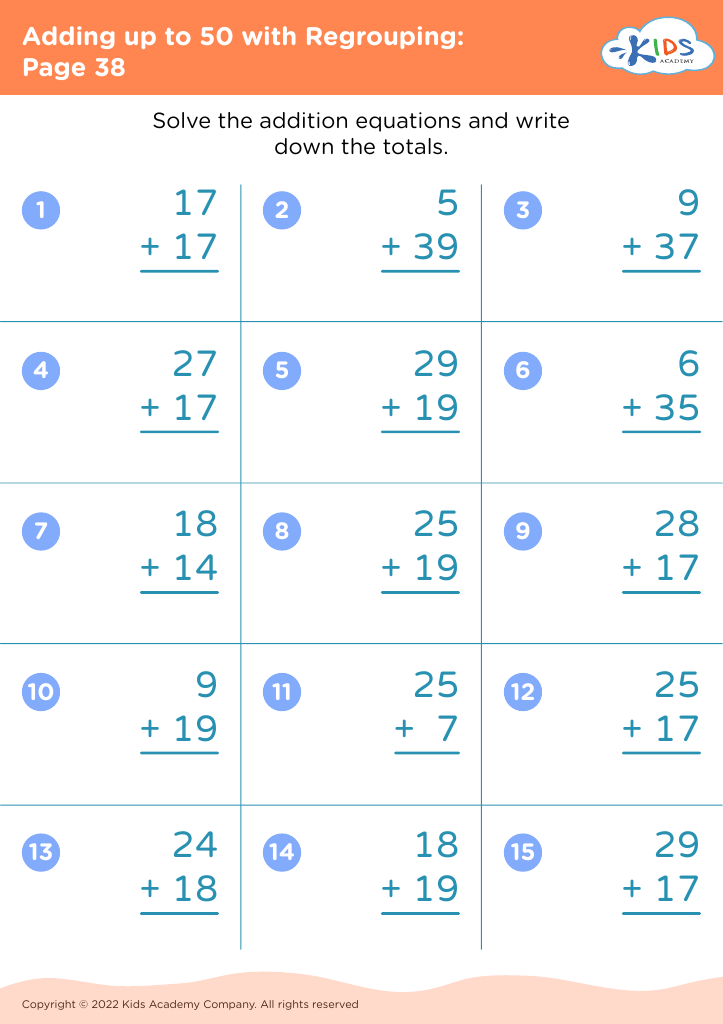
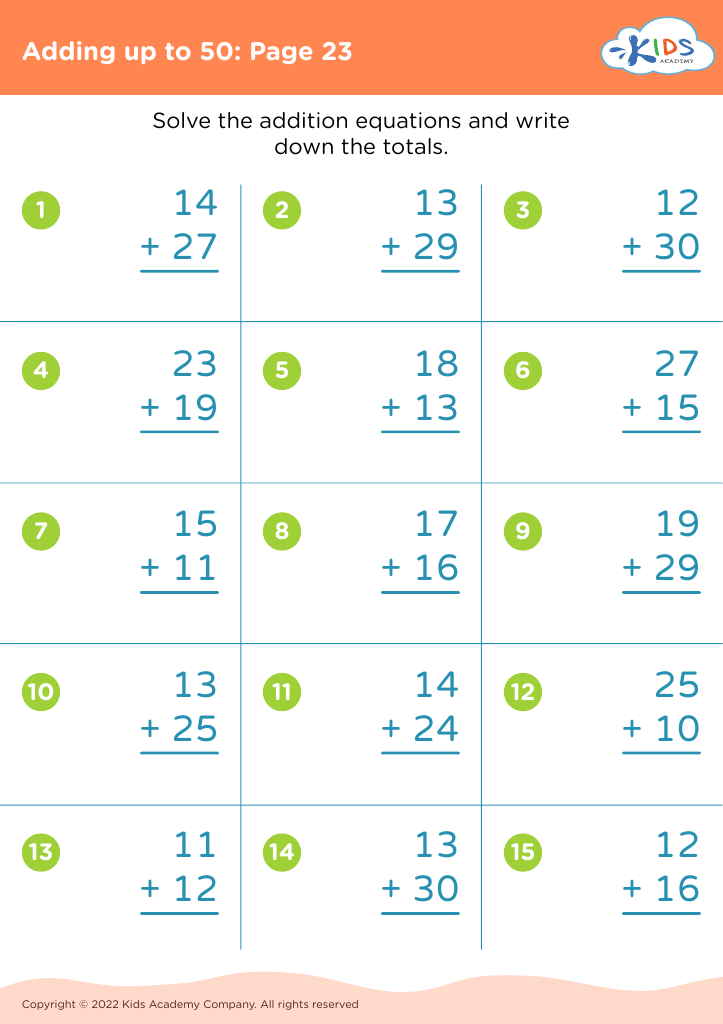
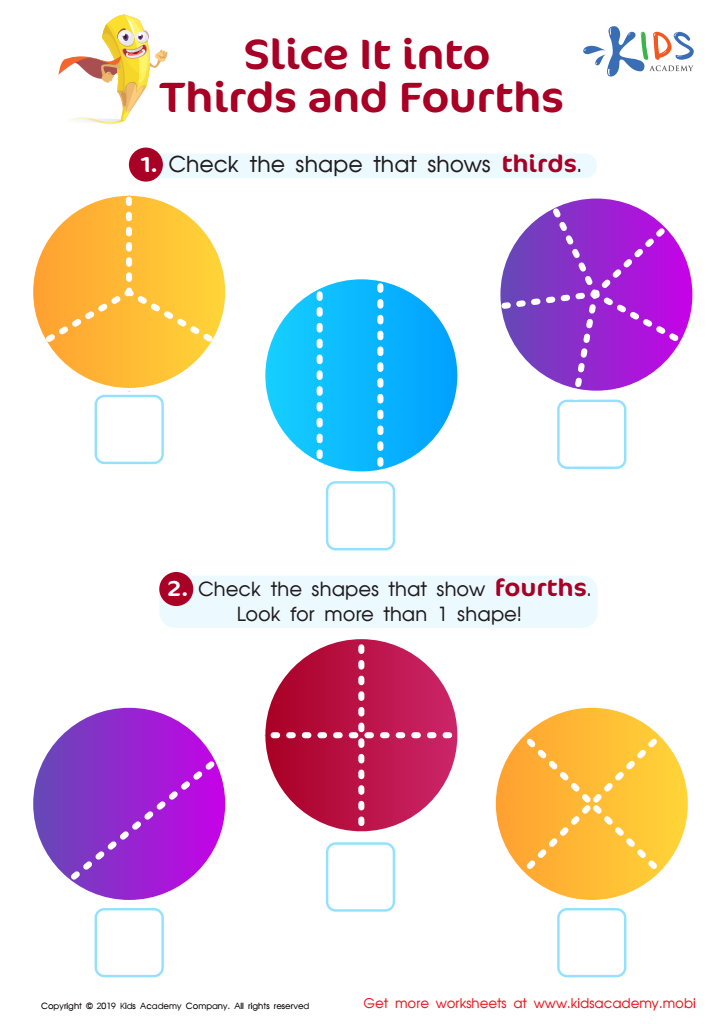
Slice in Thirds Fourths Worksheet
This worksheet helps kids learn fractions visually by dividing circles into thirds and fourths. They will learn that fractions must be equal parts, not just sets, by choosing the right colorful circles. It's an easy way to master fractions and have fun doing it!
 Assign to My Students
Slice in Thirds Fourths Worksheet
Worksheet
Join Kids Academy for Free
Who is primarily going to use this learning content?







Fraction identification is a crucial skill for children ages 3 to 7 for several reasons. First and foremost, it lays the foundational understanding of mathematical concepts that they will encounter in later years. Recognizing fractions helps children grasp the idea of parts of a whole, which is a fundamental concept in both math and everyday life. For example, understanding how to divide a pizza or share toys can foster early skills in cooperation and problem-solving.
Furthermore, early exposure to fractions enhances cognitive development. It promotes critical thinking where children learn to compare sizes and quantities, aiding in their overall reasoning abilities. Engaging with fractions at a young age can boost confidence in math, reducing anxiety around the subject in future schooling.
From a social perspective, parents and teachers can use fractions to incorporate lessons on sharing and equality, promoting social values and communication skills. Lastly, interactive activities that involve fractions can make learning fun and engaging, thus sparking an early interest in mathematics. By prioritizing fraction identification, parents and teachers help build a strong mathematical foundation, fostering curiosity and a positive attitude towards learning that will benefit children throughout their educational journey.








