Identifying fractions Math Worksheets for Ages 3-7
4 filtered results
-
From - To
Discover engaging and educational "Identifying Fractions Math Worksheets for Ages 3-7" at Kids Academy! Designed to make learning fun, these printable worksheets help young children grasp the basics of fractions with age-appropriate activities. Children will develop foundational math skills through visually appealing exercises that introduce simple concepts like halves, thirds, and quarters. Colorful illustrations keep kids motivated while practicing crucial skills necessary for math success. Perfect for both classroom and home use, our resources ensure that your child or student gains confidence in fractions. Start enhancing your child's math journey with these interactive worksheets from Kids Academy.


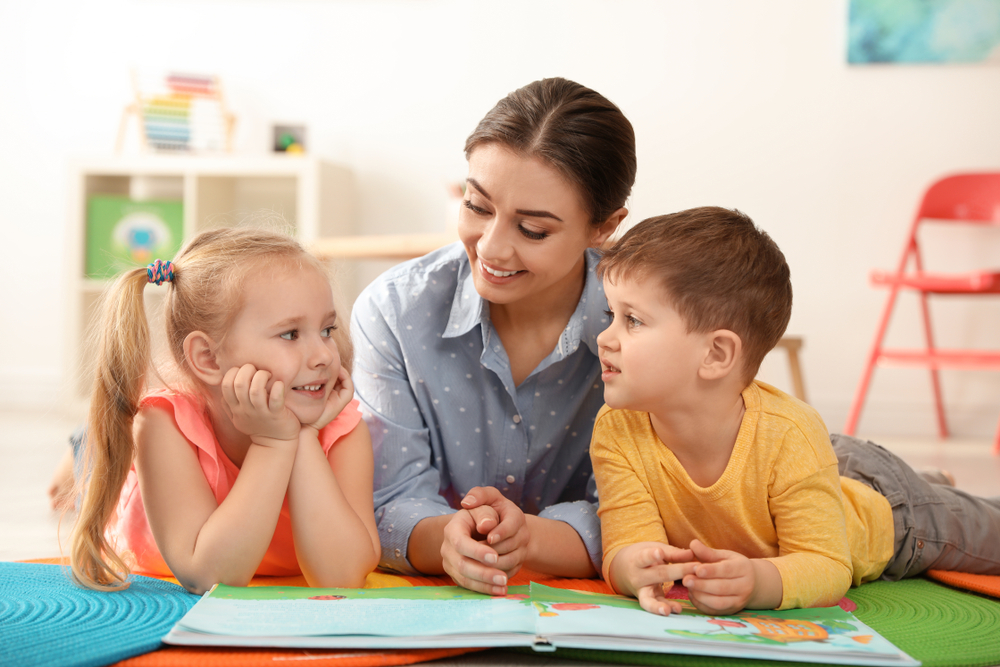



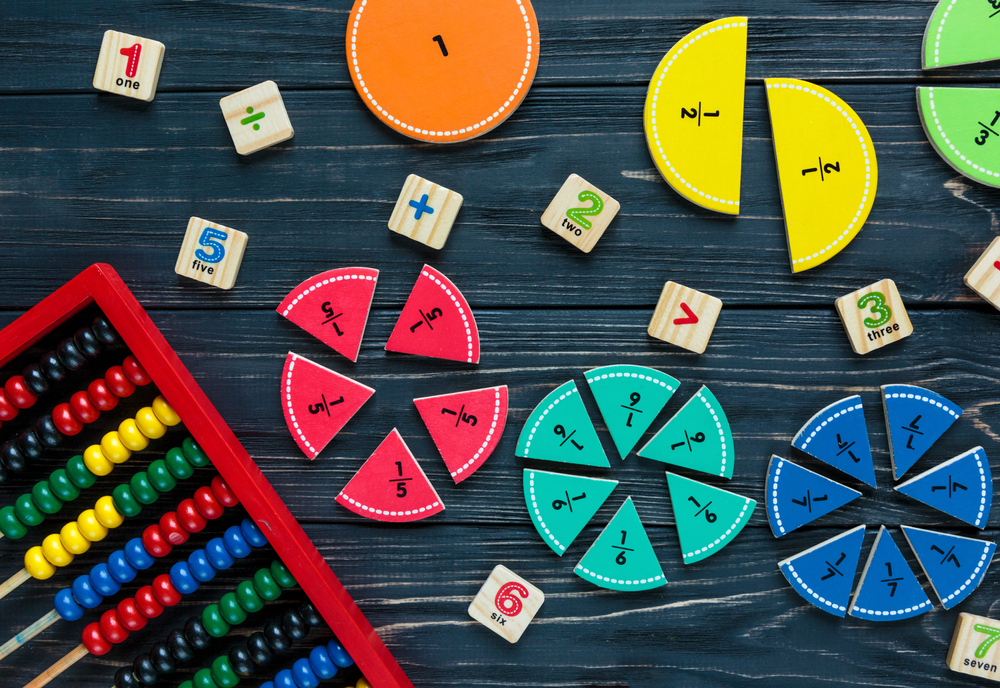

Parents and teachers play a crucial role in fostering mathematical development in young children, and identifying fractions is a fundamental element of early math education for ages 3-7. Introducing fractions at an early age helps build a strong mathematical foundation by promoting critical thinking and problem-solving skills. For children, understanding fractions enriches their comprehension of numbers and their relationships, enabling them to grasp more complex math concepts in future grades. Fractions also appear in various real-world situations, such as sharing a pizza or dividing toys, making it essential for children to learn them early on.
Children equipped with a good understanding of fractions can confidently tackle more advanced math topics later on, such as decimals, percentages, and ratios. Additionally, early exposure to fractions can stimulate logical reasoning and analytical thinking, laying the groundwork for academic success across STEM (Science, Technology, Engineering, and Mathematics) subjects.
Furthermore, identifying fractions nurtures a positive attitude towards math, reducing math anxiety and fostering a lifelong love for learning. By integrating fractions through engaging, hands-on activities like baking or cutting shapes into equal parts, parents and teachers can make math enjoyable and accessible for young children, seamlessly blending education with everyday experiences. Thus, focusing on early fraction learning paves the way for holistic cognitive development and practical life skills.








