
Introduction to mathematics Math Worksheets for Ages 3-7
3 filtered results
Difficulty Level
Grade
Age
-
From - To
Subject
Activity
Standards
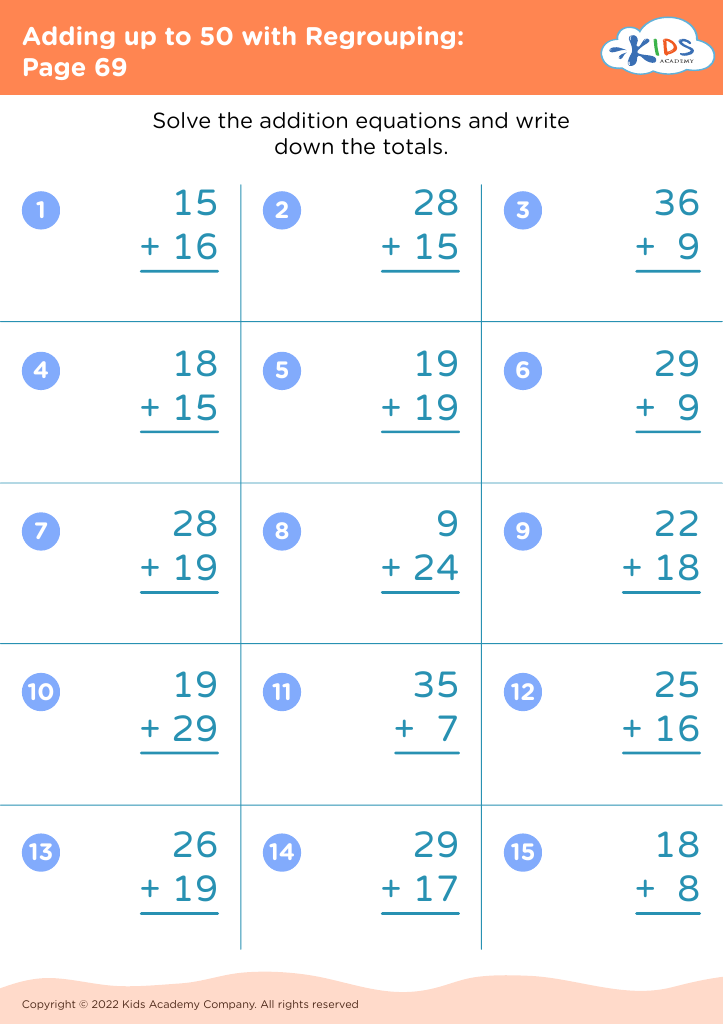
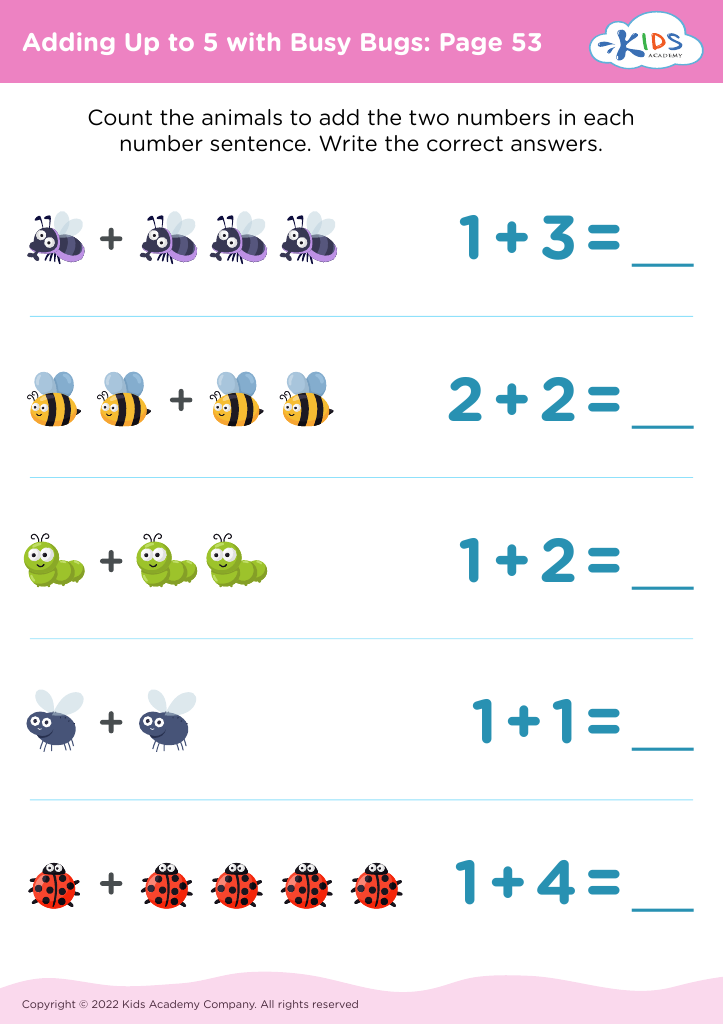
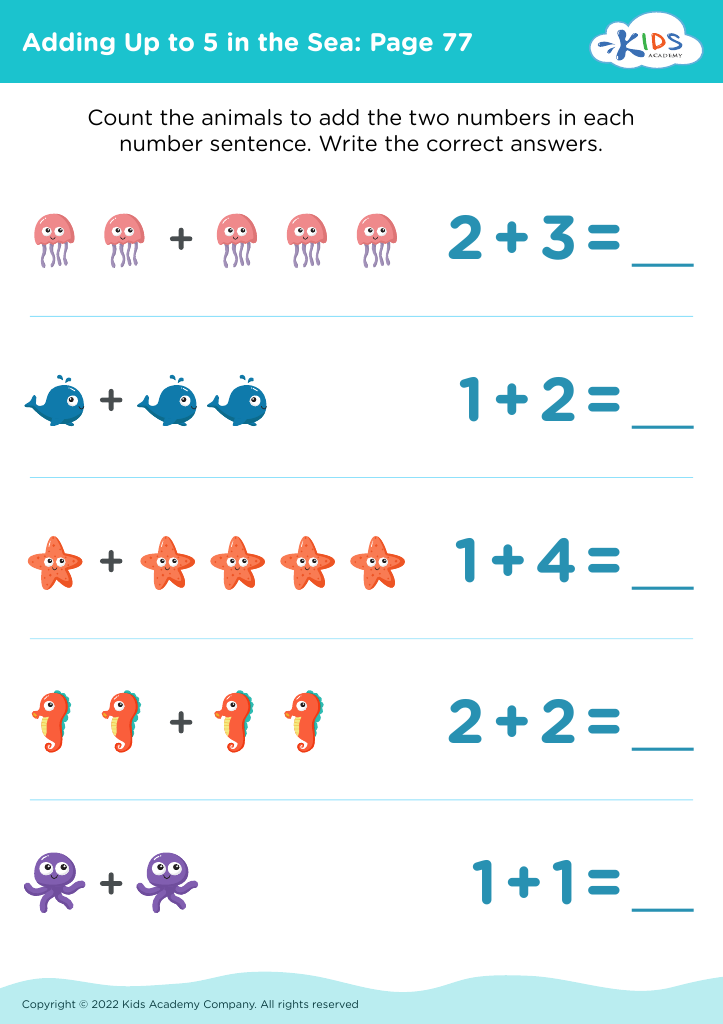
Welcome to our "Introduction to Mathematics" worksheets designed for children aged 3 to 7! These engaging and interactive resources foster early math skills, helping young learners develop a strong foundation in number recognition, counting, basic addition and subtraction, and shape identification. Each worksheet is thoughtfully crafted to make math fun and accessible, incorporating colorful visuals and playful activities that encourage exploration and hands-on learning. Perfect for parents and educators alike, our worksheets promote cognitive development and enhance problem-solving abilities. Explore the joy of math with our carefully curated materials, ensuring your little ones embark on a lifelong love for learning.
Favorites
With answer key
Interactive
Join Kids Academy for Free
Who is primarily going to use this learning content?







Introduction to mathematics for children aged 3-7 is crucial in laying a solid foundation for their future learning. During these formative years, children are rapidly developing cognitive skills, language, and social interactions. Introducing mathematical concepts at this age fosters critical thinking and problem-solving abilities that are essential across all areas of life.
Early exposure to math enhances children’s number sense, spatial awareness, and pattern recognition. For example, engaging in counting games, sorting activities, and basic measuring tasks helps children make sense of their world, developing confidence and independence. Parental involvement and teacher support are key in creating positive experiences around math, which promotes a lifelong appreciation.
Moreover, the skills nurtured through early mathematics education directly impact later academic success. Children who grasp basic math concepts tend to excel in more complex mathematical operations in later grades. These foundational skills also translate to improved performance in subjects like science and technology.
By prioritizing math learning in the early years, parents and teachers equip children with essential life skills while catering to diverse learning styles and interests. Creating a rich, engaging math environment fosters a love for learning that will benefit children throughout their education and beyond.








