Letter recognition Math Worksheets for Ages 3-7
5 filtered results
-
From - To
Discover engaging and educational Letter Recognition Math Worksheets designed for children ages 3-7 at Kids Academy. These playful and colorful worksheets seamlessly blend essential math skills with letter recognition, providing a fun and interactive learning experience. Perfect for early learners, our worksheets cover topics like counting, number matching, and simple addition while reinforcing alphabet familiarity. Ideal for both classroom and at-home learning, these activities foster critical thinking and foundational skills. Help your child develop a love for math and literacy with our expertly crafted worksheets that encourage ongoing growth and educational success. Dive into learning at Kids Academy today!
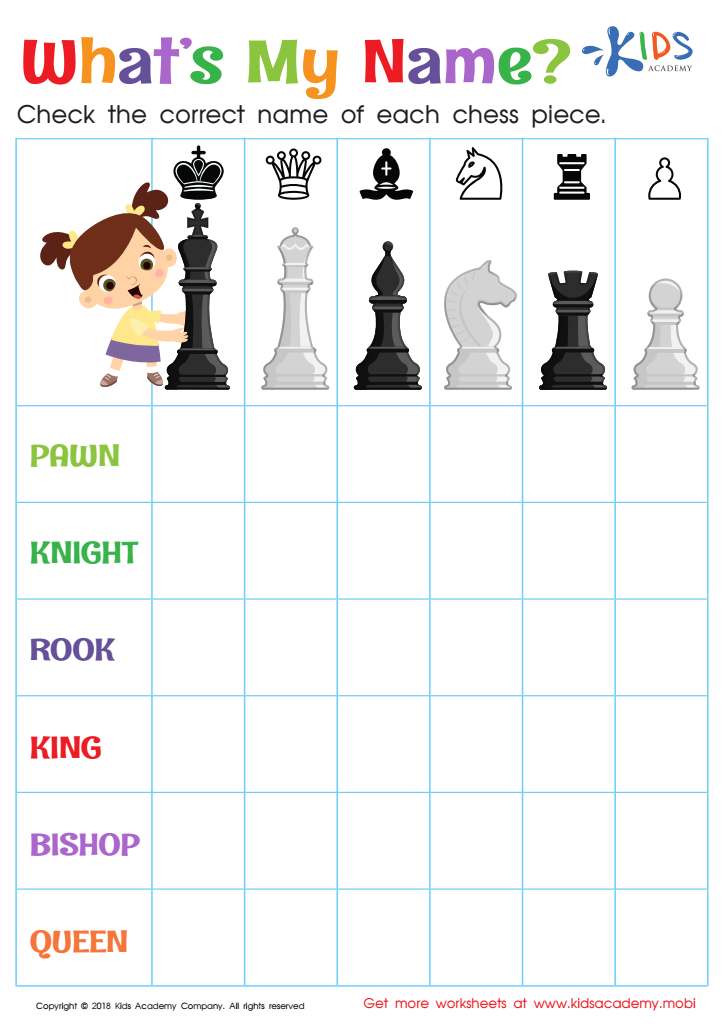
What's My Name? Worksheet
 Assign to My Students
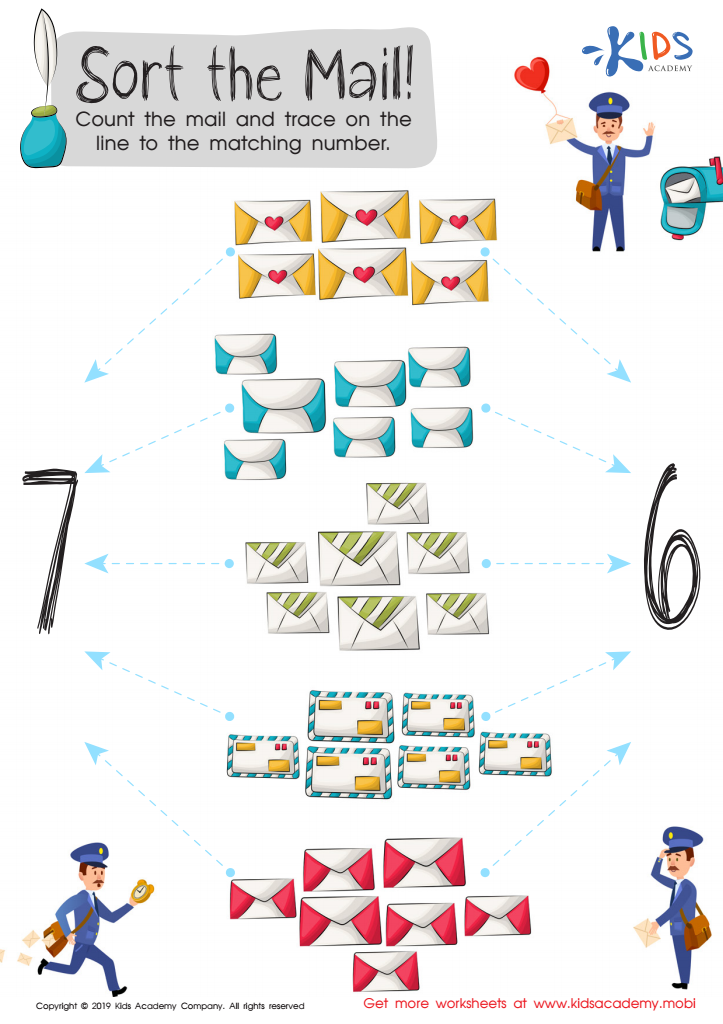
Sort the Mail Worksheet








Letter recognition and early math skills are crucial developmental milestones for children aged 3 to 7. Parents and teachers should place emphasis on these areas because they form the foundation for future learning and academic success.
Letter recognition is the ability to identify and name the letters of the alphabet, both uppercase and lowercase. This skill is a critical precursor to reading and writing. A strong foundation in letter recognition enables children to understand the relationships between letters and sounds, making it easier for them to decode words, recognize patterns, and ultimately enhance their reading fluency and comprehension. As children begin to read earlier and with greater proficiency, they gain confidence and develop a love for learning, which sets a positive trajectory for their education.
In addition to letter recognition, early math skills are equally important. Basic numeral recognition, understanding shapes, simple counting, and recognizing patterns play a vital role in cognitive development. These foundational math skills stimulate logical thinking, problem-solving abilities, and spatial awareness. Engaging young children in activities that promote both letter and number recognition helps build synaptic connections in the brain, fostering overall intellectual growth.
By nurturing these skills, parents and teachers equip children with the essential tools they need for academic success. As children progress through their educational journey, the early focus on letter recognition and math will pay dividends, leading to more complex literacy and numeracy abilities.








