
Logical reasoning skills Math Worksheets for Ages 3-7
3 filtered results
Difficulty Level
Grade
Age
-
From - To
Subject
Activity
Standards
Boost your child's critical thinking and problem-solving abilities with our engaging Logical Reasoning Skills Math Worksheets for Ages 3-7. These thoughtfully-designed worksheets from Kids Academy foster early math skills by introducing young learners to patterns, sequences, and logical puzzles. Each activity is tailored to their developmental stage, ensuring it's both fun and challenging. From simple matching exercises to complex story-based problems, our printable worksheets encourage curiosity, analytical thinking, and a love for math. Perfect for preschool and early elementary students, these resources are an excellent addition to any learning routine. Free samples available online to kickstart their journey!
Favorites
With answer key
Interactive
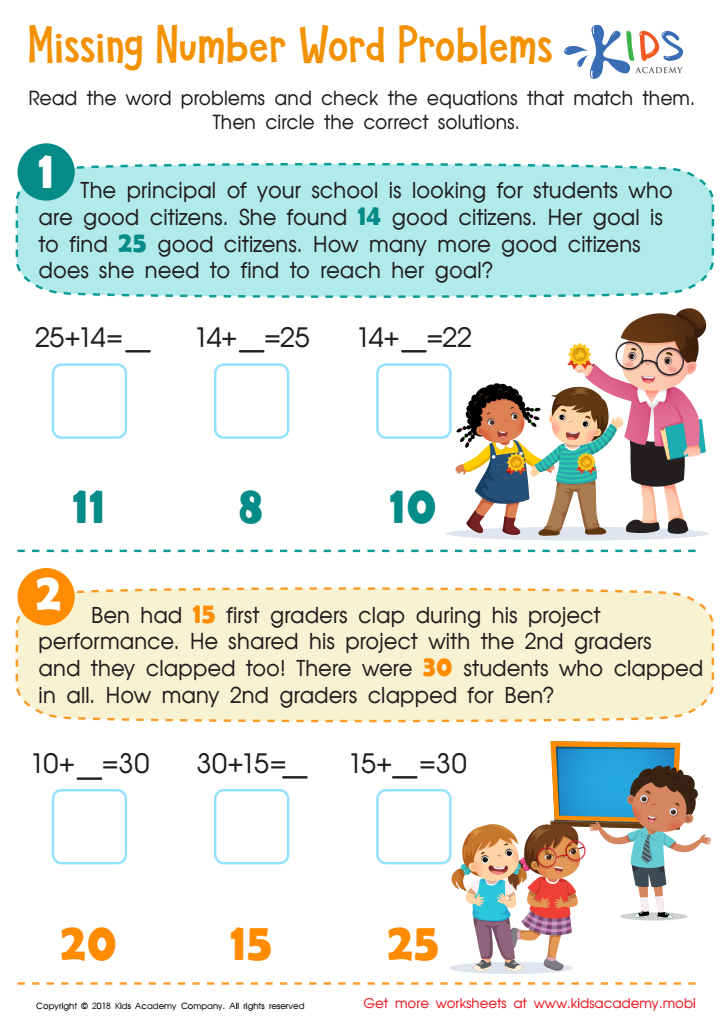
Missing Number Word Problems Worksheet
Read the word problems in this worksheet to your students. Help them understand the meaning, then translate the text into equations. Check the equations for accuracy, circle the correct solutions, and support your child as they learn to solve word problems.
 Assign to My Students
Missing Number Word Problems Worksheet
Worksheet
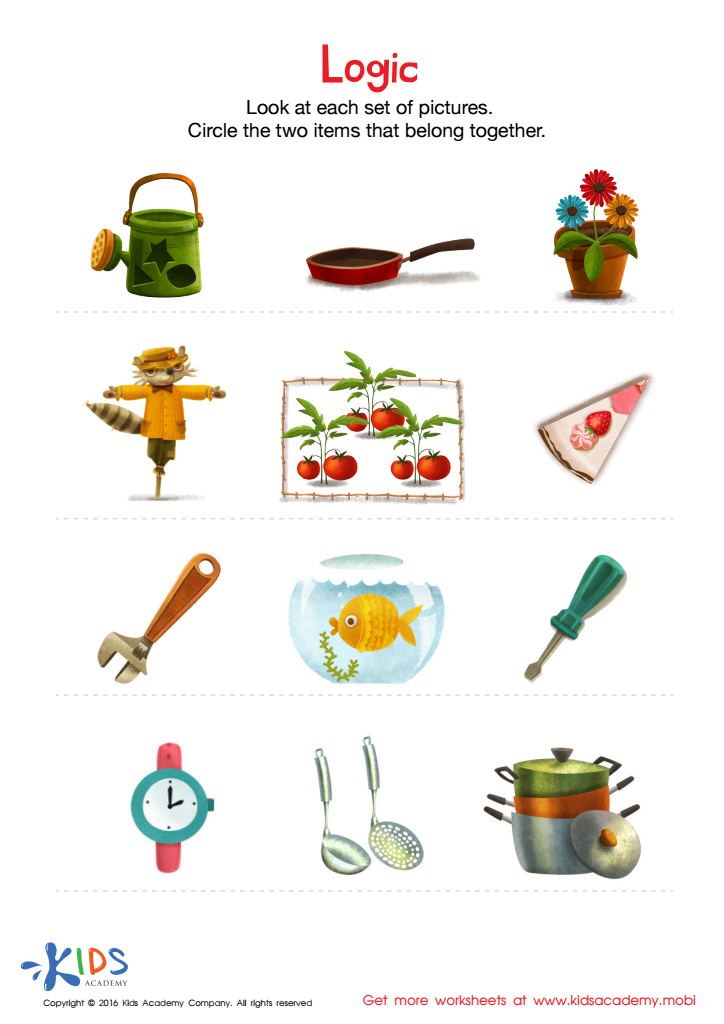
Logic Game Sorting Worksheet
Start your child's logic and reasoning development early with this fun matching worksheet! Through cute images and simple conversations, your little one can learn problem-solving, categorization, and matching skills. Plus, it's a great way for children to explore how items are used in real life. Try it and watch them boost skills with ease and fun!
Logic Game Sorting Worksheet
Worksheet
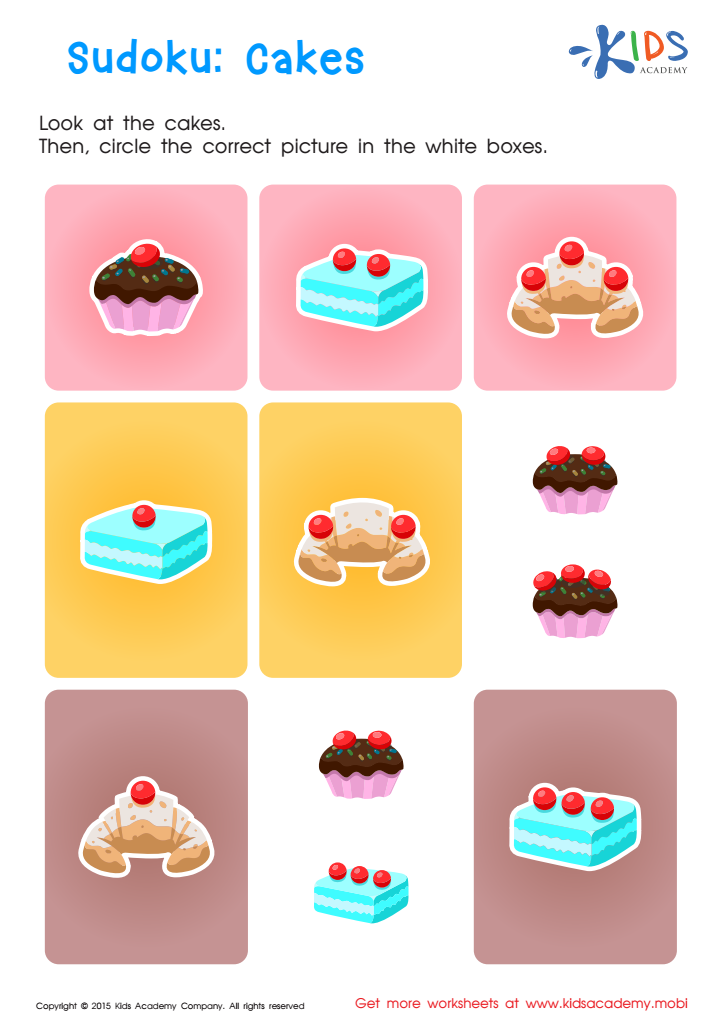
Sudoku Worksheet
Playing sudoku helps kids develop pattern and logic recognition, key skills for problem solving. Get your free printable PDF worksheet and begin the fun!
Kids can have fun and build problem-solving skills with this exciting sudoku PDF worksheet! Adults love solving sudoku puzzles, so get your free printable PDF and start your child early with this vibrant and challenging puzzle. They'll learn to recognize patterns and form logical reasoning, essential for future problem solving. Try it out today!
Sudoku Worksheet
Worksheet
Join Kids Academy for Free
Who is primarily going to use this learning content?




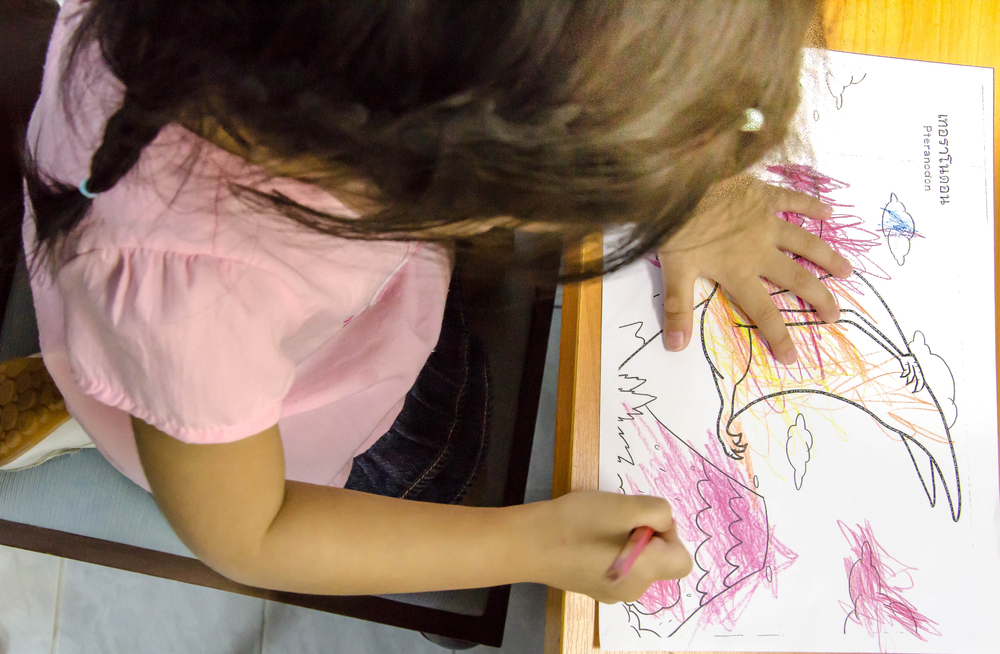
.jpg)


Logical reasoning skills are crucial for young children, especially in the context of early math education. For ages 3-7, developing these skills lays a strong foundation for future academic success and critical thinking abilities.
Firstly, logical reasoning helps children make sense of the world around them. It fosters problem-solving skills by enabling them to understand relationships, patterns, and sequences. For instance, when kids identify that 1 + 2 is the same as 2 + 1, they are employing logical reasoning to recognize the commutative property of addition. These abilities are integral to grasping basic math concepts, which are foundational for advanced mathematics and science.
Moreover, logical reasoning promotes cognitive development. When children think through a problem step-by-step, they enhance their concentration and memory. Asking questions like "what comes next?" or "how did you figure that out?" encourages deeper cognitive processing and analytical thinking, which are invaluable across all areas of learning.
Furthermore, strong logical reasoning skills can improve children's confidence and independence. As they solve problems on their own, they build self-esteem and a sense of achievement, which motivates them to embrace new challenges.
In essence, nurturing logical reasoning skills in early math education not only supports academic growth but also fosters the intellectual and emotional development necessary for lifelong learning and success.








