Mathematical thinking Math Worksheets for Ages 3-7
7 filtered results
-
From - To
Discover our engaging Mathematical Thinking Math Worksheets designed specifically for children ages 3-7! These worksheets are perfect for nurturing young minds and developing essential math skills through fun, interactive activities. Each worksheet encourages critical thinking and problem-solving, helping kids grasp foundational concepts such as counting, number recognition, and simple addition while fostering a love for mathematics. Parents and educators will find a variety of colorful, age-appropriate exercises that promote cognitive growth and correlate with early learning standards. Equip your little learners with the tools they need to excel in math with our thoughtfully crafted resources today!
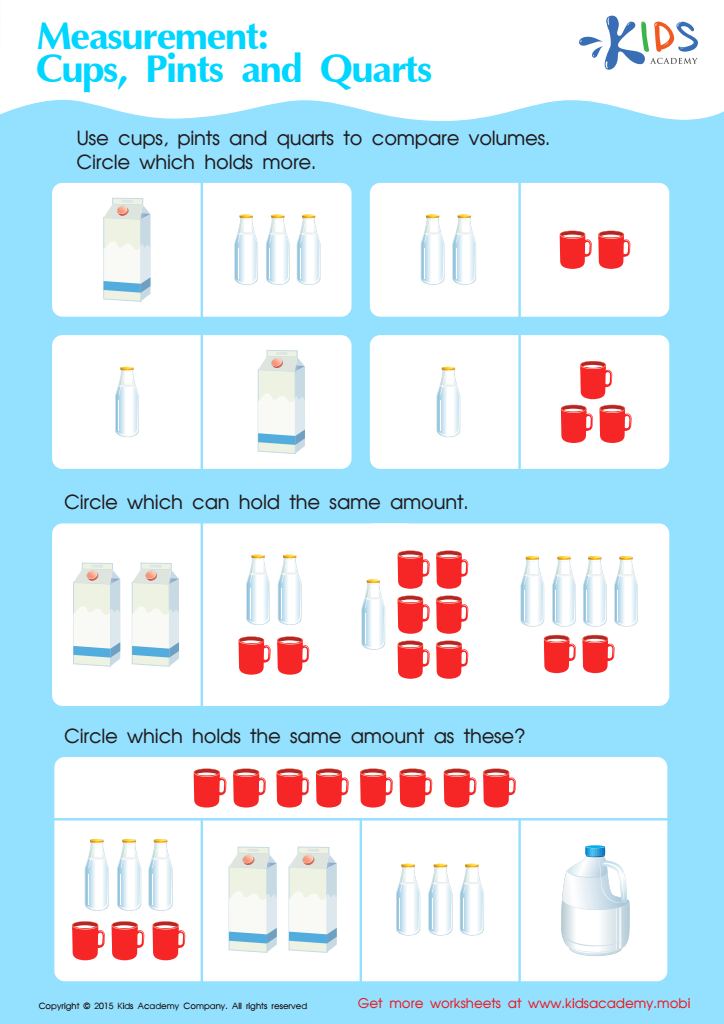
Measurement: Compare Volumes Worksheet
 Assign to My Students
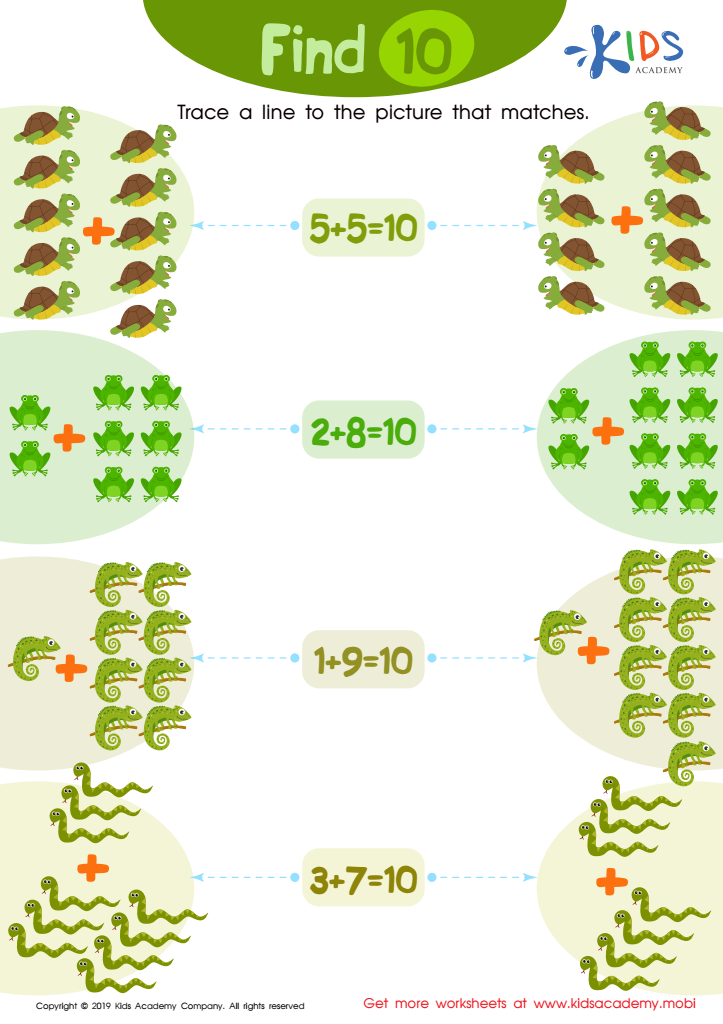
Find 10 Worksheet
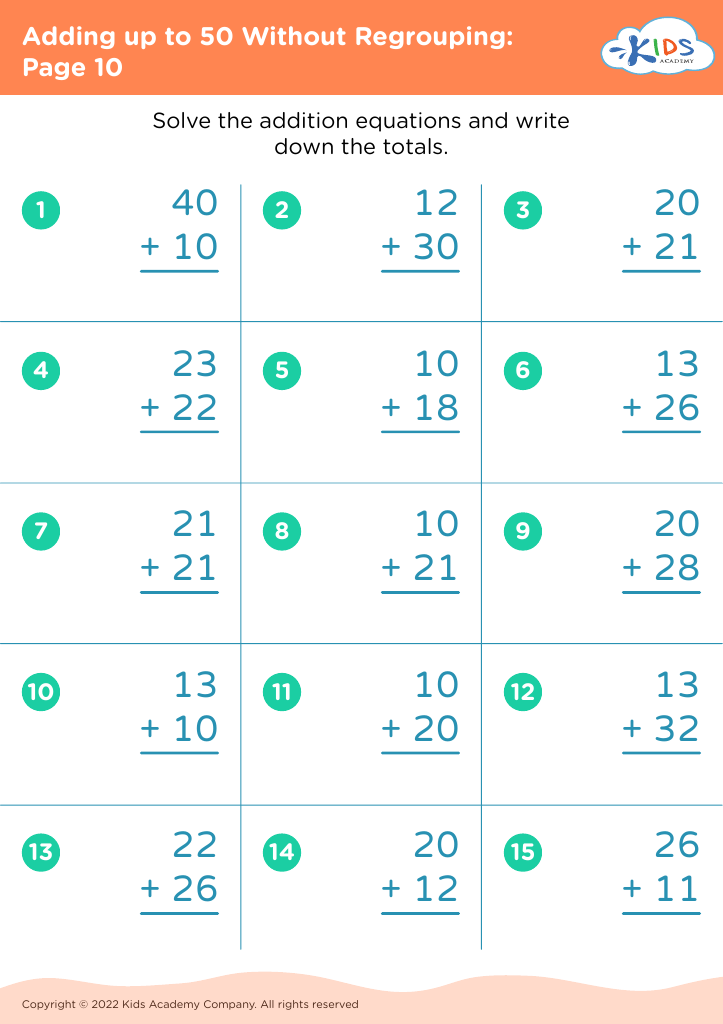
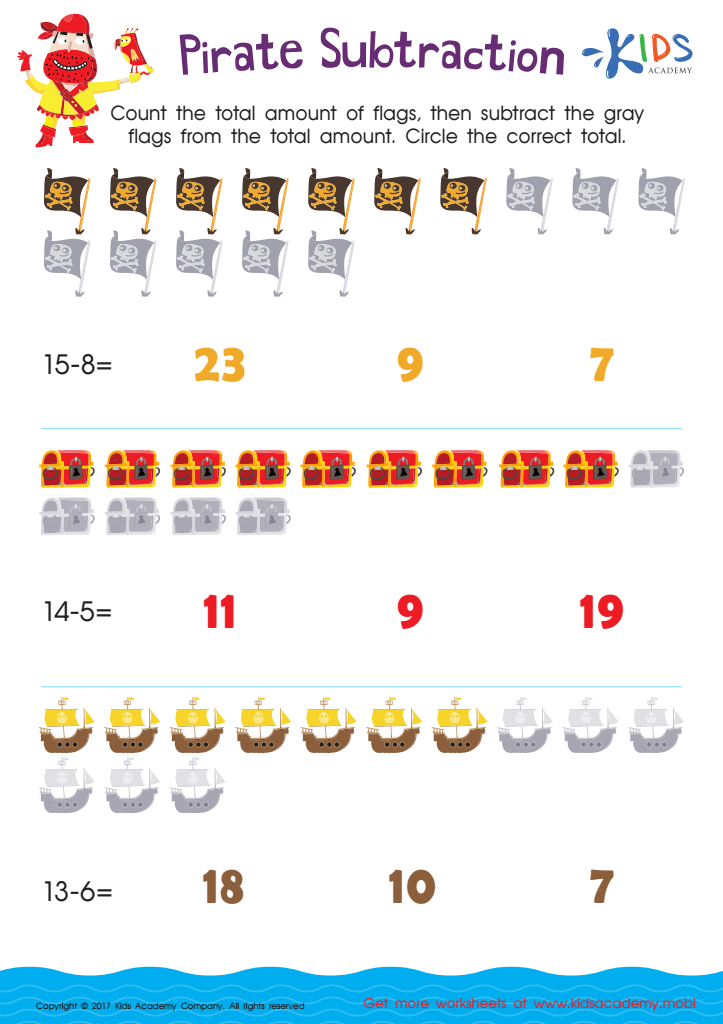
Pirate Subtraction Substraction Worksheet
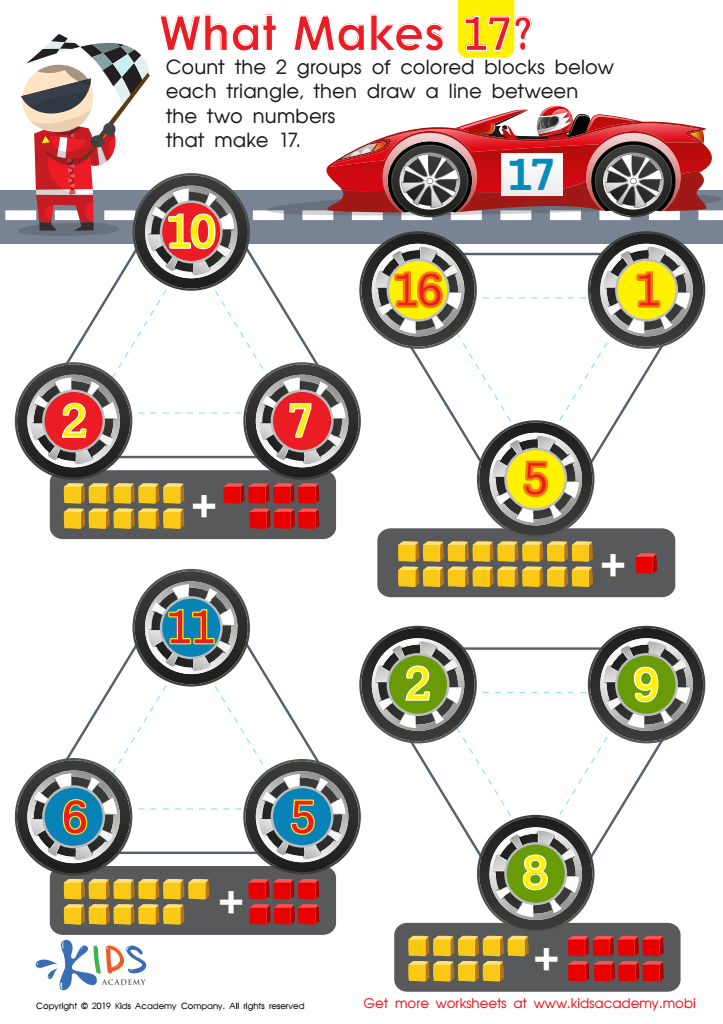
What Makes 17 Worksheet
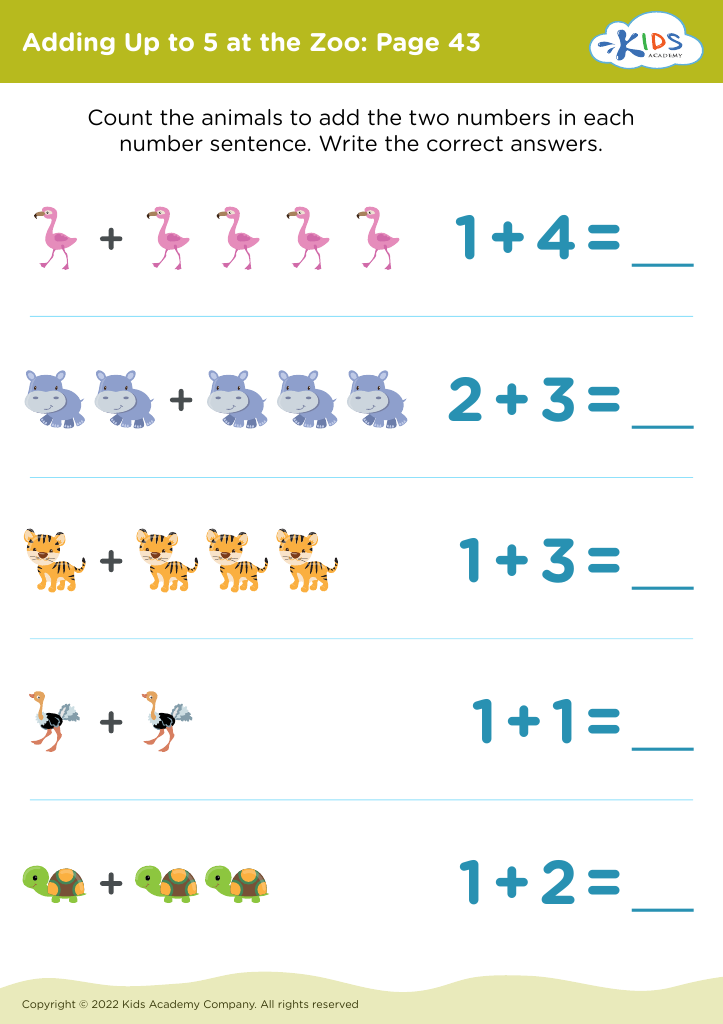
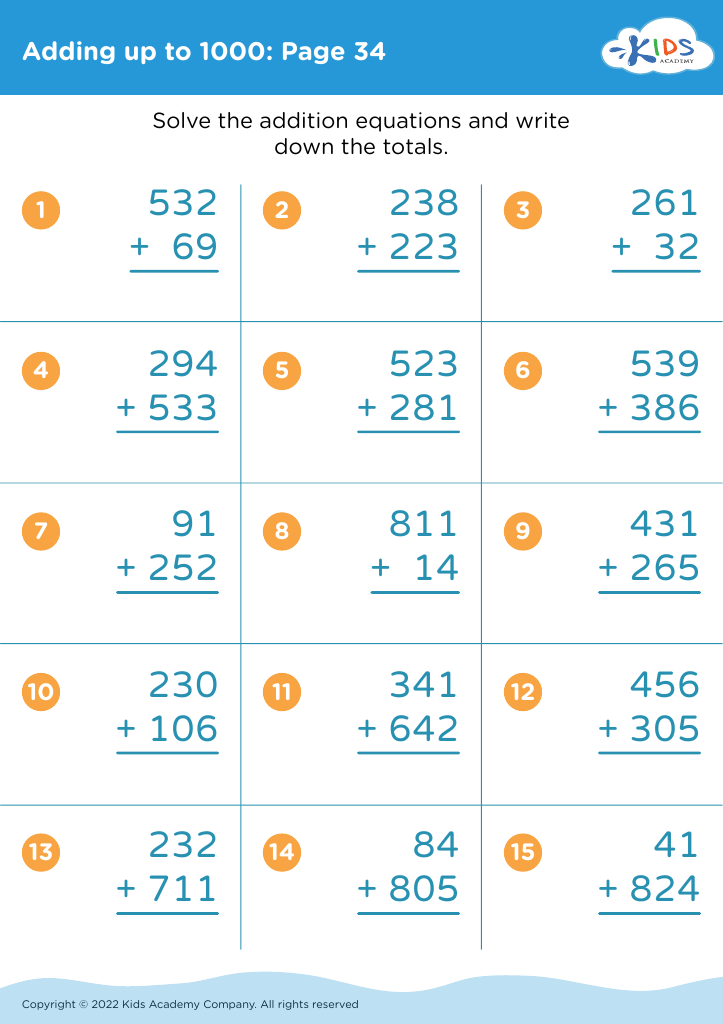




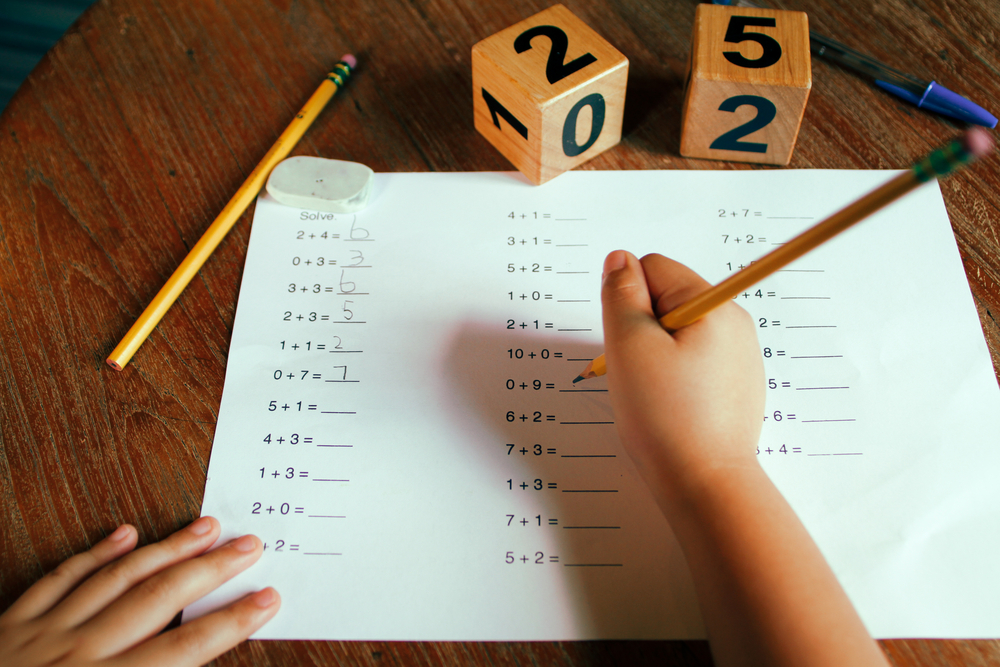



Mathematical thinking is foundational for young children's cognitive development, particularly for those ages 3 to 7. During this critical period, children develop essential skills that not only prepare them for future math concepts but also enhance overall problem-solving and critical-thinking abilities. Engaging children in mathematical thinking fosters curiosity and encourages them to explore, recognize patterns, and understand relationships among numbers and shapes.
Parents and teachers should care about nurturing these skills, as early positive experiences with math can significantly influence children's attitudes towards the subject in later years. Math is not just about numbers; it incorporates essential everyday skills such as counting, measuring, and logical reasoning, all vital for academic and real-world applications.
Moreover, mathematical thinking enhances children’s ability to communicate their ideas, negotiate, and collaborate. These interpersonal skills are integral to emotional and social development. By integrating math into play and everyday activities, parents and teachers can create a rich learning environment, making math enjoyable and relatable.
Ultimately, investing time and resources into cultivating mathematical thinking during these formative years equips children with lifelong skills, setting a strong educational foundation that supports a range of learning experiences in the future.








