Number sequence learning Math Worksheets for Ages 3-7
3 filtered results
-
From - To
Discover engaging number sequence learning math worksheets designed for children ages 3-7 on our website! These interactive resources help young learners develop essential math skills by introducing them to the concepts of counting and number sequences in a fun, playful way. With vibrant illustrations and age-appropriate activities, children will enjoy exploring number patterns, completing sequences, and enhancing their understanding of mathematics. Perfect for homeschooling or supplemental learning, our worksheets encourage critical thinking and boost confidence in early learners. Start your child’s journey with numbers today and watch them thrive in their math skills with our expertly crafted worksheets!
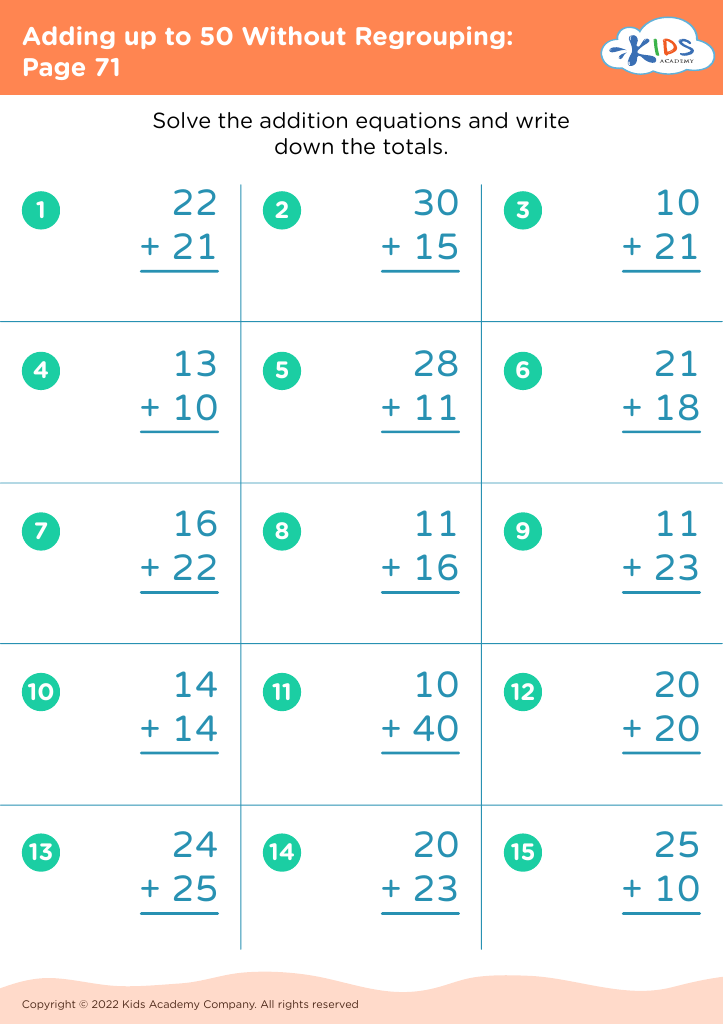
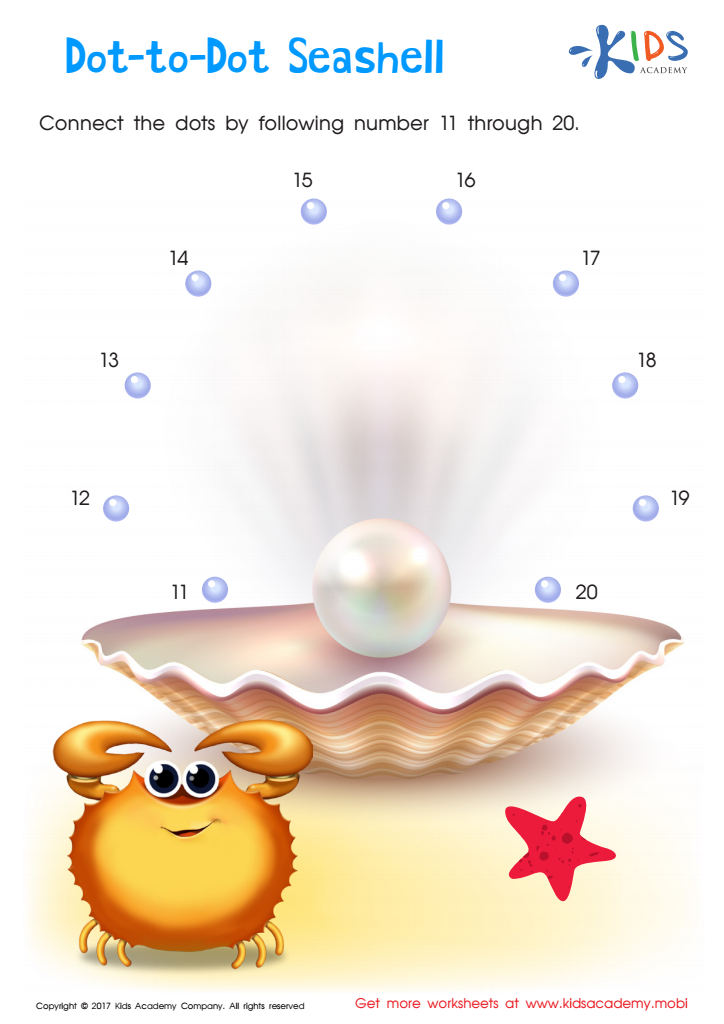
Ordering 11–20: Dot–to–dot Seashell Printable
 Assign to My Students
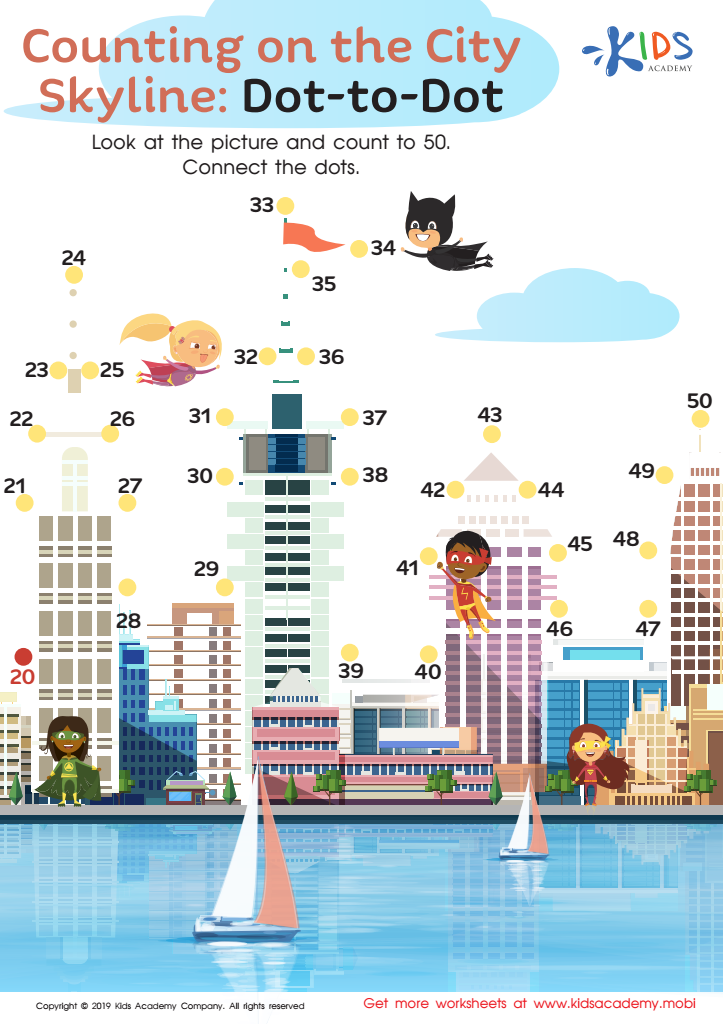
Counting on the City Skyline: Dot-to-Dot Worksheet




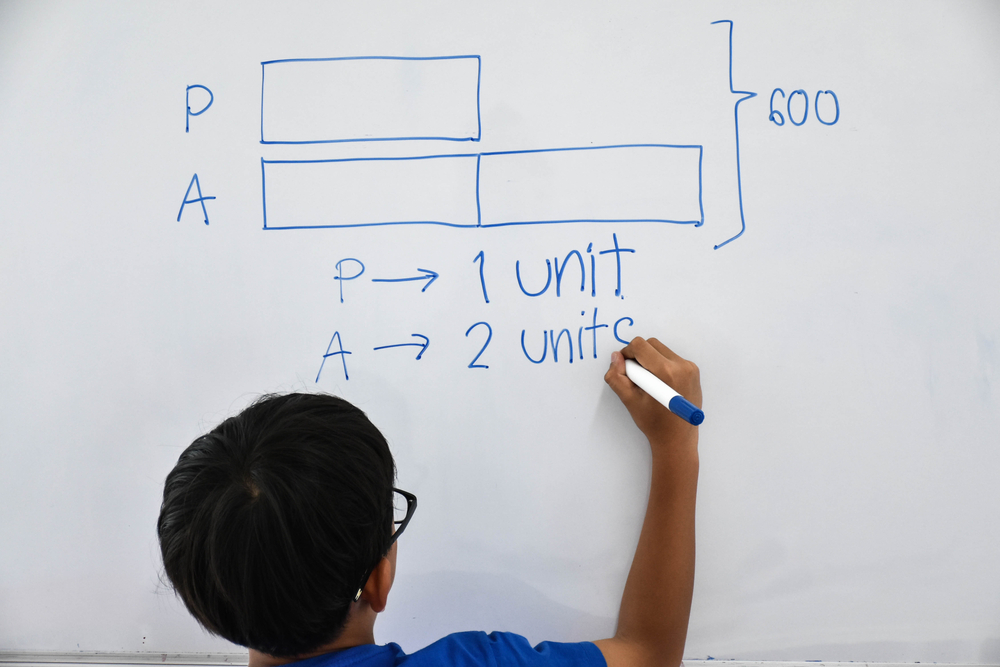


Number sequence learning is crucial for children aged 3-7 as it lays the foundation for their mathematical understanding and overall cognitive development. During these formative years, children are naturally curious and eager to explore patterns and relationships in numbers. By engaging in number sequence activities, they develop essential skills such as counting, order recognition, and the ability to predict and solve basic mathematical problems.
Parents and teachers play a significant role in fostering an environment that encourages this learning. Early exposure to number sequences helps children boost their confidence in mathematics and builds a positive attitude toward the subject. Understanding sequences supports the acquisition of more complex mathematical concepts later on, such as addition, subtraction, and arithmetic operations.
Moreover, learning number sequences encourages critical thinking and problem-solving skills. Children learn not only how to count but also how to reason and make connections between numbers. This learning also enhances their language skills, as they describe patterns and sequences. By nurturing these foundational skills, parents and teachers help set children on a path for academic success and lifelong learning. It is vital for adults to prioritize number sequence learning during these early years to promote a strong mathematical foundation.








