Number writing Math Worksheets for Ages 3-7
5 filtered results
-
From - To
Discover our engaging Number Writing Math Worksheets for children ages 3-7! Designed to enhance early literacy and numeracy skills, these worksheets help young learners practice and perfect their number formation. Featuring fun illustrations and step-by-step guides, our resources provide a playful approach to mastering numbers 1 through 10 and beyond. Perfect for both classroom and home learning, these worksheets cater to various skill levels to support every child's learning journey. Foster creativity, confidence, and coordination with our collection that encourages children to write numbers independently while enjoying the process. Download your free worksheets today and watch your little ones thrive in math!
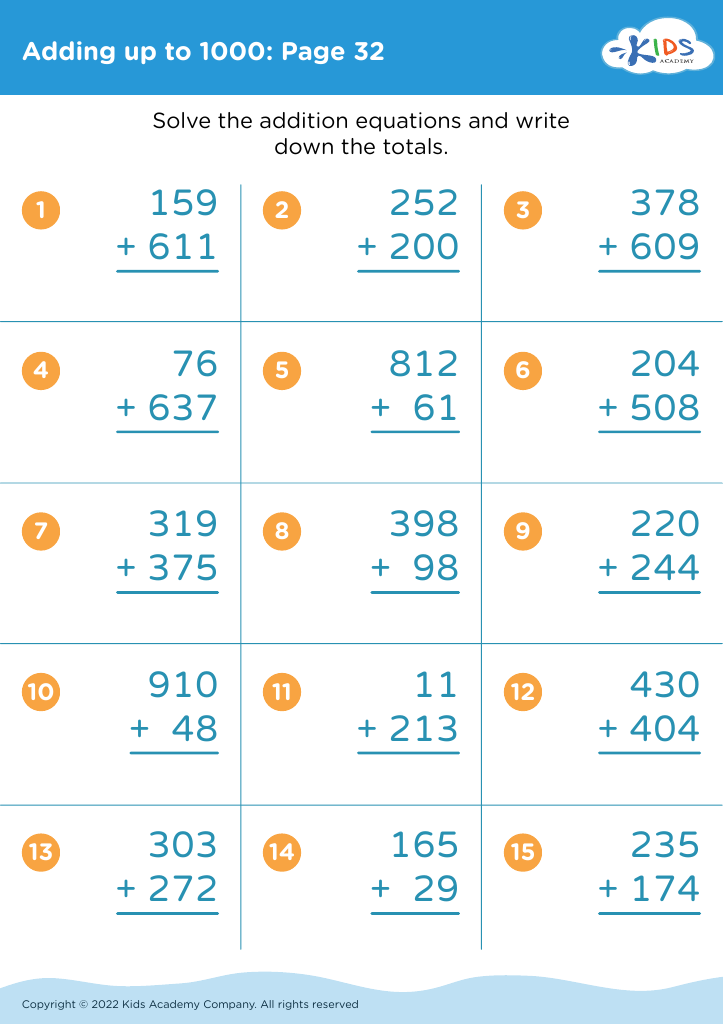
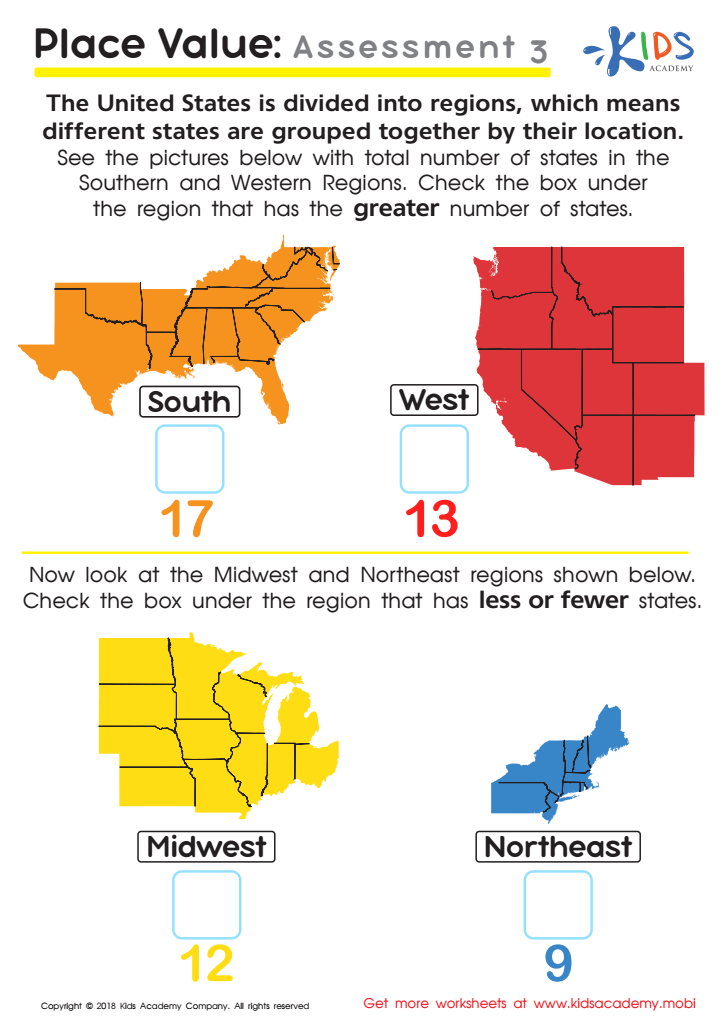
Place Value: Assessment 3 Worksheet
 Assign to My Students
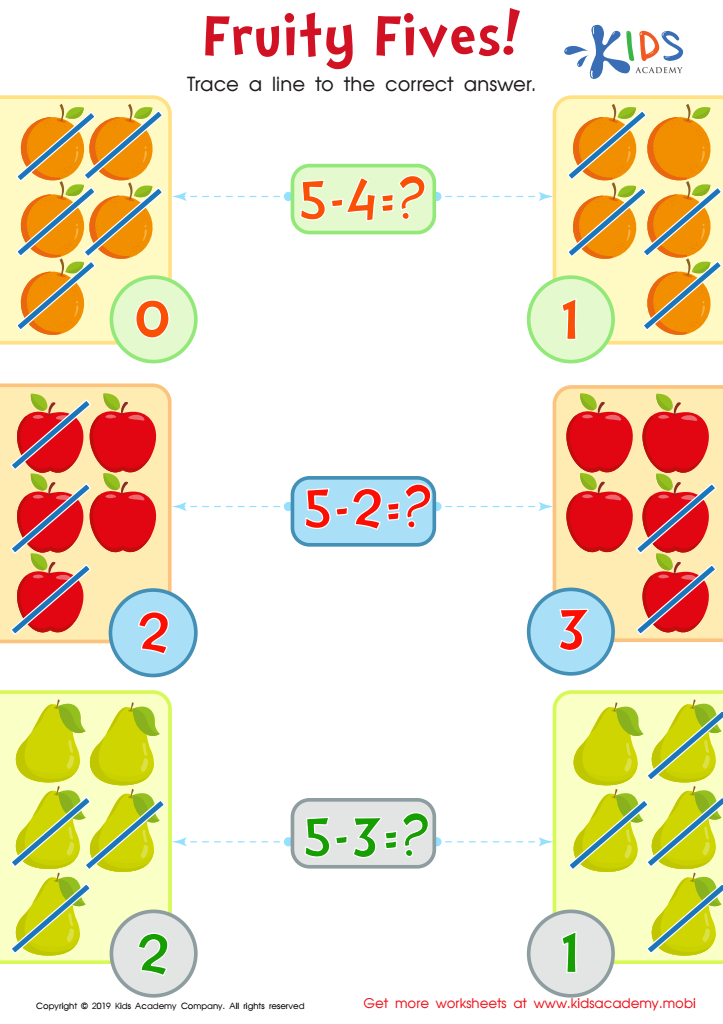
Fruity Fives! Worksheet
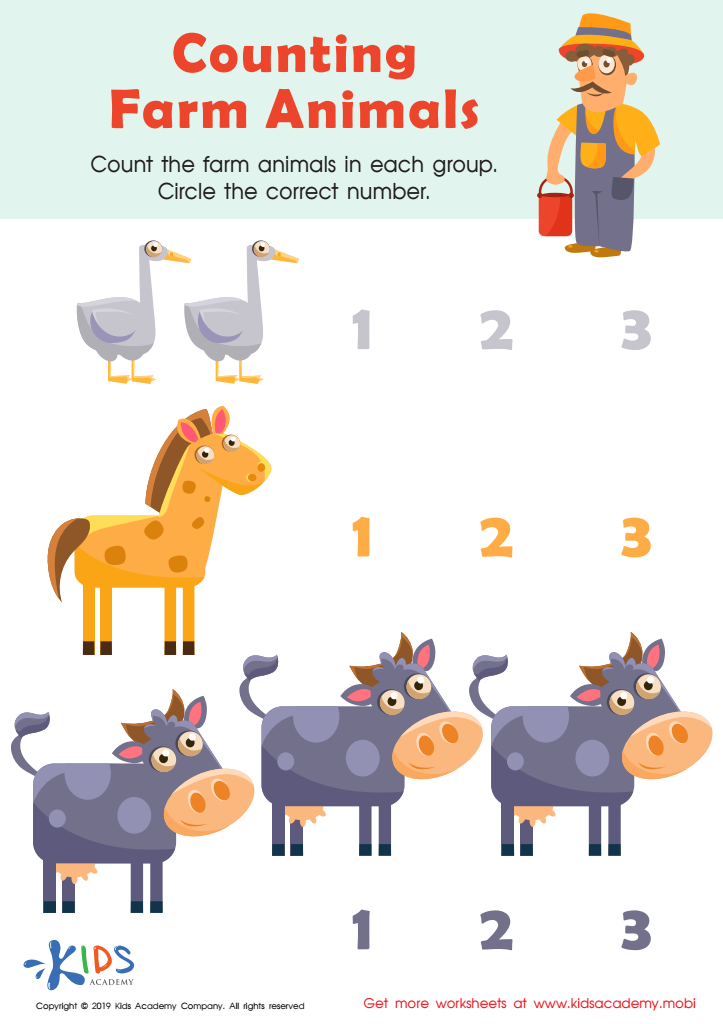
Counting Farm Animals Worksheet
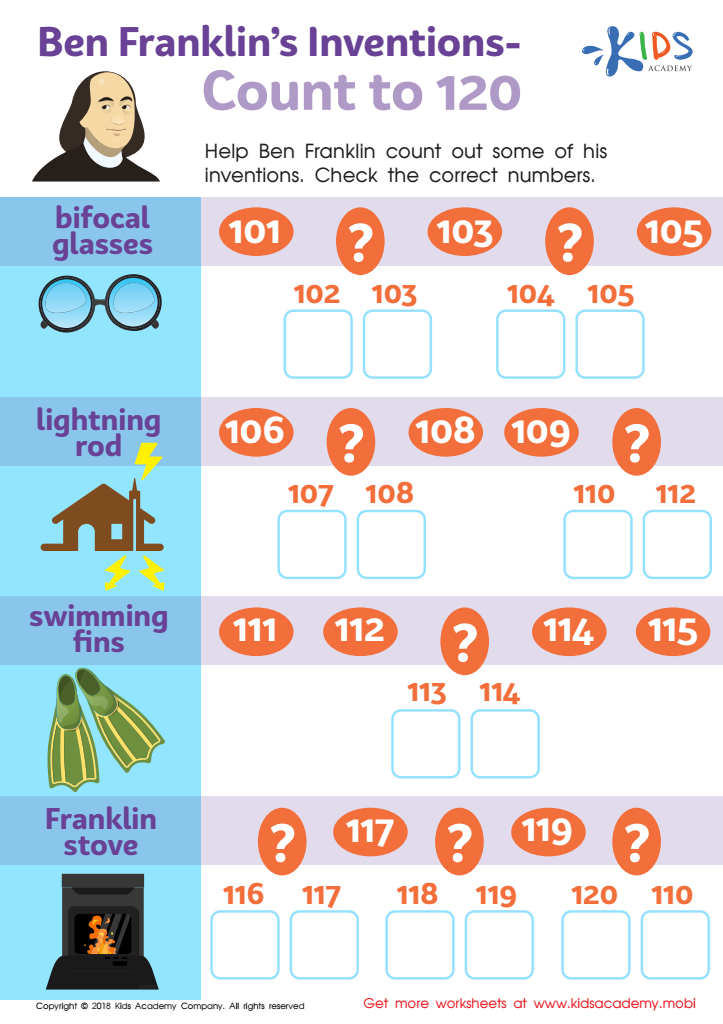
Ben Franklin’s Inventions – Count to 120 Worksheet








Parents and teachers should prioritize number writing for children aged 3-7 because it lays a strong foundation for mathematical understanding. At this developmental stage, children transition from recognizing numbers to being able to write them, which reinforces their cognitive skills and enhances memory retention. Learning to write numbers helps children develop fine motor skills, such as grip and control, essential for writing in general.
Moreover, engaging in number writing activities enhances children’s familiarity with numerical concepts, promoting better number sense. This early exposure facilitates more profound mathematical comprehension as they advance in their education. When children physically engage in writing numbers, it fosters a kinesthetic learning experience that aids understanding.
Encouraging number writing also nurtures confidence and independence in problem-solving. As children become proficient in writing and recognizing numbers, they are better equipped to tackle more complex mathematical tasks as they grow. Additionally, practicing number writing can be a fun and interactive activity for parents and teachers, providing opportunities for bonding and collaborative learning. Ultimately, prioritizing number writing will not only bolster children's mathematical skills but also contribute to their overall cognitive and social development, setting them up for future academic success.








