Pattern identification Math Worksheets for Ages 3-7
8 filtered results
-
From - To
Discover our engaging Pattern Identification Math Worksheets designed specifically for children aged 3-7! These fun and interactive resources help young learners recognize and create patterns, a fundamental math skill that fosters critical thinking and enhances cognitive development. Our worksheets include colorful visuals and age-appropriate exercises that capture children's attention while making learning enjoyable. Ideal for homeschooling or classroom activities, these worksheets support early math readiness and promote problem-solving abilities. Encourage your child's love for math and enhance their learning experience with our thoughtfully crafted pattern identification worksheets. Unlock your child's potential today and watch them thrive in the world of mathematics!
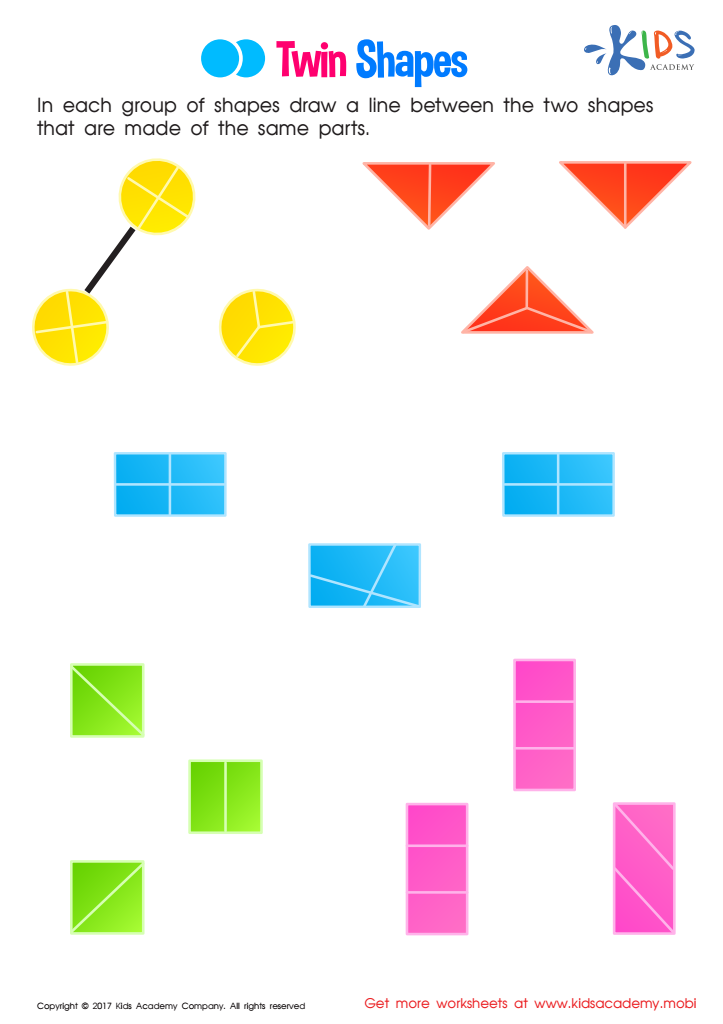
Twin Shapes Worksheet
 Assign to My Students
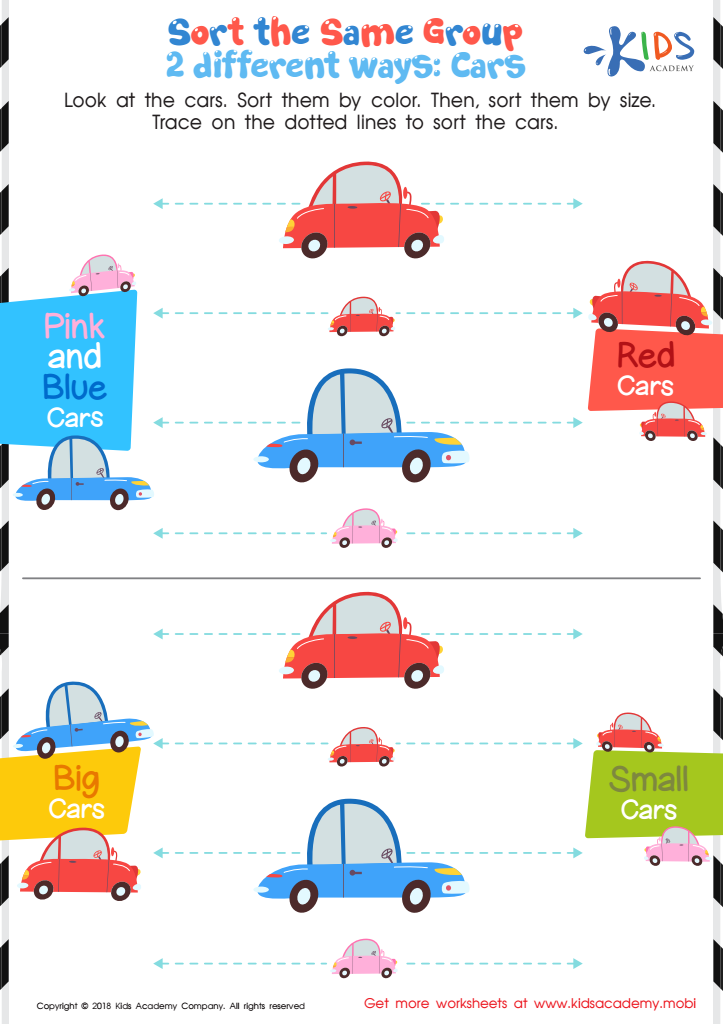
Sort the Same Group 2 Different Ways: Cars Worksheet
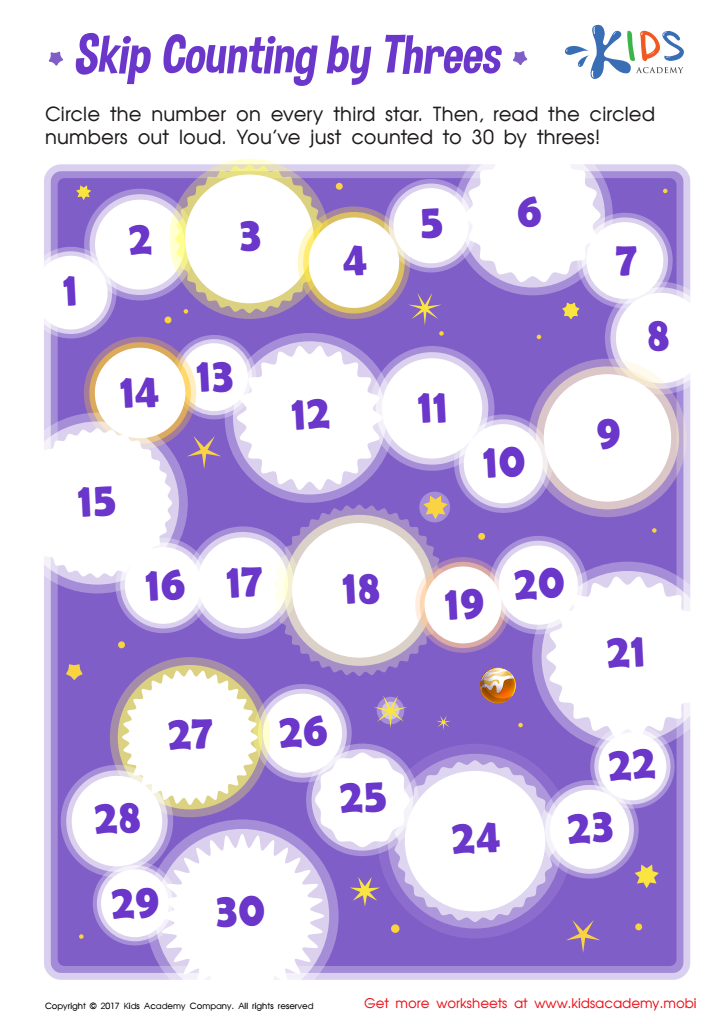
Skip Counting By Three Printable
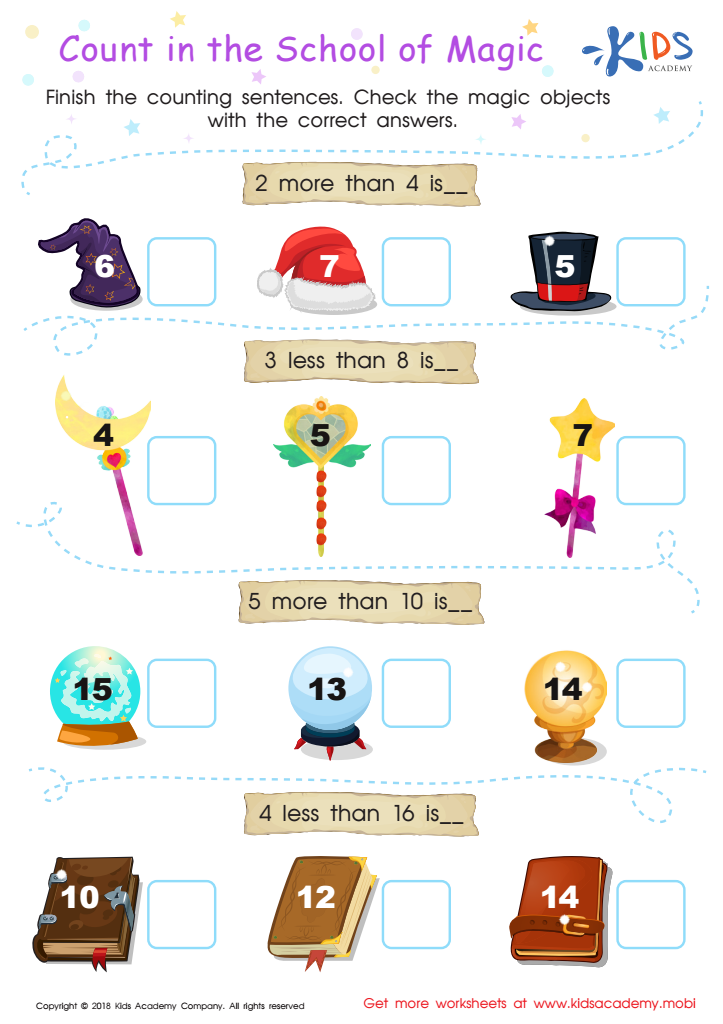
Count in the School of Magic Worksheet
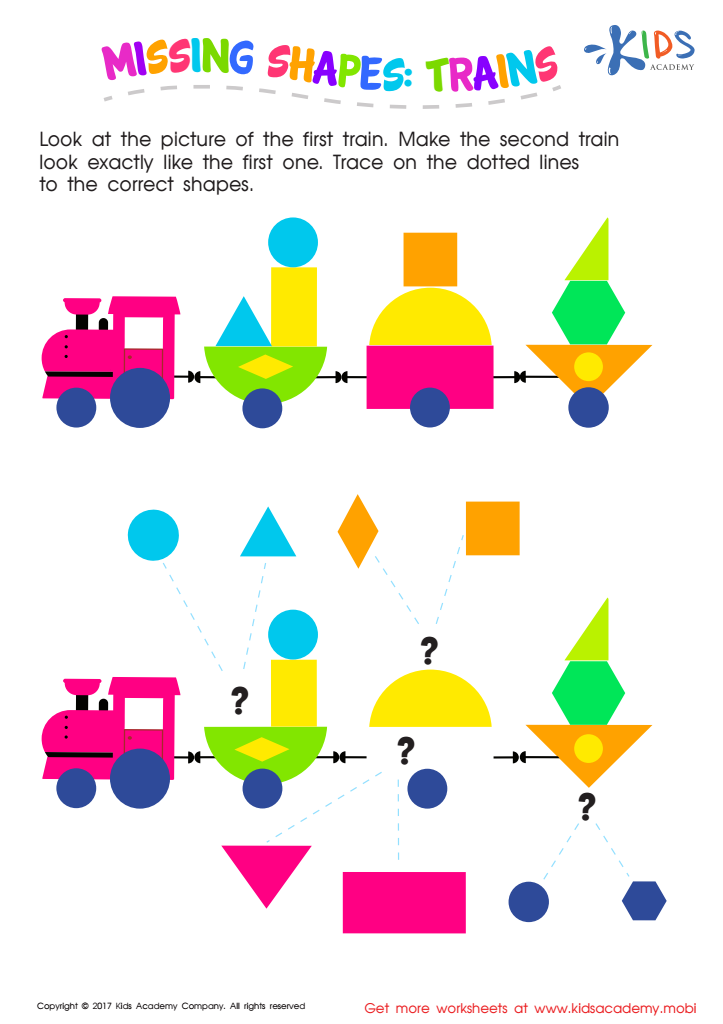
Missing Shapes: Trains Worksheet
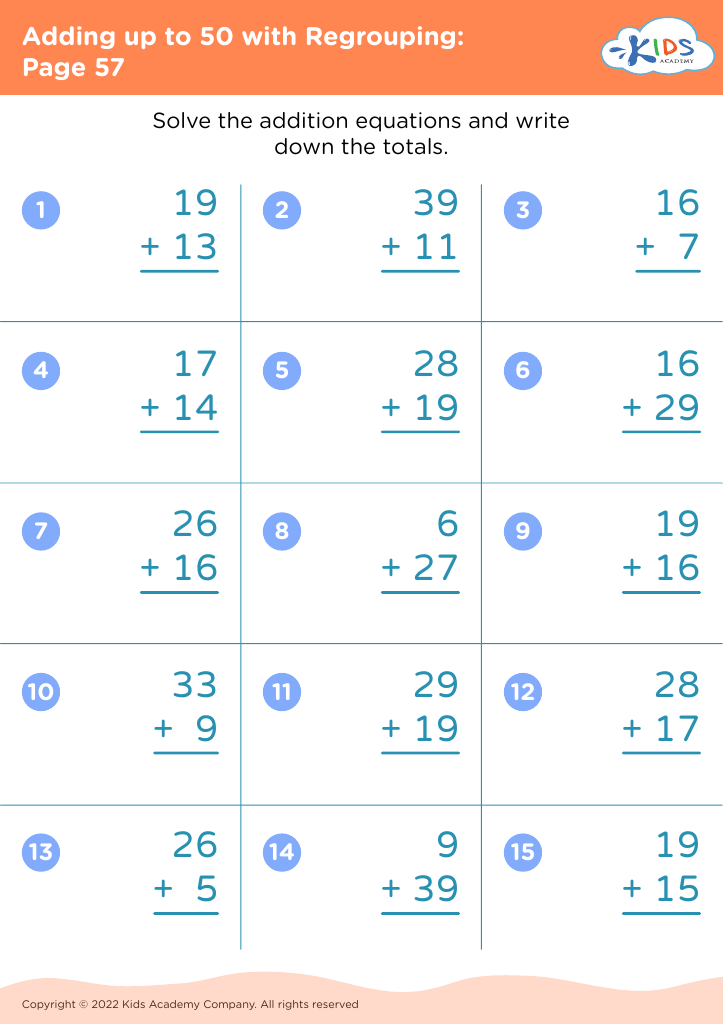
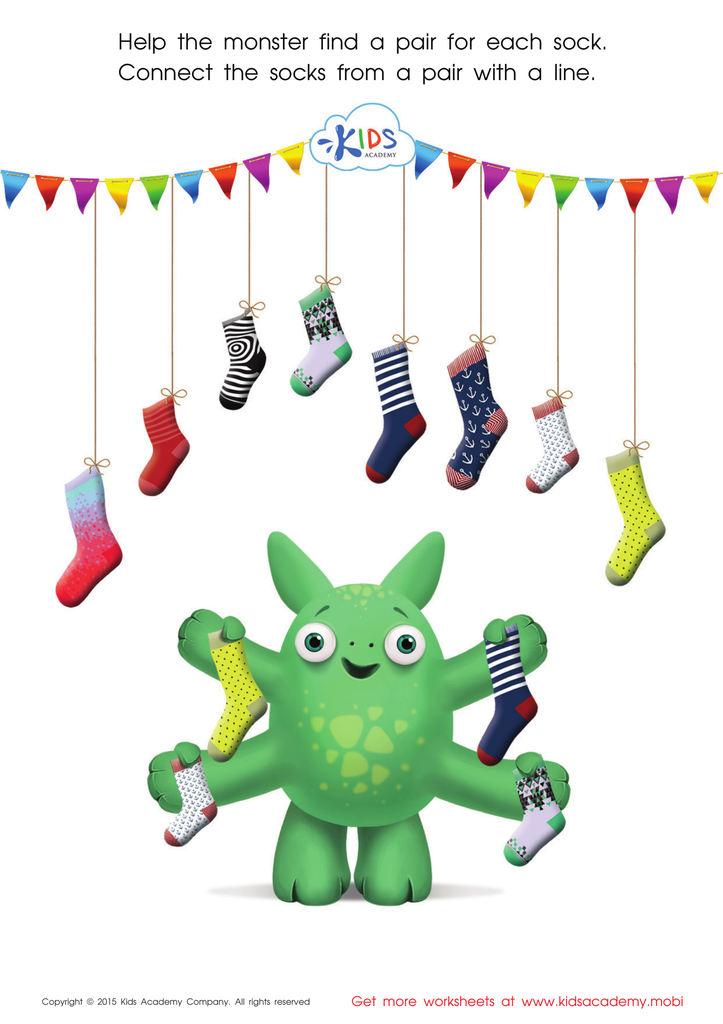
Math Matching Pairs Game: Monsterв's Socks Worksheet







Pattern identification in math for children aged 3-7 is crucial for several reasons. First, it lays the foundational skills for higher-level mathematical concepts, such as addition, subtraction, and algebra. Recognizing patterns helps young learners understand sequences and relationships between numbers, paving the way for problem-solving abilities and critical thinking skills.
Second, engaging children in pattern identification fosters cognitive development. It encourages them to observe, make predictions, and draw conclusions, which are essential skills in both mathematics and daily decision-making. Patterns can be found in nature, art, and music, enabling children to connect math to the world around them.
Additionally, pattern recognition boosts children's confidence and motivation in learning. When they successfully identify patterns, they're encouraged to explore more complex concepts. This lays a positive attitude toward math, reducing anxiety and promoting a lifelong appreciation for the subject.
Moreover, activities centered around patterns promote social and interactive learning. Whether through games, art projects, or daily routines, these experiences foster collaboration and communication among peers.
In summary, pattern identification is not just a mathematical skill; it is an essential component of early childhood education that enhances cognitive, social, and emotional development, ensuring children are well-prepared for future learning.








