Understanding number sequence Math Worksheets for Ages 3-7
7 filtered results
-
From - To
Unlock your child's math potential with our "Understanding Number Sequence Math Worksheets" designed for ages 3-7! These fun and engaging activities help young learners grasp the concept of number sequences, essential for building strong foundational math skills. Through colorful and interactive exercises, kids will enjoy learning to count forward and backward, identify missing numbers, and understand number order. Perfect for at-home practice or classroom use, these worksheets cater to different learning styles, ensuring every child can succeed in math. Join thousands of parents and teachers who trust our expert-crafted resources to make math learning exciting and effective!
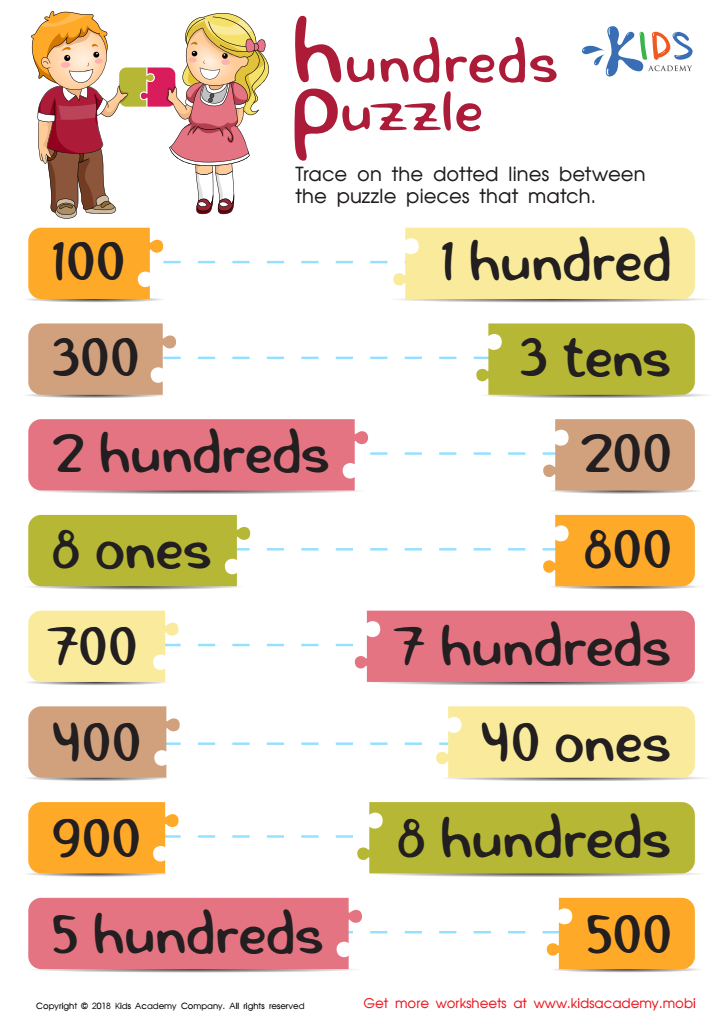
Hundreds Puzzle Worksheet
 Assign to My Students
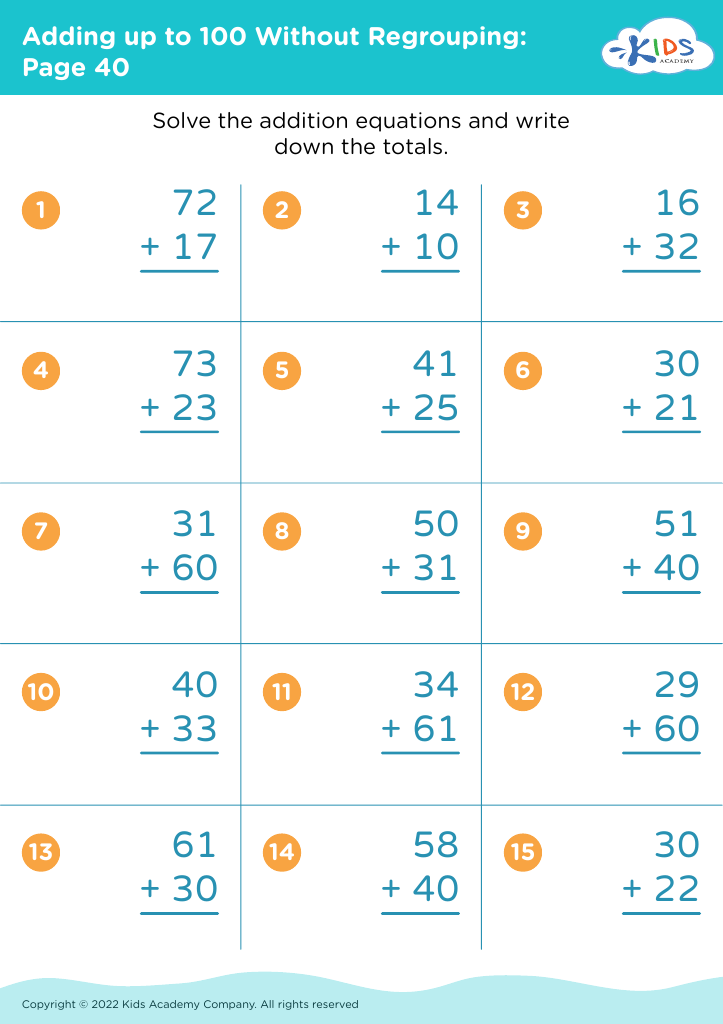
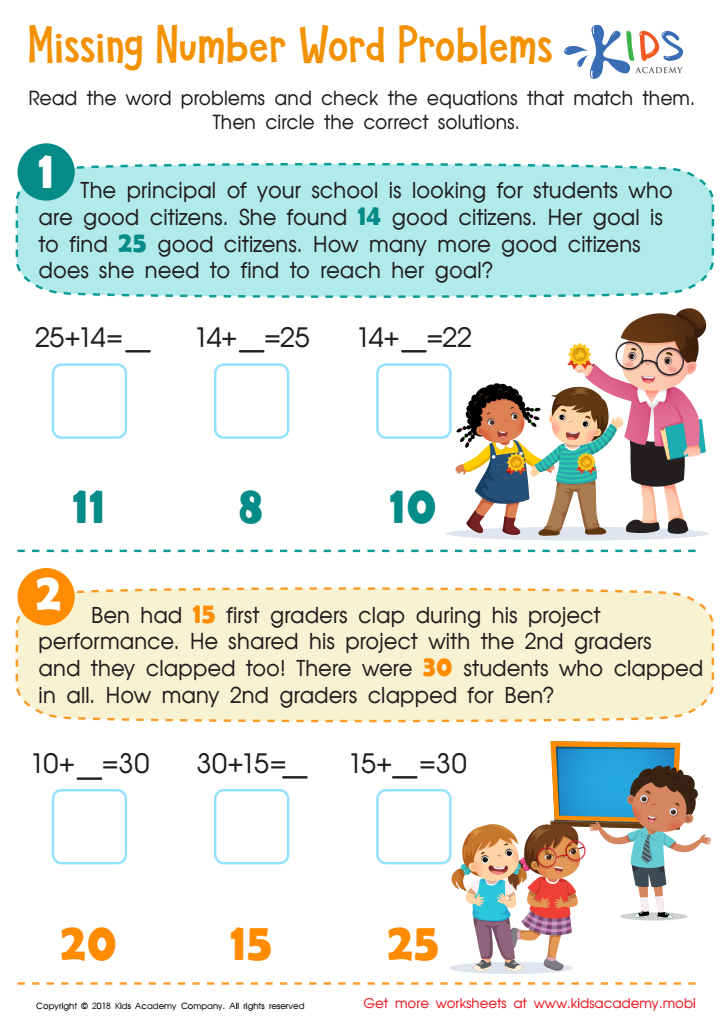
Missing Number Word Problems Worksheet
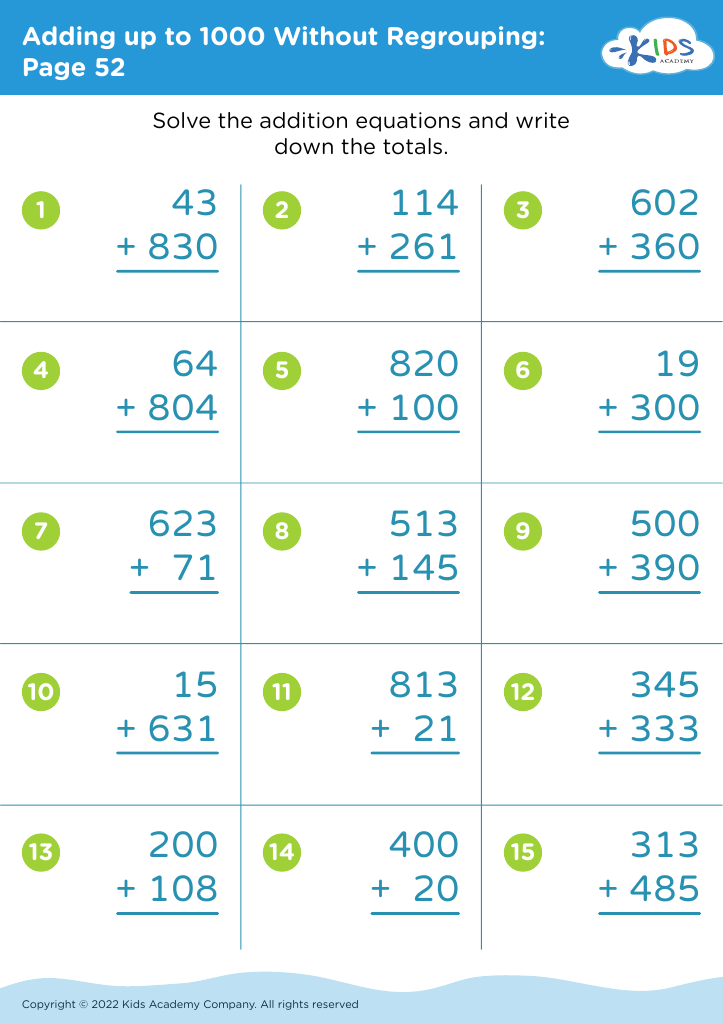
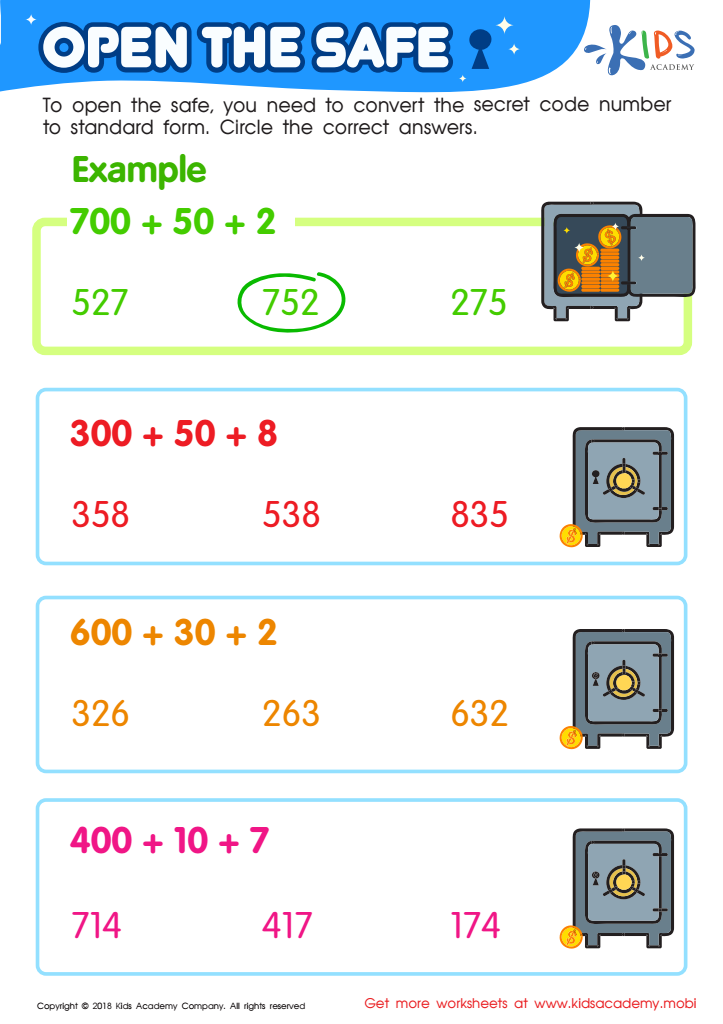
Open the Safe Worksheet
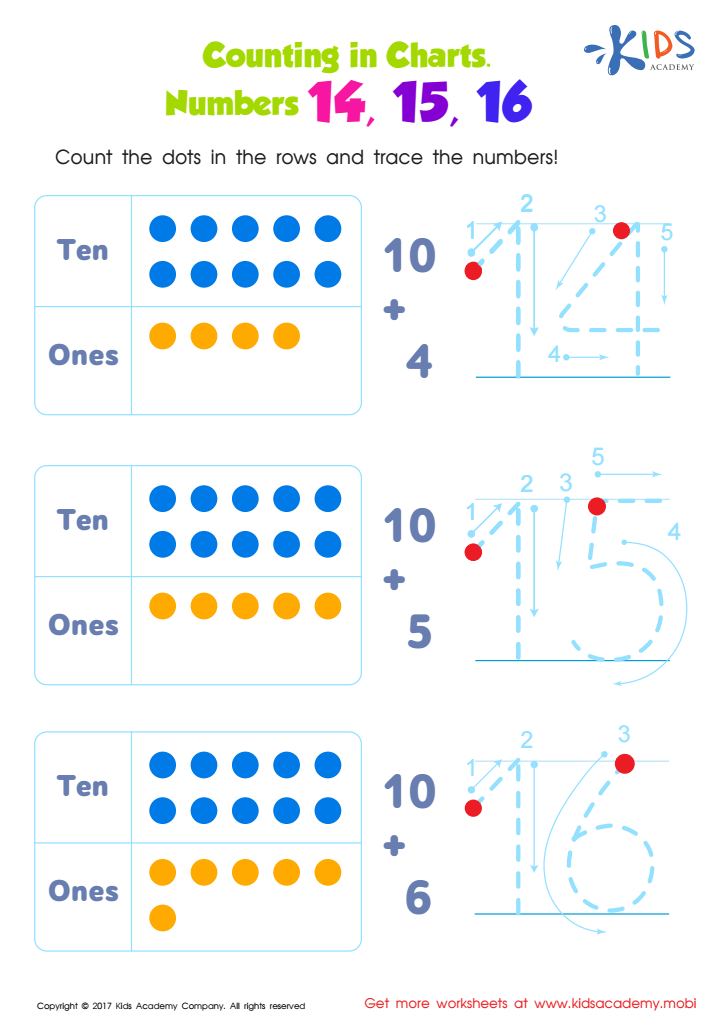
Number Tracing Worksheet







Understanding number sequences is crucial for children aged 3-7 as it forms the foundation for more complex math skills they will encounter later. This fundamental mathematical concept includes recognizing patterns, counting forward and backward, and understanding the order of numbers. Mastery of number sequences enables children to grasp other basic arithmetic principles such as addition, subtraction, multiplication, and division, which are essential for everyday problem-solving.
From a cognitive standpoint, learning number sequences enhances logical thinking and boosts memory skills. It sharpens their ability to follow a sequence of steps—a skill transferable to reading, where understanding the order of events is critical. Moreover, it fosters an early sense of structure and organization, which benefits children academically and in daily routines.
Furthermore, a good grasp of number sequences can build confidence. As children repeatedly practice counting and noticing patterns, they experience measurable progress that reinforces their self-esteem and love for learning. Some games and playful activities involve number sequences, marrying fun with education and helping reinforce these concepts organically.
In summary, understanding number sequences is not just about mathematics; it supports a child's holistic cognitive development and instills essential problem-solving and organizational skills needed for academic and real-life success. Therefore, teachers and parents should actively encourage and nurture this vital learning area.








