Sorting skills Numbers 0–10 Worksheets for Ages 3-7
3 filtered results
-
From - To
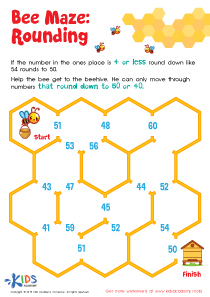
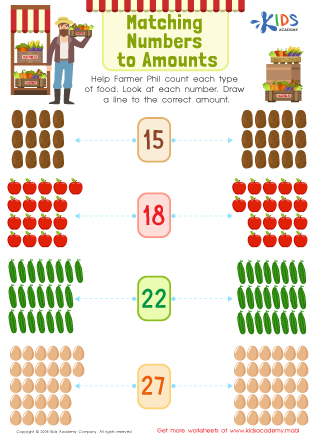
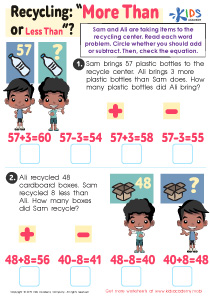
Enhance your child's numerical understanding with our "Sorting Skills Numbers 0–10 Worksheets" designed for ages 3-7. These engaging, age-appropriate worksheets help young learners grasp sorting and categorizing through interactive activities. Starting with numbers 0-10, children will practice essential math skills while having fun. Our worksheets feature colorful visuals and simple exercises that stimulate critical thinking and improve fine motor skills. Perfect for parents and early educators, these printables provide a strong foundation in numeracy, setting the stage for future math success. Discover how enjoyable learning numbers can be with Kids Academy's expertly crafted resources.
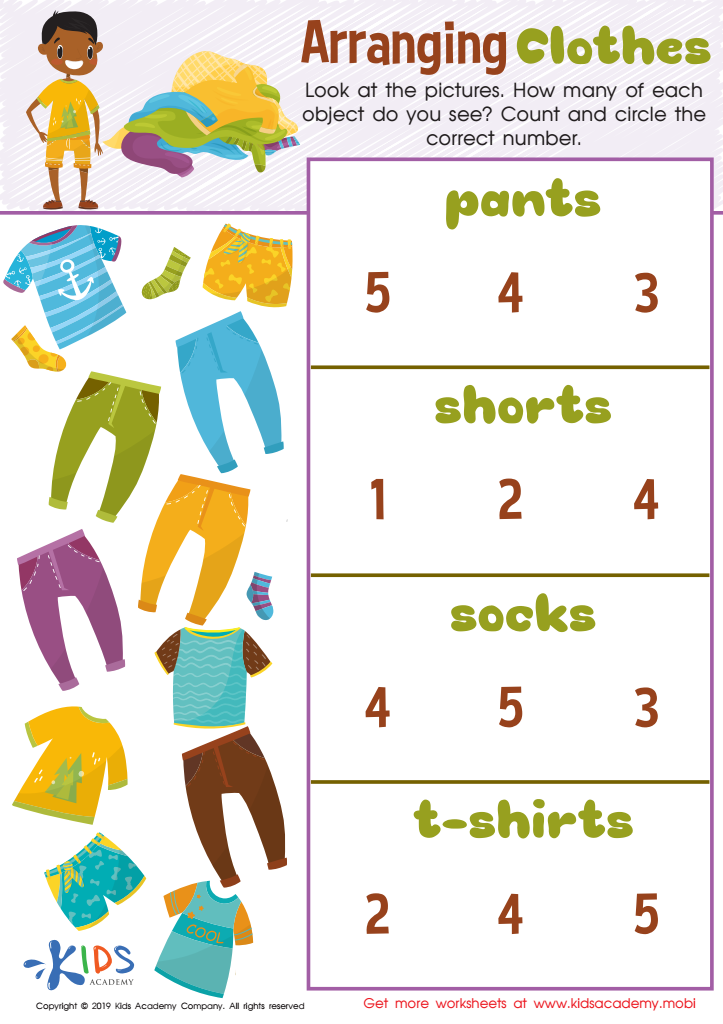
Arranging Clothes Worksheet
 Assign to My Students
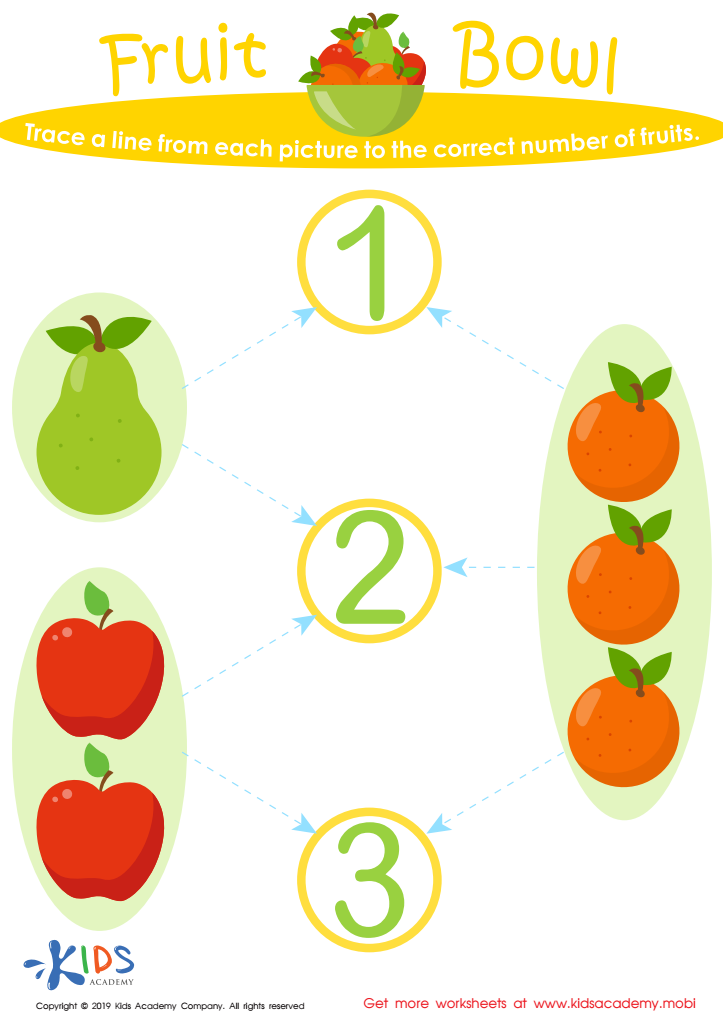
Fruit Bowl Worksheet
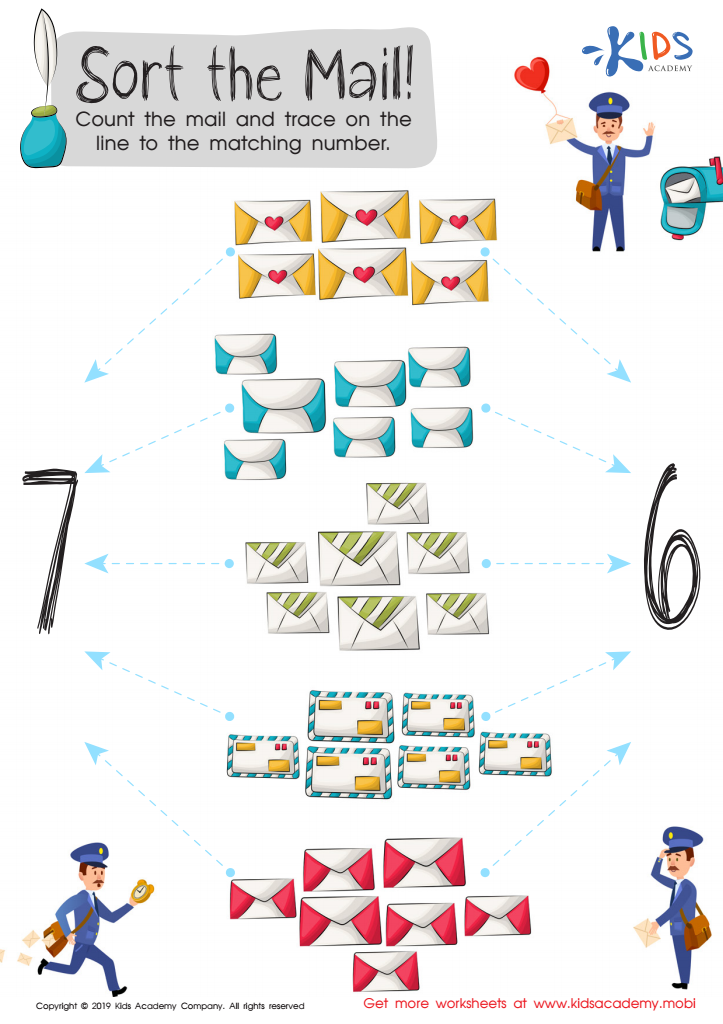
Sort the Mail Worksheet








Parents and teachers should prioritize sorting skills with numbers 0-10 for children aged 3-7 because these skills lay a crucial foundation for mathematical understanding and cognitive development. Sorting involves organizing items based on specific attributes, such as size, color, shape, or numerical value. For young children, practicing sorting with numbers 0-10 helps them grasp basic number concepts and builds early numeracy skills.
Through sorting activities, children learn to recognize patterns, categorize items, and understand relationships between numbers, which are essential skills for more advanced mathematical operations. For instance, sorting number blocks or toys helps children understand sequencing, count accurately, and begin to grasp the concept of greater than and less than. These fundamental skills are integral as they progress to more complex math problems in later grades.
Additionally, sorting exercises bolster critical thinking and problem-solving capabilities. They promote cognitive development by encouraging children to observe, compare, and make decisions based on the criteria given. Such activities enhance fine motor skills through physical manipulation of objects and foster attention to detail.
Incorporating sorting with numbers 0-10 in early childhood education creates a rich, engaging learning environment that motivates young learners and stimulates their intellectual curiosity, setting a solid groundwork for future academic success.