Shape Recognition Numbers up to 100 Worksheets for Ages 3-7
3 filtered results
-
From - To
Explore our Shape Recognition Numbers up to 100 Worksheets, expertly crafted for children aged 3-7. These engaging activities combine number learning with shape identification, promoting cognitive development and fun. Each worksheet visually connects numbers with various shapes, aiding young learners in recognizing, tracing, and counting from 1 to 100. Our worksheets are designed to build foundational math skills seamlessly, making early education an enjoyable adventure. Perfect for preschool to early elementary students, these resources bolster critical thinking and fine motor skills. Visit our website to access a versatile array of printables that cater to your child's learning journey.
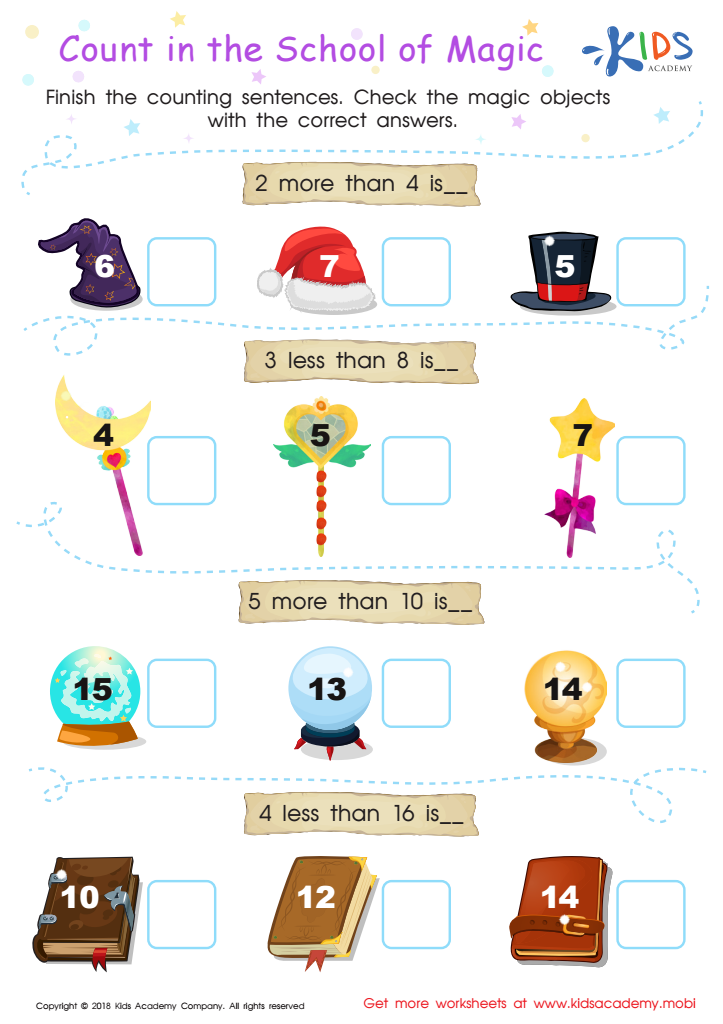
Count in the School of Magic Worksheet
 Assign to My Students
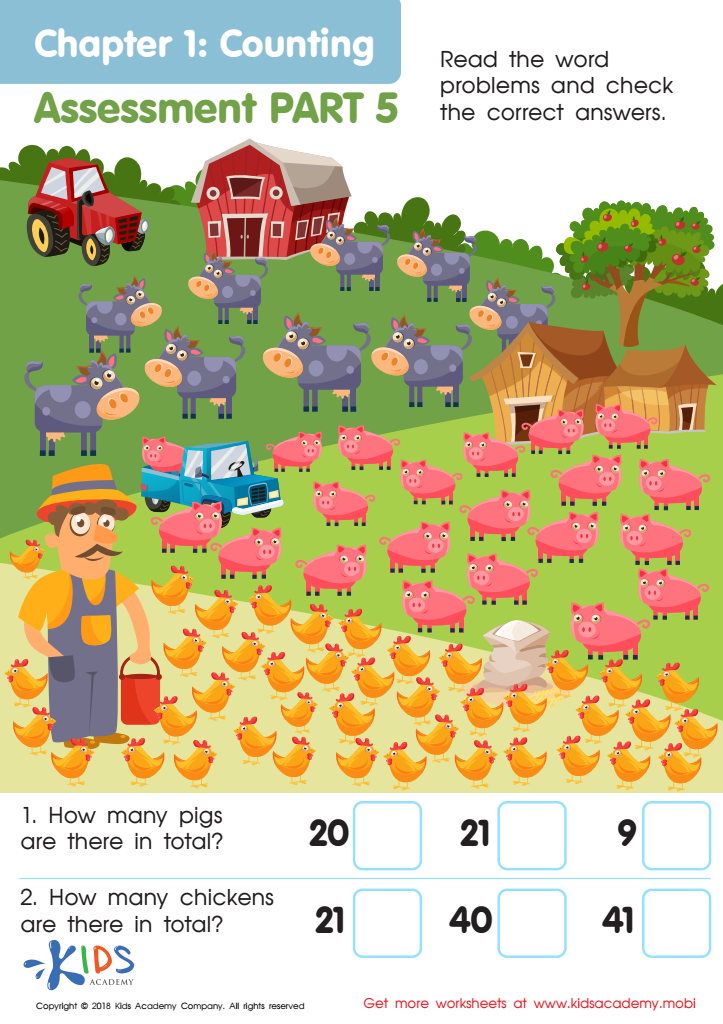
Counting: Assessment 5 Worksheet
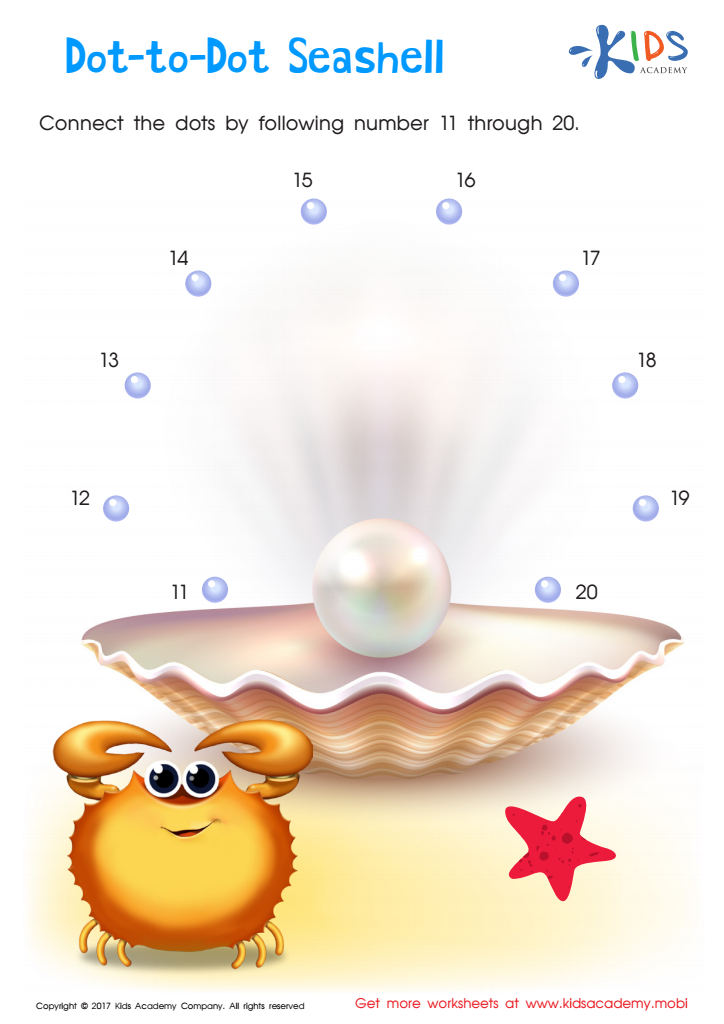
Ordering 11–20: Dot–to–dot Seashell Printable








Shape recognition and number familiarity up to 100 are crucial developmental milestones for children aged 3-7, serving as foundational skills for future academic success. During these early years, children are highly receptive to learning and their brains are developing at an extraordinary pace. Here’s why parents and teachers should emphasize these skills:
-
Cognitive Development: Recognizing shapes and numbers enhances cognitive abilities by improving memory, attention, and problem-solving skills. Identifying shapes helps children understand geometry and spatial relations, while recognizing numbers establishes the groundwork for arithmetic.
-
Mathematical Skills: Early number recognition is directly linked to a child's ability to grasp more complex math concepts later on. Recognizing numbers up to 100 prepares them for counting, basic statistics, addition, and subtraction.
-
Literacy Skills: Shape and number recognition can strongly influence literacy. Understanding different shapes aids in letter formation and recognition, as many letters and numbers share similar shapes.
-
Visual Discrimination: Being able to differentiate between shapes and numbers fosters keen visual discrimination skills, crucial for learning to read and write efficiently.
-
Confidence Building: Mastery of these basic skills can boost a child’s confidence. When children face academic tasks, familiarity with numbers and shapes can lead to reduced anxiety and better classroom participation.
By focusing on shape recognition and numbers, parents and teachers equip young learners with essential tools for academic readiness and lifelong learning.