Attention to Detail Building Vocabulary Worksheets for Ages 3-7
3 filtered results
-
From - To
Boost your child's language skills with our "Attention to Detail Building Vocabulary Worksheets" designed for ages 3-7! These engaging and interactive worksheets help young learners focus on distinguishing words and meanings while enhancing their vocabulary. Each worksheet encourages careful observation and attention to detail through fun activities that include matching, coloring, and tracing. Perfect for preschool and early elementary settings, our resources support reading readiness and cognitive development. Download our carefully crafted worksheets today and watch your child's vocabulary flourish as they develop critical early literacy skills in a playful, enjoyable way! Spark a love for learning and exploration with us!
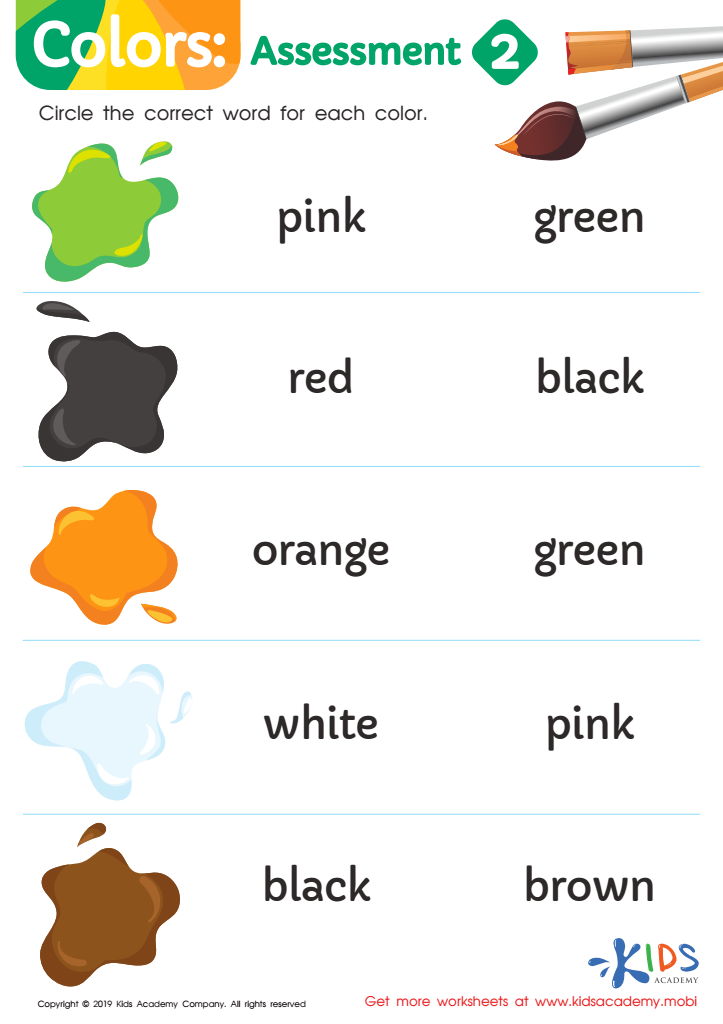
Colors: Assessment 2 Worksheet
 Assign to My Students











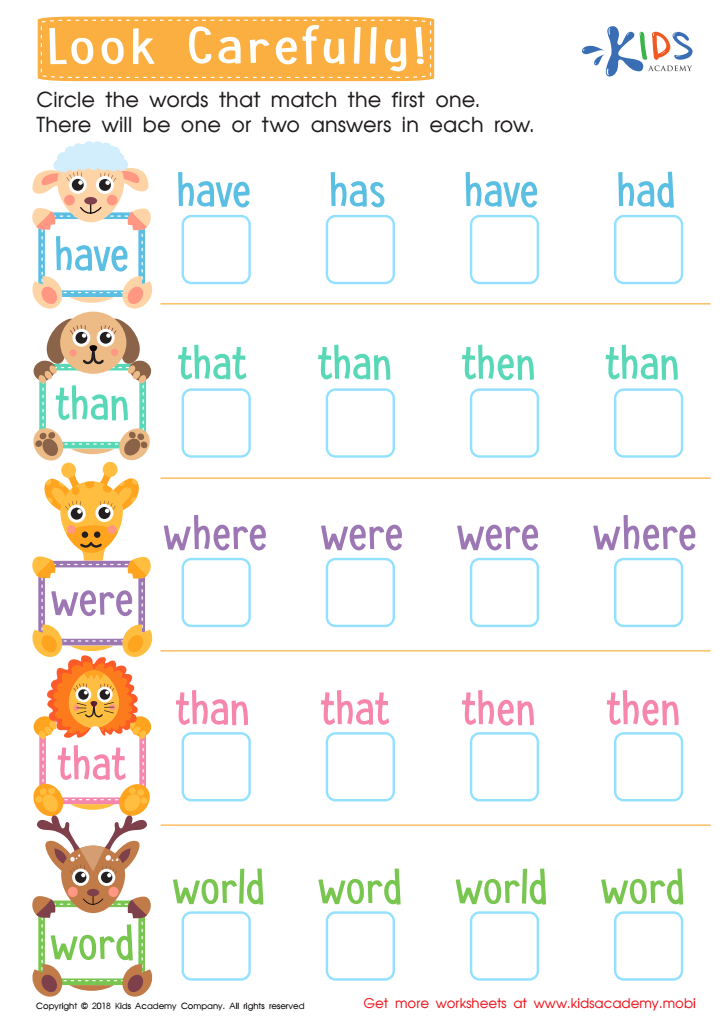
Look Carefully Worksheet
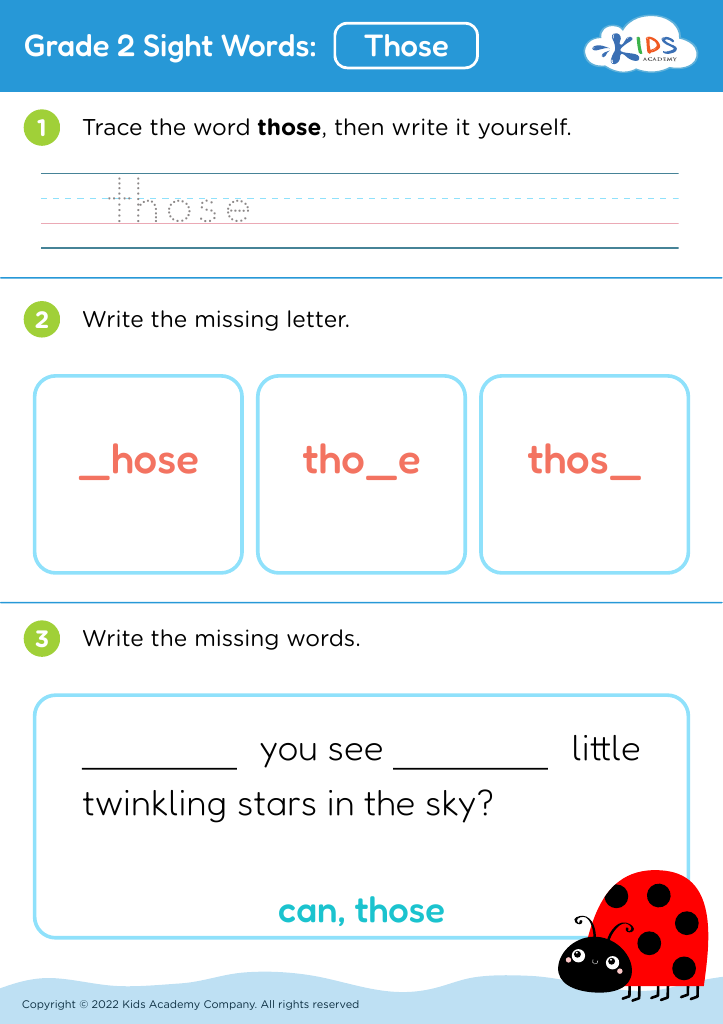








Attention to Detail and Building Vocabulary are crucial components of early childhood development, particularly for children aged 3 to 7. During these formative years, children are rapidly developing cognitive, social, and linguistic skills. Fostering attention to detail enhances their observational skills, enabling them to notice different aspects of their environment, which is essential for learning and understanding the world around them. This skill contributes to better problem-solving abilities and creativity as children become more adept at making connections between concepts.
Equally important is vocabulary building, which lays the groundwork for effective communication. A rich vocabulary helps children express their thoughts, feelings, and ideas more clearly, forming the foundation for literacy and academic success later in life. The ability to articulate their needs and experience also enhances social interactions and emotional intelligence, reducing frustration and building confidence.
By prioritizing attention to detail and vocabulary enhancement, parents and teachers can nurture well-rounded learners prepared for future challenges. Engaging activities such as storytelling, interactive games, and observation-focused learning experiences are effective strategies to develop these skills. Investing time in these areas now ensures children have the tools they need to thrive academically and socially as they grow.








