Color Identification Building Vocabulary Worksheets for Ages 3-7
5 filtered results
-
From - To
Welcome to our "Color Identification Building Vocabulary Worksheets for Ages 3-7"! These engaging worksheets are designed to help young learners explore and identify colors while enhancing their vocabulary. Perfect for preschool and early elementary students, our resources encourage interactive learning through fun activities tailored to capture children's interest. Each worksheet focuses on different color concepts, encouraging kids to recognize, name, and describe various colors and objects. By incorporating colorful visuals and playful exercises, these worksheets facilitate a joyful learning experience that supports language development and cognitive skills. Free printable options are available to make learning accessible and enjoyable at home or in the classroom!
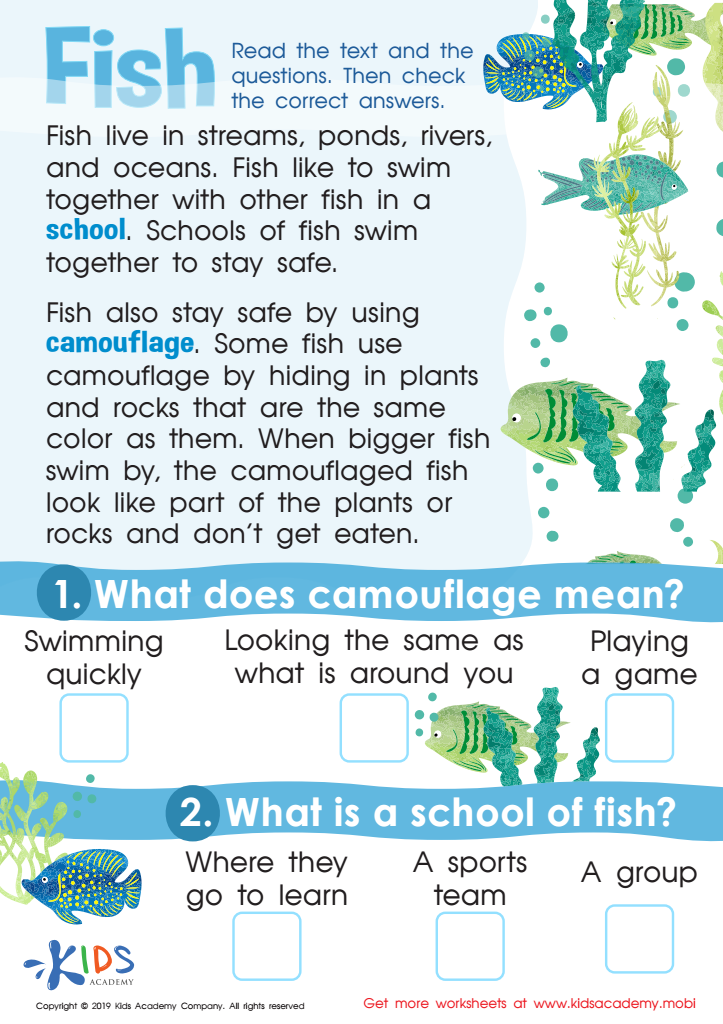
Fish Worksheet
 Assign to My Students











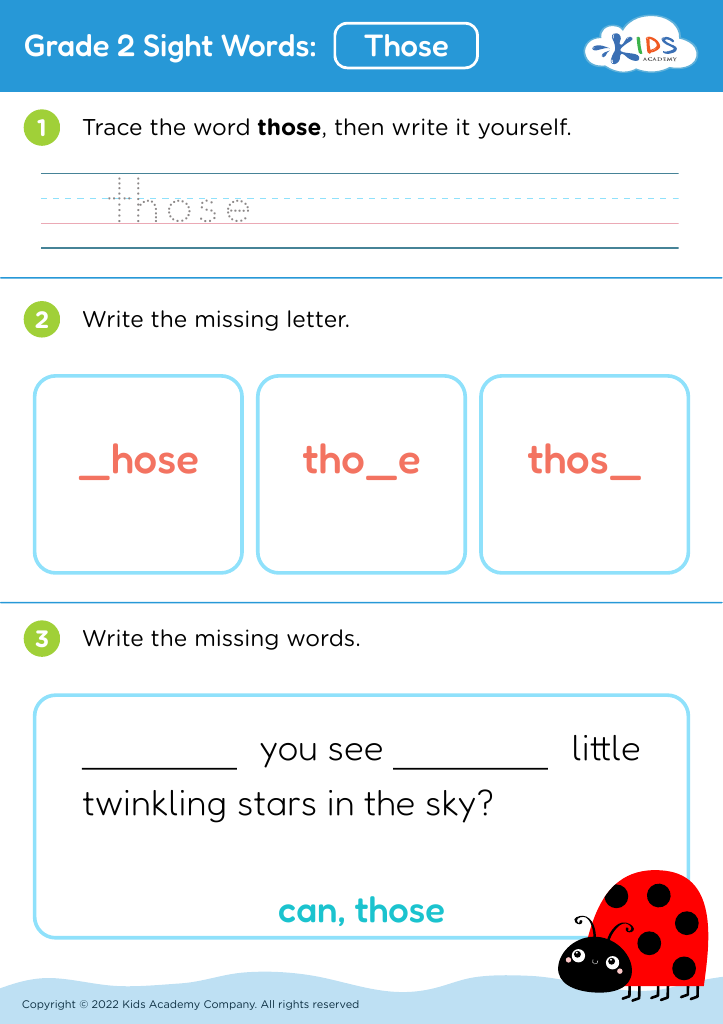
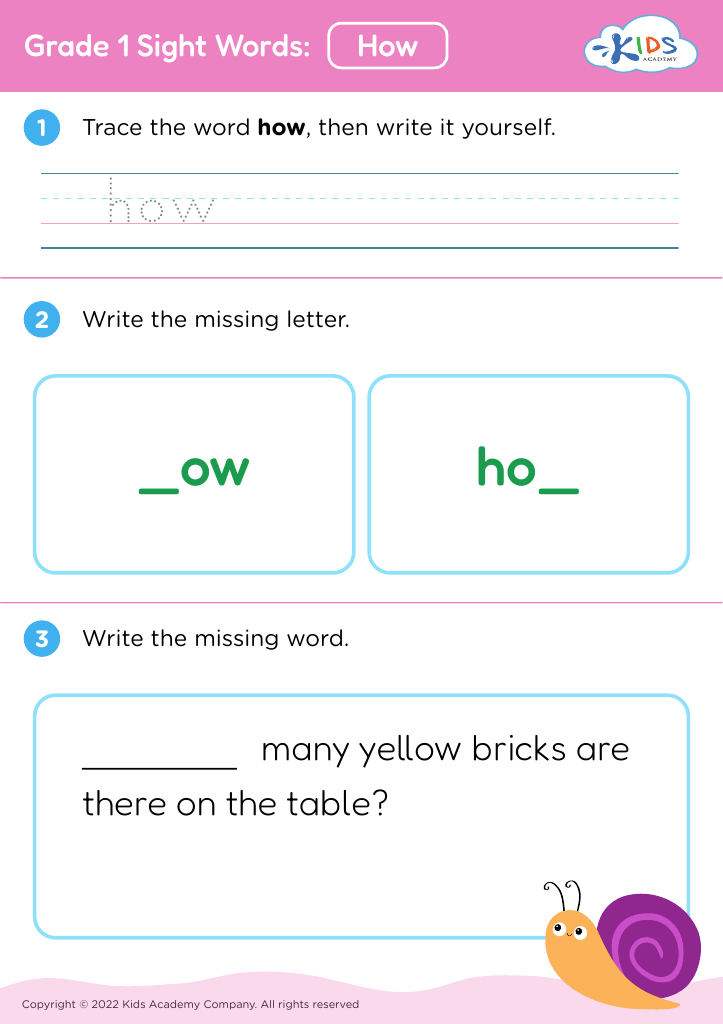
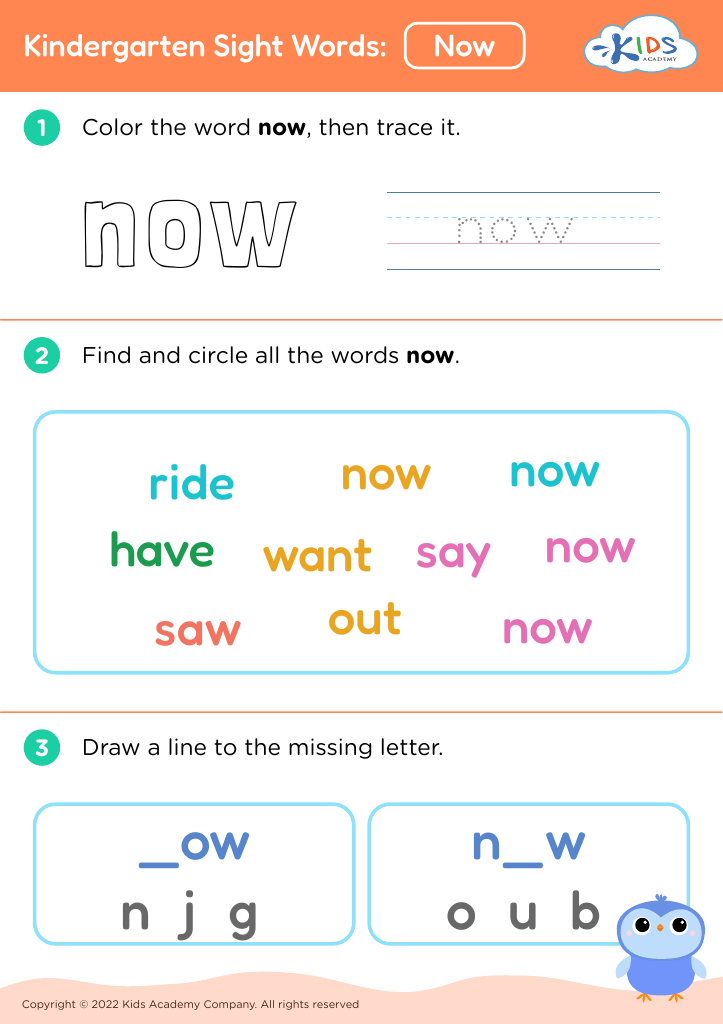
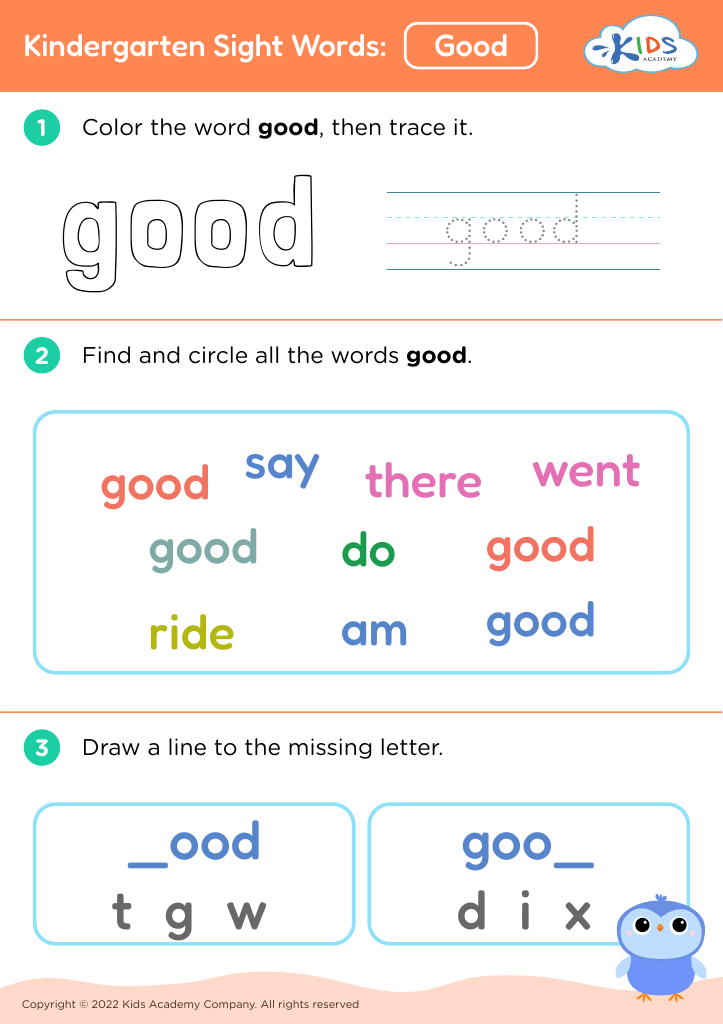








Color identification and vocabulary building are fundamental components of early childhood education, particularly for children ages 3-7. Recognizing colors helps children make sense of their environment, develop observation skills, and express themselves more effectively. When children learn to identify colors, they enhance their cognitive development by categorizing and differentiating objects around them. This foundational skill is closely linked to their ability to grasp more complex concepts later in life.
Moreover, color identification serves as an engaging gateway to broader vocabulary development. As children learn to name and describe colors, they simultaneously acquire new words and experiences related to those colors. For example, discussing "red" can lead to conversations about apples, roses, or fire trucks. Such discussions show children the connections between words and ideas, enhancing their comprehension and communication skills.
Developing a robust vocabulary from an early age is crucial for literacy and academic success. Children who can articulate their thoughts and ideas effectively are better-equipped for future learning. By focusing on color identification and vocabulary building, parents and teachers can nurture a child’s curiosity, boost their confidence, and provide a solid foundation for language development and lifelong learning. This, in turn, contributes positively to their social and emotional growth.








