
Fraction comparison Building Vocabulary Worksheets for Ages 3-7
11 filtered results
Difficulty Level
Grade
Age
-
From - To
Subject
Activity
Standards
Enhance your child's math vocabulary with our Fraction Comparison Building Vocabulary Worksheets designed for ages 3-7. Our engaging worksheets help young learners grasp fraction concepts and vocabulary through visual aids and simple explanations. Perfect for preschool to early elementary students, these activities make learning fractions fun and interactive. Boost your child's confidence in comparing fractions with our printable worksheets, fostering foundational skills for future math success. Explore our wide range of educational materials to support your child’s learning journey and build a strong mathematical foundation effortlessly!
Favorites
With answer key
Interactive
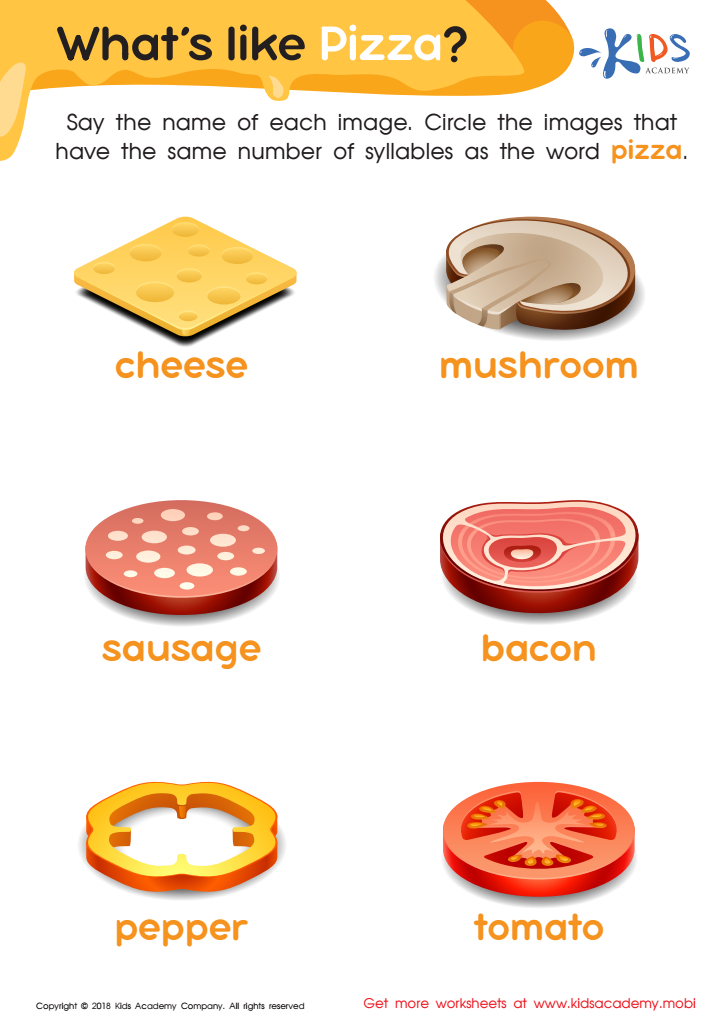
What's Like Pizza? Worksheet
Encourage your kids to exercise their minds with this pizza worksheet! Ask them to name the ingredients they like on their favourite pizzas. Then, help them circle the images that have the same number of syllables as 'pizza'. They'll have fun while learning too!
 Assign to My Students
What's Like Pizza? Worksheet
Worksheet











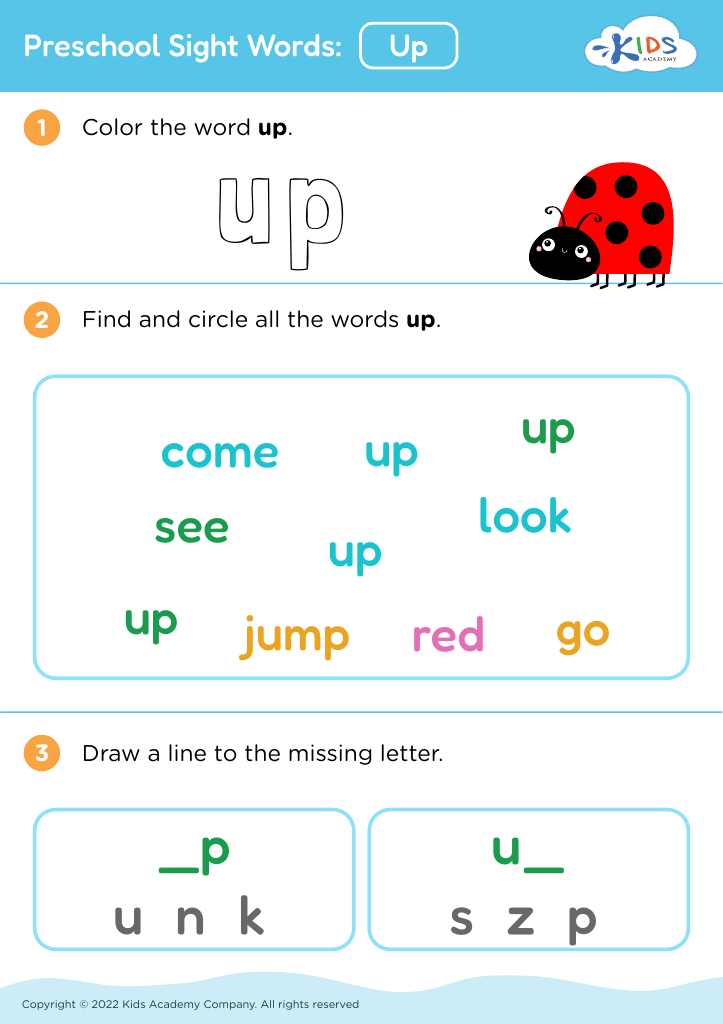
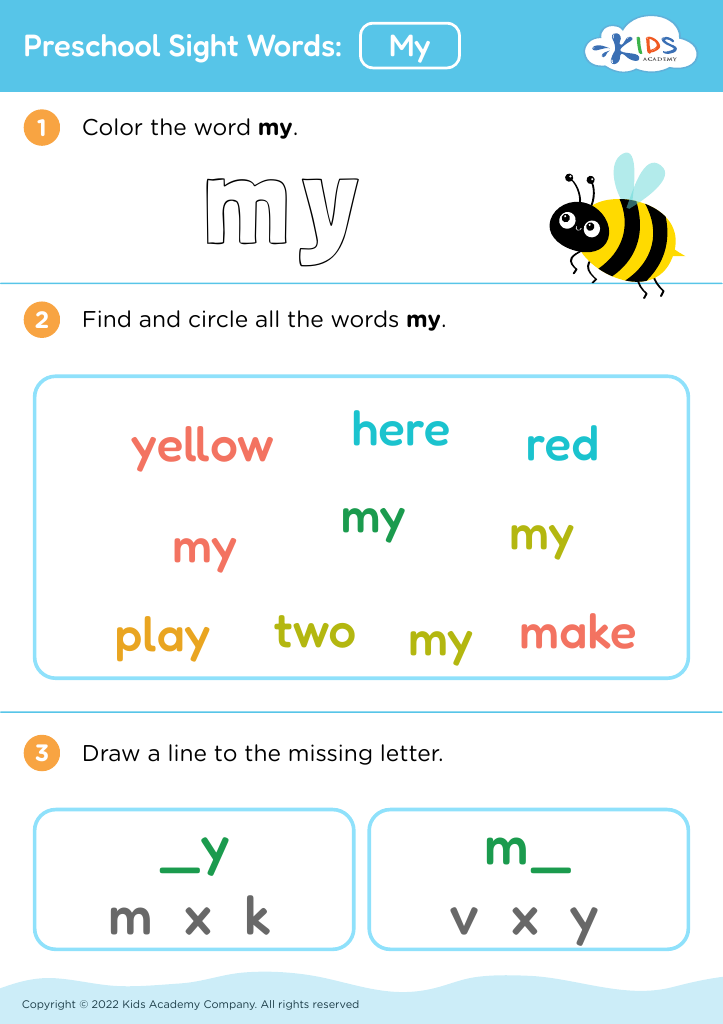
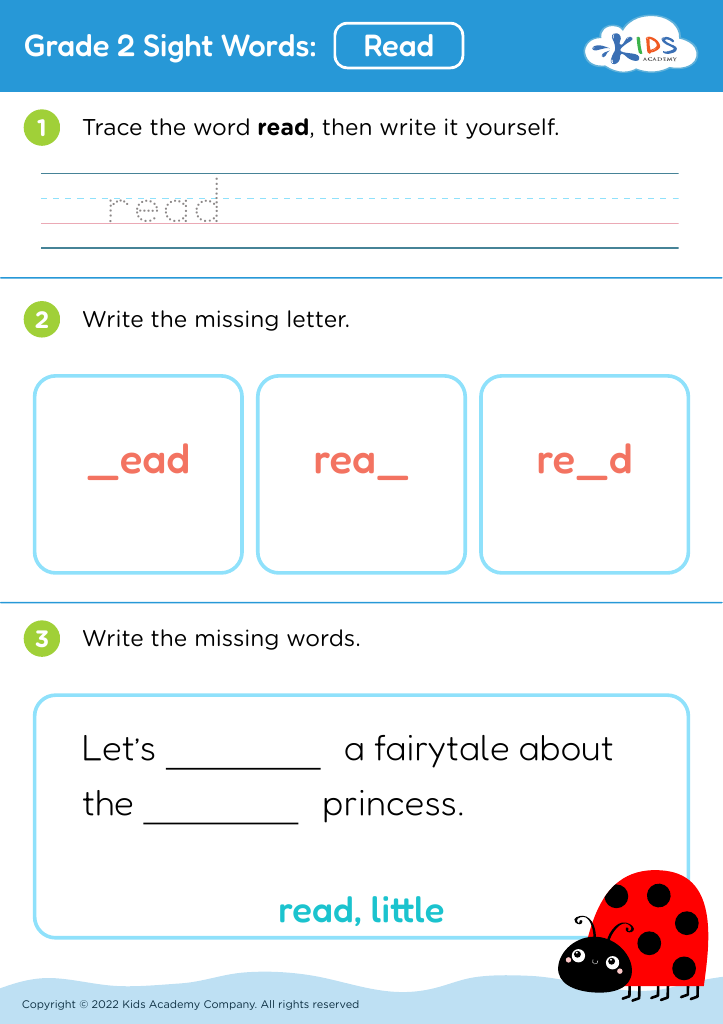
Join Kids Academy for Free
Who is primarily going to use this learning content?








Parents or teachers should prioritize teaching fraction comparison vocabulary to young children, as it builds foundational math skills essential for their academic growth. This age group (3-7 years) represents a critical period for intellectual development, during which children rapidly acquire language and conceptual understanding. Introducing fraction comparison vocabulary, such as terms like "greater than," "less than," "equal to," and "half," instills early math literacy that facilitates more advanced mathematical reasoning later.
Understanding and comparing fractions is not just about working with numbers; it cultivates critical thinking and problem-solving skills. When young learners compare fractions, they learn how to analyze proportions, develop a sense of quantity, and engage in logical deduction. These skills are transferable, benefiting their abilities in various subjects, such as science, reading comprehension, and everyday decision-making.
Furthermore, early exposure to fraction vocabulary helps to normalize math jargon, making complex concepts less intimidating as children progress in their education. It promotes confidence and curiosity in mathematics, combating the common fear or anxiety associated with the subject. By integrating fraction comparison vocabulary into early education, parents and teachers can set a strong foundation, encouraging a positive lifelong relationship with mathematics.








