Identifying shapes Building Vocabulary Worksheets for Ages 3-7
10 filtered results
-
From - To
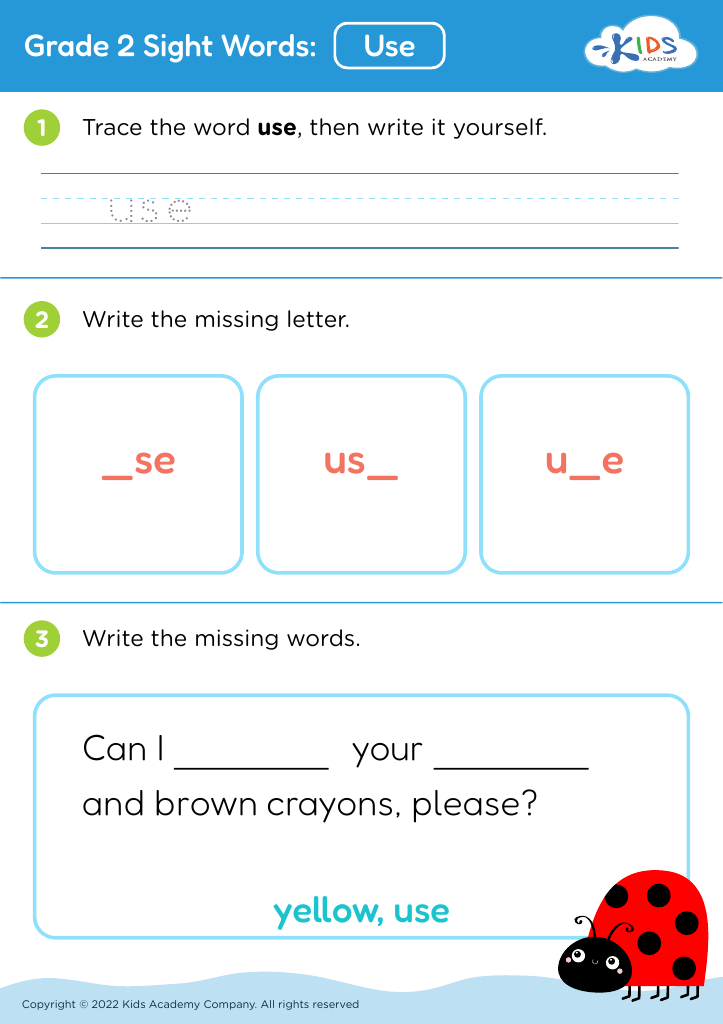
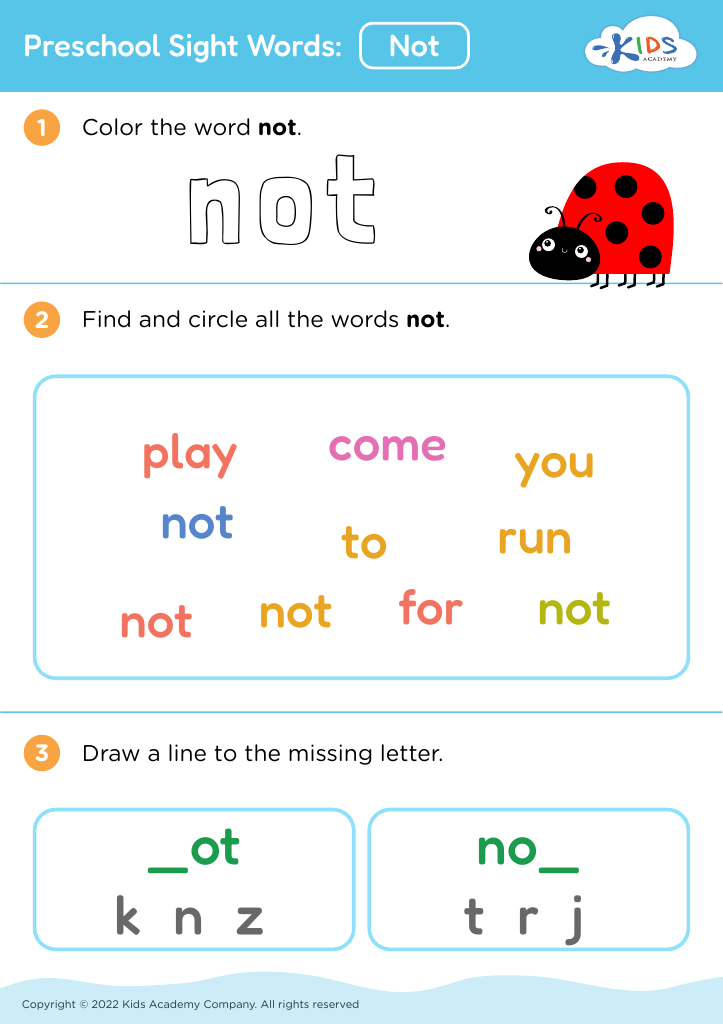
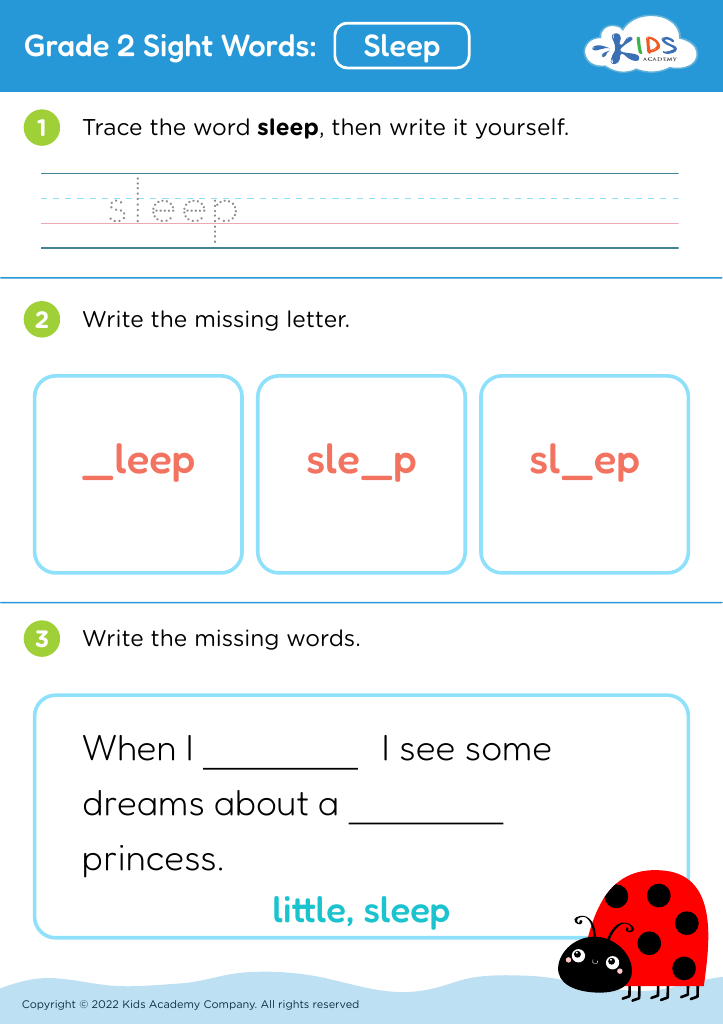
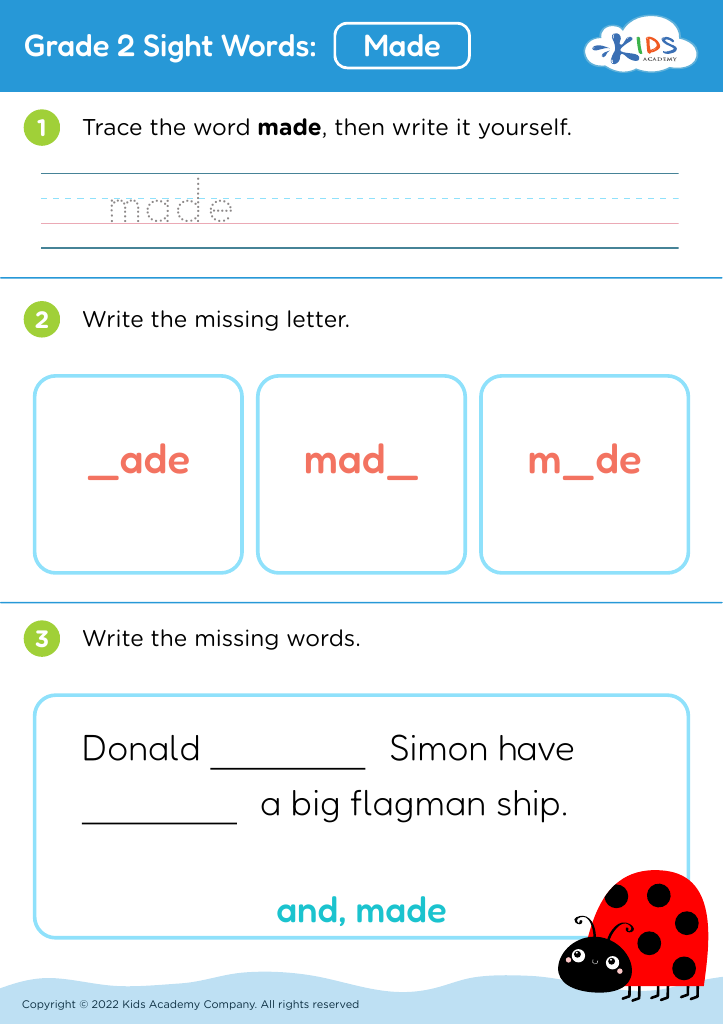
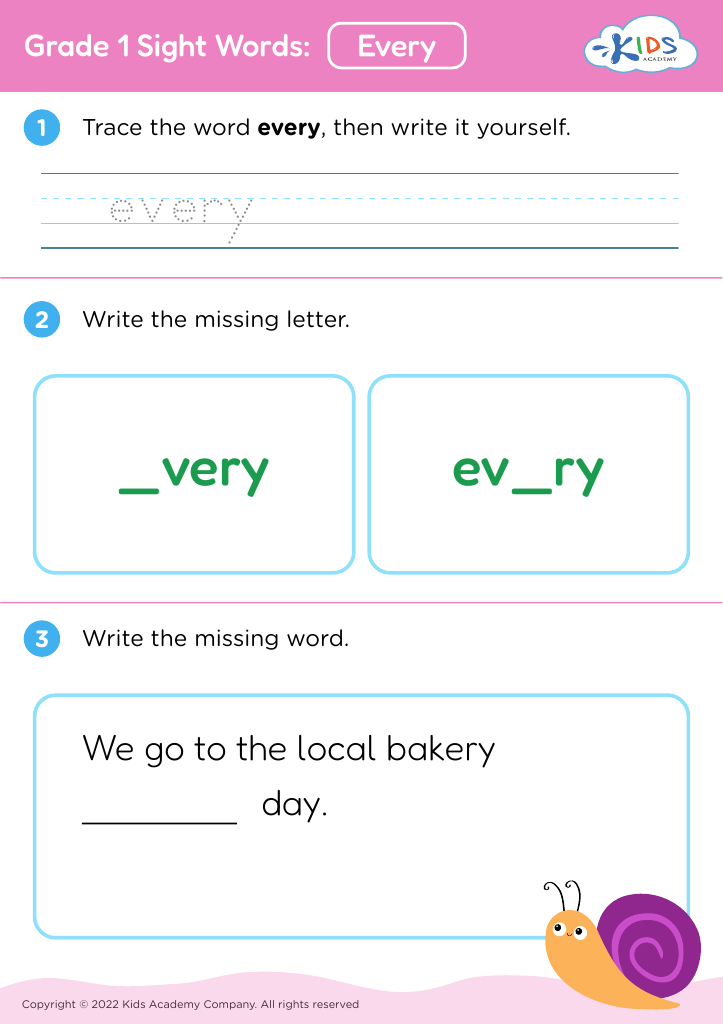
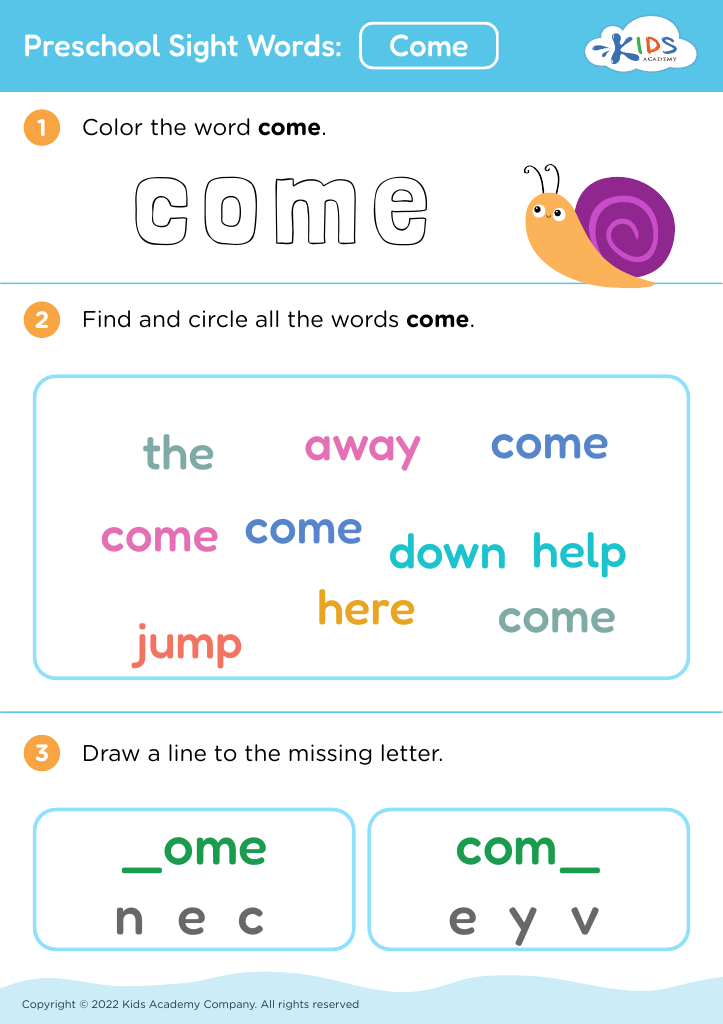
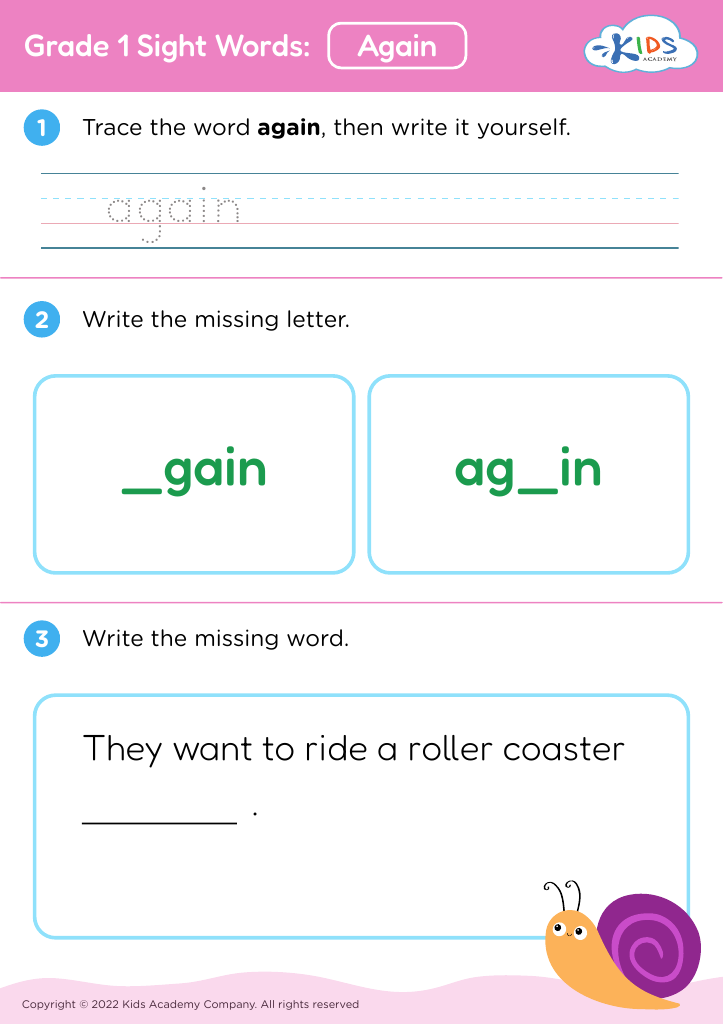
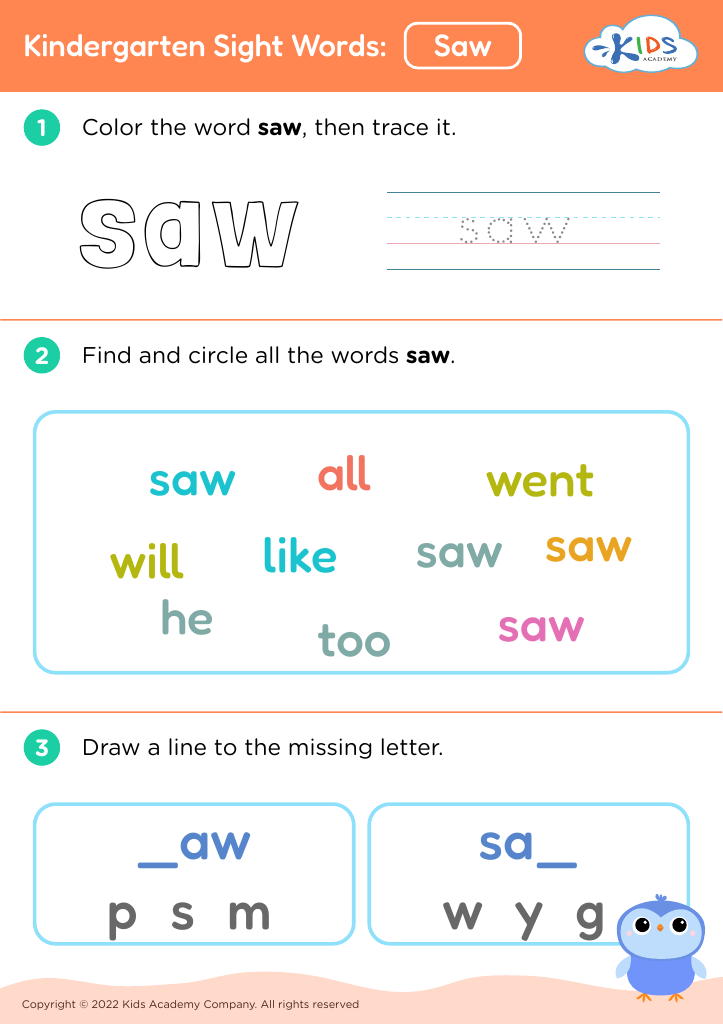
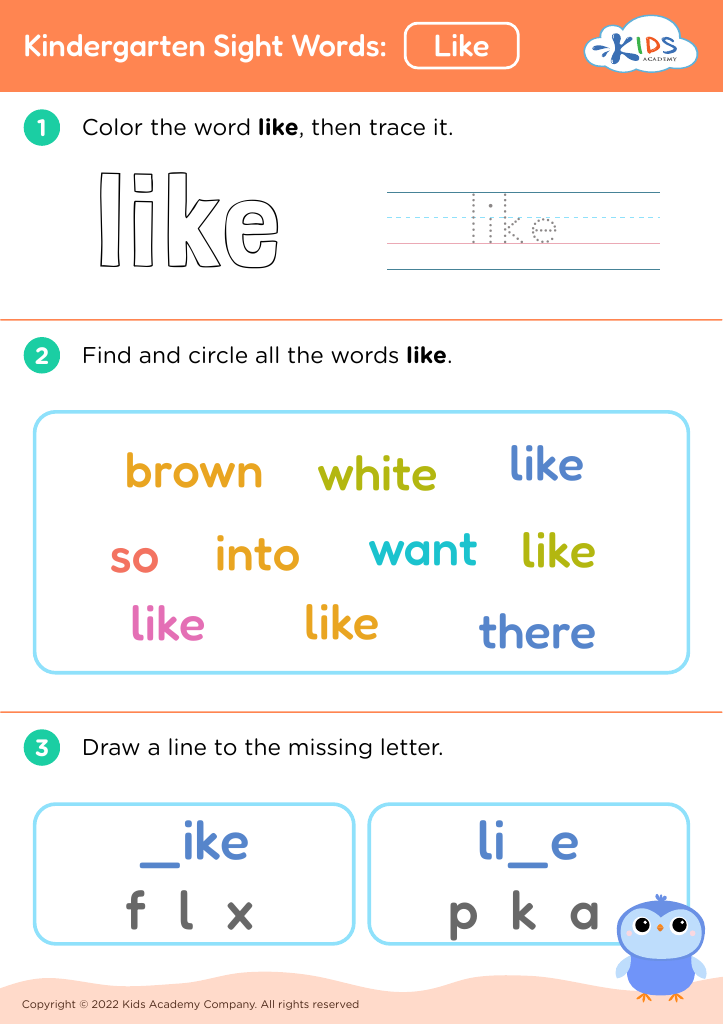
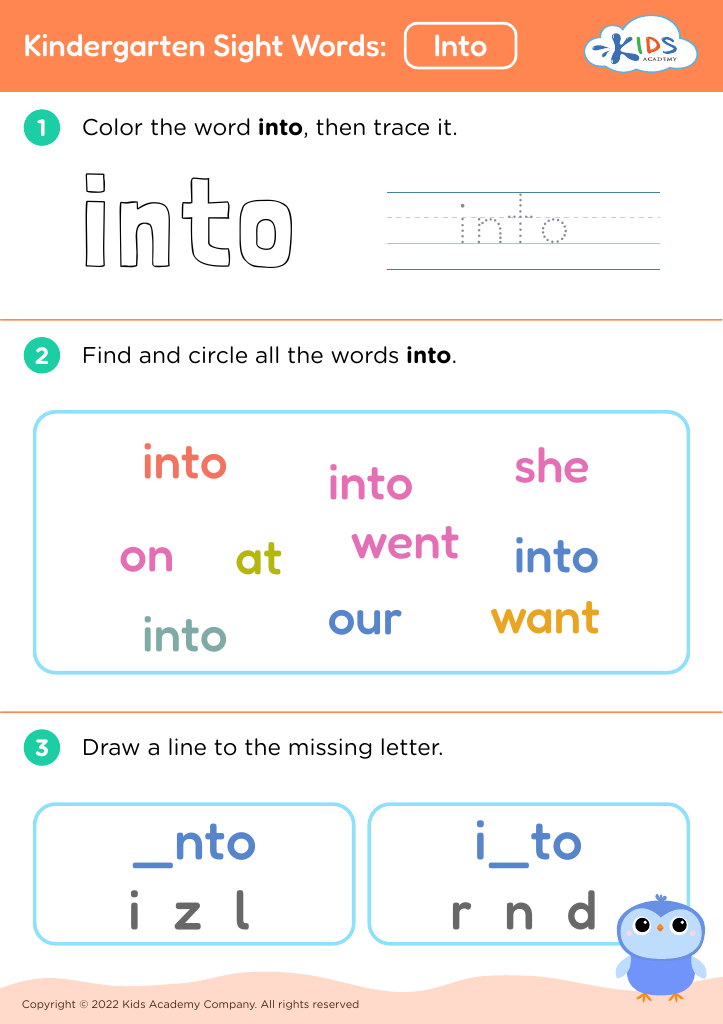
Discover our engaging "Identifying Shapes Building Vocabulary Worksheets for Ages 3-7," tailored to enhance young learners' shape recognition and vocabulary development. Perfect for preschool and early elementary students, these worksheets combine fun activities with educational benefits, promoting critical thinking and problem-solving skills. Children will enjoy tracing, coloring, and identifying various shapes while learning related vocabulary, essential for early literacy. Boost your child's confidence and academic skills with our expertly designed worksheets, ideal for use at home or in the classroom. Make learning shapes and new words exciting with Kids Academy’s enriching resources!


















.jpg)
Identifying shapes and building vocabulary are fundamental components of early childhood education that lay the groundwork for literacy, math, and cognitive development. For children ages 3-7, the ability to recognize shapes is crucial as it enhances spatial awareness and forms the basis for geometry and problem-solving skills. Shapes provide a context for observing the world, helping children to understand and categorize objects within their environment.
Simultaneously, building vocabulary is essential for effective communication and advanced comprehension. A robust vocabulary aids in reading readiness by enabling children to recognize and name objects, actions, and concepts. This, in turn, supports their ability to follow instructions, engage in conversations, and express themselves clearly and confidently.
When parents and teachers focus on identifying shapes and enriching vocabulary simultaneously, they are promoting both mathematical and linguistic intelligence. These skills support other learning areas, such as science and art, by encouraging observation, description, and critical thinking. Furthermore, interactive activities revolving around shapes and words engage young minds, fostering curiosity and a love for learning.
Ultimately, early identification of shapes and vocabulary development equips children with essential tools to succeed academically and socially, setting a strong foundation for future educational achievements. Early intervention in these areas offers children a head start and empowers them to become effective, confident learners.








