Phonics recognition Building Vocabulary Worksheets for Ages 3-7
3 filtered results
-
From - To
Discover fun and effective Phonics Recognition Building Vocabulary Worksheets designed for kids ages 3-7. Our engaging worksheets are tailored to help young learners master the fundamentals of phonics and expand their vocabulary through interactive activities. Perfect for parents, educators, and tutors, these worksheets enhance reading skills by focusing on letter sounds, word formation, and recognition. With colorful illustrations and varied exercises, children will enjoy learning while improving their literacy. Give your child a head start in reading and language development with our expertly crafted resources. Boost confidence and instill a love for reading today!
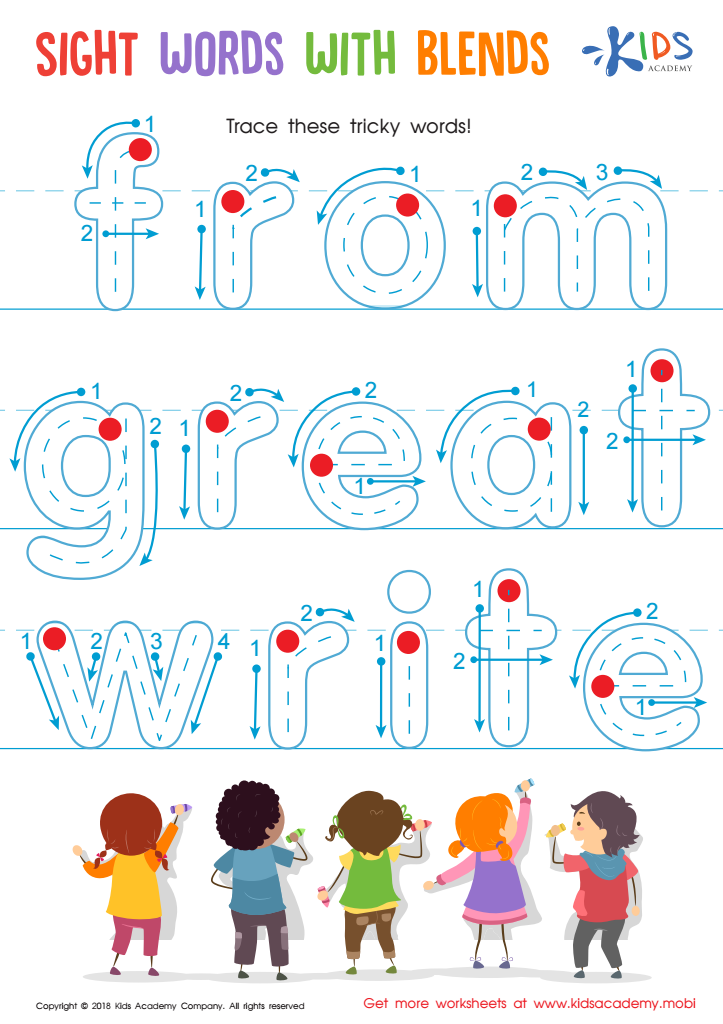
Sight Words with Blends Worksheet
 Assign to My Students











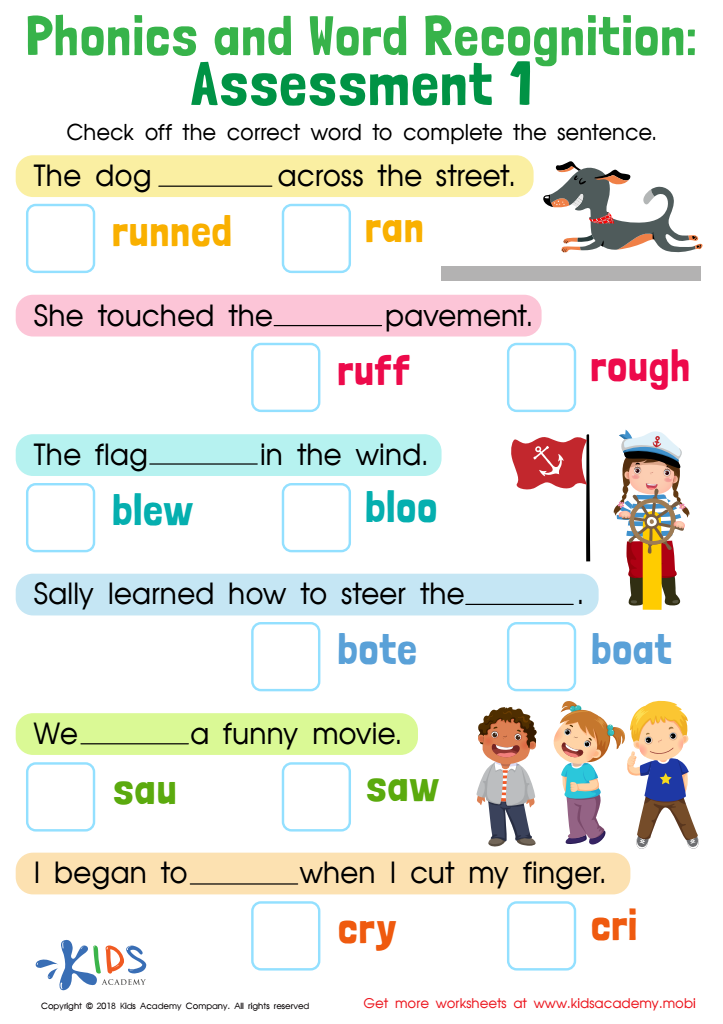
Phonics and Word Recognition: Assessment 1 Worksheet
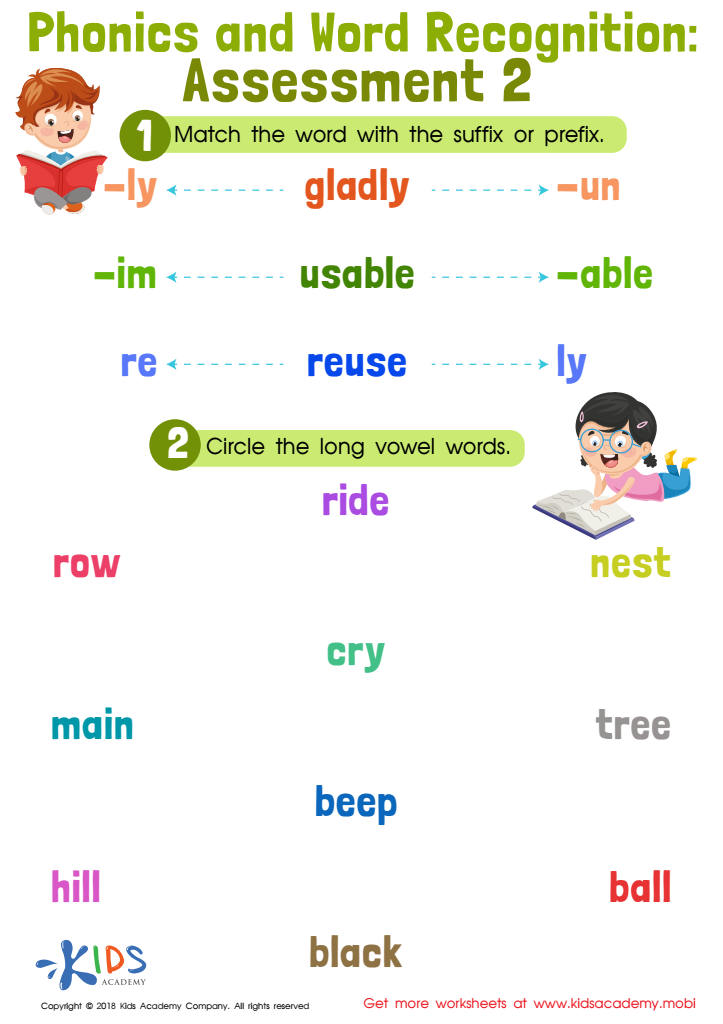
Phonics and Word Recognition: Assessment 2


.jpg)





Phonics recognition and vocabulary building are fundamental components of early childhood education that parents and teachers should prioritize for children ages 3-7. During this developmental period, children’s brains are particularly receptive to linguistic skills, making it an ideal time to lay a strong foundation for reading and communication.
Phonics instruction helps children understand the relationship between letters and sounds, which is crucial for decoding words. This skill not only eases the process of learning to read but also enhances spelling and writing abilities. Knowing how to break words into phonemes makes it easier for children to read unfamiliar words, fostering confidence and a positive attitude toward learning.
In tandem, vocabulary building expands the number of words children can understand and use. A rich vocabulary is directly linked to better reading comprehension, as children can make sense of more complex sentences and stories. Engaging in conversations, reading aloud to children, and providing them with diverse books enrich their word bank and comprehension skills.
For children ages 3-7, a strong grasp of phonics and a broad vocabulary set the stage for academic success and effective communication. By prioritizing these skills, parents and teachers ensure that young learners have the tools they need to thrive in school and beyond, enabling lifelong learning and literacy.








