Practice subtraction Building Vocabulary Worksheets for Ages 3-7
3 filtered results
-
From - To
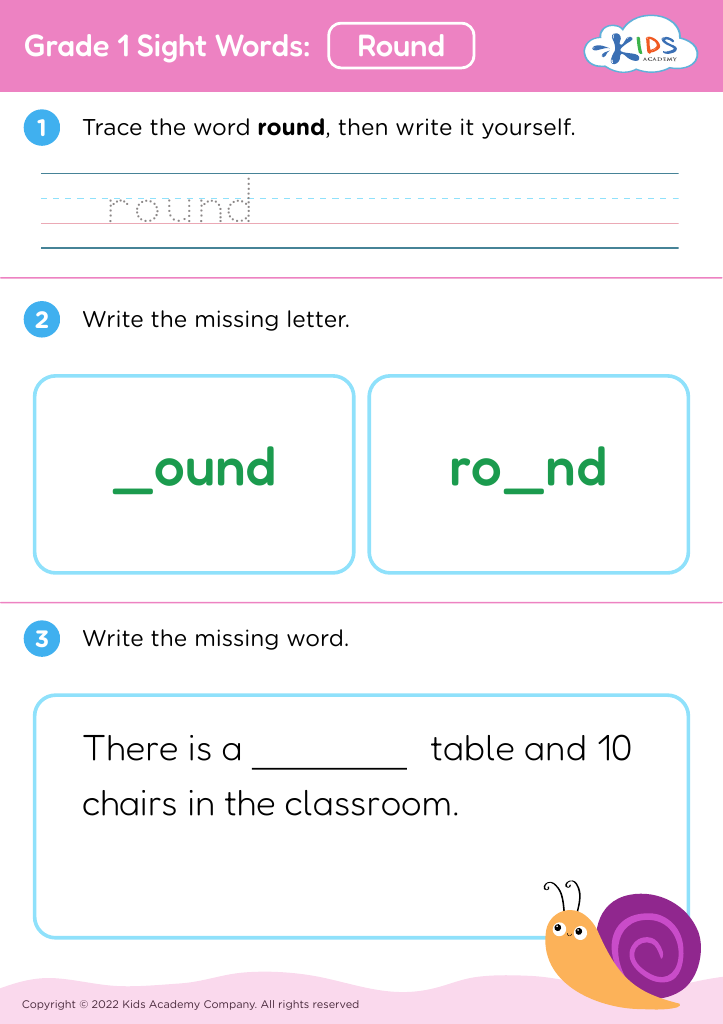
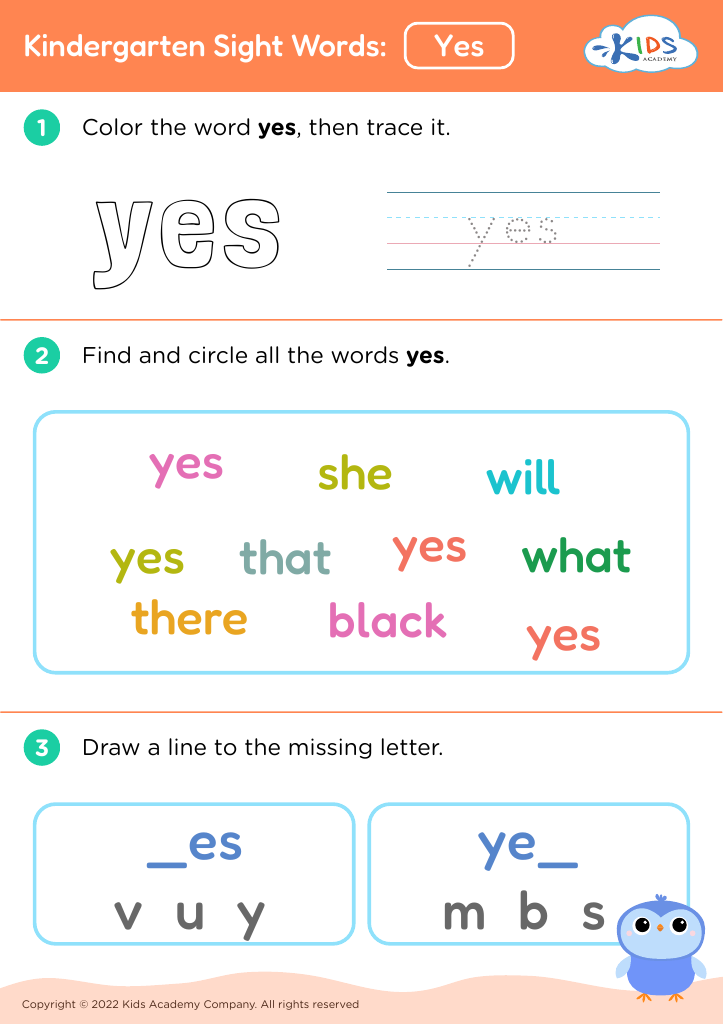
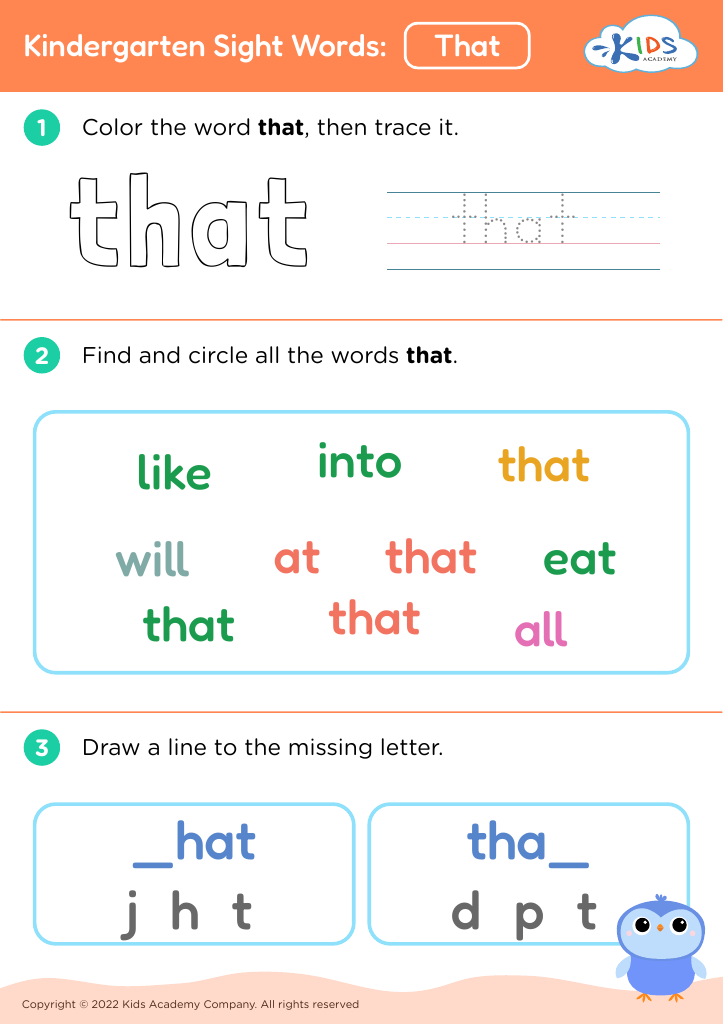
Enhance your child's math skills with our "Practice Subtraction Building Vocabulary Worksheets," specially designed for ages 3-7. These interactive and engaging worksheets combine subtraction exercises with vocabulary-building activities, making learning both fun and educational. Tailored for early learners, our materials encourage independent work and reinforce essential math concepts while improving language skills. Parents and educators will appreciate the easy-to-use format, perfect for at-home practice or classroom settings. By integrating subtraction with vocabulary development, these worksheets help children build a solid foundation in math and language, ensuring they are well-prepared for their educational journey ahead. Explore our resources today!



















Parents and teachers should care about practicing subtraction and building vocabulary for children aged 3-7 because these skills are foundational for lifelong learning. Early math skills, such as subtraction, help children develop critical thinking and problem-solving abilities. Such skills enable children to understand the world around them, grasp concepts like quantity, and tackle mathematical challenges with confidence as they mature.
Additionally, building vocabulary is equally essential during these formative years. A rich vocabulary helps children express themselves clearly, understand instructions, and interact with peers more effectively. Strong verbal skills also correlate with better reading comprehension later in life, which connects directly to academic success across all subjects.
Integrating subtraction practice with vocabulary development makes learning engaging. Using everyday language in math-related play or activities can make subtraction more relatable. For example, counting toys or snacks can turn numbers and words into enjoyable learning moments. By intertwining these skills, parents and teachers provide children with tools that enhance their cognitive abilities, making them more prepared for formal education and boosting their confidence. Ultimately, fostering an early love for math and language paves the way for a brighter academic future.








