Problem-Solving Skills Building Vocabulary Worksheets for Ages 3-7 - Page 2
30 filtered results
-
From - To
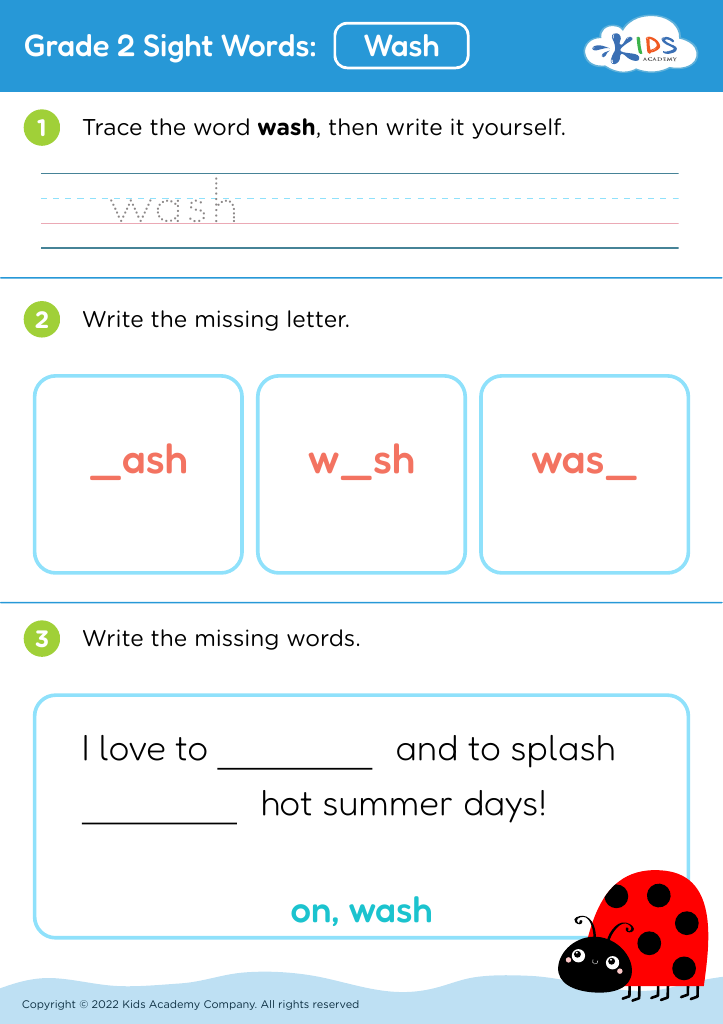











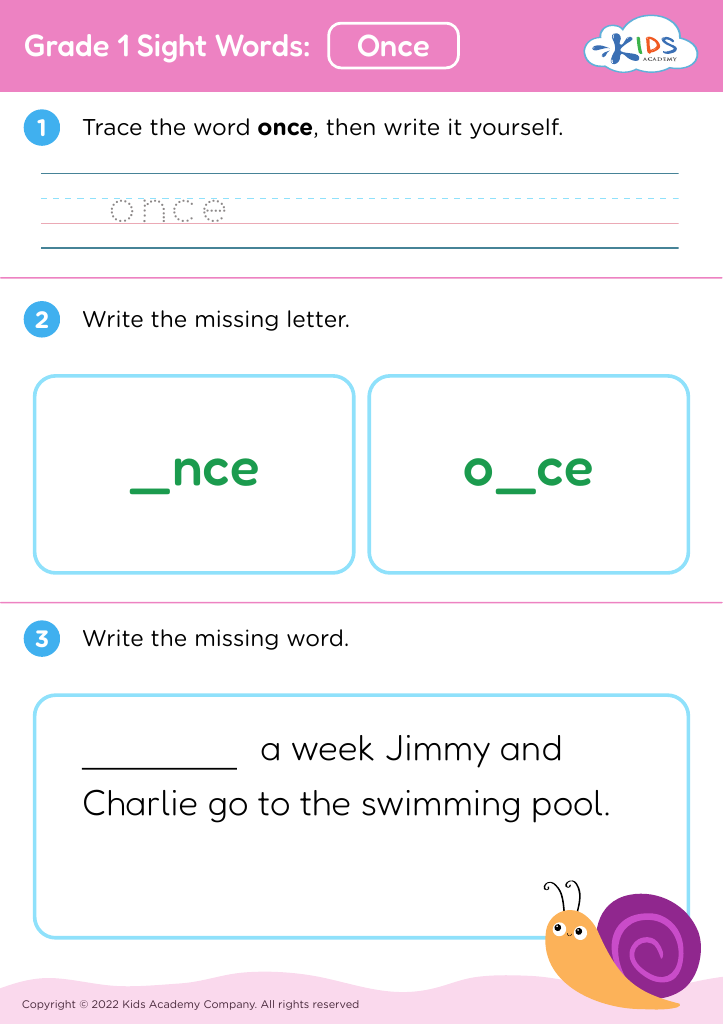
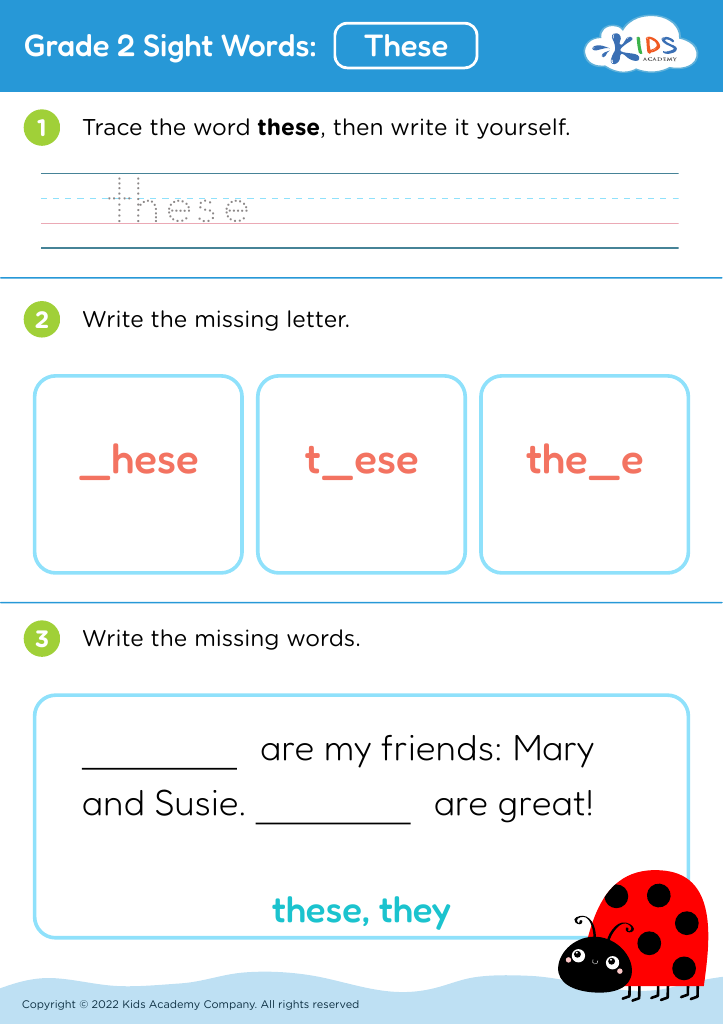
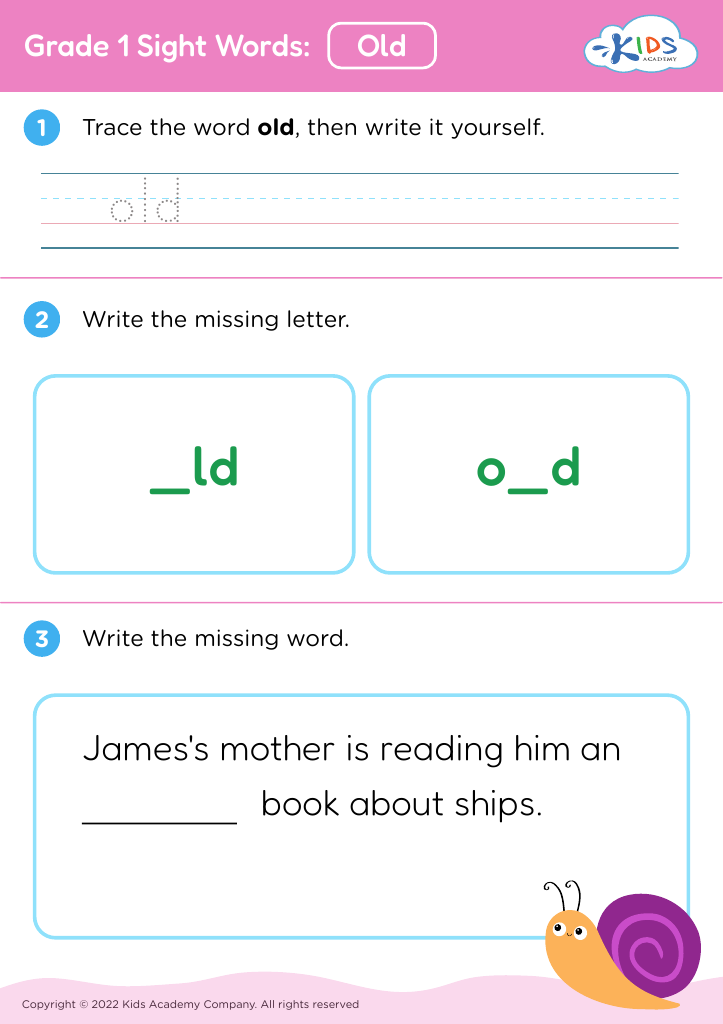
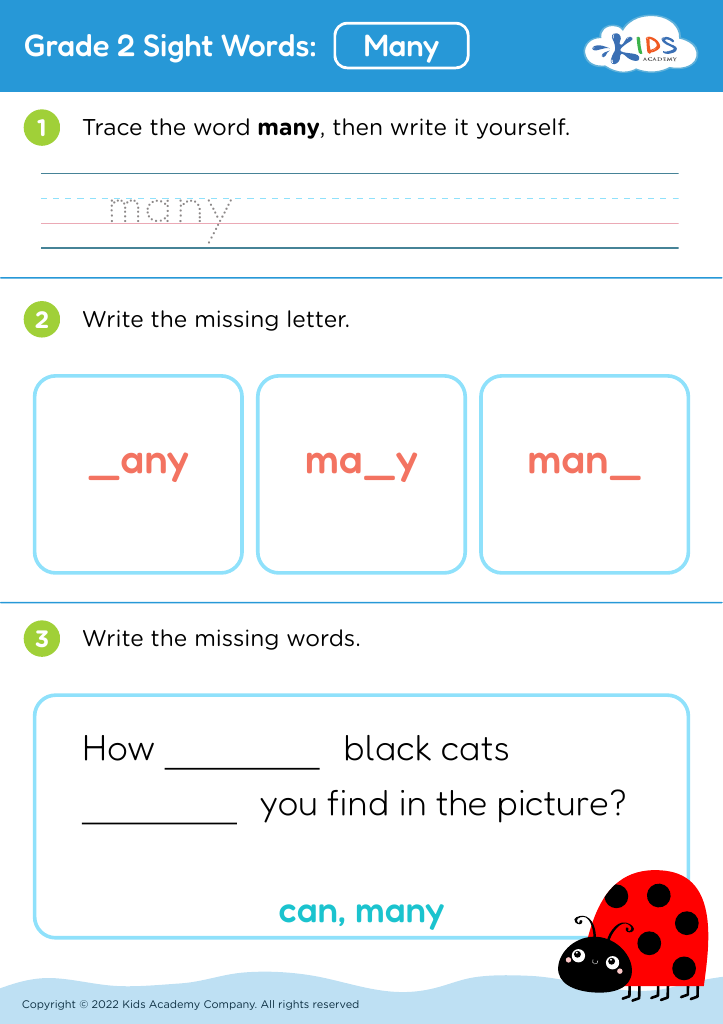
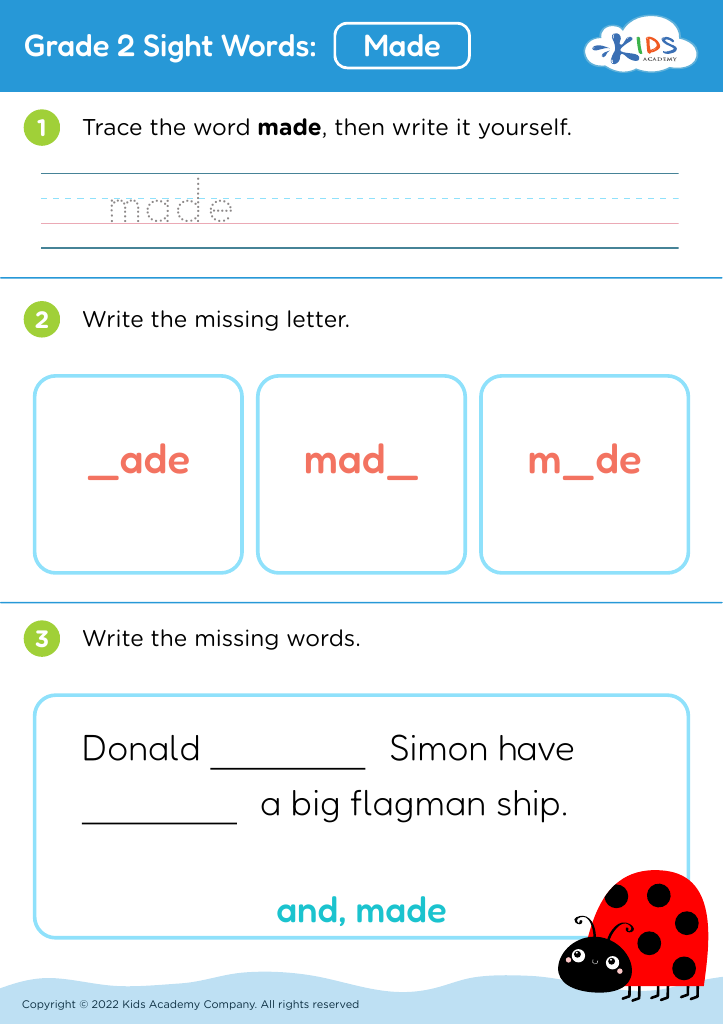








Problem-solving skills, alongside building vocabulary, are essential for children aged 3-7, as they form the foundation for cognitive development. During these formative years, children encounter various challenges, from simple puzzles to social interactions. By nurturing their problem-solving abilities, parents and teachers help children develop critical thinking, enabling them to approach challenges with confidence and creativity.
Building vocabulary is equally crucial in this age group. A rich vocabulary enhances communication skills, allowing children to express their thoughts, needs, and feelings more effectively. When children can articulate problems, they are better equipped to seek help, collaborate with peers, and grasp abstract concepts. This combination of problem-solving and vocabulary skills fosters independence and resilience, essential traits as they encounter increasingly complex issues.
Moreover, engaging with problem-solving activities and expanding vocabulary through play, storytelling, and exploration ensures children are better prepared for future academic challenges. Children who excel in these areas often show improved performance in reading, math, and social studies. Therefore, parents and teachers should prioritize problem-solving skill building and vocabulary development, as they significantly contribute to a child’s overall growth and success in school and beyond.








