Shape Recognition Reading Fiction Worksheets for Ages 3-7
3 filtered results
-
From - To
Enhance your child's learning journey with our Shape Recognition Reading Fiction Worksheets, designed specifically for ages 3-7. These engaging, colorful worksheets seamlessly blend storytelling with essential shape recognition skills. Kids will joyfully explore fun narratives while identifying various shapes like circles, squares, and triangles in everyday life. Each worksheet encourages creativity and critical thinking, fostering a deeper understanding of both shapes and reading comprehension. Perfect for home or classroom use, our Shape Recognition worksheets provide an interactive way for young learners to develop foundational skills in a playful and imaginative environment. Start their adventure in learning today!
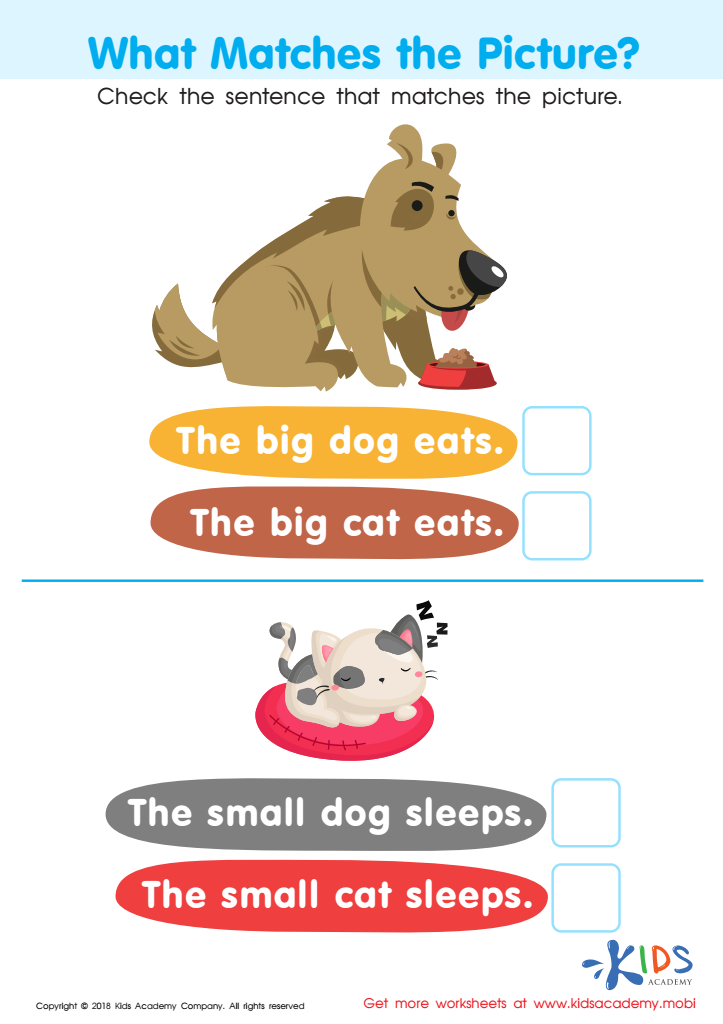
What Matches the Picture? Worksheet
 Assign to My Students
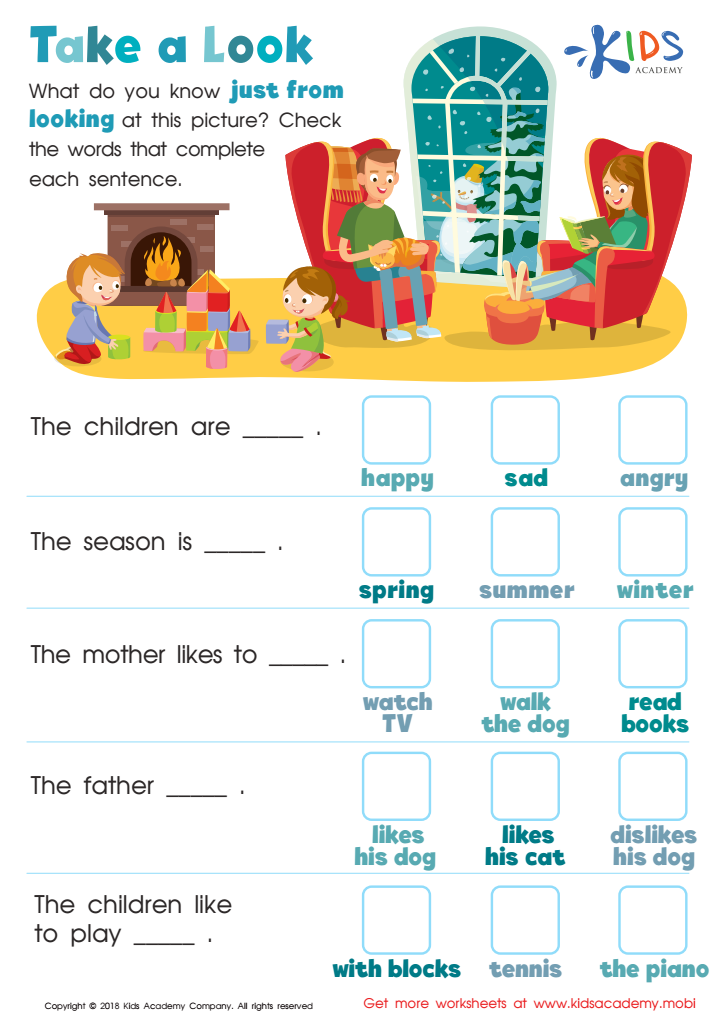
Take a Look - Part 1 Worksheet
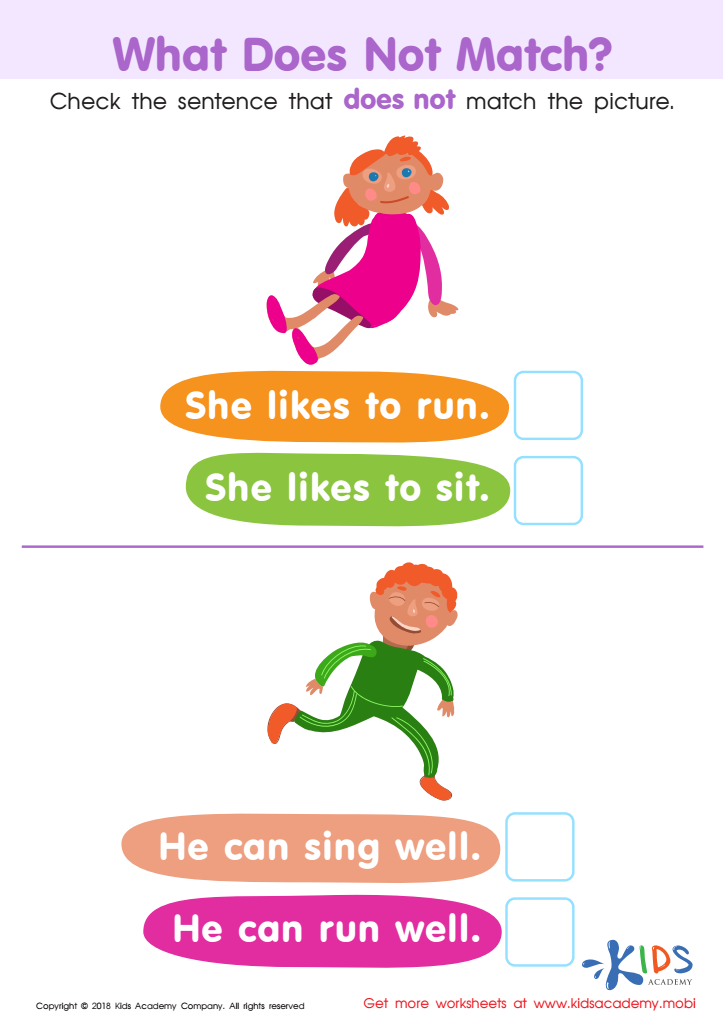
What Does Not Match? Worksheet


.jpg)




Shape recognition is a fundamental skill that plays a critical role in early literacy development, particularly when it comes to reading fiction with children ages 3-7. Understanding shapes aids in letter recognition, as many letters are composed of basic shapes. When children learn to recognize shapes, they strengthen their visual perception skills, making it easier for them to distinguish between letters and words in the text.
Additionally, engaging with fiction that highlights shapes can enhance vocabulary and narrative skills. Storybooks often include characters or objects that embody specific shapes, allowing children to connect verbal sounds with visual elements, fostering a richer reading experience. Furthermore, shape recognition activities can spark imagination and creativity, as children relate their everyday experiences to the stories they read.
Parents and teachers should also care about this learning aspect because it lays a foundation for critical thinking and problem-solving. Understanding shapes can lead to exploration in mathematics, art, and spatial reasoning. By incorporating shape recognition into reading fiction, adults can create a well-rounded educational environment that empowers young learners, ensuring they develop essential skills for both literacy and overall cognitive growth.








