Color recognition Reading Non-Fiction Worksheets for Ages 3-7
3 filtered results
-
From - To
Enhance your child’s learning experience with our Color Recognition Reading Non-Fiction Worksheets, specially designed for ages 3-7. These engaging and educational worksheets help young learners identify and recognize colors while absorbing factual information about the world around them. Each worksheet combines fun visuals and age-appropriate texts, making learning enjoyable and effective. Kids will explore various topics, improving their vocabulary and reading comprehension skills along the way. Perfect for homeschooling or classroom use, our printable resources foster curiosity and creativity. Dive into a colorful world of knowledge with our interactive materials that encourage a lifelong love for learning!
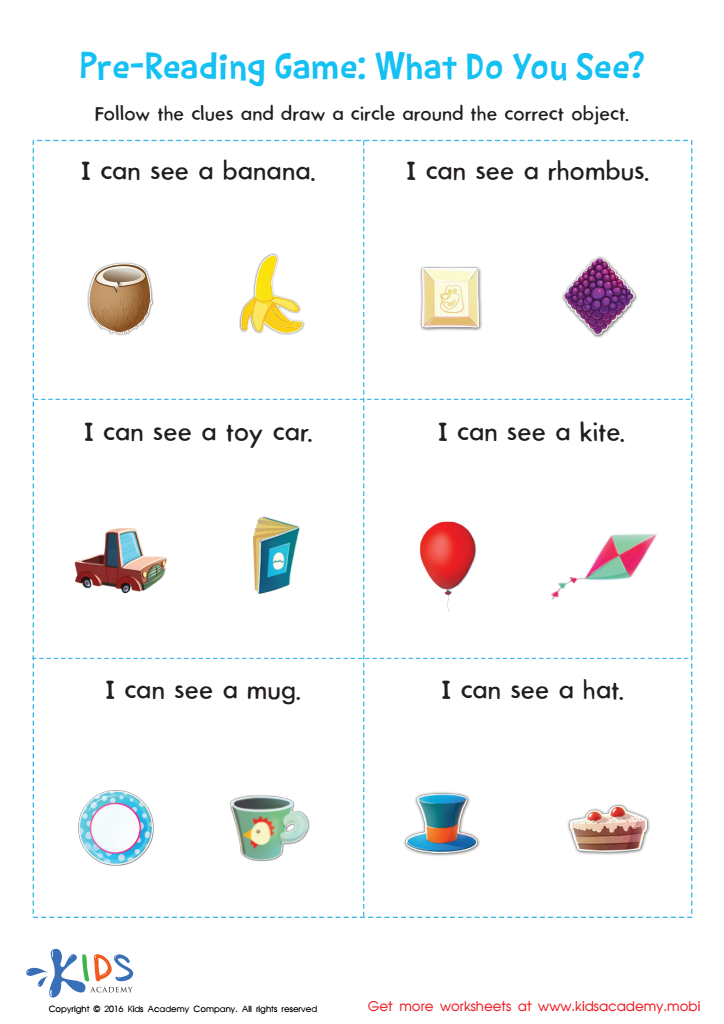
Pre–reading Worksheet: What Do You See?
 Assign to My Students
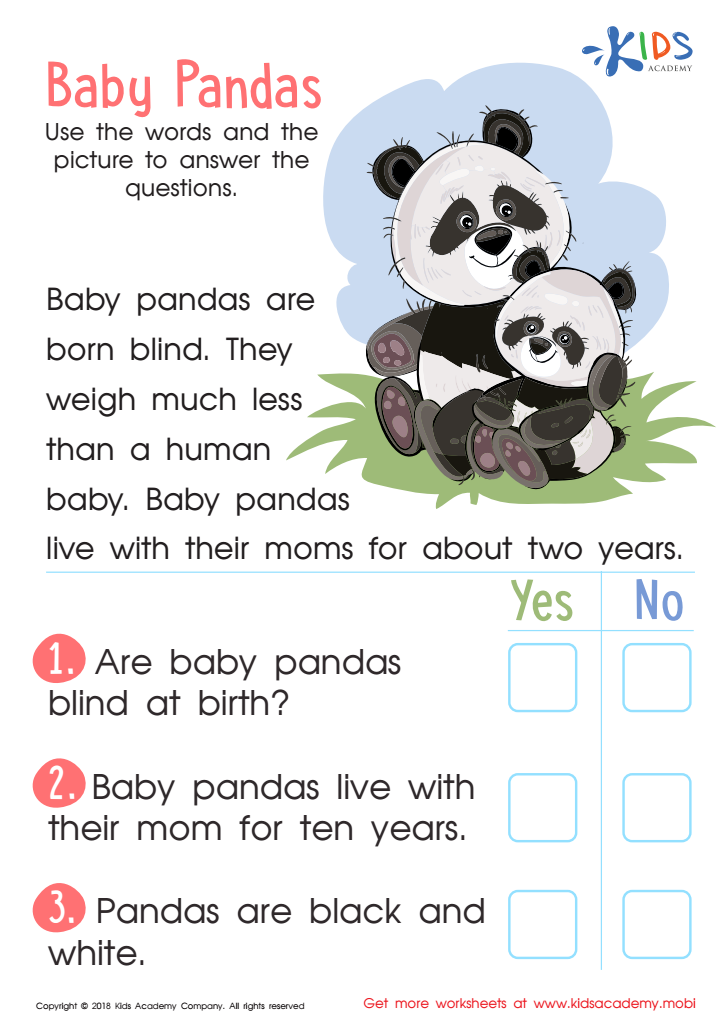
Baby Pandas Worksheet
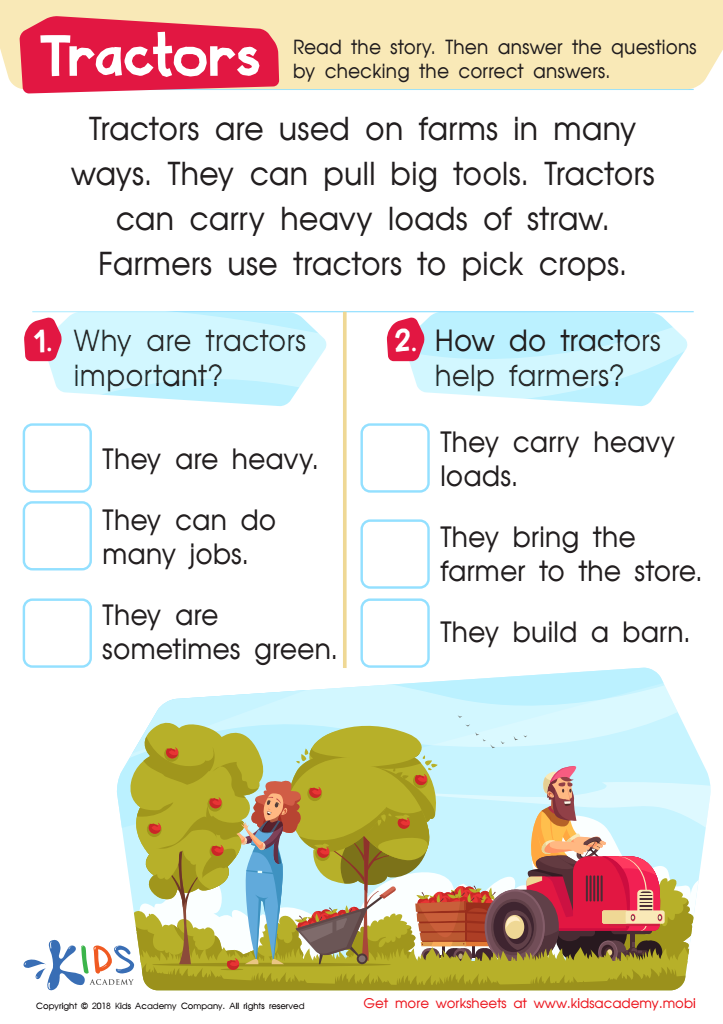
Tractors Worksheet








Color recognition is a fundamental skill for children aged 3-7, intertwining with their broader cognitive and literacy development. For parents and teachers, fostering this skill is critical, particularly in non-fiction reading, which aims to inform and educate. Understanding colors helps children make sense of the world around them; it enhances their ability to identify objects, categorize information, and engage with visual materials, all of which are prevalent in non-fiction books.
When children grasp color concepts, they can better express themselves, enhancing their language development. For example, describing objects they see in books with accurate colors enriches vocabulary and improves communication skills. Non-fiction texts often use color as a tool to emphasize facts, like in books about nature or science, where color-coded maps and diagrams aid understanding and retention of information.
Moreover, early activities like identifying colors in pictures or during storytime promote critical thinking and observational skills. This ultimately lays a strong foundation for academic success. Parents and teachers should view color recognition not merely as a fun activity, but as a vital aspect of a child’s interactive learning journey, influencing their literacy and overall comprehension of information. By engaging in this, they build confident, curious learners ready to explore the diversity of knowledge in our world.








