Counting practice Reading Non-Fiction Worksheets for Ages 3-7
4 filtered results
-
From - To
Discover our engaging Counting Practice Reading Non-Fiction Worksheets tailored for children ages 3-7. These worksheets seamlessly blend early reading skills with essential counting practice, making learning fun and interactive! Each printable activity introduces young learners to fascinating non-fiction themes while reinforcing their numeracy skills. Ideal for home or classroom use, our resources foster comprehension, vocabulary development, and number recognition in an enjoyable format. Encourage curiosity and a love for learning as children explore the world around them through captivating texts and hands-on counting exercises. Perfect for parents and educators looking to enhance their teaching toolkit, these worksheets support critical early literacy and math skills!
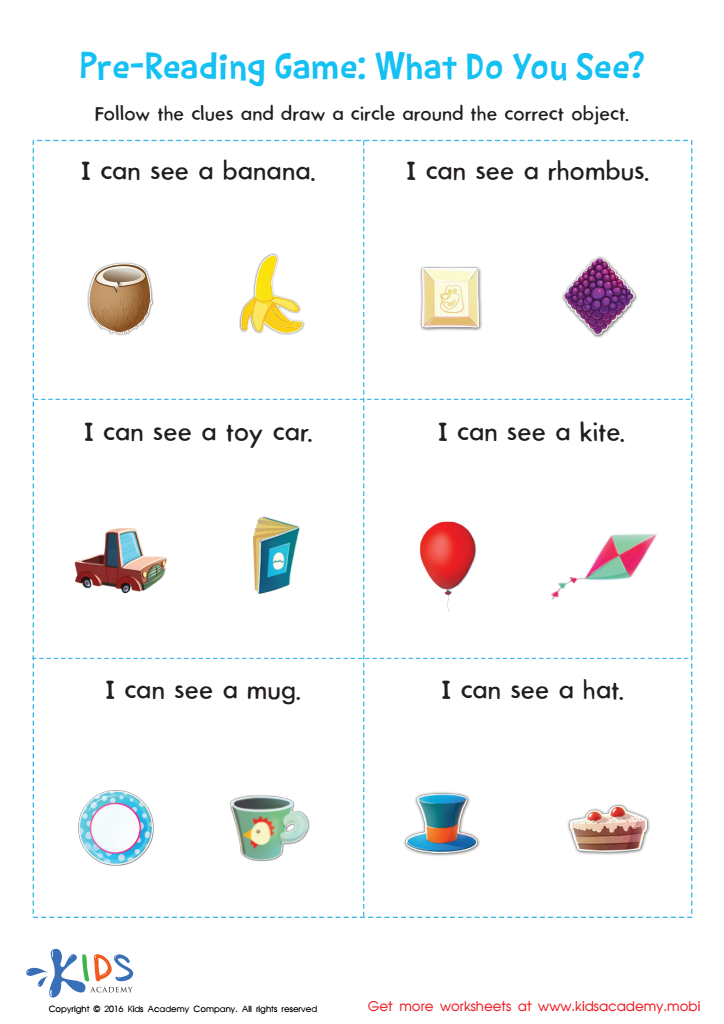
Pre–reading Worksheet: What Do You See?
 Assign to My Students
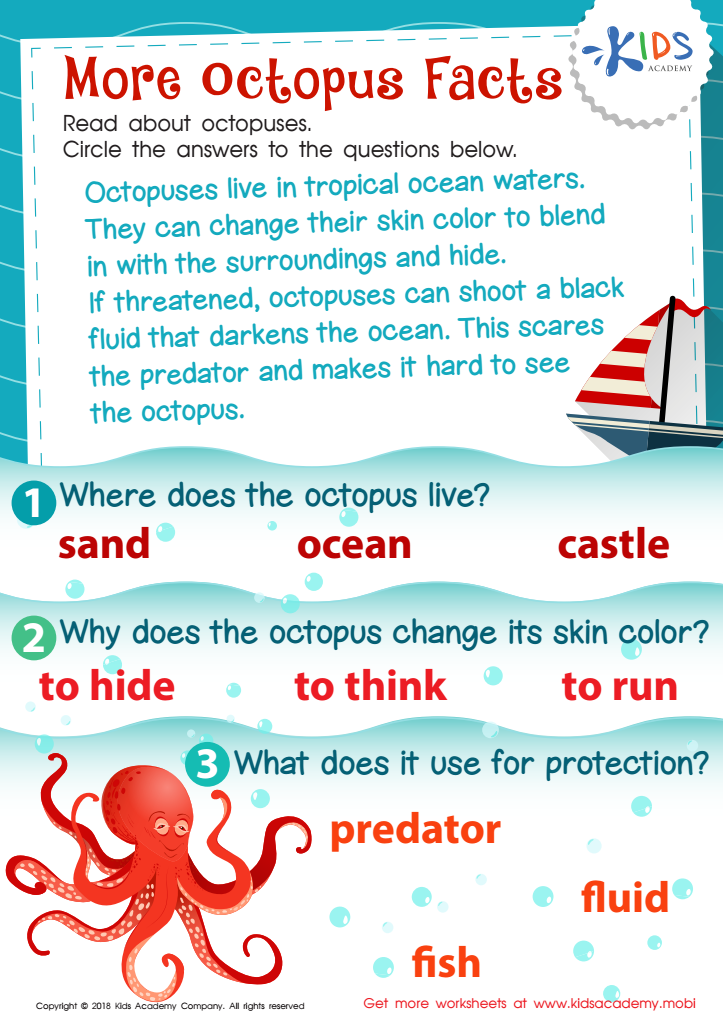
More Octopus Facts Worksheet
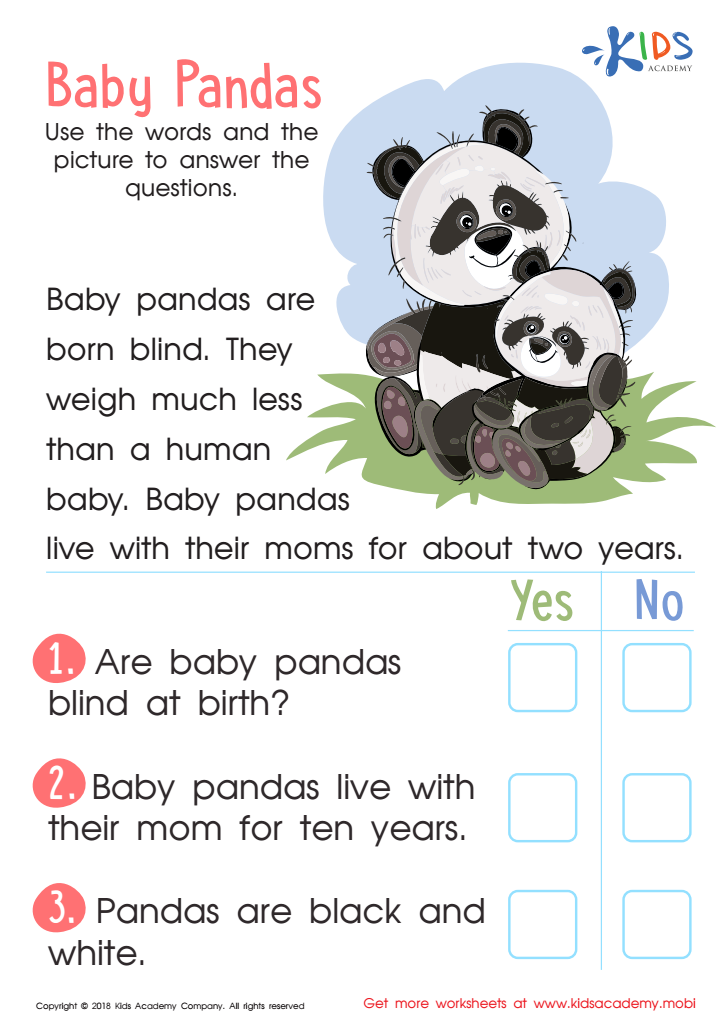
Baby Pandas Worksheet
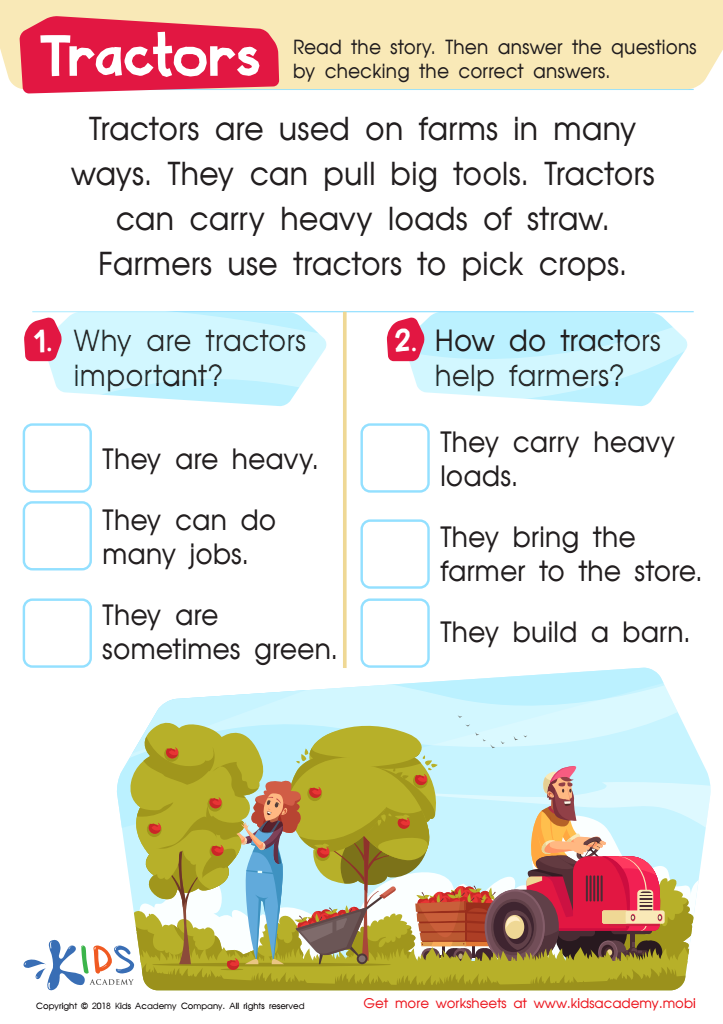
Tractors Worksheet








Parents and teachers should prioritize counting practice within non-fiction reading for children aged 3-7 as it lays a vital foundation for both literacy and numeracy skills. At this early age, children are naturally curious about the world around them, and non-fiction books can be highly engaging, providing factual information about topics they find intriguing—whether it's animals, space, or everyday objects.
Integrating counting practice into non-fiction reading allows young learners to connect mathematical concepts to real-world experiences, making numbers relevant and interesting. For instance, counting animals on a page can enhance numerical skills while simultaneously expanding vocabulary and comprehension within a particular subject.
Moreover, this combination supports cognitive development. By interacting with both numbers and text, children develop critical thinking skills as they categorize and analyze information. This engagement encourages exploration and curiosity, which are essential for lifelong learning.
Additionally, reinforcing counting through reading fosters a love for books and learning. It helps parents and teachers create a holistic educational experience that builds essential skills while satisfying children’s inquisitive minds. Overall, non-fiction reading with a counting focus nurtures a comprehensive understanding of the world, enhancing a child’s educational journey in a fun and meaningful way.








