Basic arithmetic practice Sight Words Worksheets for Ages 3-7
3 filtered results
Difficulty Level
Grade
Age
-
From - To
Subject
Activity
Standards
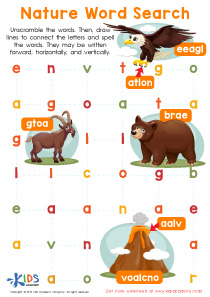
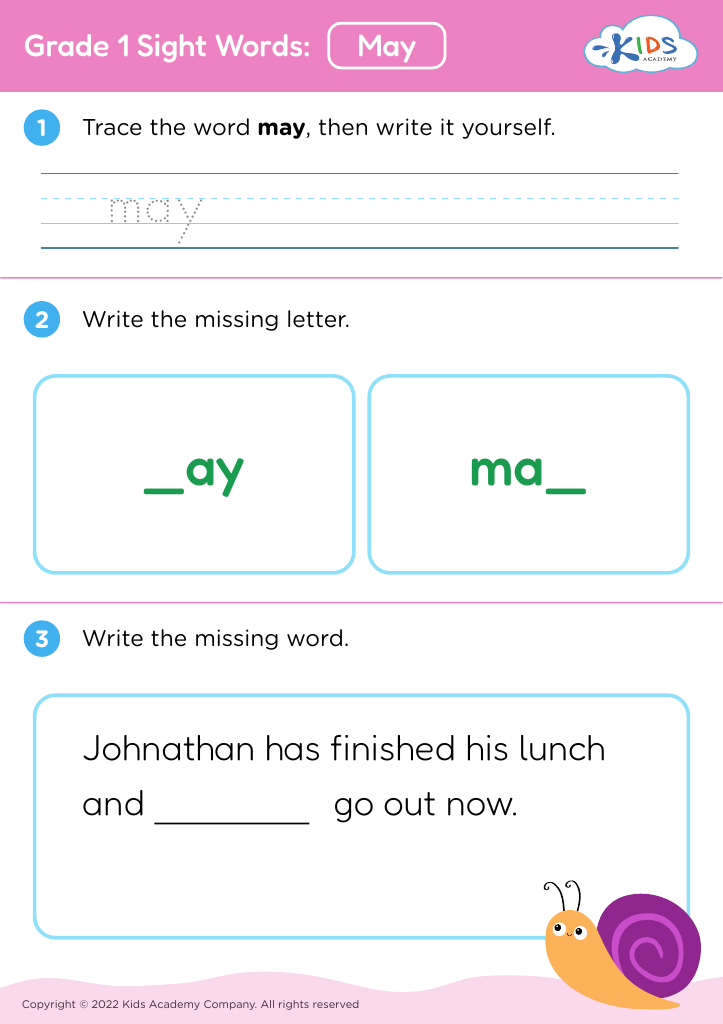
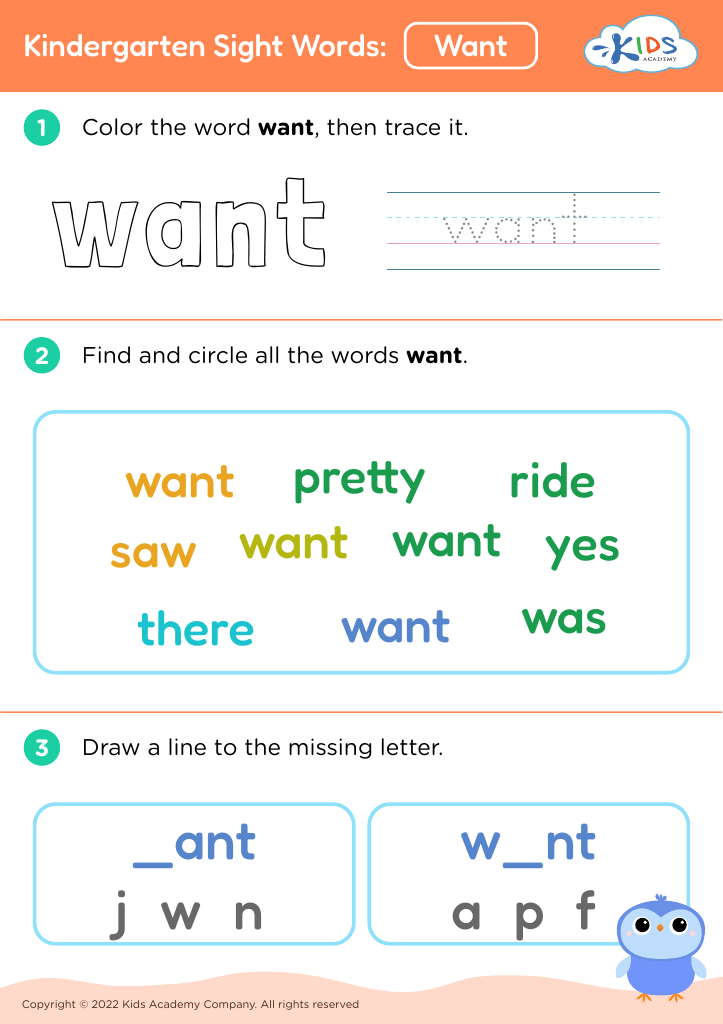
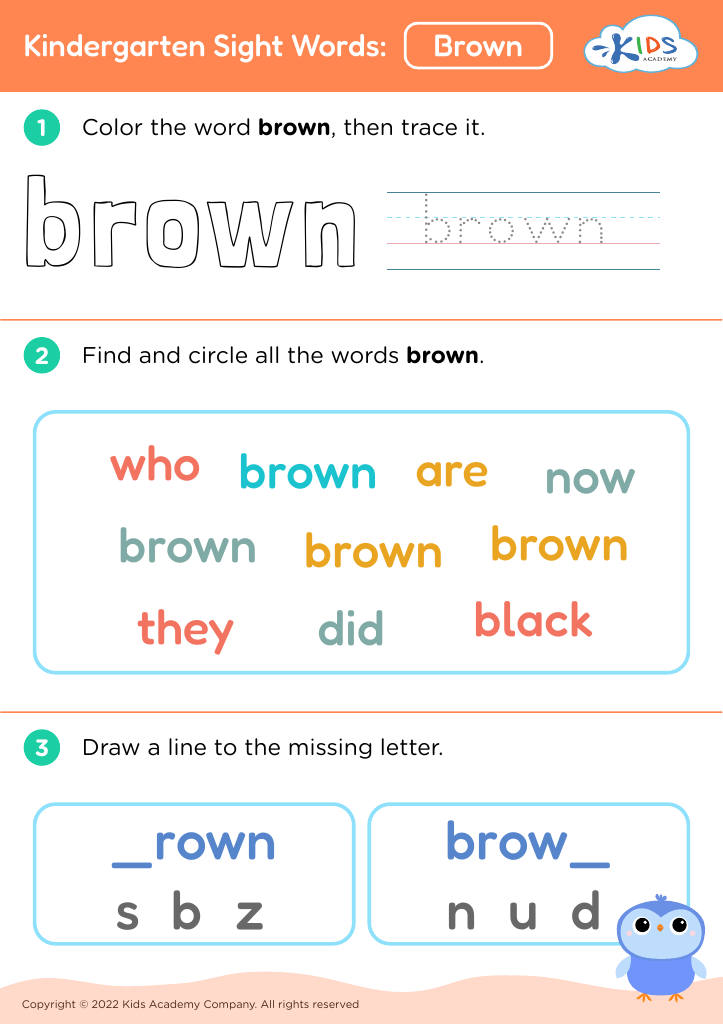
Enhance your child's foundational skills with our engaging Basic Arithmetic Practice Sight Words Worksheets for ages 3-7. Perfect for young learners, these worksheets seamlessly combine the essential first steps of reading sight words with basic math concepts. Designed to foster cognitive development, each activity introduces children to simple addition and subtraction while reinforcing their vocabulary. Interactive and colorful, these worksheets make learning fun and enjoyable, paving the way for academic success. Whether at home or in the classroom, our resources can help your child gain confidence in both mathematics and literacy. Explore our collection today and watch your little ones thrive!
Favorites
With answer key
Interactive




Join Kids Academy for Free
Who is primarily going to use this learning content?








Basic arithmetic practice and sight word recognition are foundational skills for children aged 3-7 that significantly impact their academic trajectory. At this stage, children are developing essential cognitive abilities, and early engagement in these areas can foster a strong framework for future learning.
Arithmetic practice introduces young learners to essential mathematical concepts, including counting, addition, and subtraction. These skills promote logical thinking and problem-solving abilities. Engaging with numbers can also enhance a child's confidence, making them more comfortable in mathematical settings as they progress through school.
Meanwhile, sight words are critical for developing reading fluency. Mastery of these commonly used words helps children to recognize and comprehend text more easily, leading to improved reading skills. As reading is a gateway to learning across all subjects, building a solid foundation through sight word recognition can boost overall academic performance and inspire a lifelong love for reading.
For parents and teachers, prioritizing basic arithmetic practice and sight word recognition can create a positive learning environment and set children up for success. Early exposure to these skills can lead to increased motivation and better educational outcomes, facilitating a seamless transition into more complex learning during later grades.