Color Identification Sight Words Worksheets for Ages 3-7
4 filtered results
Difficulty Level
Grade
Age
-
From - To
Subject
Activity
Standards
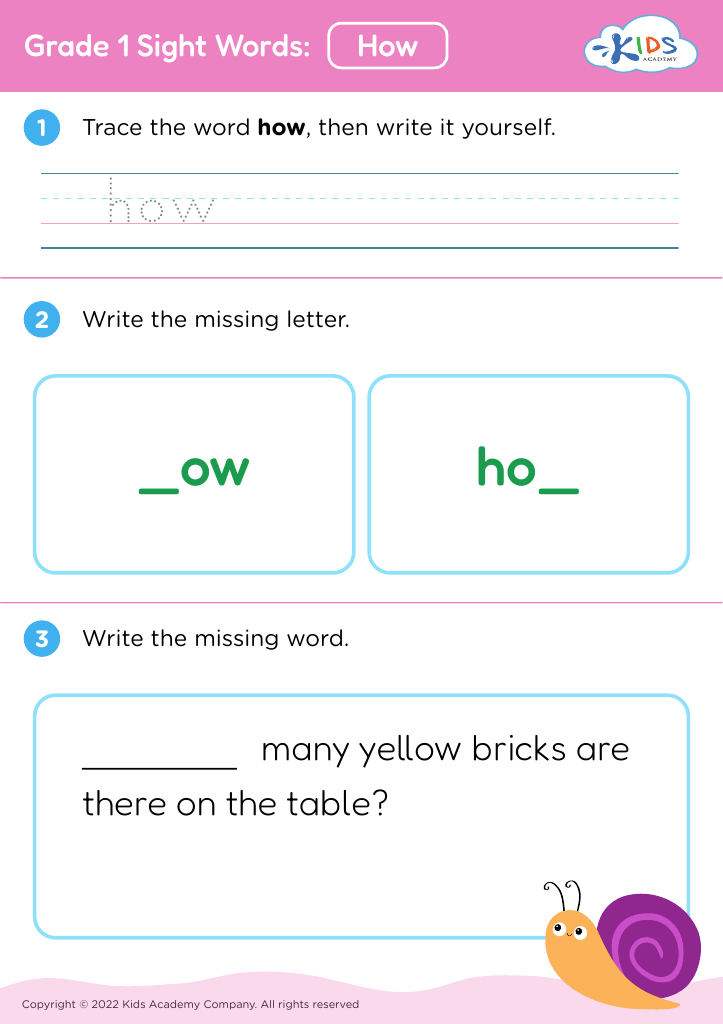
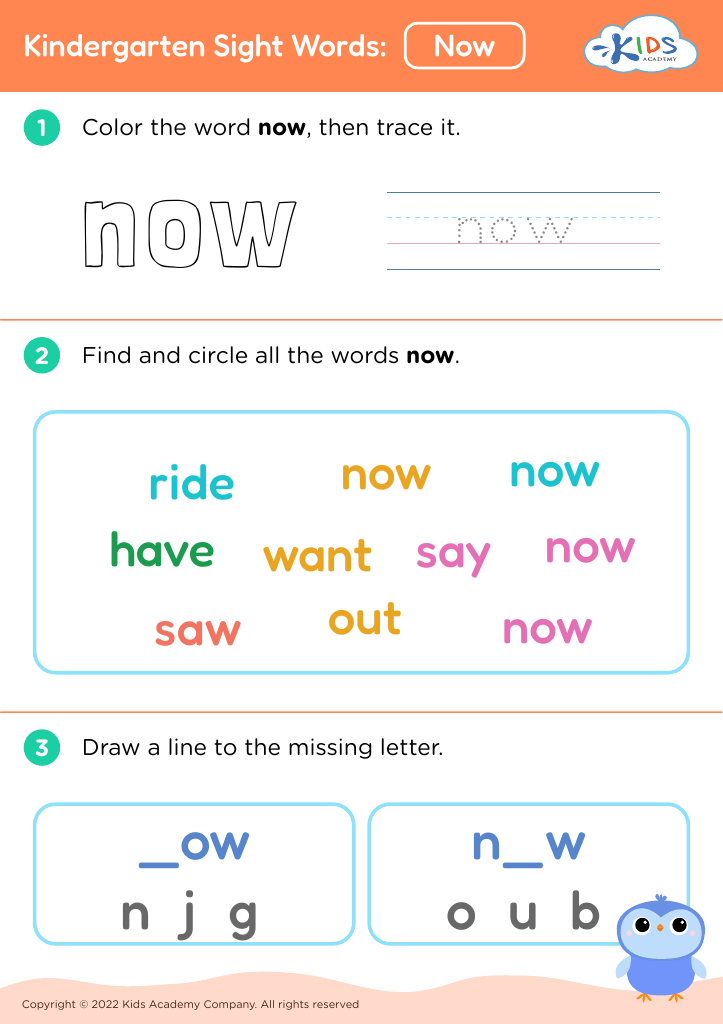
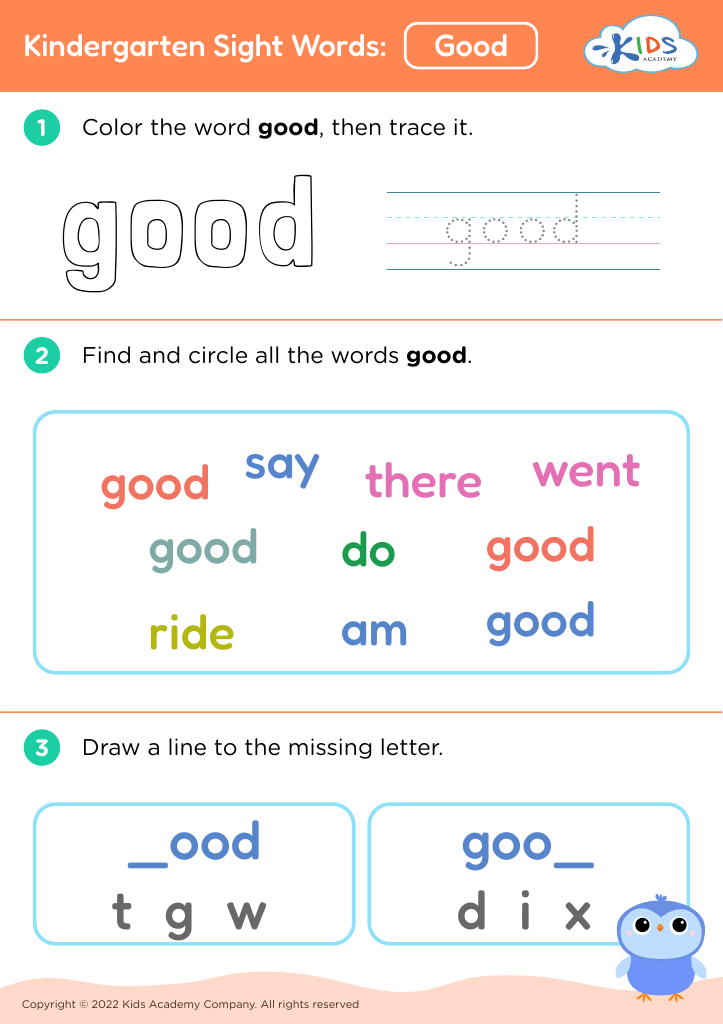
Our "Color Identification Sight Words Worksheets for Ages 3-7" provide an engaging and educational way for young learners to grasp essential color names and sight words. Catering to children aged 3-7, these carefully crafted worksheets combine vibrant visuals with interactive activities to make learning fun and effective. Expertly designed to enhance reading and comprehension skills, young readers will build a strong foundation in identifying colors and sight words. Ideal for parents and teachers, these worksheets ensure an enjoyable and productive learning experience that fosters academic growth and language development in early childhood.
Favorites
With answer key
Interactive







Join Kids Academy for Free
Who is primarily going to use this learning content?








Color Identification Sight Words are essential in early childhood education because they promote multiple developmental benefits that enhance a child's growth and learning. First, recognizing color words aids in vocabulary expansion. By learning words associated with colors, young children’s language skills improve, fostering better communication abilities. Having a broad vocabulary at an early age makes it easier for children to engage in more complex conversations as they grow.
Second, understanding color words can improve cognitive skills. When children identify and associate the color words they see, they develop their memory, pattern recognition, and classification abilities. These cognitive skills are foundational for future academic learning, including subjects like mathematics and science.
Third, incorporating color identification in classrooms lays the groundwork for better literacy skills. Using color words mandates reading practice, helping kids to identify and pronounce new words. For very young learners, this bridges the gap between visual and verbal learning. Associative learning with colors can make the educational process more engaging and effective.
Moreover, social skills are indirectly honed. Colors are a fundamental aspect of daily life, whether in art class sharing crayons, describing objects to friends, or following traffic signals. Early confidence in this area makes daily tasks less overwhelming.
Overall, incorporating Color Identification Sight Words in education supports holistic child development, catalyzing key language, cognitive, and social skills necessary for a successful educational journey.