Critical Thinking Sight Words Worksheets for Ages 3-7
4 filtered results
-
From - To
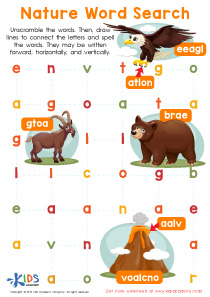
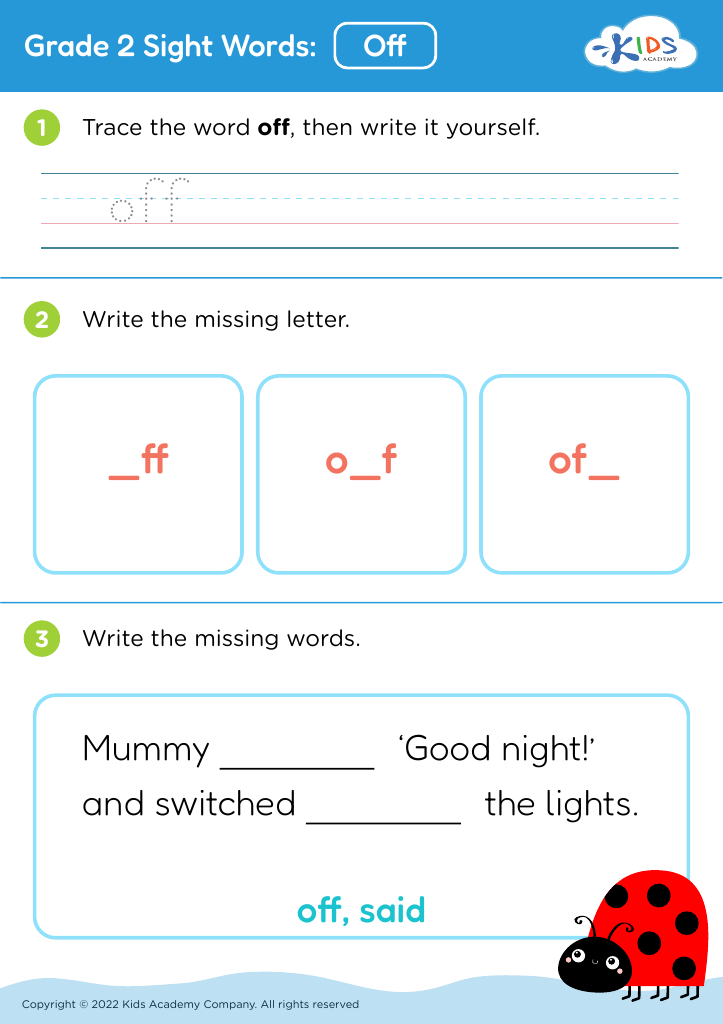
Introducing our "Critical Thinking Sight Words Worksheets for Ages 3-7"! These engaging worksheets are uniquely designed to combine learning essential sight words with developing critical thinking skills. Perfect for young learners, our materials focus on reading proficiency while also sparking curiosity and analytical thought. Each worksheet presents fun, thought-provoking activities that challenge children to connect words with contexts, hone problem-solving skills, and think creatively. As kids interact with colorful and educational content, they gradually build a strong foundation in reading and critical thinking. Enhance your child's early education with our thoughtfully crafted worksheets, ensuring a brighter, smarter future.




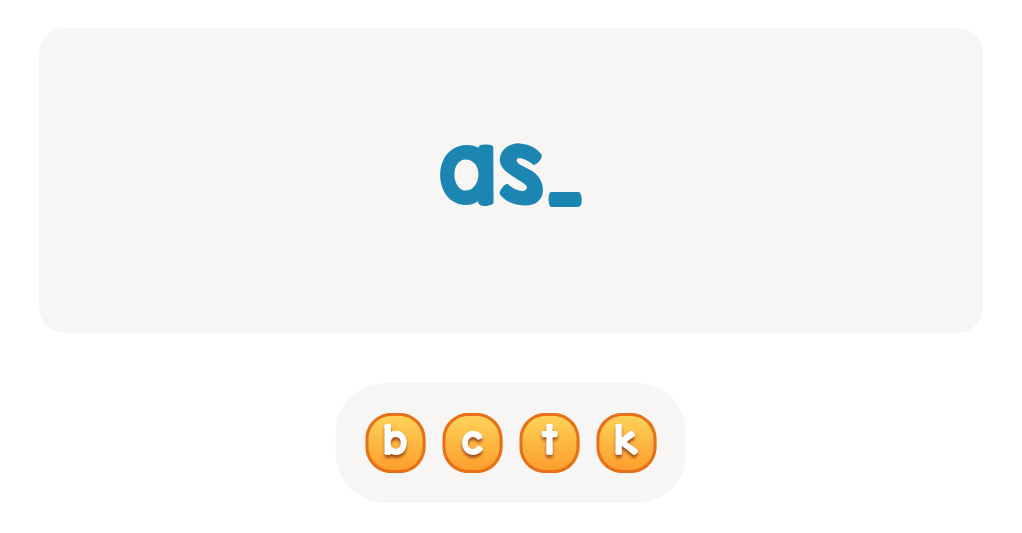
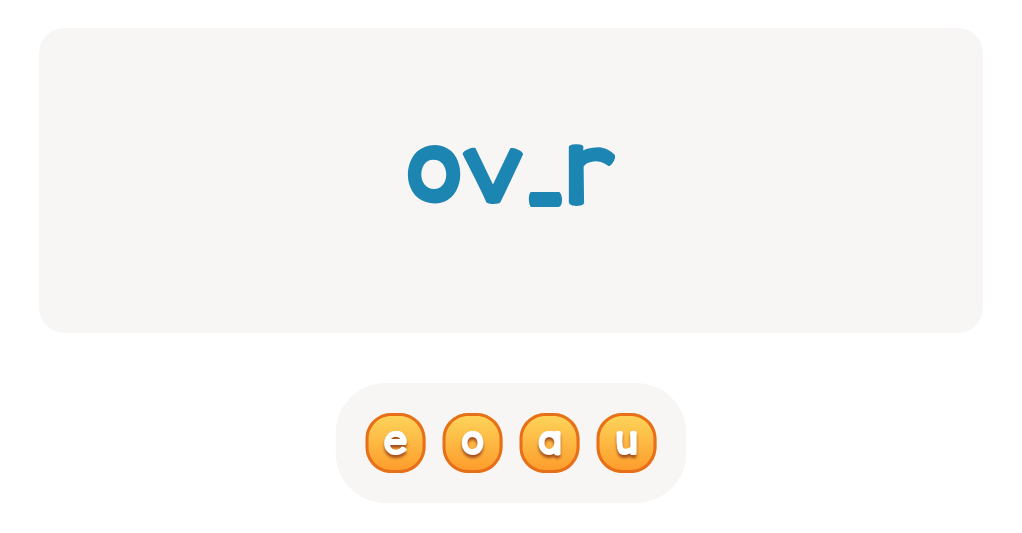
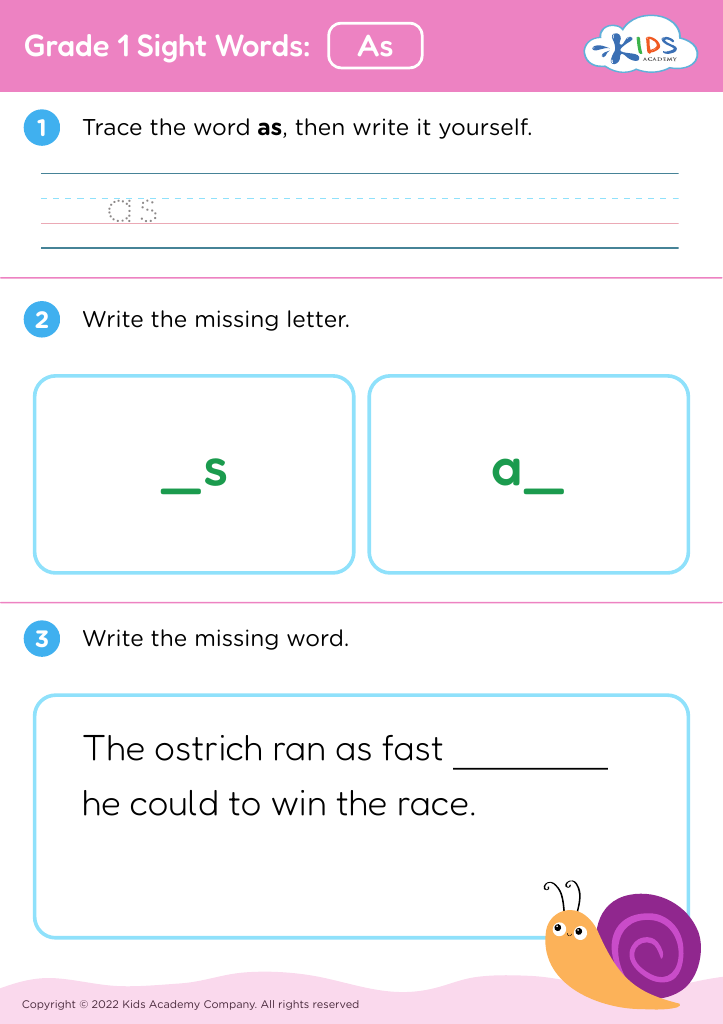
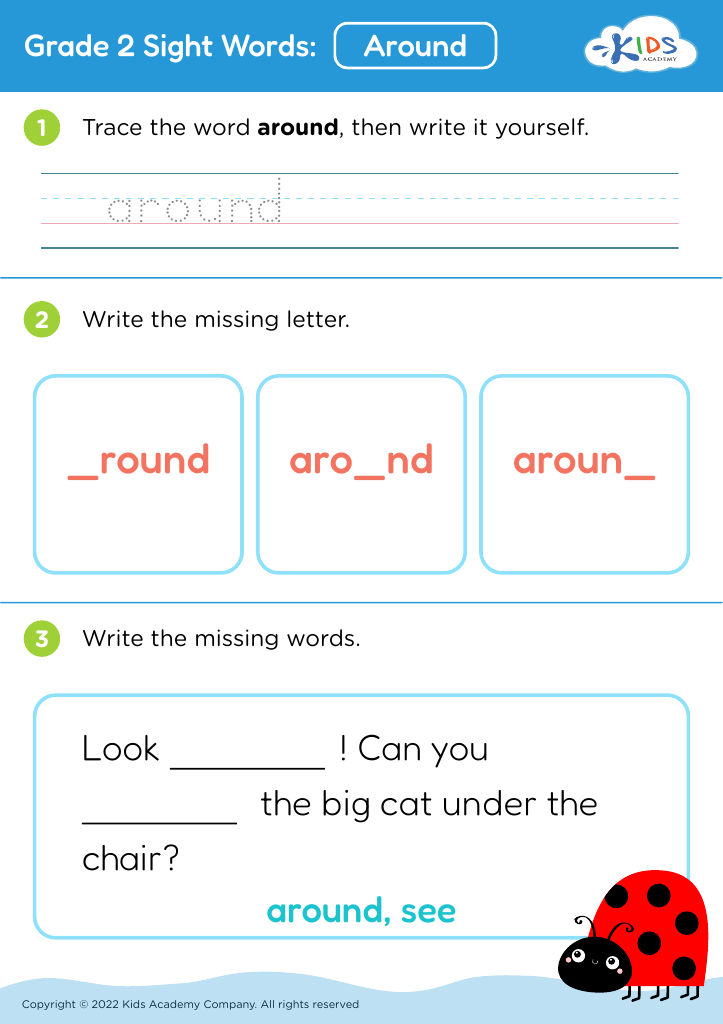
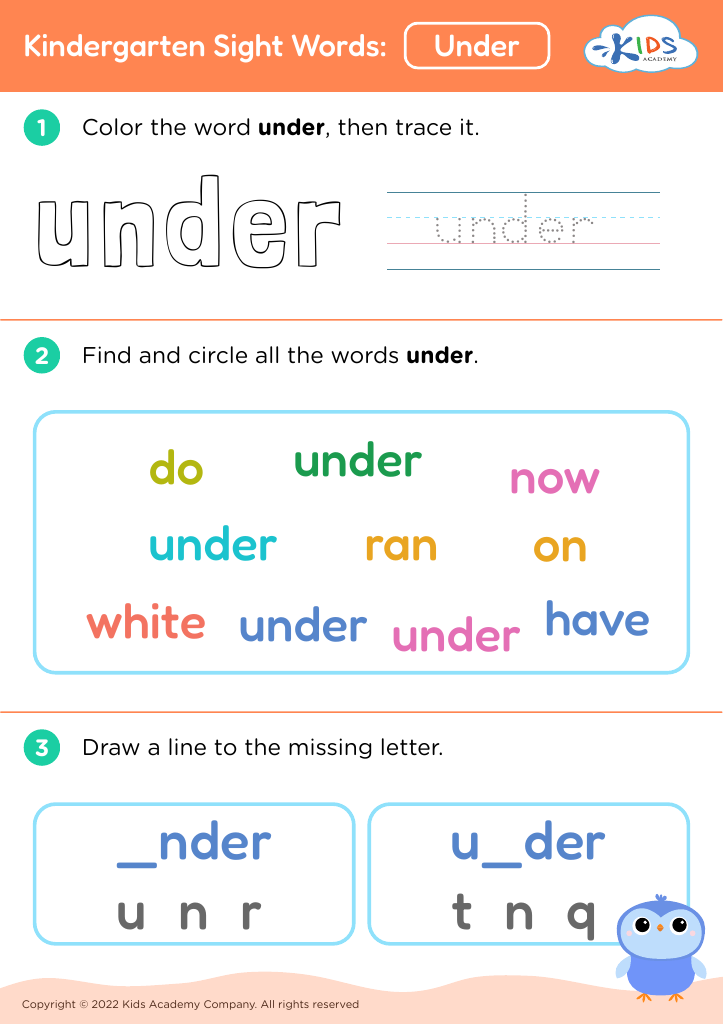







Parents and teachers should prioritize Critical Thinking Sight Words for children aged 3-7 as these form the foundation of essential cognitive skills and language proficiency. Sight words are frequently used in reading and writing, helping young learners recognize common words by sight, thus fostering early reading fluency. By integrating critical thinking into sight word learning, children not only memorize words but also engage in deeper understanding and analytical thinking.
This dual approach enhances vocabulary, comprehension, and the ability to make connections between words and concepts. It encourages children to question, make decisions, and problem-solve, setting the stage for independent thinking and lifelong learning. Engaging with critical thinking sight words allows children to explore context, anticipate outcomes, and understand the cause-and-effect relationships in stories and daily interactions.
Moreover, fostering these skills early can boost confidence, improve communication abilities, and better prepare children for the progressively complex academic challenges ahead. For children aged 3-7, whose brains are most malleable, integrating critical thinking with sight word acquisition leverages this critical period for cognitive development, supporting both immediate educational needs and long-term intellectual growth. This holistic approach makes learning more dynamic, enjoyable, and impactful for young minds.