Enhance vocabulary skills Sight Words Worksheets for Ages 3-7
3 filtered results
-
From - To
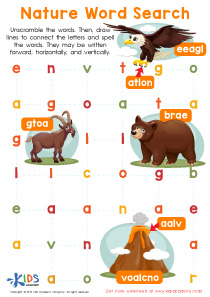
Boost your child's vocabulary skills with our engaging Sight Words Worksheets designed for ages 3-7. These worksheets are tailored to help young learners recognize and understand essential sight words, laying a strong foundation for reading fluency. Packed with exciting activities, colorful visuals, and interactive exercises, children will enjoy learning while enhancing their language development. Our resources focus on repetition and familiarity, promoting confidence in reading. Ideal for both homeschooling and classroom settings, these worksheets make learning sight words fun and effective. Explore our collection today and watch your child's vocabulary flourish as they embark on their literacy journey!
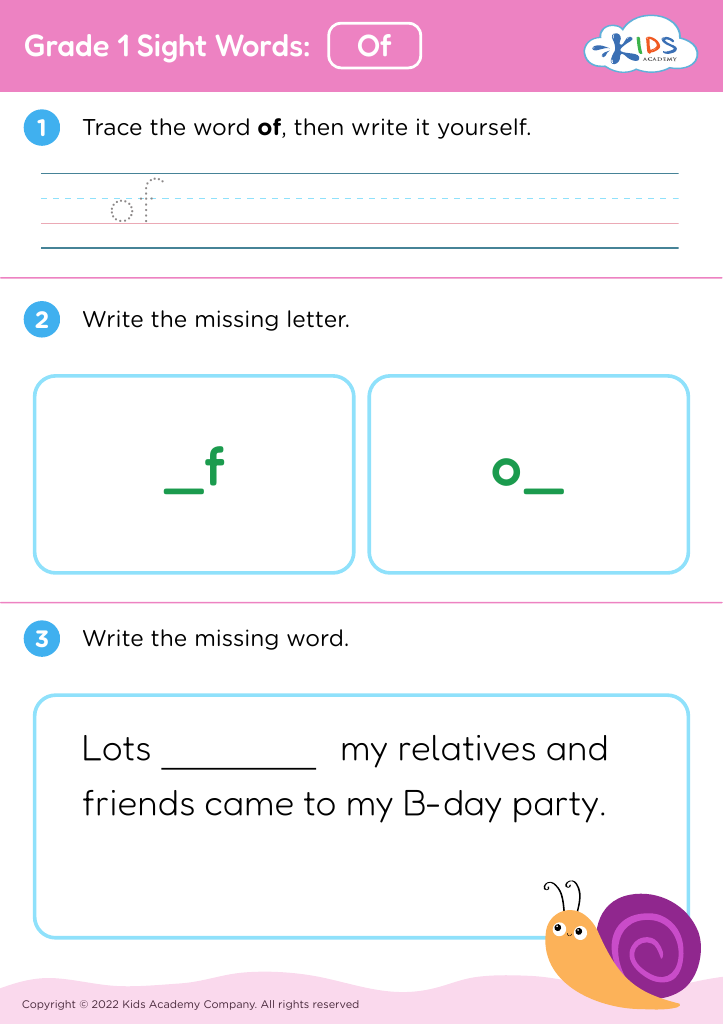



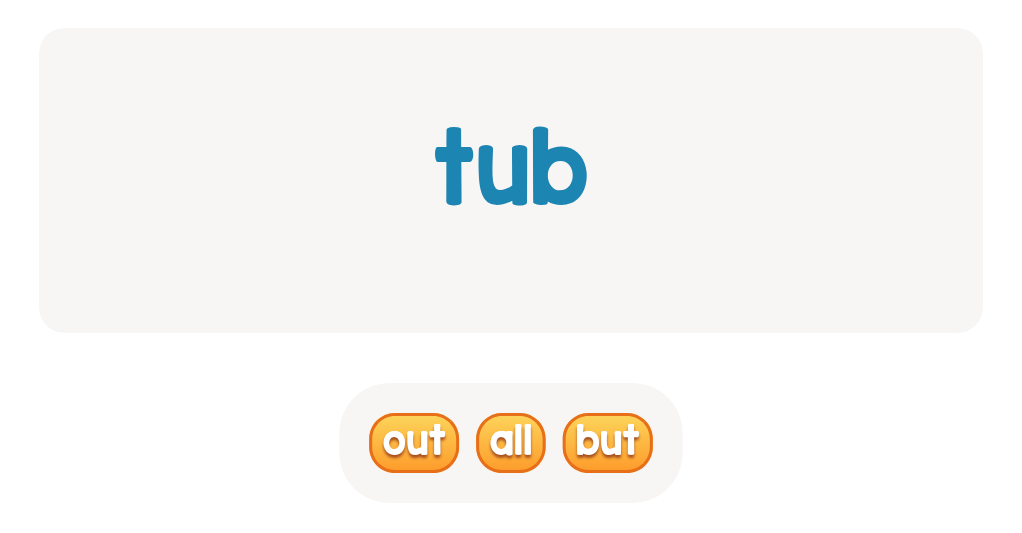
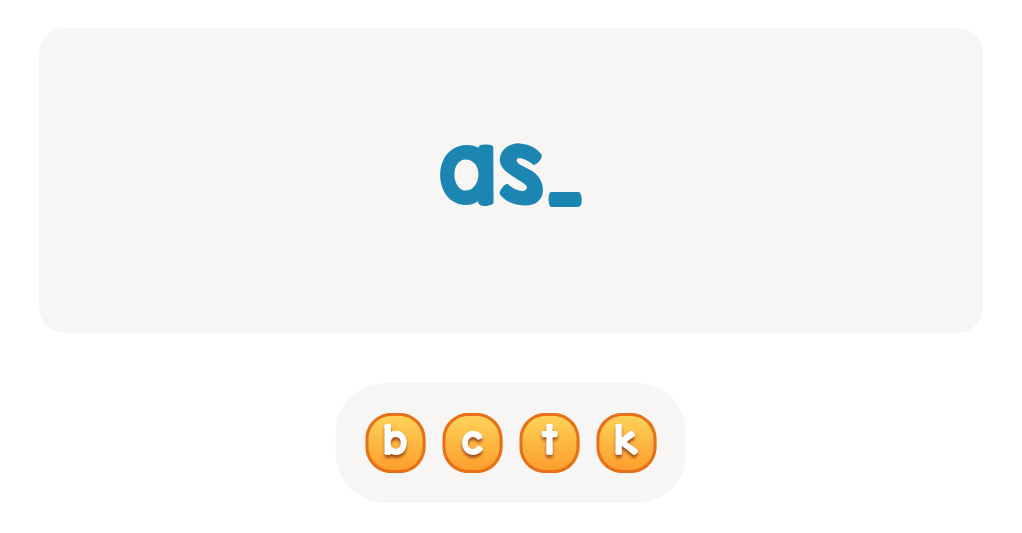
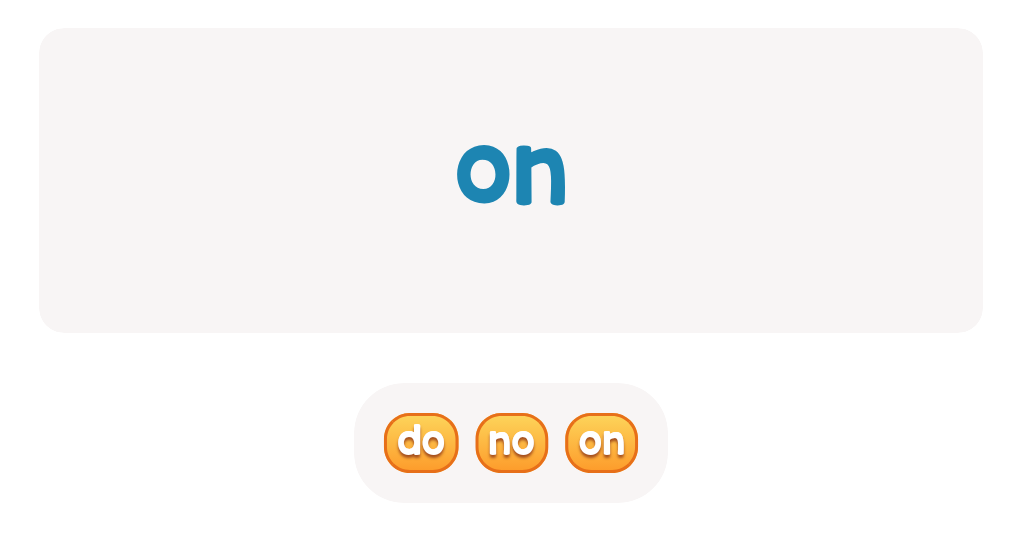
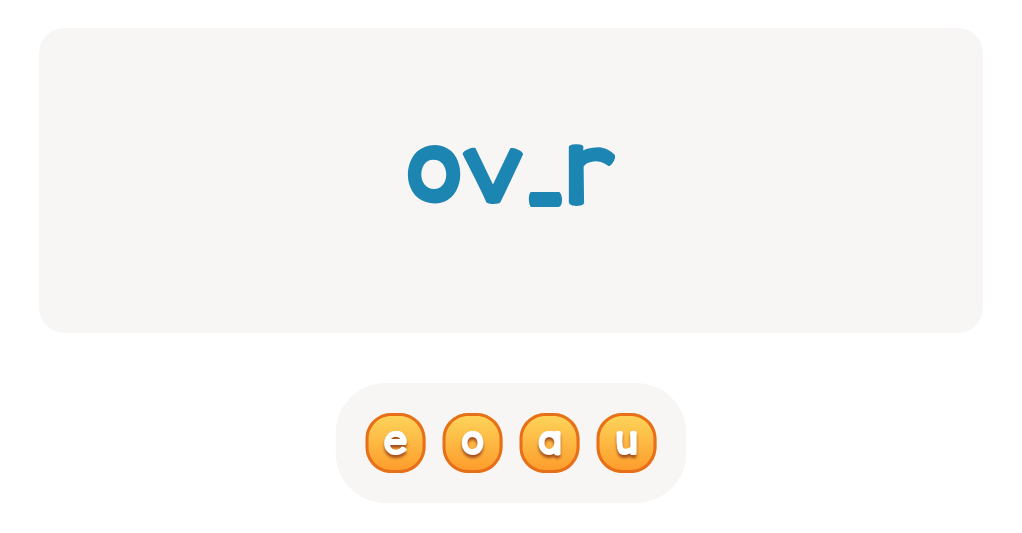
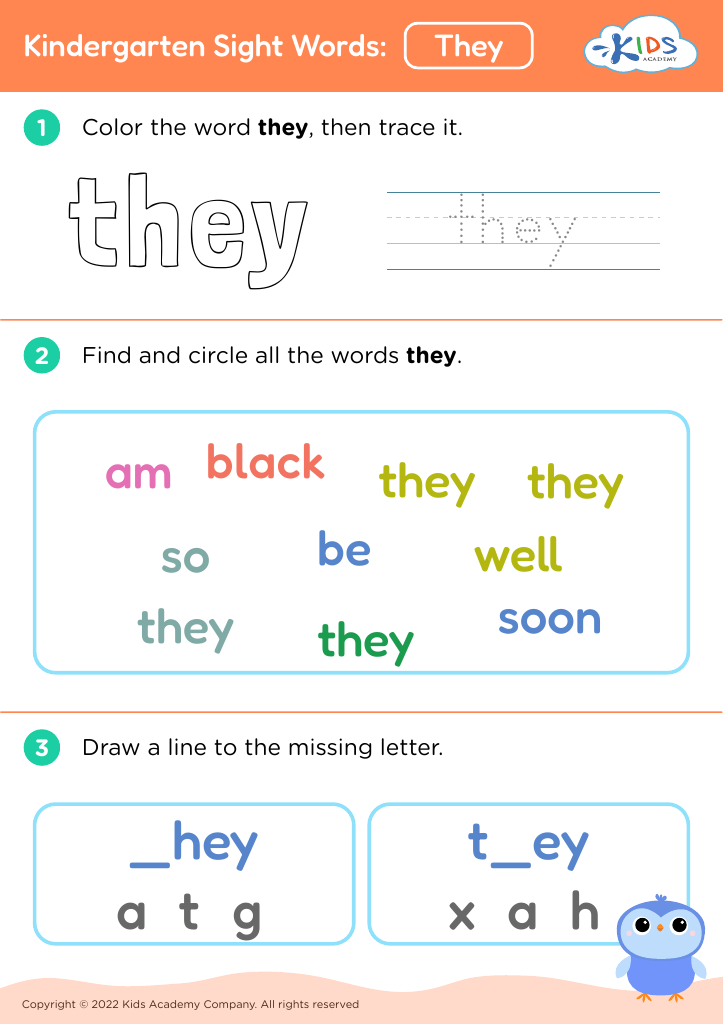
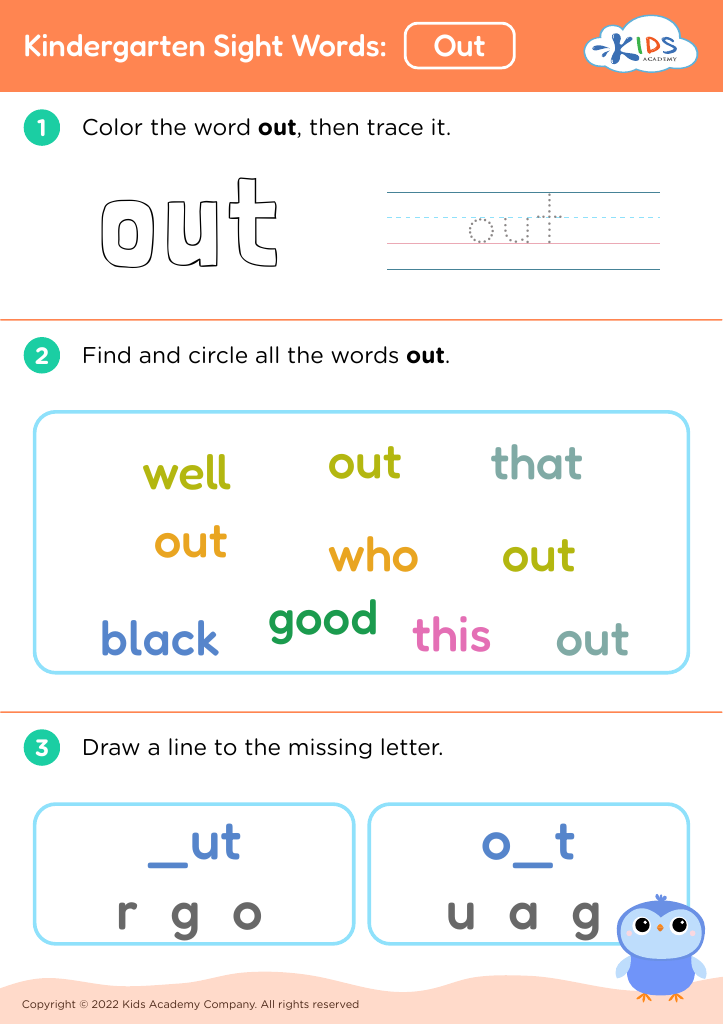



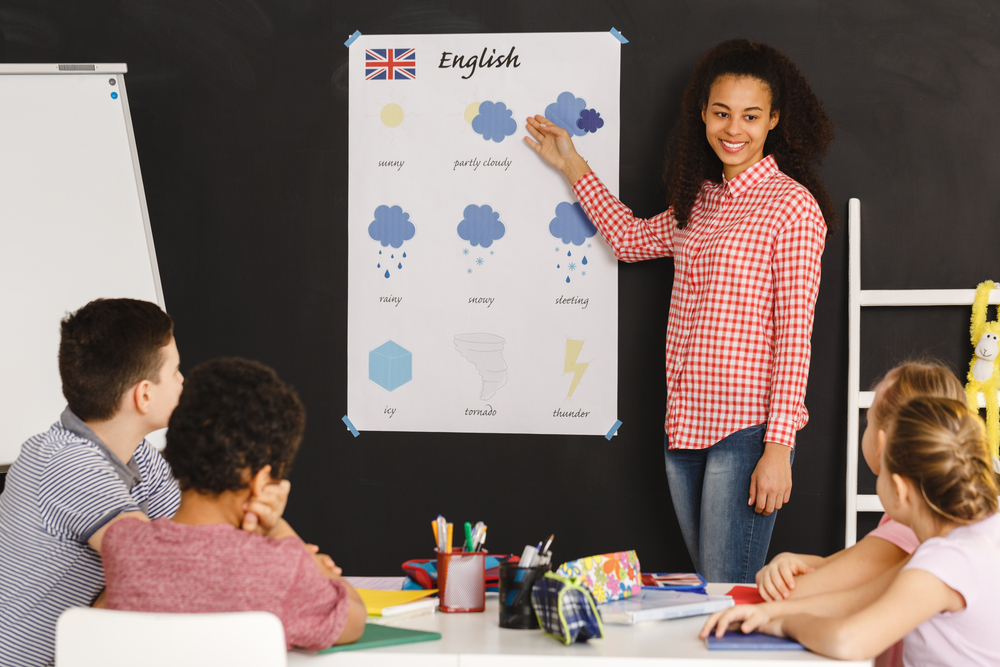




Enhancing vocabulary skills through sight words is crucial for children aged 3-7 as it lays the foundation for their reading and language development. Sight words, which are commonly used words that children can recognize by sight without needing to sound them out, play a key role in fostering fluency and comprehension. When children become proficient in recognizing these words, they can read more comfortably and confidently, which encourages a love for reading.
Strong vocabulary skills not only enhance reading abilities but also aid in effective communication. They empower children to express their thoughts and feelings articulately. Early exposure to a rich vocabulary through sight words supports cognitive development, promotes critical thinking, and improves comprehension across all subjects.
Teachers and parents should prioritize teaching sight words as they are integral to bridging the gap between spoken and written language. Engaging activities that involve sight word recognition—like flashcards, games, and reading together—can maintain children's interest and excitement about learning. Investing in this crucial skill early on promotes academic success, better prepares children for future literacy tasks, and instills a lifelong love of reading that is essential for overall lifelong learning.