Fraction Addition Sight Words Worksheets for Ages 3-7
4 filtered results
-
From - To
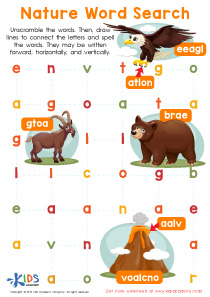
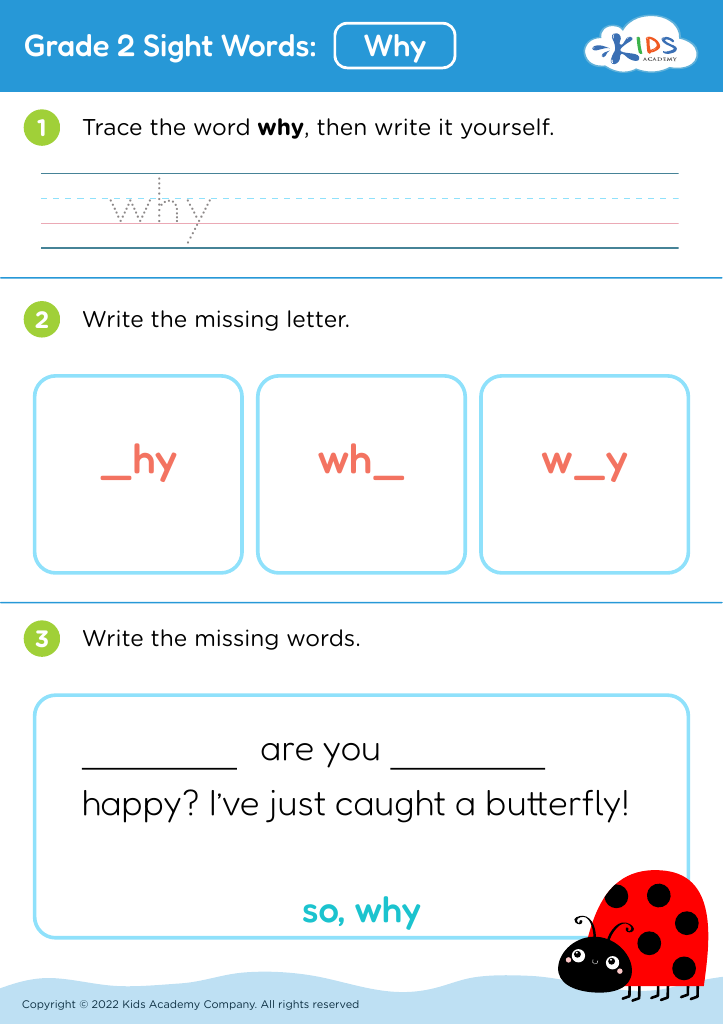
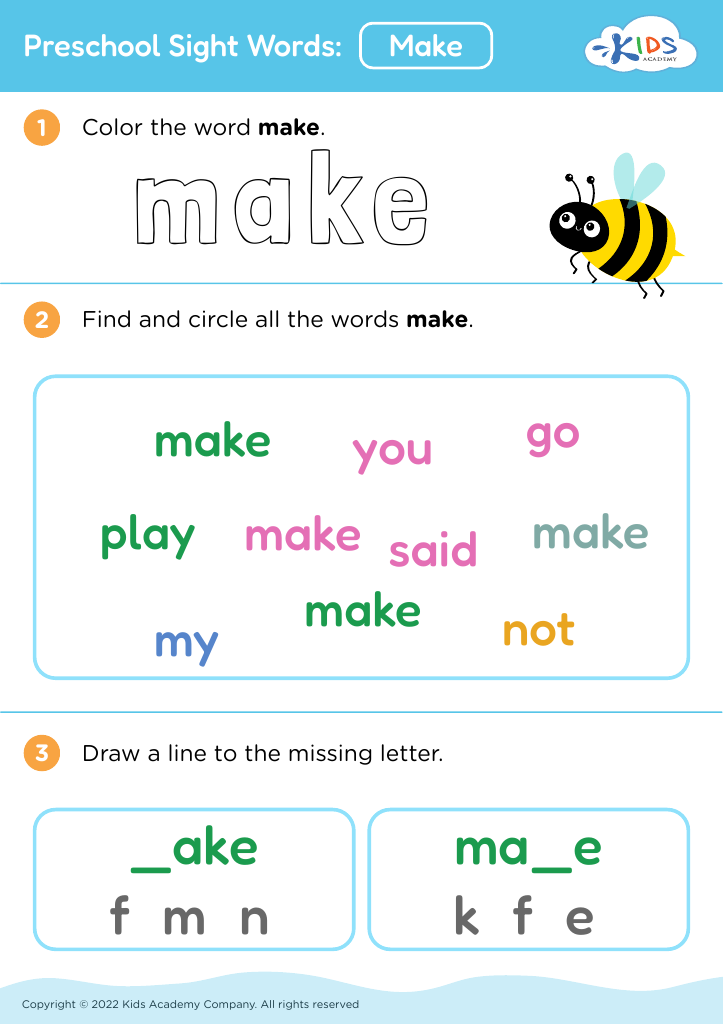
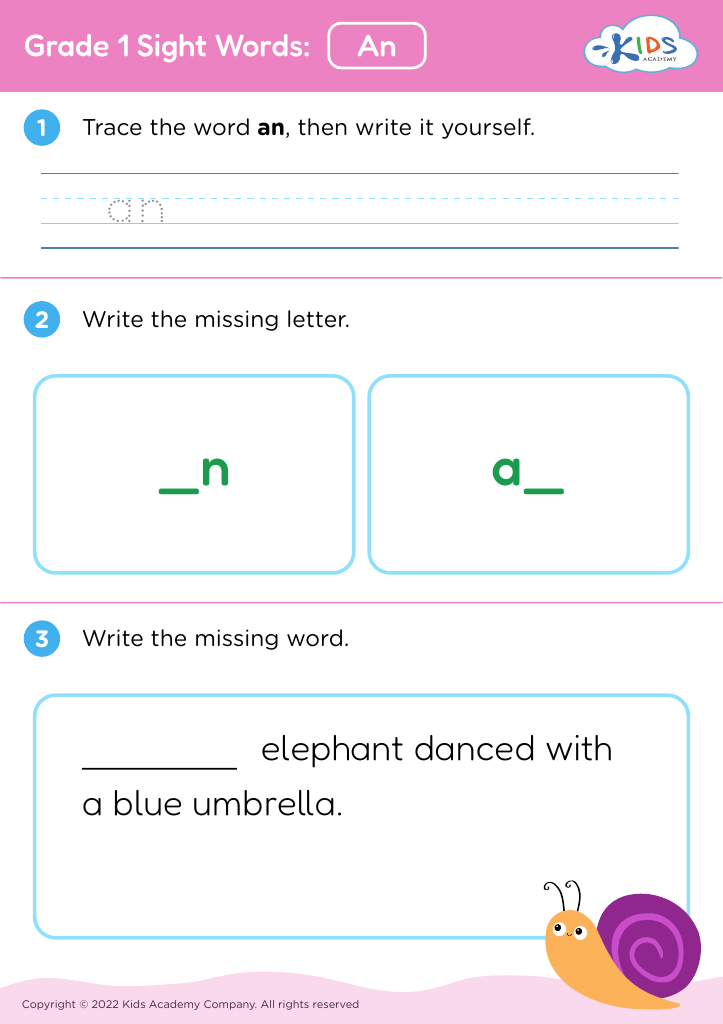
Discover our engaging Fraction Addition Sight Words Worksheets tailored for children aged 3-7. These worksheets combine early math skills with essential sight word recognition, providing a fun and effective way to reinforce both concepts. Designed with vibrant illustrations and interactive exercises, your little learners will enjoy exploring fractions while mastering vocabulary. Each worksheet features a variety of activities that encourage critical thinking and problem-solving, making math enjoyable and accessible. Perfect for classrooms or home learning, these resources help lay a strong foundation in mathematics and reading. Start your child’s journey to confident learning today with our Fraction Addition Sight Words Worksheets!

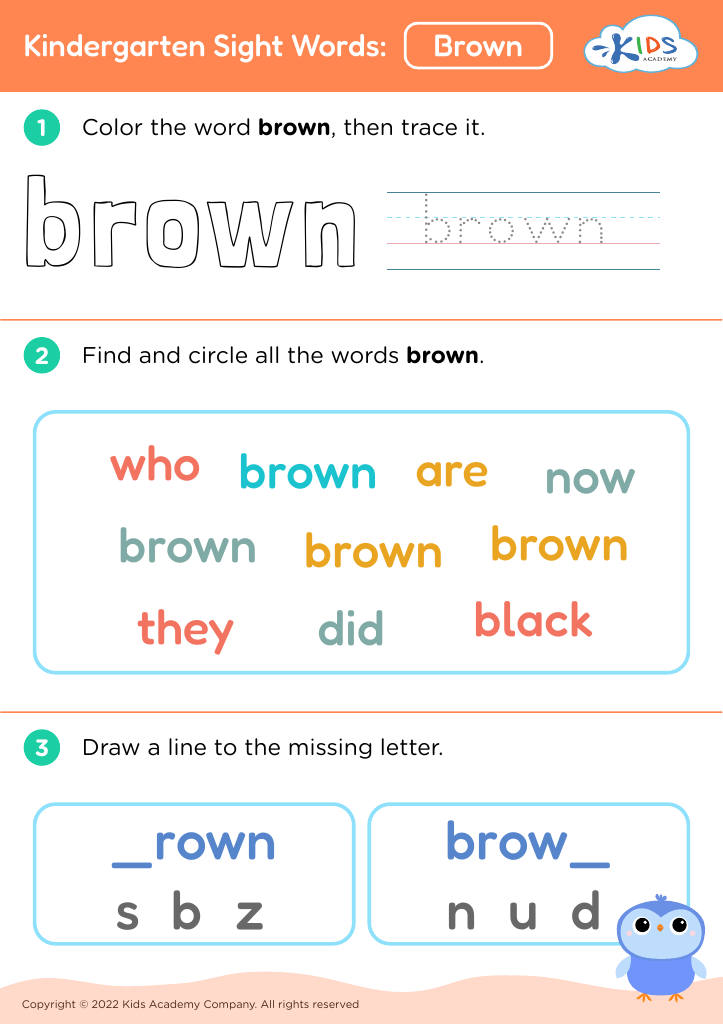








Parents and teachers should deeply value Fraction Addition Sight Words for children ages 3 to 7, as they lay the groundwork for mathematical comprehension and language development. Understanding fraction concepts introduces young learners to a critical area of mathematics, fostering early numeracy skills that are essential for future academic success.
By using sight words related to fractions (like "half," "quarter," and "third"), children can build a strong vocabulary that will enhance their ability to understand and communicate mathematical ideas. This not only strengthens their comprehension but also boosts confidence when tackling more complex concepts later on.
Additionally, these sight words promote a connection between language and math, allowing young learners to articulate their thought process, ask questions, and participate in discussions about fractions. Engagement with such vocabulary in everyday contexts – from sharing food to portioning materials for crafts – turns learning into a holistic experience that integrates play.
Ultimately, emphasizing Fraction Addition Sight Words nurtures both cognitive and linguistic development, leading to improved problem-solving skills and a positive attitude toward mathematics. By making fractions accessible and relatable, parents and teachers can inspire lifelong appreciation and proficiency in math.